
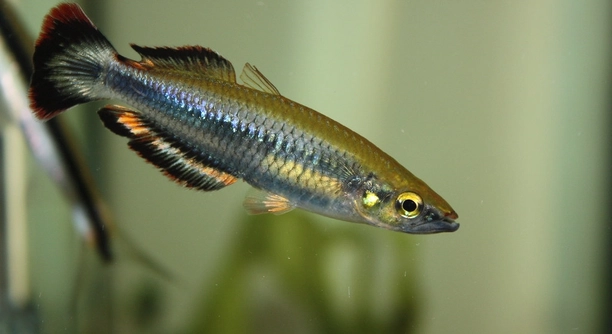
Adding new rainbowfish to your aquarium can be exciting, but it also comes with responsibilities. Quarantining them properly ensures they adjust well while keeping your existing fish safe from potential diseases or parasites.
Quarantining new rainbowfish involves isolating them in a separate tank for at least two to four weeks. This process allows observation for signs of illness, controlled acclimation, and treatment of any infections before introducing them to the main aquarium.
Following the right steps helps protect both your new fish and your established aquarium community, making the transition smoother and healthier for everyone involved.
Preparing a Quarantine Tank
Setting up a quarantine tank is the first step in keeping your rainbowfish healthy. Choose a tank that is smaller than your main aquarium but large enough for the fish to swim comfortably. Add a filter, heater, and aeration to maintain water quality. Use a substrate that is easy to clean, like sand or bare bottom. Include hiding spots such as small plants or decorations to reduce stress. Avoid adding aggressive or territorial fish during this period. Make sure to use water from your main tank or dechlorinated water, and cycle it to stabilize ammonia and nitrite levels. Maintain a consistent temperature similar to your main aquarium to prevent shock. Monitor the water parameters daily, including pH, temperature, and ammonia. Clean the tank carefully without disturbing the fish too much. Quarantine tanks should be easy to access for feeding, observation, and treatments if needed, ensuring a controlled environment for new arrivals.
Quarantine tanks prevent diseases from spreading to established fish and allow close monitoring of new rainbowfish behavior and health.
A properly prepared quarantine tank helps reduce stress, encourages healthy eating, and allows treatment of minor illnesses early. Using a small but stable setup makes maintenance easier, and hiding spaces give fish comfort. With careful observation and clean water, the rainbowfish will adapt faster and stay healthier, making the eventual transfer smoother.
Feeding and Monitoring During Quarantine
Provide a balanced diet in small, frequent portions to maintain health without polluting the water. Monitor for any signs of disease.
During quarantine, feeding should be consistent yet cautious. Offer high-quality flakes, pellets, or frozen foods, observing if the fish eat normally. Avoid overfeeding, as leftover food can foul the water and stress the fish further. Watch for unusual behavior like lethargy, clamped fins, or discoloration, which could indicate illness. Remove uneaten food promptly, and keep a record of feeding habits and any changes in appearance. Supplementing the diet with live foods like brine shrimp or daphnia can encourage appetite and strengthen immune systems. Daily observation allows early detection of problems, which is crucial for successful quarantine. If any fish show signs of disease, isolate and treat them immediately to prevent spread. By keeping the tank clean, feeding carefully, and observing behavior closely, the rainbowfish are more likely to remain healthy and adapt well to the main aquarium.
Observing Health and Behavior
Check your rainbowfish daily for signs of stress or illness. Look for changes in swimming patterns, appetite, or coloration, which may indicate a problem.
Consistent observation allows you to spot issues early. Rainbowfish that hide constantly, show clamped fins, or have white spots may be experiencing stress or disease. Record any unusual behavior and adjust water conditions or feeding routines as needed. Small changes in behavior can signal larger health problems if ignored. Using a log to track feeding, activity, and appearance helps identify trends and ensures timely intervention before conditions worsen.
Pay attention to interactions between fish in the quarantine tank. Aggressive behavior, chasing, or fin nipping can increase stress and make fish more susceptible to illness. Separating overly aggressive individuals can prevent injury and improve overall tank harmony. Maintaining stable water parameters and a calm environment supports recovery, encourages healthy eating, and helps rainbowfish settle into quarantine more comfortably, ultimately preparing them for safe transfer to the main tank.
Treating Illnesses Early
Address any signs of disease immediately with appropriate treatments. Preventing spread is easier in quarantine.
Quarantine allows controlled treatment without risking your main aquarium. Medications should be chosen based on observed symptoms and recommended dosages. For minor infections, salt baths or medicated foods may suffice, while bacterial or parasitic infections often require specific treatments. Monitor fish closely during treatment, adjusting water conditions to reduce stress and supporting recovery with quality nutrition.
Isolation helps reduce stress while allowing careful attention. Treating water quality issues, removing uneaten food, and keeping a calm environment aids in recovery. Record treatments and responses to evaluate effectiveness and avoid repeated mistakes. By acting quickly, illnesses are more manageable, and rainbowfish can remain healthy and strong before joining your main aquarium.
Water Changes and Maintenance
Regular water changes keep the quarantine tank clean and safe for rainbowfish. Remove a portion of the water every few days and replace it with dechlorinated water at the same temperature.
Clean the substrate and decorations carefully during water changes. Avoid disturbing the fish too much, and check filter function to maintain stable water quality throughout quarantine.
Acclimating to the Main Tank
Gradually adjust rainbowfish to your main aquarium’s water conditions before release. Float the quarantine bag or container in the main tank, slowly mixing small amounts of tank water over one to two hours.
This gradual change helps prevent shock from differences in temperature, pH, and hardness. Slowly acclimated rainbowfish are less stressed, more likely to eat, and better prepared to integrate smoothly into their new environment.
Monitoring After Transfer
Watch the rainbowfish closely for the first few days in the main tank. Check eating habits, swimming patterns, and interactions with other fish.
FAQ
How long should I quarantine new rainbowfish?
New rainbowfish should be quarantined for at least two to four weeks. This period allows you to monitor their health closely, check for signs of disease, and ensure they are eating well. Quarantine also reduces the risk of introducing infections to your main aquarium.
What size tank is best for quarantine?
A smaller tank than your main aquarium is ideal, but it should still give the fish room to swim comfortably. Around 10 to 20 gallons works for a few rainbowfish. Make sure it has a filter, heater, and hiding spots to reduce stress and maintain stable water conditions.
What water conditions should I use in the quarantine tank?
Use water that matches your main tank as closely as possible in temperature, pH, and hardness. Dechlorinated or conditioned water is essential. Regular testing of ammonia, nitrites, and nitrates helps keep the environment safe, and small daily adjustments can prevent sudden changes that stress the fish.
How often should I feed rainbowfish in quarantine?
Feed small amounts one to two times daily, enough that they finish quickly. Overfeeding can pollute the water, leading to stress and disease. A mix of flakes, pellets, and occasional frozen or live foods supports immune health and encourages natural behavior during the quarantine period.
What signs of illness should I watch for?
Look for clamped fins, lethargy, rapid breathing, loss of appetite, discoloration, or spots on the body. Hiding constantly or swimming erratically may also indicate stress or infection. Early detection is key, as prompt treatment in quarantine is much easier than treating your entire main tank.
Can I use medication in the quarantine tank?
Yes, using medications in a quarantine tank is safer and more effective than treating the main aquarium. Select treatments based on symptoms and follow instructions carefully. Avoid overmedicating, and monitor fish closely for reactions. Remove medications after the recommended period to prevent stress.
How do I acclimate rainbowfish to my main tank?
Float the quarantine bag or container in the main tank and slowly add small amounts of tank water over one to two hours. This gradual acclimation reduces shock from differences in temperature, pH, or hardness. Fish introduced slowly tend to eat sooner and adjust better to the new environment.
Do I need to isolate aggressive fish during quarantine?
Yes, aggressive individuals should be separated to prevent injury and stress. Quarantine makes it easier to monitor interactions and manage conflicts. Providing hiding spots also reduces tension, helping all fish remain healthy and calm before joining the main tank.
How do I maintain water quality during quarantine?
Perform regular partial water changes, clean the substrate, and monitor filter performance. Avoid disturbing the fish too much during maintenance. Keeping water parameters stable prevents stress, reduces the risk of disease, and ensures rainbowfish remain active and healthy throughout quarantine.
Can I skip quarantine if my fish looks healthy?
Skipping quarantine is risky. Even fish that appear healthy can carry parasites or bacteria. Quarantine is a precaution that protects both your new rainbowfish and existing aquarium residents. Taking the time to isolate and observe them first saves trouble and ensures a safer, smoother introduction.
What should I do if a fish gets sick in quarantine?
Immediately isolate and treat the affected fish using appropriate medication. Maintain clean water, monitor closely, and follow the treatment instructions. Early intervention prevents disease from spreading and increases the chances of a full recovery before the fish enters the main tank.
How can I tell if my rainbowfish is eating enough?
Healthy rainbowfish will eagerly accept food and show interest during feeding times. Keep track of portions consumed and observe daily behavior. Reduced appetite or refusal to eat may signal stress, illness, or water quality issues that need attention before transferring to the main aquarium.
Can I keep multiple species in one quarantine tank?
It’s best to quarantine each species separately if possible. Different species may have varying needs and stress responses, and some could transmit diseases to others. Keeping rainbowfish together is fine as long as they are compatible, but mixing species increases risk during this sensitive period.
How long after quarantine can I add the fish to the main tank?
Once the quarantine period is complete, the fish are healthy, and water parameters are stable, they can be transferred. Gradual acclimation is essential. Avoid rushing the process, as sudden changes can stress the fish and reduce the effectiveness of the quarantine period.
What if I notice unusual behavior after transfer?
Monitor closely for several days. Some hiding or cautious swimming is normal, but prolonged lethargy, loss of appetite, or aggression may indicate stress or water issues. Adjust tank conditions, check compatibility, and intervene if problems persist to ensure rainbowfish remain healthy.
Final Thoughts
Quarantining new rainbowfish is one of the most important steps in keeping your aquarium healthy. Taking the time to set up a separate tank and observe your new fish allows you to catch problems before they affect your main tank. Stress, disease, and poor acclimation are common issues when new fish are added directly without preparation. A proper quarantine gives you the chance to provide a calm and stable environment while monitoring their behavior, appetite, and overall health. Even fish that appear perfectly healthy can carry parasites or bacteria, and quarantine is a precaution that protects both the new arrivals and your established fish. Using a smaller tank with consistent water conditions, hiding spots, and proper filtration creates a controlled space where rainbowfish can adjust gradually.
Maintaining water quality during quarantine is key to success. Regular water changes, checking temperature, pH, and ammonia levels, and keeping the substrate clean all help reduce stress and prevent illness. Feeding should be done carefully with small portions to avoid overfeeding and pollution of the tank. Observing eating habits and interactions between fish provides valuable insight into their health. Signs like clamped fins, discoloration, or hiding constantly can indicate problems that require treatment. Addressing these issues early is much easier in quarantine than in a full aquarium. A stable environment also encourages natural behavior and helps rainbowfish gain strength and immunity before joining a larger group. Proper care during this period reduces the risk of disease, improves adaptation, and gives your fish the best start in your aquarium.
When the quarantine period is complete, transferring rainbowfish to the main tank should still be done gradually. Slowly acclimating them to the new water conditions reduces shock and ensures they settle in quickly. Even after transfer, continue to monitor their behavior and appetite for several days. Small adjustments to lighting, feeding, or tank arrangement can make the transition smoother. Quarantine is not just a precaution; it is a step that sets the foundation for long-term health and harmony in your aquarium. By taking these careful steps, you help your rainbowfish thrive while protecting the other fish in your tank. With consistent care, attention, and patience, your rainbowfish are more likely to grow, display their colors fully, and live a healthy life in a well-balanced aquarium.

Hello,
If you enjoy the content that we create, please consider saying a "Thank You!" by leaving a tip.
Every little bit helps us continue crafting quality advice that supports the health, happiness, and well-being of pets around the world, for pets of all shapes, sizes, and species.
We really appreciate the kindness and support that you show us!