
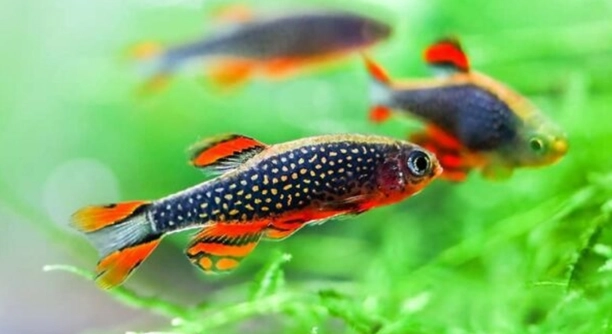
Bringing new Celestial Pearl Danios home can be exciting, but it also comes with responsibilities. Ensuring they enter your aquarium safely helps protect both the new fish and the existing tank environment from stress or disease.
Quarantining new Celestial Pearl Danios involves placing them in a separate tank for two to four weeks, monitoring their health, maintaining clean water conditions, and observing for signs of illness before introducing them to the main aquarium.
Proper quarantine practices protect your tank’s ecosystem and promote the long-term health of your fish. Learning these steps now will make caring for your Danios simpler and safer.
Setting Up a Quarantine Tank
Setting up a quarantine tank for new Celestial Pearl Danios is essential for their safety and the health of your main aquarium. I usually use a small tank around 10 gallons, equipped with a gentle filter and a heater. Adding hiding spots with plants or decorations helps reduce stress, giving the fish a chance to acclimate comfortably. Keeping the water parameters similar to your main tank reduces shock and allows the fish to adapt gradually. Frequent water testing during this period ensures ammonia, nitrite, and nitrate levels remain safe. Feeding small amounts twice daily helps monitor appetite and detect any early signs of illness. Regular observation is key, as early detection of health issues prevents them from spreading. Quarantine tanks also make treatment simpler if a fish becomes sick.
A well-prepared quarantine tank creates a controlled space to observe, treat, and protect your Danios before introducing them to the main aquarium.
Maintaining proper water conditions is crucial during quarantine. Temperature stability between 74-78°F, gentle aeration, and partial water changes every few days prevent stress and promote healing. Avoid overfeeding, as leftover food can quickly degrade water quality, raising ammonia levels. Using a small net or cup for water changes reduces disturbance. Observing their swimming patterns, coloration, and fin condition helps spot potential problems early. If any fish show signs of illness, treatments like medicated baths or isolation may be necessary. Consistent care during this period ensures the Danios remain healthy, making the eventual transition smoother and safer for all the fish in your aquarium.
Monitoring Health and Behavior
Daily observation during quarantine is important to ensure your Danios remain healthy.
Watch for changes in appetite, unusual swimming, or faded colors. Early detection prevents serious health problems and helps maintain tank stability.
Checking behavior closely helps identify stress or illness before it spreads. Record keeping of feeding habits, interactions, and any physical changes can be valuable. Noticing subtle shifts, such as slight fin clamping or slower movements, allows intervention before conditions worsen. Observing how they respond to light and interact with plants or hiding spots gives insights into their comfort level. Maintaining a calm, consistent environment supports recovery and reduces stress, which is often overlooked but vital for small, delicate fish like Celestial Pearl Danios. Proper monitoring during quarantine lays the foundation for healthy, thriving fish once they join the main tank.
Feeding During Quarantine
Feed your Celestial Pearl Danios small amounts two to three times daily. Avoid overfeeding, as leftover food can harm water quality and stress the fish.
During quarantine, choosing high-quality, varied foods is important. I usually alternate between micro pellets, frozen daphnia, and brine shrimp. This variety ensures proper nutrition and keeps the fish active. Observe how much they eat within a few minutes and remove any uneaten food promptly. Feeding smaller portions multiple times a day helps monitor appetite and detect potential health problems early. Healthy eating habits during quarantine prepare the Danios for a smooth transition into the main tank, reducing stress and promoting growth.
Maintaining a consistent feeding routine also supports the immune system. Uneaten food should never sit at the bottom, as it can spike ammonia levels and lead to disease. I often use a siphon to remove debris during water changes. Watching how your Danios approach food provides insights into their comfort and health. Active, eager eaters are usually healthy, while hesitation or refusal can signal stress, illness, or improper water conditions that need attention.
Cleaning and Maintenance
Regular cleaning keeps the quarantine tank safe for your Danios. Partial water changes every two to three days prevent buildup of waste and harmful chemicals.
I usually remove 20-30% of the water during each change, using a siphon to clean the substrate gently. Filters need light maintenance, rinsing media in tank water to avoid killing beneficial bacteria. Observing the tank’s surfaces helps catch algae or leftover food early. Keeping the environment clean reduces stress and supports the fish’s immune system. Even small tanks benefit from consistent water checks to ensure parameters stay stable.
Equipment placement also matters. Filters, heaters, and decorations should allow free swimming while providing hiding spots. Avoid overcrowding the tank, as stress increases the risk of illness. Monitoring water parameters like ammonia, nitrite, nitrate, and temperature ensures stability. I keep a log of water changes and any notable fish behavior to track health trends. Clean tanks paired with attentive care make quarantine effective, giving the Danios the best chance to thrive once introduced to the main aquarium.
Observing Social Behavior
Celestial Pearl Danios are social and prefer small groups. Watch for aggression, hiding, or isolation during quarantine, as these behaviors can indicate stress or illness.
Maintaining a calm environment helps them adjust. Providing plants or decorations gives them space to explore and reduces tension among tank mates.
Identifying Common Illnesses
Look for faded colors, clamped fins, or unusual swimming patterns. These are early signs of stress or disease and require attention before introducing fish to the main tank. Early detection allows for treatment before conditions worsen. Proper observation helps maintain overall tank health and prevents outbreaks.
Gradual Acclimation
Before moving Danios to the main tank, slowly adjust them to the new water conditions. This reduces shock and improves survival rates.
Introducing to Main Tank
Release the Danios gently into the main aquarium after quarantine. Minimize stress by avoiding sudden temperature or water changes.
FAQ
How long should I quarantine new Celestial Pearl Danios?
Most experts recommend quarantining new Danios for two to four weeks. This allows enough time to monitor their health, observe for signs of disease, and ensure they adjust to captivity before introducing them to the main tank.
What size tank is best for quarantine?
A small tank, usually around 10 gallons, works well. It should have a gentle filter, a heater, and a few hiding spots. The goal is to reduce stress while providing a safe environment for monitoring and treatment if needed.
What water conditions are ideal during quarantine?
Keep the temperature between 74 and 78°F. Monitor ammonia, nitrite, and nitrate levels closely, maintaining them at safe levels. Gentle aeration helps oxygenate the water, and partial water changes every few days keep the environment clean.
How often should I feed them?
Feed small amounts two to three times daily. High-quality micro pellets, frozen daphnia, or brine shrimp work well. Remove uneaten food promptly to avoid water quality issues. Observing feeding habits can help identify early signs of illness.
Can I quarantine multiple Danios together?
Yes, but keep the group small. Overcrowding increases stress and the risk of disease. Make sure there are enough hiding spots to reduce aggression and give fish space to explore.
What signs of illness should I look for?
Watch for faded colors, clamped fins, erratic swimming, or loss of appetite. Early signs may be subtle, like hesitation during feeding or slight changes in movement. Early intervention can prevent the spread of disease and protect other fish.
Do I need to use medications during quarantine?
Not always. Medications should only be used if signs of disease appear. Routine observation, clean water, and proper feeding are usually enough. Use treatments carefully, following instructions to avoid harming the fish or beneficial bacteria.
How do I handle water changes during quarantine?
Perform partial water changes, usually 20-30% every two to three days. Use a siphon to remove debris without disturbing the fish too much. Rinse filter media in tank water instead of tap water to preserve beneficial bacteria.
How can I reduce stress for new Danios?
Provide hiding spots with plants or decorations. Keep the environment calm, avoid sudden movements, and maintain consistent water conditions. Stress reduction is critical for supporting immunity and encouraging normal feeding and behavior.
When is it safe to introduce Danios to the main tank?
Once quarantine is complete, the fish show no signs of illness, and water parameters are stable, you can move them. Gradually acclimate them by matching temperatures and slowly mixing main tank water into the quarantine tank before release.
Can I observe social behavior during quarantine?
Yes, watch how Danios interact. They are social and prefer groups. Aggression or isolation may indicate stress, so provide space and hiding spots. Healthy social behavior signals readiness for the main tank.
How long should I monitor them after moving to the main tank?
Even after introduction, continue to watch feeding, swimming, and interaction with other fish for at least a week. Early detection of stress or illness ensures problems are addressed quickly and helps the fish adjust smoothly.
Are there common mistakes to avoid?
Overfeeding, skipping water changes, and rushing introduction to the main tank are common errors. Maintaining proper water conditions, small groups, and consistent observation during quarantine improves survival and long-term health.
What if a fish shows illness during quarantine?
Isolate the sick fish and consider appropriate treatment. Addressing health issues early prevents spread and protects the rest of the tank. Continue monitoring other fish closely for any signs of disease.
Can I use plants in the quarantine tank?
Yes, live or artificial plants provide hiding spaces and reduce stress. They also make observation easier by giving fish areas to rest and behave naturally. Just ensure plants are clean to avoid introducing contaminants.
Is lighting important during quarantine?
Moderate lighting is enough. Too bright lighting can stress the fish, while complete darkness is not ideal. Consistent light cycles help maintain normal behavior and feeding routines.
How do I know the quarantine was successful?
The Danios remain healthy, eat normally, swim actively, and show no signs of stress or illness. Once introduced to the main tank, they adjust quickly and interact with other fish without issues.
What tools help with quarantine care?
Thermometers, test kits, siphons, small nets, and clean containers for water changes are helpful. Keeping notes on feeding, behavior, and water parameters ensures consistent monitoring and effective care.
How can I make the process easier?
Setting up the tank before bringing the fish home, maintaining routine feeding and water changes, and keeping observation logs reduces mistakes and keeps both the fish and your main tank safe.
Can quarantine prevent disease in the main tank?
Yes, isolating new fish reduces the risk of introducing parasites, bacteria, or other pathogens. Proper quarantine is a critical step in protecting the overall health of your aquarium and ensuring the longevity of your Danios.
Should I adjust feeding if fish seem stressed?
Slightly reducing portions or feeding more frequently in smaller amounts helps. Overfeeding can worsen water quality and stress, while smaller meals encourage appetite and allow close monitoring of consumption.
Is it okay to handle the fish during quarantine?
Minimize handling unless necessary. Frequent netting or moving increases stress and risk of injury. Observation should mostly be visual, with handling reserved for water changes or treatment only.
How do I acclimate them to the main tank water?
Add small amounts of main tank water to the quarantine tank over an hour or two. This helps fish adjust gradually to temperature, pH, and other chemical differences, reducing shock during transfer.
Can quarantine tanks be reused?
Yes, as long as the tank and equipment are cleaned between uses. Avoid reintroducing any contaminants or untreated water to protect new fish. Proper care ensures the tank remains safe for future quarantines.
How do I know if the fish are stressed during quarantine?
Signs include hiding excessively, rapid gill movement, clamped fins, and reduced activity. Providing calm conditions, hiding spots, and consistent routines helps reduce stress and promotes healthy adjustment.
Is it necessary to quarantine all new fish?
Yes, even if fish appear healthy. Quarantine helps detect hidden illnesses, prevents disease spread, and allows gradual adaptation to new water conditions. It’s a small effort that pays off in long-term fish health.
What should I do if water parameters spike unexpectedly?
Perform immediate partial water changes and test for ammonia, nitrite, and nitrate. Check the filter and substrate for debris. Stabilizing the environment quickly prevents stress and illness in the Danios.
How long does it take for Danios to settle in quarantine?
Most Danios adjust within a few days, but full acclimation takes up to two weeks. Providing consistent care, hiding spots, and stable water encourages faster settling and reduces stress-related behaviors.
Can quarantine tanks house other fish temporarily?
It’s best to avoid mixing species in quarantine. Different fish may introduce pathogens or stress each other. Separate tanks ensure safe observation and treatment of new arrivals.
How detailed should observation logs be?
Note feeding behavior, color changes, swimming patterns, and any unusual activity daily. Simple notes help identify trends and detect issues early. Consistent logging makes quarantine management easier and more effective.
Is it okay to use chemical treatments preventively?
Preventive medication is generally not recommended. Focus on observation, clean water, and proper nutrition. Only treat if clear signs of disease appear to avoid harming healthy fish or beneficial bacteria.
How important is water temperature during quarantine?
Temperature stability is critical. Sudden changes stress Danios and can weaken their immune system. A reliable heater and thermometer help maintain the ideal 74-78°F range.
Can quarantine reduce mortality in new fish?
Yes, careful quarantine lowers stress, prevents disease spread, and ensures fish are healthy before joining the main tank. Proper preparation and observation significantly increase survival rates.
What should I do if a fish dies in quarantine?
Remove the fish immediately, test water quality, and inspect remaining fish for illness. Cleaning the tank and monitoring closely prevents further losses and protects the rest of the group.
How often should I check water parameters?
Test at least every two to three days, or more often if issues arise. Tracking temperature, pH, ammonia, nitrite, and nitrate ensures a stable environment and healthy fish.
Can quarantine help with breeding preparation?
Yes, observing fish in quarantine allows you to assess health and condition, which is essential for successful breeding. Healthy, unstressed Danios are more likely to reproduce successfully.
How long should I keep records after quarantine?
Continue monitoring behavior and health for at least a week after introduction. This helps catch delayed stress responses or illness that may appear after transfer to the main tank.
What is the best way to remove fish from quarantine?
Use a soft net or container to transfer fish gently. Avoid sudden movements or splashing, and gradually acclimate them to the main tank water to reduce stress and prevent shock.
Are quarantine practices different for juveniles versus adults?
Juveniles may be more sensitive to water changes and stress. Smaller portions, gentle water movement, and careful observation are important to ensure healthy growth and development during quarantine.
Can quarantine help identify compatible tank mates?
Observing social behavior in quarantine can indicate how Danios interact. Fish that show aggression or stress may need separate housing to prevent conflicts in the main tank.
How do I prevent contamination during quarantine?
Use dedicated equipment, clean hands, and avoid introducing untested plants or decorations. Proper hygiene prevents accidental introduction of pathogens.
Is quarantine necessary for wild-caught Danios?
Yes, wild-caught fish may carry parasites or diseases. Quarantine is especially important to protect both the new arrivals and your established tank community.
Can quarantine tanks be set up with live plants?
Yes, live plants provide hiding spots and help maintain water quality. Make sure they are free of pests or contaminants before adding them.
How much observation time is recommended daily?
Spend at least 10-15 minutes observing behavior, feeding, and interactions. Consistent daily checks catch issues early and help maintain a stable environment.
What if a fish refuses to eat during quarantine?
Offer a variety of foods in small amounts. Stress, illness, or water conditions may be causing refusal. Monitor closely and adjust conditions or treat illness as needed.
Can quarantine improve long-term health of Danios?
Yes, properly quarantined fish are healthier, less stressed, and more likely to thrive in the main tank. Quarantine reduces disease introduction and supports overall vitality.
Is it necessary to quarantine plants along with fish?
Not always, but inspecting plants for pests or algae helps reduce contamination risks. Cleaning or dipping plants before adding them can be beneficial.
What records are most useful during quarantine?
Feeding times, water changes, observed behaviors, and health notes are key. Tracking these details ensures consistent care and allows early detection of issues.
How does quarantine help with tank balance?
It prevents new fish from introducing disease, protects existing fish, and allows gradual acclimation, maintaining a stable, healthy ecosystem in your main aquarium.
Can I speed up quarantine safely?
Rushing quarantine increases stress and risk of disease. Two to four weeks is recommended to allow proper observation and acclimation without compromising health.
What should I do after quarantine is complete?
Gradually acclimate the Danios to the main tank, monitor their adjustment, and continue regular care. A smooth transition ensures long-term health and integration.
Can quarantine prevent stress-related illnesses?
Yes, isolation, stable conditions, and careful observation reduce stress, which is a common trigger for disease. Proper quarantine supports immune function and overall wellbeing.
How often should I observe behavior during quarantine?
Daily observation is ideal. Short, consistent checks allow early detection of illness, stress, or aggression and make interventions easier.
Are quarantine tanks reusable for future fish?
Yes, if cleaned and disinfected properly. Avoid cross-contamination by rinsing all equipment and replacing substrate as needed.
Can quarantine reduce risk of parasite outbreaks?
Yes, isolating new fish prevents parasites from spreading to the main tank, reducing overall health risks and protecting established fish populations.
Is quarantine necessary for all types of Danios?
Yes, even hardy species benefit from quarantine. It ensures they are healthy, acclimated, and ready to join a community tank safely.
What is the most common mistake during quarantine?
Overfeeding, rushing introduction, and neglecting water quality are frequent errors. Consistency, patience, and observation are essential for successful quarantine management.
How do I know if quarantine conditions are adequate?
Stable water parameters, healthy behavior, active feeding, and minimal stress indicate that the quarantine tank is providing a safe environment for your Danios.
How long should quarantine last for optimal safety?
Two to four weeks is standard. This timeframe balances observation, adjustment, and disease prevention without unnecessary prolonging, ensuring fish are healthy and ready for the main tank.
Can quarantine tanks have decorations?
Yes, but keep it simple to allow easy cleaning and observation. Plants or hiding spots reduce stress and provide security for the fish.
Is quarantine more important for small or large tanks?
It is equally important for all sizes. Even in larger tanks, isolation ensures new fish do not introduce disease or stress established inhabitants.
How can I reduce water stress during quarantine?
Maintain stable temperature, avoid sudden changes, and perform gradual water additions. Gentle filtration and minimal disturbance create a calm, safe environment.
What is the role of quarantine in breeding preparation?
It ensures fish are healthy, unstressed, and properly nourished, which improves breeding success and reduces the likelihood of transmitting disease to fry.
Should quarantine be combined with temperature adjustments?
Adjust only if needed for health treatment or acclimation. Sudden or extreme changes increase stress and can harm delicate Danios.
Can quarantine help identify weak or sick fish early?
Yes, isolation allows close observation. Signs of weakness, illness, or abnormal behavior are easier to detect before affecting other fish.
Is it safe to add snails or shrimp during quarantine?
Generally, avoid introducing other species until quarantine is complete. They may carry pathogens or stress the Danios, complicating observation and treatment.
How important is tank location for quarantine?
Place the tank in a quiet, low-traffic area. Reduces stress and allows consistent observation without frequent disturbances that can negatively impact the fish.
Can quarantine improve long-term aquarium stability?
Yes, by preventing disease introduction and reducing stress in new fish, quarantine supports a healthier, more stable main tank environment.
How do I know if quarantine is over?
When fish are active, eating normally, show no signs of illness, and water parameters are stable, quarantine is complete, and they are ready for the main tank.
What should I avoid during quarantine?
Avoid overfeeding, frequent handling, sudden water changes, and introducing untested plants or fish. These can increase stress and risk of disease.
Are observation logs necessary?
Yes, they track feeding, behavior, and water quality. Logs help identify problems early and provide useful records for future quarantine practices.
Can quarantine prevent long-term health problems?
Proper quarantine reduces exposure to pathogens and stress, leading to healthier, longer-living fish in the main aquarium.
How do I handle sudden illness in quarantine?
Isolate the affected fish, treat appropriately, and monitor the rest closely. Early response prevents spread and protects the main tank.
What role does quarantine play in overall tank management?
It safeguards existing fish, prevents disease introduction, and ensures new fish adjust properly, maintaining a balanced and healthy aquarium environment.
Can quarantine help with acclimating fish to new diets?
Yes, offering a variety of foods during quarantine encourages eating habits and allows observation of appetite before transferring to the main tank.
Is quarantine required even for healthy-looking fish?
Absolutely. Hidden illnesses or parasites may not be visible, and quarantine ensures these issues don’t threaten the main tank population.
Can quarantine improve fish temperament?
Yes, a calm, stable environment allows fish to settle, reducing aggression and stress-related behavior before joining a community tank.
How detailed should water testing be?
Test ammonia, nitrite, nitrate, pH, and temperature regularly. Consistent monitoring ensures stable conditions and prevents stress or illness.
Should quarantine tanks mimic the main tank environment?
Replicate temperature, pH, and general conditions to reduce shock. Plants and decorations can be simpler but should provide hiding spots and comfort.
Can quarantine reduce long-term care issues?
Yes, by catching health problems early and allowing proper adjustment, quarantine prevents future complications in the main tank.
What is the best way to track feeding during quarantine?
Note the type of food, amount offered, and how much is consumed. Observing appetite daily helps detect early health issues.
Is quarantine more important for sensitive species?
Yes, delicate species like Celestial Pearl Danios benefit greatly. Isolation ensures proper care, reduces stress, and protects them from disease exposure.
Can quarantine tanks be used for treatment only?
Yes, they are ideal for treating sick fish without affecting the main tank. Controlled conditions make administering medications easier and safer.
How do I manage stress if a fish hides constantly?
Provide more hiding spots, maintain stable conditions, and minimize disturbances. Gradual acclimation helps fish feel safe and encourages normal behavior.
What is the final step after quarantine?
Gradual acclimation to the main tank water, careful release, and continued observation ensure a smooth transition and long-term health for your Danios.
How often should quarantine tanks be cleaned?
Partial water changes every two to three days are sufficient. Remove uneaten food and debris regularly while maintaining beneficial bacteria.
Can quarantine prevent parasite infestations?
Yes, isolating new fish before adding them to the main tank reduces the risk of introducing parasites and protects the established aquarium community.
Is quarantine necessary for all tank sizes?
Yes, regardless of tank size, it ensures new fish do not introduce disease and allows safe adjustment to new conditions.
How long should I monitor fish post-quarantine?
Continue observing for at least one week. Early signs of stress or illness may appear after introduction to the main tank, requiring prompt action.
Can quarantine be done with minimal equipment?
A small tank, heater, filter, and basic water test kits are enough. Proper setup and consistent care are more important than extra gadgets.
Does quarantine help with long-term growth?
Yes, healthy acclimation, reduced stress, and proper nutrition during quarantine support growth and overall wellbeing once the fish join the main tank.
What precautions should I take during quarantine water changes?
Use gentle siphoning, partial water changes, and water with similar temperature and chemistry.
Final Thoughts
Quarantining new Celestial Pearl Danios is an essential step for anyone keeping a healthy and stable aquarium. Taking the time to set up a separate tank, maintain clean water, and observe fish closely may feel like extra work, but it prevents many common problems. Disease, parasites, and stress can easily spread when new fish are introduced too quickly. By isolating them first, you give the Danios a chance to adjust to their new environment without putting the main tank at risk. A quarantine period also allows you to notice subtle signs of illness that might otherwise go unnoticed, ensuring that only healthy fish join your community tank. This step is not just about prevention; it is about promoting a smoother transition for the fish and giving them the best start in your aquarium.
Maintaining proper water conditions during quarantine is crucial. Celestial Pearl Danios are small and delicate, so even minor fluctuations in temperature, ammonia, or nitrite levels can cause stress. A stable temperature between 74 and 78°F, along with regular partial water changes, keeps the water safe and supports overall fish health. Feeding small, nutritious meals several times a day helps monitor appetite and ensures the fish are getting the nutrients they need. Watching how they eat, swim, and interact provides valuable insight into their well-being. Small adjustments, like adding plants or decorations for hiding spots, can also make a big difference in reducing stress and encouraging natural behavior. Consistent care during this period sets a strong foundation for the Danios’ long-term health and makes integrating them into the main tank much easier.
Quarantine is also an opportunity to develop good habits for fish care. Observing daily, keeping records of water changes, feeding, and behavior, and responding promptly to signs of stress or illness are all skills that benefit every aspect of aquarium keeping. The extra effort invested during quarantine pays off by reducing future problems and creating a healthier, more balanced aquarium environment. Introducing fish without quarantine may seem faster, but it often leads to preventable illnesses or losses. By taking the time to quarantine Celestial Pearl Danios, you are protecting both the new fish and your established tank community. Over time, this approach builds confidence in managing water quality, monitoring fish health, and understanding fish behavior. Quarantine is not just a precaution—it is an essential practice that ensures your Danios thrive, grow, and enjoy a safe, stable environment in your aquarium.

Hello,
If you enjoy the content that we create, please consider saying a "Thank You!" by leaving a tip.
Every little bit helps us continue crafting quality advice that supports the health, happiness, and well-being of pets around the world, for pets of all shapes, sizes, and species.
We really appreciate the kindness and support that you show us!