
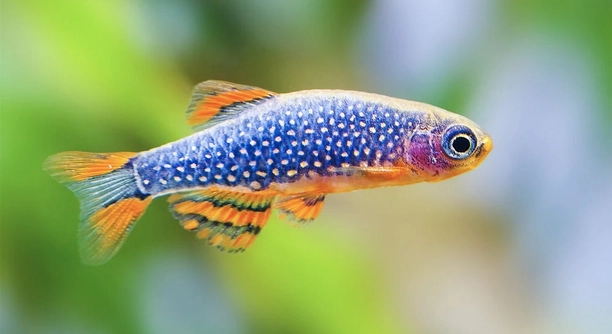
Male and female Danios may look similar at first glance, but their movement patterns reveal subtle differences. Observing them closely can help you understand their behaviors and interactions in an aquarium environment more clearly and accurately.
Male and female Danios exhibit distinct swimming patterns, speed, and social interactions. Males tend to display more active, erratic movements, while females show smoother, steady swimming. These differences are consistent across various environmental conditions and play a role in mating and hierarchy.
Recognizing these movement patterns can enhance your ability to care for Danios effectively and improve your understanding of their natural behaviors.
Body Shape and Swimming Style
Male Danios usually have slimmer, more streamlined bodies, which allow them to dart quickly through the water. Their movements are often sharp and unpredictable, making them appear more energetic. Females, on the other hand, have slightly rounder bodies, especially when carrying eggs. This body shape leads to smoother, more deliberate swimming patterns. Observing a group of Danios, you may notice males chasing each other frequently while females glide calmly, keeping a steady course. The contrast is more noticeable during feeding times or when reacting to changes in their environment. Males often lead short bursts of speed, while females maintain consistent trajectories. These differences are subtle but consistent, providing insight into their roles within the aquarium. Over time, recognizing these traits can help you understand interactions, mating behaviors, and general activity levels between male and female Danios. Tracking their movement patterns helps with aquarium management and maintaining a balanced tank.
Male Danios move with bursts of speed, while females tend to swim more steadily and deliberately.
Paying attention to these patterns can improve how you manage feeding schedules, tank layout, and social interactions in the aquarium.
Interaction and Social Behavior
Males are more active in interacting with their surroundings and other fish.
Male Danios are often more assertive, swimming rapidly around the tank and occasionally chasing one another. They display territorial tendencies, particularly when competing for attention from females. Females are more passive and tend to avoid unnecessary confrontations, focusing on steady swimming and exploring their immediate environment. These behavioral differences influence tank dynamics, feeding hierarchy, and overall energy levels. Males may appear restless if the tank is too small, while females maintain calm patterns regardless of population density. Understanding these tendencies can help you arrange decorations, provide hiding spaces, and ensure enough room for all fish. Careful observation allows you to anticipate interactions during breeding periods. By noting which fish are more dominant or more cautious, you can prevent stress and maintain harmony within the tank. Proper management of their environment ensures healthier, more natural behavior patterns for both male and female Danios over time.
Response to Environmental Changes
Males react quickly to changes in light, water flow, and nearby movement, often swimming in bursts. Females adjust more slowly, maintaining a steady path and showing less dramatic responses to the same stimuli.
Male Danios tend to explore new objects immediately, often circling or inspecting them from multiple angles. Their reactions are sudden and energetic, making them more noticeable in the tank. Females approach changes cautiously, moving gradually and observing before interacting. This contrast affects how each gender experiences the tank and responds to disturbances like rearranged decorations or sudden feeding. Males’ reactions can influence females’ movement indirectly, as females may adjust their course to avoid collisions. Noticing these differences helps you anticipate behavior during maintenance or introduction of new fish, reducing stress and promoting natural interaction.
Understanding their responses is useful for maintaining stable conditions. Males may need more space for rapid movement, while females benefit from calm areas. Recognizing these behaviors ensures balanced activity levels.
Feeding Behavior
Males often compete actively during feeding, darting quickly to claim food. Females eat steadily and without much aggression.
Male Danios show faster, more aggressive feeding behaviors, sometimes nudging others aside to access food. Females maintain a consistent pace, eating without rushing. These differences impact how much each fish consumes and how feeding sessions influence overall tank dynamics. Providing multiple feeding spots or distributing food evenly can prevent stress and ensure both males and females get enough nutrition. Observing their behavior during feeding allows you to identify dominant individuals and monitor health. Males may overeat if unchecked, while females benefit from consistent access. Adjusting feeding methods based on gender behaviors helps maintain a harmonious environment and supports long-term well-being for all Danios.
Tail Fin Movement
Males often flick their tail fins rapidly during swimming, especially when interacting with other males or exploring. Females display slower, more consistent tail movements that match their smoother swimming patterns.
Rapid tail flicks in males serve multiple purposes, including signaling dominance or attracting attention from females. Females use gentle tail movements for stability and efficient swimming, conserving energy for egg development and general navigation. These differences make male activity appear more dynamic and females more composed, especially in group settings. Observing tail movement helps identify gender and anticipate behavior during social interactions or feeding times.
Schooling Behavior
Males tend to swim in loosely organized groups, often breaking formation to chase others or explore. Females stay closer together and follow steady paths, maintaining cohesion.
Reaction to Threats
Males dart quickly when sensing danger, while females retreat calmly and maintain distance, showing measured avoidance behavior.
FAQ
How can I tell male and female Danios apart by movement?
Male Danios are more energetic and display rapid, erratic swimming. They often chase other males or dart around the tank. Females swim more smoothly and steadily, with controlled movements. Observing their tail flicks, bursts of speed, and general activity over time helps identify gender reliably.
Do males or females react differently to tank changes?
Yes, males respond quickly to changes in light, water flow, or objects, often exploring immediately and swimming in bursts. Females adjust gradually, observing first before interacting. This calm behavior reduces stress for females but makes males appear more active during environmental shifts.
Which gender is more dominant during feeding?
Males are typically more competitive, darting quickly to claim food and sometimes nudging others aside. Females eat steadily and calmly, rarely displaying aggression. Providing multiple feeding spots or scattering food evenly ensures both genders receive proper nutrition.
Does tail fin movement indicate gender?
Yes. Male Danios often flick their tail fins rapidly, signaling dominance or attracting attention. Females move their tail fins more gently and consistently, maintaining stable swimming patterns. Observing tail movement during swimming or interaction provides clear clues to gender identification.
How do Danios school based on gender?
Males swim in loosely organized groups, frequently breaking formation to chase or explore. Females stick closer together and follow smoother, predictable paths. These differences help maintain group cohesion for females, while males create more dynamic activity within the school.
Do males and females behave differently when threatened?
Males react quickly, darting and moving unpredictably to evade danger. Females retreat calmly, keeping distance and avoiding unnecessary collisions. This difference in threat response highlights their distinct survival strategies and makes group behavior appear uneven during stressful situations.
Does movement affect mating behavior?
Yes. Male Danios use rapid swimming and erratic movements to attract females and compete with other males. Females respond by observing and selecting mates based on these displays. Smooth swimming in females allows them to conserve energy for spawning and egg production.
Are these movement differences visible in all tank sizes?
Yes, though small tanks can exaggerate male activity due to limited space, making them appear restless. Females remain calm regardless of tank size. Larger tanks allow both genders to display natural movement patterns more clearly, improving observation accuracy and tank harmony.
Can environmental factors change these behaviors?
Water temperature, lighting, and tank decor can influence activity levels, but the basic movement differences between genders remain. Males maintain bursts of speed and tail flicks, while females continue steady swimming. Adjusting conditions can reduce stress and highlight natural behaviors.
How does observing movement help in aquarium care?
Recognizing gender-based differences improves feeding management, space allocation, and social monitoring. Understanding male bursts of energy and female steadiness helps prevent stress, ensures proper nutrition, and supports breeding management. Observation also allows early detection of health issues affecting swimming or interaction.
Are there exceptions to these patterns?
Individual personality and health can influence movement. Some males may be less active, and certain females more exploratory, but overall trends remain consistent. Consistent observation over time is key to accurately distinguishing gender and understanding behavior patterns in your Danios.
Can I use these behaviors to identify breeding pairs?
Yes. Males display rapid swimming, chasing, and tail flicks to attract females. Females respond by swimming steadily near males they select. Recognizing these patterns helps predict mating readiness and supports effective breeding management in a community or dedicated breeding tank.
Do stress or illness affect male and female movement differently?
Yes. Stress or illness can reduce male bursts of activity or make females more hesitant. Monitoring deviations from typical swimming patterns helps detect issues early. Prompt adjustments in care, water quality, and tank environment can restore normal behavior and support overall health.
Is it necessary to separate males and females for harmony?
Not usually. Proper tank size, multiple feeding points, and enough hiding spaces allow both genders to coexist peacefully. Separation may be needed only during breeding management or if aggression becomes excessive among males, which is uncommon in well-maintained aquariums.
How long does it take to recognize these differences?
With consistent observation over several days or weeks, differences in swimming style, tail movement, feeding behavior, and response to stimuli become clear. Familiarity with individual fish also helps predict interactions and identify subtle behavioral patterns between males and females.
Final Thoughts
Observing the differences in movement between male and female Danios can greatly improve how you manage your aquarium. These fish may look similar at first glance, but paying attention to details like swimming speed, tail fin movement, and reaction to stimuli reveals important distinctions. Males tend to be more energetic, displaying rapid bursts of speed, sudden changes in direction, and occasional chasing behavior. Their movements are often unpredictable and dynamic, making them stand out in a group. Females, on the other hand, show steadier, smoother swimming patterns and more controlled tail fin movements. They tend to maintain a calm approach when exploring the tank, responding gradually to changes in light, water flow, or objects in their environment. Understanding these patterns helps you anticipate interactions, reduce stress in the aquarium, and provide conditions that suit both genders. By observing your Danios carefully, you can recognize which fish are dominant, which are more passive, and how they interact during feeding or schooling. These insights are essential for creating a balanced and harmonious tank environment.
Feeding behavior is another area where gender differences become clear. Males often compete for food, darting quickly to claim portions and occasionally nudging other fish aside. Females generally eat at a steady pace without aggression. Recognizing these differences allows you to provide multiple feeding spots or distribute food evenly, ensuring all fish receive proper nutrition. Additionally, males’ rapid movements and bursts of energy during feeding may influence how females swim and position themselves, affecting overall tank dynamics. By observing patterns during feeding, you can also monitor health. Changes in movement, reluctance to eat, or abnormal swimming behavior can indicate stress, illness, or environmental issues. Paying attention to these subtle signs ensures that interventions are timely, helping maintain the well-being of all fish. Over time, understanding these behaviors also supports breeding management, as males display certain patterns to attract females, and females respond by choosing mates based on these displays.
Finally, taking note of how Danios react to environmental changes and perceived threats can further enhance aquarium care. Males often dart or swim erratically when sensing danger, while females retreat calmly and maintain distance. These responses highlight the importance of providing ample space, hiding spots, and stable conditions to reduce stress. Tail fin movements, schooling patterns, and energy levels also provide insight into each fish’s comfort and overall health. By observing these behaviors consistently, you can adjust tank conditions, manage social interactions, and improve the overall environment for both males and females. Recognizing gender-based differences is not just useful for identification but also for promoting natural behavior, reducing conflicts, and supporting long-term health. Understanding and responding to these movement patterns makes caring for Danios a more informed and rewarding experience.

Hello,
If you enjoy the content that we create, please consider saying a "Thank You!" by leaving a tip.
Every little bit helps us continue crafting quality advice that supports the health, happiness, and well-being of pets around the world, for pets of all shapes, sizes, and species.
We really appreciate the kindness and support that you show us!