
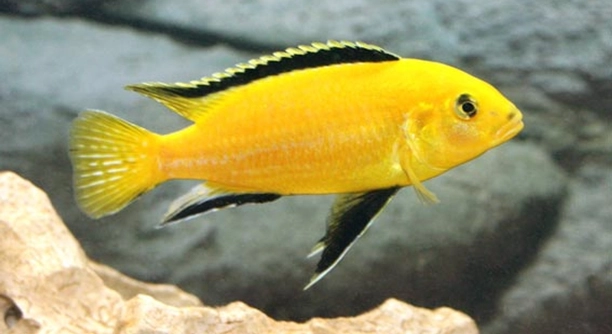
Quarantining a new African cichlid is an important step before adding it to your main aquarium. It helps protect your existing fish from diseases and reduces stress on the new arrival. Proper quarantine practices improve the health of all your fish.
The recommended quarantine period for a new African cichlid is typically 2 to 4 weeks. During this time, the fish should be kept in a separate tank with controlled water conditions, monitored closely for signs of illness, and treated if necessary to prevent disease spread.
Understanding how to quarantine correctly will safeguard your aquarium’s ecosystem and ensure your cichlid starts healthy. This article explains the necessary steps and precautions to take for successful quarantine management.
Setting Up the Quarantine Tank
Creating a proper quarantine tank is the first step to ensuring your new African cichlid remains healthy. Choose a tank that is at least 20 gallons to give the fish enough space to swim comfortably. Use a sponge filter or gentle filtration to keep the water clean without stressing the fish. Maintain stable water parameters similar to your main tank—this means keeping the temperature, pH, and hardness consistent. Avoid adding decorations or substrate to make cleaning easier and to spot any waste or signs of disease quickly. Regular water changes are essential, ideally 20-30% every few days. Lighting should be moderate, avoiding strong brightness that might stress the fish. This controlled environment helps reduce the risk of disease while allowing you to monitor your cichlid closely.
A stable quarantine tank creates a safe environment for observation and early detection of health problems before introducing the fish to your main aquarium.
Keeping conditions steady and clean will protect your cichlid from common stressors and infections that may occur after transport.
Monitoring Your New African Cichlid
Observe your new cichlid daily for signs of illness, such as spots, unusual swimming, or loss of appetite. Early detection is key to preventing problems from spreading. Keep a log of any changes to water conditions or behavior, as this can help you track progress or spot issues. Do not add any other fish to the quarantine tank, as this can increase stress and the risk of cross-infection. If you notice symptoms of disease, consult aquarium care guides or a specialist for treatment options. Treatment may include medications or adjustments to water quality. Remember, patience is important; rushing the process can lead to setbacks.
Regular monitoring helps catch problems early and keeps your fish healthy throughout quarantine.
Maintaining a close watch on behavior and appearance reduces the risk of introducing illness to your established tank.
Feeding During Quarantine
Feed your African cichlid high-quality, varied food to support its immune system. Avoid overfeeding to prevent water quality issues.
Proper nutrition is essential during quarantine to help your fish recover from stress caused by transportation. Offer small amounts of food two to three times daily. Include pellets designed for cichlids, supplemented with occasional live or frozen foods like brine shrimp or bloodworms. This variety promotes good health and coloration. Remove any uneaten food promptly to maintain water cleanliness and reduce the risk of bacterial growth. Consistent feeding routines also encourage normal behavior and help you monitor the fish’s appetite.
Balanced feeding improves the fish’s resistance to disease and supports overall well-being. Keeping the water clean during feeding times is critical to avoid health complications caused by poor water quality.
Signs of Stress and Illness
Watch for changes in behavior such as lethargy, hiding, or gasping at the surface. These signs may indicate stress or disease. Prompt attention is important to address problems early and reduce the risk of spreading illness.
Common illnesses in African cichlids include ich, fin rot, and swim bladder issues. Ich appears as small white spots on the body and fins, while fin rot causes ragged or discolored fins. Swim bladder problems affect buoyancy, causing the fish to float awkwardly. Treatment varies depending on the condition but often includes water changes, improved tank hygiene, and medication. Reducing stress by maintaining proper water conditions and minimizing handling also supports recovery.
Regular observation and quick response to signs of illness improve survival rates during quarantine. Keeping detailed notes on symptoms and treatments helps you manage care effectively and prevents future outbreaks.
Water Changes and Maintenance
Regular water changes are essential to keep the quarantine tank clean. Change 20-30% of the water every few days to maintain water quality.
Avoid using untreated tap water. Always condition new water to remove chlorine and harmful chemicals before adding it to the tank. This protects your cichlid from stress and illness.
Acclimating Your African Cichlid to the Main Tank
Before moving your cichlid to the main aquarium, slowly adjust it to the new water conditions. Float the quarantine bag or container in the main tank for 15-20 minutes. Gradually mix small amounts of the main tank water into the quarantine tank over several hours. This process minimizes shock from changes in temperature, pH, or hardness, helping the fish adapt safely to its new environment.
Avoiding Common Quarantine Mistakes
Do not rush the quarantine process or introduce untreated water. Patience and attention to detail are key to success.
FAQ
How long should I quarantine a new African cichlid?
The standard quarantine period is 2 to 4 weeks. This timeframe allows you to monitor the fish for any signs of disease and gives enough time to treat any issues before introducing it to the main tank. Rushing this process can lead to spreading illness to your other fish.
What size tank is best for quarantining?
A tank of at least 20 gallons is recommended. It provides enough space for the fish to swim comfortably and makes maintenance easier. Avoid overcrowding to reduce stress and allow proper observation.
Should I use substrate or decorations in the quarantine tank?
It is best to keep the quarantine tank bare, without substrate or decorations. This makes cleaning simpler and helps you spot signs of illness or waste more easily.
How often should I do water changes during quarantine?
Water changes of 20-30% every few days help maintain water quality. Regular changes reduce toxins and keep the environment stable for your fish.
What kind of filter should I use in a quarantine tank?
Use a sponge filter or gentle filtration to avoid stressing the fish. Strong currents can increase stress and cause injury during quarantine.
What symptoms should I look for to detect illness?
Common signs include white spots (ich), ragged fins, lethargy, loss of appetite, gasping at the surface, and unusual swimming patterns. Early detection improves treatment success.
Can I quarantine multiple fish together?
It is better to quarantine fish separately if possible. If you must keep more than one, ensure the tank is large enough and watch closely for signs of aggression or illness.
What should I feed during quarantine?
Feed small amounts of high-quality cichlid pellets two to three times daily. Supplement with live or frozen foods like bloodworms or brine shrimp to improve nutrition and immune function.
Do I need to treat the fish with medication during quarantine?
Not always. If the fish shows signs of illness, treatment may be necessary. Otherwise, maintaining clean water and stable conditions can be enough to keep the fish healthy.
How do I acclimate the fish to the main tank after quarantine?
Float the quarantine container in the main tank for 15-20 minutes to equalize temperature. Gradually add small amounts of main tank water to the quarantine tank over several hours before transferring the fish.
What if my cichlid shows stress during quarantine?
Stress can be reduced by maintaining stable water conditions, avoiding sudden changes, and limiting handling. Providing a calm environment supports healing and growth.
Can quarantining prevent all diseases?
Quarantine greatly reduces the risk but cannot guarantee complete prevention. It allows you to catch and treat many common diseases early before they affect other fish.
Is quarantine necessary for all new fish?
It is highly recommended for all new arrivals. Even healthy-looking fish can carry parasites or bacteria that may harm your established aquarium.
How do I clean the quarantine tank?
Clean the tank regularly by removing uneaten food and waste. Use a siphon for gravel-free tanks and change water frequently. Avoid harsh chemicals; use only aquarium-safe cleaners.
What water parameters should I keep in the quarantine tank?
Match the temperature, pH, and hardness to your main tank’s conditions as closely as possible. Sudden changes can stress the fish and increase illness risk.
How can I tell if quarantine is successful?
If after 2-4 weeks the fish shows no signs of illness, eats well, and behaves normally, the quarantine can be considered successful. The fish is then safe to introduce to your main aquarium.
Properly quarantining a new African cichlid is a crucial step that should not be overlooked. It helps protect both your new fish and the ones already living in your main aquarium. By isolating the cichlid for a few weeks, you reduce the chance of spreading diseases or parasites that may be hidden but harmful. The quarantine period also gives you time to monitor the fish closely, ensuring it is healthy before it joins the rest of your collection. Taking this simple precaution can save you a lot of trouble and stress later on.
During quarantine, it is important to maintain stable water conditions that match your main tank as closely as possible. Consistency in temperature, pH, and hardness will reduce stress on the fish and support its immune system. Keeping the quarantine tank clean with regular water changes and gentle filtration also plays a major role in the fish’s well-being. Feeding your cichlid a balanced diet during this time strengthens its health and improves its chances of a smooth transition. Patience is key; rushing the quarantine or skipping steps increases the risk of illness and can harm your entire aquarium.
Once the quarantine period is complete and the fish shows no signs of disease or stress, it can be carefully acclimated to your main tank. Gradual acclimation helps the cichlid adjust to any slight differences in water conditions, reducing shock. Remember that quarantining is an investment in your aquarium’s long-term health. It creates a safer environment for all your fish and helps you avoid costly and difficult treatments later. Following quarantine guidelines will give you peace of mind and contribute to a thriving aquarium.

Hello,
If you enjoy the content that we create, please consider saying a "Thank You!" by leaving a tip.
Every little bit helps us continue crafting quality advice that supports the health, happiness, and well-being of pets around the world, for pets of all shapes, sizes, and species.
We really appreciate the kindness and support that you show us!