
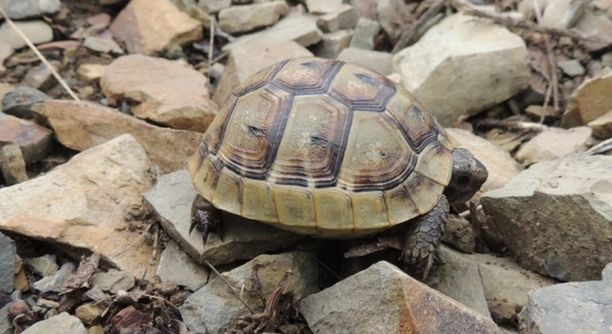
Bathing your Russian tortoise is an essential part of its care routine. Proper bathing helps maintain their health, hydration, and hygiene. It’s easy to do once you know the steps and the right technique for your tortoise.
To properly bathe a Russian tortoise, fill a shallow dish with warm water. Gently place your tortoise in the water, ensuring it’s comfortable and able to walk around. Keep the bath for about 10-15 minutes to hydrate your tortoise effectively.
Knowing how to bathe your tortoise properly is key to supporting its overall health. By following a simple routine, you can ensure it stays hydrated and happy.
Preparing for the Bath
Before you start, gather the necessary items for your Russian tortoise’s bath. You’ll need a shallow, clean dish or tub, warm water, and a towel. Ensure the water temperature is not too hot or cold—aim for around 85°F to 90°F. You don’t want it to be too deep, just enough for your tortoise to walk around comfortably.
Once everything is set up, carefully place the tortoise into the dish. Let it explore the water, but don’t force it to stay. Always supervise your tortoise while it’s in the water. This is a simple way to help hydrate your tortoise and keep it comfortable.
Having the right setup ensures your tortoise will enjoy its bath. You’ll be able to monitor the water temperature, and your tortoise will have a safe, relaxing time. Once it’s used to the bath, it will likely become an easy and stress-free experience.
Hydrating and Monitoring
The bath is mainly for hydration, and your tortoise will likely drink and hydrate itself while walking around. You’ll notice it occasionally dipping its head or licking the water.
While bathing, keep an eye on your tortoise. Ensure it doesn’t stay too long in the water. Ten to fifteen minutes is enough time for hydration without overwhelming your tortoise. If your tortoise seems too tired, gently lift it out of the water.
It’s important to regularly give your Russian tortoise baths for its hydration. Russian tortoises don’t naturally drink much from bowls, so the bath is one of the best ways to make sure they stay hydrated. By doing this regularly, your tortoise will stay healthy and active.
Drying Your Tortoise After the Bath
Once the bath is complete, gently remove your tortoise from the water. Use a soft towel to pat it dry. Make sure to dry the shell, limbs, and underside to prevent any moisture from causing irritation or mold.
Allow your tortoise to rest on the towel for a few minutes. This gives it time to adjust to the air temperature and fully dry off. Keep your tortoise in a warm, dry place afterward, away from drafts. Be sure it’s completely dry before putting it back in its enclosure.
If you’re concerned about moisture getting trapped under the shell or skin, consider placing your tortoise under a heat lamp for a few minutes. This will help ensure that the skin dries completely and prevent any discomfort. Regular drying helps maintain its overall health.
Frequency of Baths
Russian tortoises don’t need daily baths. Typically, they can be bathed once or twice a week. However, younger or more active tortoises may require more frequent bathing to stay hydrated.
Take note of your tortoise’s behavior and adjust bath frequency as needed. If your tortoise seems dehydrated, you can bathe it more often. You might also notice changes in its activity levels or appetite, which may indicate a need for more hydration.
By regularly monitoring your tortoise’s condition, you’ll find a schedule that works best for both of you. You don’t want to overdo it, but keeping the routine steady ensures proper hydration without causing stress.
Watch for Signs of Stress
Some tortoises may become stressed during their bath. Signs of stress include heavy breathing, hiding in the corner of the dish, or trying to climb out. If you notice these signs, remove your tortoise from the water immediately.
Stress can make a bath uncomfortable for your tortoise. Always be mindful of their reactions during the process. If your tortoise seems overly stressed, try shortening the bath time or adjusting the water temperature to see if it improves.
Post-Bath Care
After bathing, return your tortoise to its enclosure. Ensure it’s warm enough, as cold temperatures can cause stress. Your tortoise should be able to move freely and find a cozy spot to rest.
Make sure the enclosure’s humidity levels are appropriate to help maintain your tortoise’s health.
FAQ
How long should I bathe my Russian tortoise?
The ideal bath time for your Russian tortoise is around 10 to 15 minutes. This duration is long enough to help your tortoise hydrate but not too long to cause stress. If your tortoise seems uncomfortable or shows signs of stress, remove it sooner. Keep an eye on how it reacts, and adjust the timing accordingly. Some tortoises may enjoy longer baths, while others may prefer shorter ones.
Can I use soap when bathing my Russian tortoise?
No, soap should never be used when bathing a Russian tortoise. Soap can irritate their skin and disrupt their natural balance of bacteria. Stick to plain, clean water for their baths. Soap is unnecessary and could lead to skin issues or discomfort for your tortoise. Keep it simple with just water, and your tortoise will be much happier.
What if my Russian tortoise doesn’t want to bathe?
If your Russian tortoise refuses to bathe, it may just be unfamiliar with the process or stressed by the new experience. Try placing it gently in the water and allowing it time to get used to it. Avoid forcing the tortoise into the bath, as that can cause stress. If your tortoise still refuses, try again on a different day. It may take time for your tortoise to become comfortable with regular baths.
How can I tell if my Russian tortoise is dehydrated?
Signs of dehydration in Russian tortoises include dry or sunken eyes, a lack of appetite, and a more lethargic behavior. If your tortoise isn’t drinking from its water bowl, it may be a sign that it needs more frequent baths. Make sure to check the condition of its skin and eyes regularly, as dehydration can be serious. If you notice these signs, a bath could help hydrate your tortoise, but consider consulting a vet if dehydration persists.
Is it necessary to bathe a Russian tortoise every day?
No, it is not necessary to bathe your Russian tortoise every day. In fact, over-bathing can lead to stress and dehydration. Bathing once or twice a week is usually sufficient to keep your tortoise hydrated. However, younger tortoises or those that are more active may require more frequent baths. Pay attention to your tortoise’s needs and adjust bath frequency based on its behavior and hydration levels.
Can I bathe my Russian tortoise in cold water?
No, cold water is not recommended for your Russian tortoise’s bath. The water should be warm, around 85°F to 90°F, to help your tortoise stay comfortable and hydrated. Cold water can stress your tortoise, and may lead to health issues, especially if it is exposed to it for too long. Always check the temperature before putting your tortoise in the water.
What should I do if my tortoise stays in the water too long?
If your tortoise stays in the water for too long, carefully remove it and allow it to dry off. Prolonged exposure to water can cause stress, make your tortoise cold, or affect its skin. Make sure to monitor the bath time closely, and if you notice your tortoise is becoming too tired or unresponsive, take it out immediately. Allow it to warm up in a dry area.
Should I use a shallow or deep dish for the bath?
A shallow dish is best for bathing a Russian tortoise. The water should be deep enough for your tortoise to walk around comfortably but should never cover the shell completely. A shallow bath allows your tortoise to move freely and ensures it doesn’t feel trapped or overwhelmed. Avoid using a deep dish, as it can be stressful for your tortoise to navigate and could increase the risk of drowning if it gets stuck.
Can I bathe my Russian tortoise with other pets?
It is not recommended to bathe your Russian tortoise with other pets. Bathing multiple animals together could cause stress, and there’s also a risk of transferring harmful bacteria between species. Always bathe your tortoise separately to ensure it stays calm and safe during the bath. This also makes cleaning easier since you won’t have to worry about other animals affecting the water.
What should I do if my Russian tortoise seems stressed during a bath?
If your tortoise seems stressed during a bath, remove it from the water immediately. Try placing it on a towel and allow it to calm down. Ensure the water temperature is ideal and consider shortening the bath duration. It’s important to never force your tortoise into the water. Some tortoises may need time to adjust to baths, and gradually increasing the bath time can help.
What can I do if my Russian tortoise won’t drink water from its bowl?
If your Russian tortoise won’t drink from its water bowl, a bath can help hydrate it. Russian tortoises often prefer drinking while in water. Ensure the bowl is always clean and filled with fresh water. Sometimes, they just need the extra hydration from a bath to maintain their health.
Final Thoughts
Bathing your Russian tortoise is a simple but important part of its care routine. It helps ensure proper hydration, which is essential for its overall health. By following the right steps, such as using warm water and keeping bath time to a reasonable length, you can make the experience both comfortable and beneficial for your tortoise. Regular baths can also help keep your tortoise’s shell clean and free from debris, promoting better hygiene. Overall, it’s a small task that goes a long way in maintaining your tortoise’s health and well-being.
It’s important to remember that not all tortoises will react the same way to bathing. Some may enjoy the water and become quite comfortable in it, while others may be more reluctant. If your tortoise seems stressed, adjust the bath routine accordingly. You might want to shorten the bath time or give it more time to adjust to the process. Every tortoise is different, so finding a method that works for both of you is key. If needed, consult a vet for advice on hydration or bathing practices specific to your tortoise’s needs.
Consistency is key to ensuring your tortoise stays hydrated and healthy. While it’s not necessary to bathe your tortoise every day, regular baths should be part of its care routine. Pay attention to any signs of dehydration or discomfort, and make adjustments to the bath schedule if necessary. By keeping your Russian tortoise hydrated, stress-free, and clean, you’ll help it lead a healthier and happier life. With patience and the right care, you’ll establish a bath routine that works well for both you and your pet.

Hello,
If you enjoy the content that we create, please consider saying a "Thank You!" by leaving a tip.
Every little bit helps us continue crafting quality advice that supports the health, happiness, and well-being of pets around the world, for pets of all shapes, sizes, and species.
We really appreciate the kindness and support that you show us!