
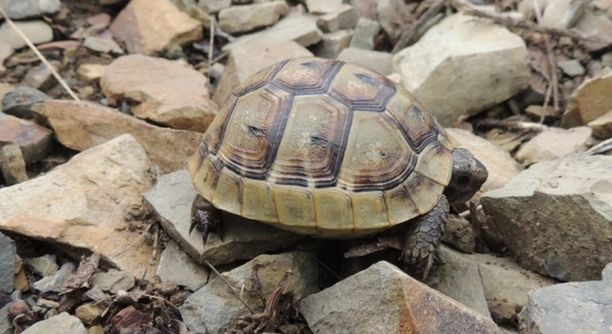
Russian tortoises are known for their hardy and durable shells, but sometimes, owners notice that their pet’s shell seems softer than usual. Understanding the reasons behind this can help ensure their well-being.
The most common reason for a soft shell in Russian tortoises is a lack of calcium or improper lighting. Calcium is essential for shell development, and without proper UVB exposure, they can’t absorb calcium effectively, leading to shell softness.
Knowing how to fix the issue of a soft shell will help keep your tortoise healthy. Keep reading to learn more about the factors that contribute to this concern and how you can address them.
Lack of Proper UVB Lighting
Tortoises rely on UVB light to help them process and absorb calcium properly. Without adequate UVB exposure, their shells may become soft, as they cannot absorb calcium from their diet effectively. In the wild, tortoises naturally get UVB light from the sun. However, indoor tortoises often need specialized lighting to mimic this. If your tortoise is housed indoors, make sure the UVB light source is positioned correctly and is of the right strength. Check the bulb’s life, as UVB bulbs lose their effectiveness after several months, even if they still emit visible light.
The UVB light should be on for about 10 to 12 hours a day, simulating a natural day-night cycle.
In addition to UVB exposure, ensure that the light is not too far from the tortoise. Place the light source within 12 inches of their habitat. For better results, use a combination of UVB and heat lamps to regulate both light and temperature. These factors combined will help maintain your tortoise’s shell health.
Inadequate Diet
A balanced diet plays a significant role in keeping your Russian tortoise healthy.
If your tortoise isn’t getting enough calcium, this could lead to weakened shells. Vegetables such as collard greens, kale, and dandelion greens are excellent sources of calcium. Supplementing their food with calcium powder, especially during times of growth or egg-laying, is essential. Be careful not to overfeed them with high-phosphorus foods, like spinach, as these can block calcium absorption. If a tortoise isn’t getting the proper nutrition, it may start to show signs of a soft shell. Always provide a variety of foods to mimic their natural diet.
Make sure to feed your tortoise enough vegetables that are rich in calcium. In addition, some owners offer cuttlefish bone or calcium blocks to their tortoises as a natural calcium supplement. Proper feeding habits go a long way in helping your tortoise maintain strong and healthy shells.
Improper Temperature
Temperature plays an important role in your tortoise’s overall health. If the temperature in their habitat is too low or too high, it can affect their ability to properly digest food and absorb nutrients, leading to a soft shell.
A proper temperature range for a Russian tortoise is between 75°F and 85°F during the day, with a basking spot reaching 90°F. It’s essential to keep the enclosure warm but not too hot. Providing a temperature gradient allows your tortoise to regulate its body temperature. Too much heat can also cause dehydration, so make sure they have a cooler area to retreat to when needed.
Temperature extremes can slow down your tortoise’s metabolism and cause them to become lethargic. This lack of activity can contribute to a softening of their shell. A consistent temperature within the recommended range will help your tortoise stay active and support healthy shell growth.
Overhydration or Dehydration
Water is important for your tortoise, but too much or too little can have negative effects. Dehydration can lead to shell problems, while overhydration can cause them to become bloated and stressed.
Tortoises need to be hydrated but not sitting in water for long periods. The best approach is to provide fresh water daily in a shallow dish for them to drink from. You should soak your tortoise in warm water every few days, but make sure the water isn’t too deep. Dehydration often leads to issues like soft or brittle shells.
If your tortoise is showing signs of dehydration, such as lethargy or dry skin, increase the frequency of soaks and monitor their water intake. Overhydration can also create skin and shell problems, so avoid soaking them for too long. Finding the right balance of hydration is key to preventing soft shells and maintaining overall health.
Health Problems
Health issues like metabolic bone disease (MBD) are common reasons for soft shells. MBD occurs when a tortoise’s body lacks enough calcium and vitamin D3, leading to weakened bones and shells.
The main cause of MBD is poor diet and lack of UVB lighting. If not treated, it can worsen and lead to deformities. If your tortoise has a soft shell, a visit to the vet is necessary for proper diagnosis and treatment.
Stress
Stress can negatively impact your tortoise’s shell. Factors like overcrowding, poor habitat conditions, or constant handling can cause stress, affecting their overall health.
Tortoises under stress are less likely to eat properly, which can affect calcium absorption. To reduce stress, provide a spacious and safe habitat with hiding spots. Avoid disturbing your tortoise too much, as this could lead to further health issues.
FAQ
What should I do if my Russian tortoise’s shell is soft?
If your Russian tortoise’s shell is soft, the first step is to review its habitat conditions. Make sure the UVB light is functioning properly and your tortoise is getting enough calcium. You may need to adjust the temperature in their enclosure to ensure it stays within the right range. Also, check their diet to ensure it is calcium-rich, and consider offering calcium supplements if needed. If the soft shell persists, consult a veterinarian who can provide a diagnosis and treatment plan.
Can I fix my tortoise’s soft shell at home?
Yes, in many cases, you can help fix a soft shell at home by improving the habitat and diet. Ensure the UVB lighting is adequate and the temperature is correct. A calcium-rich diet, supplemented with calcium powder, is crucial. However, if the soft shell is caused by a health issue like metabolic bone disease, veterinary treatment is necessary.
How long does it take for a tortoise’s shell to harden?
The time it takes for a tortoise’s shell to harden depends on the severity of the issue. If the problem is due to diet or lighting, it may take several weeks to a few months of consistent care before improvement is noticeable. In more severe cases, it could take longer or require professional care.
Can a soft shell be dangerous for my tortoise?
Yes, a soft shell can be dangerous for your tortoise. Without a strong shell, they are more vulnerable to injury and infection. A soft shell can also impact their ability to move around effectively, which may affect their overall health and quality of life. If untreated, soft shells can lead to further health complications.
How can I prevent my tortoise from developing a soft shell?
To prevent your tortoise from developing a soft shell, make sure they receive adequate UVB exposure, a balanced calcium-rich diet, and the correct temperature in their habitat. Regular soaking, proper hydration, and limiting stress are also important. A routine checkup with the vet will help catch any potential health problems early.
Can I use a regular light bulb instead of a UVB light?
No, a regular light bulb will not provide the necessary UVB radiation that your tortoise needs. UVB light is crucial for calcium absorption and shell health. You must use a specific UVB light bulb designed for reptiles. These bulbs are available at pet stores and should be replaced every 6 to 12 months, even if they still appear to work.
What are the signs of dehydration in a Russian tortoise?
Signs of dehydration in a Russian tortoise include lethargy, sunken eyes, dry skin, and a lack of appetite. You may also notice that their shell looks more brittle or wrinkled than usual. If you suspect dehydration, soak your tortoise in warm water for 20 to 30 minutes and offer fresh water. If symptoms persist, consult a veterinarian.
Can stress cause a soft shell in my tortoise?
Yes, stress can contribute to health issues, including a soft shell. Tortoises under stress may eat less, which can affect calcium intake and overall shell development. Stress can be caused by factors like a noisy environment, improper habitat setup, or excessive handling. Reducing stress can help improve your tortoise’s health and shell condition.
What is the best calcium supplement for a tortoise?
The best calcium supplement for a tortoise is one that is calcium carbonate or calcium citrate-based. These supplements are easily absorbed by reptiles. It’s important to choose a supplement that also contains vitamin D3, as it helps the tortoise absorb calcium effectively. Always follow the recommended dosage for your tortoise’s size and age.
How often should I soak my tortoise in water?
Soaking your tortoise once or twice a week is usually enough to ensure proper hydration. However, if you notice signs of dehydration, you may need to soak them more often. Make sure the water is warm but not too hot, and the tortoise should not be submerged too deep—just enough to soak their legs and body.
Do Russian tortoises need a basking spot?
Yes, Russian tortoises need a basking spot. It provides them with the heat they need to digest food properly, absorb calcium, and maintain overall health. The basking area should be around 90°F, which can be achieved using a heat lamp. Ensure there is a cooler area in the enclosure as well so your tortoise can regulate its body temperature.
What type of food should I feed my Russian tortoise?
A Russian tortoise’s diet should consist mainly of leafy greens like collard greens, kale, and dandelion greens. You can also feed them some vegetables like squash and carrots, but avoid high-phosphorus foods like spinach, which can block calcium absorption. Occasionally, you can provide fruit, but it should not make up more than 5% of their diet. A varied diet will help ensure they get all the nutrients they need.
How do I know if my tortoise is getting enough calcium?
If your tortoise is getting enough calcium, you should notice healthy shell growth, a firm and smooth shell texture, and overall good health. If your tortoise has a soft shell, is lethargic, or shows signs of metabolic bone disease, it may be a sign that they aren’t getting enough calcium. Supplementing with a calcium powder can help in such cases, but always check with a veterinarian if you’re unsure.
What are the symptoms of metabolic bone disease?
Symptoms of metabolic bone disease (MBD) include a soft or rubbery shell, deformities, lethargy, and difficulty moving. A tortoise suffering from MBD may also experience twitching or trembling in their limbs. This condition is caused by a lack of calcium and vitamin D3 and can be fatal if not treated. Immediate veterinary attention is necessary to manage MBD.
Can I use a heat mat for my tortoise’s habitat?
Heat mats can be used in a tortoise’s habitat, but they should not be the sole source of heat. They can be placed under part of the tank to provide warmth to the substrate, but a heat lamp is essential to ensure your tortoise has a basking spot at the right temperature. Keep the heat mat on the floor, away from the tortoise’s direct contact, to avoid burns.
Should I keep my tortoise indoors or outdoors?
It depends on the climate. If you live in an area with mild, stable temperatures, you can keep your tortoise outdoors during the day in a secure, enclosed space. However, for most pet owners, keeping their Russian tortoise indoors is the safest option. An indoor enclosure with the proper lighting, temperature, and humidity is easier to control.
When it comes to caring for your Russian tortoise, providing the right environment is essential for their health. A soft shell can be a sign that something is off in their habitat, diet, or overall care. It’s important to understand the factors that contribute to this issue, such as insufficient UVB light, a lack of calcium, improper temperature, or dehydration. By making small adjustments to these areas, you can greatly improve the condition of your tortoise’s shell and overall well-being.
Addressing the problem of a soft shell isn’t always complicated. Start by checking the basics, like the quality and position of your UVB lighting. Make sure your tortoise is getting enough calcium-rich foods and supplements to support their shell development. Temperature control is another crucial factor, as tortoises need a warm basking area and cooler spots for balance. Regularly monitor your tortoise’s hydration levels, ensuring they have access to fresh water and occasional soaking when necessary. Taking these steps will ensure a more comfortable, healthy life for your pet.
Lastly, if you notice that your tortoise’s shell remains soft despite making these changes, it’s important to consult a veterinarian. Health issues like metabolic bone disease may require professional treatment and care. Regular vet checkups can help catch any underlying conditions early. With proper care and attention to these factors, your Russian tortoise will thrive, and their shell will become strong and healthy again.

Hello,
If you enjoy the content that we create, please consider saying a "Thank You!" by leaving a tip.
Every little bit helps us continue crafting quality advice that supports the health, happiness, and well-being of pets around the world, for pets of all shapes, sizes, and species.
We really appreciate the kindness and support that you show us!