
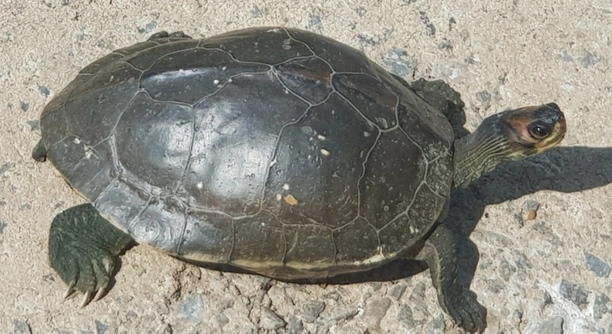
Shell pyramiding is a common health concern for Indian Roofed Tortoises. This condition causes the tortoise’s shell to develop uneven, pyramid-like growths, leading to discomfort and potential health issues. Understanding how to prevent this is essential for proper care.
To prevent shell pyramiding in Indian Roofed Tortoises, it is crucial to provide them with a balanced diet, proper UVB lighting, and adequate space for movement. These factors help maintain healthy shell growth and prevent deformities over time.
By following these simple tips, you can keep your tortoise’s shell healthy and smooth. Learning more about how to care for your tortoise will support their long-term well-being.
Understanding Shell Pyramiding in Indian Roofed Tortoises
Shell pyramiding in Indian Roofed Tortoises is an abnormal growth pattern that affects the shape of their shell. Instead of growing evenly, the shell develops pyramid-like bumps. This condition can cause discomfort and even affect the tortoise’s overall health. The primary cause of shell pyramiding is often linked to improper diet, lack of UVB exposure, and limited space for movement.
When tortoises are fed a poor diet lacking essential nutrients, it can interfere with their growth and development. Additionally, insufficient UVB light can affect their ability to process calcium, leading to deformities. Inadequate space prevents tortoises from moving freely, which also contributes to shell malformation. These factors are all interconnected, so it’s important to address each one to prevent pyramiding.
Tortoises need a well-rounded diet rich in calcium and other vitamins. Additionally, providing them with access to natural sunlight or proper artificial UVB lighting is essential. Ensuring your tortoise has a large, clean space to roam and exercise will support their health and prevent deformities in their shell.
Proper Diet for Your Tortoise
A well-balanced diet is crucial for maintaining your tortoise’s health and preventing shell pyramiding.
Feed your tortoise a variety of leafy greens, vegetables, and occasional fruits. Ensure that the diet is rich in calcium and low in phosphorus to encourage proper shell growth. Additionally, offering a calcium supplement can help prevent deficiencies that may lead to pyramiding.
Tortoises need more than just basic nutrition to thrive. The right balance of food helps them maintain strong bones and a smooth, healthy shell. Without it, deficiencies can quickly show up as deformities.
UVB Lighting for Healthy Shell Growth
UVB lighting is a vital part of preventing shell pyramiding.
Without adequate UVB exposure, tortoises cannot properly process calcium, which is essential for strong, healthy shells. The lack of UVB light disrupts calcium absorption, leading to deformities such as pyramiding. In the wild, tortoises get UVB from natural sunlight, but in captivity, proper lighting is necessary.
UVB lights should be replaced every 6 months to ensure they remain effective. The light should be placed close enough to the tortoise to mimic sunlight, but not so close that it could cause burns. Make sure your tortoise has access to UVB for around 12 hours a day.
Space to Roam and Exercise
Providing ample space for your tortoise to move is essential for their physical and shell health.
If your tortoise is confined to a small area, it may not get the exercise it needs to develop a healthy shell. Limited movement can contribute to poor growth patterns, including shell pyramiding. A larger space allows your tortoise to roam, stretch its legs, and get the exercise it needs to stay healthy.
Creating an enriched environment with obstacles like rocks, logs, and plants encourages your tortoise to explore and remain active. A spacious habitat also helps reduce stress, which can have negative effects on your tortoise’s overall well-being.
Proper Humidity Levels
Maintaining the right humidity levels is key to your tortoise’s shell health.
Tortoises need humidity to help shed their skin and keep their shells in good condition. If the environment is too dry, it can cause issues with their overall health, including shell deformities. Aim for 50-60% humidity.
To maintain the correct humidity, consider using a hygrometer to measure moisture levels. You can increase humidity by misting the enclosure or adding a shallow water dish. Avoid excessive moisture, which can lead to respiratory problems.
Regular Shell Inspection
Regularly checking your tortoise’s shell for early signs of pyramiding is crucial.
If you notice any bumps or changes in the shape of their shell, address the issue right away. Early detection can help you adjust their diet, lighting, and habitat before things get worse.
Checking their shell helps you stay on top of any health concerns, ensuring that your tortoise gets the proper care. If you spot any abnormalities, consult a veterinarian to prevent further complications.
FAQ
What causes shell pyramiding in Indian Roofed Tortoises?
Shell pyramiding is usually caused by a combination of factors, including improper diet, lack of UVB exposure, and insufficient space for exercise. A poor diet, especially one lacking in calcium, can lead to shell deformities. Without enough UVB light, the tortoise struggles to absorb calcium, which is essential for shell growth. Lack of exercise due to limited space also contributes to abnormal shell development.
How can I prevent shell pyramiding?
To prevent shell pyramiding, it’s essential to provide a balanced diet rich in calcium and other nutrients. Ensure your tortoise has access to proper UVB lighting for at least 12 hours a day, and make sure the light is close enough to mimic sunlight. Providing a large, spacious environment for your tortoise to move freely will also support healthy shell growth. Regular monitoring of your tortoise’s shell and general health is important to catch any early signs of pyramiding.
Can shell pyramiding be fixed once it has started?
Once pyramiding has occurred, it cannot be reversed. However, you can prevent further damage by adjusting the care routine. By providing a proper diet, proper UVB exposure, and plenty of space, you can stop the condition from getting worse. Early intervention can prevent additional deformities. If the pyramiding is severe, consult a veterinarian who may offer additional treatments to support your tortoise’s overall health.
How do I know if my tortoise is getting enough UVB light?
You can tell if your tortoise is receiving enough UVB light by monitoring its behavior and shell growth. If your tortoise is inactive, lethargic, or shows signs of soft or deformed shells, it might not be getting enough UVB. UVB lights should be replaced every 6 months to maintain their effectiveness. Also, ensure that the light is at the proper distance from your tortoise and that they have access to it for at least 12 hours a day.
What are the signs of shell pyramiding in tortoises?
Signs of shell pyramiding include bumps or ridges on the shell that form a pyramid-like shape. These deformities usually appear as the tortoise grows, particularly if its diet or living conditions are not optimal. The shell may become more pointed instead of growing smoothly. Regular inspections of your tortoise’s shell will help detect early signs of this condition.
Is it possible to overfeed my tortoise?
Yes, overfeeding can cause health problems for your tortoise, including obesity and shell deformities. Overfeeding leads to an imbalance in their diet and may increase the likelihood of shell pyramiding. It’s important to feed your tortoise the right portions and avoid offering too many fatty foods or excessive fruit. Stick to a varied, nutrient-rich diet with a focus on leafy greens and appropriate vegetables.
How often should I replace the UVB bulb?
UVB bulbs lose their effectiveness over time, even if they still emit visible light. It’s recommended to replace your UVB bulb every 6 months to ensure your tortoise gets the necessary UVB exposure. If you’re using a compact fluorescent bulb, you may need to replace it more frequently, as they tend to lose their effectiveness faster than other types of bulbs.
Can humidity affect shell growth?
Yes, humidity plays a role in your tortoise’s health and shell growth. If the environment is too dry, it can prevent your tortoise from shedding properly and may cause their skin to become dry and flaky. While humidity doesn’t directly cause pyramiding, it can contribute to other health issues that may affect the shell. Aim to keep the humidity levels around 50-60% for Indian Roofed Tortoises, and monitor the humidity regularly.
How much space does my tortoise need?
Tortoises require a large space to roam and exercise. A small enclosure can limit their movement, leading to poor shell development. Aim for a minimum of 4×8 feet of space for an adult tortoise. The more room they have to move around, the better their overall health will be. You can use a larger enclosure if possible to help promote their physical activity.
Is there a specific temperature range I need to maintain for my tortoise?
Yes, temperature plays a significant role in your tortoise’s overall health. The basking area should be around 90°F (32°C), and the cooler side of the enclosure should be around 75°F (24°C). Nighttime temperatures can drop to around 70°F (21°C). A temperature gradient allows your tortoise to regulate its body heat, which supports digestion and overall well-being. Make sure to use a reliable thermometer to monitor the temperatures within the enclosure.
What should I do if my tortoise is showing signs of pyramiding?
If you notice signs of pyramiding, the first step is to assess your tortoise’s diet, UVB lighting, and living conditions. Adjust their care routine to ensure they receive proper nutrition, adequate UVB exposure, and plenty of space for exercise. Regularly inspect their shell and seek advice from a veterinarian if the condition seems to worsen. Early intervention can help prevent further damage and improve your tortoise’s health.
Can pyramiding affect my tortoise’s overall health?
Yes, shell pyramiding can affect your tortoise’s overall health. While pyramiding itself doesn’t typically cause pain, it is often a sign of underlying health issues, such as poor diet or improper lighting. These issues can lead to further complications, including weakened bones, difficulty with mobility, and even internal health problems. It’s essential to address pyramiding early to maintain your tortoise’s overall well-being.
Final Thoughts
Preventing shell pyramiding in Indian Roofed Tortoises is a combination of understanding their needs and providing the right environment. A well-balanced diet, proper UVB lighting, and adequate space to roam are the key factors to ensure your tortoise’s shell grows smoothly. If any of these elements are lacking, it could lead to shell deformities, including pyramiding. The condition is often preventable, but once it develops, it can’t be fully reversed, so early prevention is essential.
Keeping your tortoise’s shell healthy requires consistent care. The most important thing is to make sure their diet includes enough calcium and other essential nutrients to promote proper shell growth. Along with that, providing a proper UVB light source ensures your tortoise can absorb the calcium they need. The right amount of exercise and space to move around will also help in the prevention of shell issues. It’s also vital to check your tortoise regularly for any signs of shell abnormalities. Early detection can make a big difference in treatment.
If you notice any signs of shell pyramiding or other health concerns, don’t hesitate to consult a vet. It’s always better to seek professional advice than to risk your tortoise’s health. By maintaining the correct conditions and taking preventive steps, you can help your tortoise live a long, healthy life with a smooth and strong shell.

Hello,
If you enjoy the content that we create, please consider saying a "Thank You!" by leaving a tip.
Every little bit helps us continue crafting quality advice that supports the health, happiness, and well-being of pets around the world, for pets of all shapes, sizes, and species.
We really appreciate the kindness and support that you show us!