
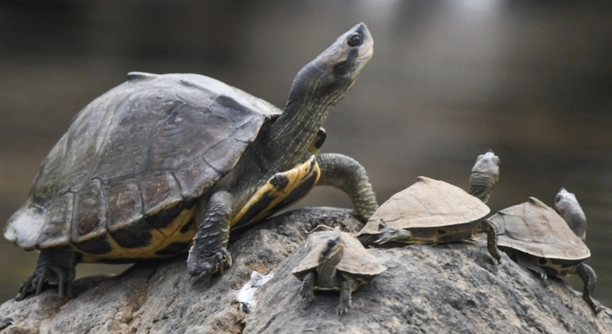
When looking to buy an Indian Roofed Tortoise, it’s important to understand the essential factors that influence their well-being. This can ensure you provide them with a proper environment and care, making them a good companion for years.
When buying an Indian Roofed Tortoise, you should consider factors like its age, health, diet, and the habitat it will require. It’s crucial to ensure it has no visible health issues and is from a reputable breeder or rescue organization.
Choosing the right tortoise will ensure a happy and healthy companion for many years. Knowing what to look for helps avoid common issues and provides your tortoise with the care it deserves.
1. Age of the Indian Roofed Tortoise
When considering the age of an Indian Roofed Tortoise, keep in mind that younger tortoises are easier to care for as they are more adaptable. However, older tortoises may have health concerns and require special attention. It’s essential to buy from a trusted breeder who can provide you with the tortoise’s age and background. Many breeders offer a record of the animal’s hatch date or its approximate age, which helps assess its health. A tortoise’s age can also affect its diet, habitat needs, and overall behavior, so be sure to inquire about these aspects before making your purchase.
It’s vital to note that age impacts the size and dietary requirements of the tortoise. Older tortoises may need a larger enclosure with access to more space and varied food sources. Always consider how much space you have to offer when buying an older tortoise.
A younger tortoise can be easier to bond with and care for since it is still adjusting to its environment. These younger tortoises are typically more active and interactive, which can be a rewarding experience. On the other hand, an older tortoise may be more settled in its ways and not as playful, but it often brings with it years of experience and a calmer nature. Be sure to weigh the pros and cons before deciding which age best fits your lifestyle.
2. Health and Condition
Ensuring that the tortoise is healthy is one of the most crucial factors to consider when purchasing one. A healthy tortoise will have clear, bright eyes, smooth, undamaged shell, and active behavior. Avoid any tortoises with signs of injury, swelling, or discharge from the eyes or nose. A healthy tortoise will also have a well-shaped shell, without any cracks or deformities.
Before purchasing, make sure the seller provides health records, including any recent vet checkups. It’s also essential to look for any signs of parasites, such as abnormal shedding or lethargy. Taking time to assess these conditions can prevent health problems later on.
One way to check the health of an Indian Roofed Tortoise is to observe its movement. If it is sluggish or doesn’t respond to your presence, it might be unwell. Also, pay attention to its shell. A healthy tortoise has a smooth shell without visible cracks, pits, or sores. In addition, a healthy tortoise will be alert, with no signs of nasal discharge or labored breathing. Proper health checks can avoid potential issues, helping you start on the right foot.
3. Diet and Feeding
The diet of an Indian Roofed Tortoise is essential for its health. Before buying, make sure you understand its nutritional needs. These tortoises primarily eat a variety of leafy greens, grasses, and some fruits. Be prepared to offer a diet rich in fiber and low in protein.
An improper diet can lead to shell deformities or health issues like obesity. Make sure the tortoise has been fed a balanced diet before purchasing. You can ask the breeder or seller about the current feeding routine. Ensure the tortoise isn’t being overfed or underfed, as both can lead to serious health problems.
Knowing how to feed your new tortoise properly is essential for its long-term health. A healthy tortoise will have a shiny, smooth shell and bright eyes. Providing the right foods can help keep the tortoise energetic and active. Avoid feeding too many high-calcium foods, as it can cause issues like kidney damage. Regular, fresh offerings will help prevent deficiencies and contribute to overall wellness.
4. Habitat and Enclosure
Make sure you have a suitable habitat before bringing an Indian Roofed Tortoise home. These tortoises need a warm, dry environment with access to natural sunlight. A spacious outdoor enclosure or a large indoor pen can work, depending on your living situation.
An outdoor habitat should have a warm area for basking and a cooler area for hiding. It’s crucial to ensure the enclosure is escape-proof. The tortoise should also have access to clean water at all times. If you keep it indoors, a heated enclosure with UVB lighting will mimic natural sunlight, which is essential for their health.
The enclosure needs to be safe from predators and secure enough to keep your tortoise from wandering. Indian Roofed Tortoises thrive in environments with natural elements like rocks, plants, and places to burrow. Without these features, they may become stressed or inactive. Additionally, avoid placing your tortoise in a cramped space, as it can hinder its movement and growth. The more natural and comfortable its environment, the happier and healthier your tortoise will be.
5. Behavior and Temperament
Indian Roofed Tortoises are generally calm and docile but can be shy. They tend to avoid direct contact, especially when they are new to their environment. It’s important to give them time to adjust. Their behavior can vary based on age and health.
Before buying, observe how the tortoise interacts with its surroundings. If it’s extremely aggressive or overly timid, there might be underlying health or environmental issues. A healthy tortoise should have a curious nature and show some interest in its surroundings.
6. Breeder Reputation
The reputation of the breeder matters when purchasing an Indian Roofed Tortoise. Choose breeders who follow ethical practices and are knowledgeable about their animals. Always ask for references or reviews.
A reputable breeder will provide you with details about the tortoise’s lineage, health history, and proper care. They should be transparent about any potential issues or concerns with the tortoise.
7. Legal Considerations
Before purchasing an Indian Roofed Tortoise, check your local laws and regulations. In some areas, certain species may require permits or may be restricted.
Ensure you are legally allowed to own this type of tortoise. Ignoring legal requirements can lead to fines or complications, so always do your research beforehand.
FAQ
1. How long do Indian Roofed Tortoises live?
Indian Roofed Tortoises can live for around 50 to 80 years, depending on the care they receive. With proper nutrition, a safe habitat, and regular veterinary checkups, they can live a long and healthy life. The longevity of these tortoises makes them a long-term commitment, so be prepared for the responsibility.
2. What size enclosure do they need?
The minimum recommended size for an adult Indian Roofed Tortoise’s enclosure is 8 feet by 4 feet. However, the larger the space, the better. An outdoor enclosure with room to roam and bask in the sun is ideal. If you’re keeping it indoors, make sure to provide a large enough area with proper lighting and temperature control.
3. Can Indian Roofed Tortoises be kept indoors?
Yes, Indian Roofed Tortoises can be kept indoors, but you must replicate outdoor conditions as closely as possible. This includes providing a heated space, UVB lighting, and a spacious enclosure. It’s important to monitor temperature and humidity levels to ensure they stay within the appropriate range for their health.
4. What should I feed my Indian Roofed Tortoise?
Indian Roofed Tortoises are herbivores and primarily eat leafy greens, grasses, and flowers. You can offer them romaine lettuce, dandelion greens, kale, and hibiscus flowers. Make sure to avoid feeding them too many high-protein foods like animal-based protein or fruit, as these can lead to health issues.
5. How do I know if my tortoise is sick?
Signs of illness in an Indian Roofed Tortoise include lethargy, lack of appetite, nasal discharge, swollen eyes, or abnormal behavior. If you notice any of these symptoms, it’s important to consult a veterinarian who specializes in reptiles. Early detection of health issues can prevent more serious conditions.
6. Do Indian Roofed Tortoises need water?
Yes, Indian Roofed Tortoises need access to clean water at all times. Although they are not aquatic, they drink water and may soak in it occasionally. It’s important to provide shallow, clean water in a dish that’s easy for the tortoise to access.
7. Can I handle my Indian Roofed Tortoise?
Indian Roofed Tortoises can tolerate some handling, but they generally prefer to be left alone. When handling, make sure to support their body properly to avoid stress or injury. If you’re new to tortoises, avoid excessive handling until they become comfortable with their environment.
8. How do I provide UVB light for my tortoise?
UVB lighting is essential for an Indian Roofed Tortoise to process calcium and prevent shell deformities. Place a UVB bulb over their basking area, ensuring it is no more than 12 inches away from the tortoise. Replace the UVB bulb every six months to ensure it remains effective.
9. Is it necessary to give my tortoise a basking area?
Yes, a basking area is essential. Indian Roofed Tortoises need a warm space where they can regulate their body temperature. The basking area should be around 90°F to 100°F, allowing the tortoise to soak up heat and digest food properly.
10. How often should I clean my tortoise’s enclosure?
You should clean your tortoise’s enclosure regularly, at least once a week. This involves removing uneaten food, changing the water, and cleaning the substrate. A deep clean should be done once a month, where you disinfect the entire enclosure to remove bacteria or parasites.
11. Can I keep more than one tortoise together?
It’s possible to keep more than one Indian Roofed Tortoise together, but they should be introduced carefully. Be mindful of their individual personalities, as some may become territorial. Always ensure they have enough space to avoid stress or aggression. If you’re unsure, it’s better to keep them separately.
12. Do I need to give my tortoise a heat source?
Yes, you will need a heat source to keep your tortoise comfortable. A heat lamp or ceramic heat emitter can be used to maintain the temperature in the basking area. Without proper heat, your tortoise may not be able to digest food or stay active.
13. What temperature should the enclosure be?
The ideal temperature for an Indian Roofed Tortoise’s enclosure should range between 75°F to 85°F during the day, with a basking area reaching 90°F to 100°F. At night, the temperature can drop to around 70°F, but it should never dip below 60°F.
14. Can Indian Roofed Tortoises hibernate?
Indian Roofed Tortoises do not hibernate in the same way some other species do. However, they may enter a period of dormancy during colder months. It’s important to ensure the tortoise remains warm and healthy during this time and consult a vet if it’s not eating or moving.
15. Are Indian Roofed Tortoises easy to care for?
Indian Roofed Tortoises are relatively low-maintenance but require a well-maintained habitat and a proper diet. While they are not as demanding as some pets, they do require consistent care and attention. Their longevity and specific needs make it important to be prepared for a long-term commitment.
16. Can I feed my tortoise fruit?
Fruit should only be fed to Indian Roofed Tortoises in moderation. While some fruits, like berries and melon, can be a healthy treat, they should not make up the majority of their diet. Excessive fruit can lead to health problems like obesity or digestive issues.
17. How do I handle a baby tortoise?
Baby tortoises are fragile, so it’s essential to handle them gently and with care. Always support their shell and never pick them up by the legs or head. Keep handling sessions brief to minimize stress, and give them time to acclimate to their new environment.
Final Thoughts
When buying an Indian Roofed Tortoise, it’s important to understand the long-term responsibility involved in caring for one. These tortoises can live for many decades, so they require proper care, attention, and a suitable habitat. Ensuring that you have the space, time, and resources to care for them is essential before bringing one into your home. Their diet, health, and living conditions all play a significant role in their overall well-being, so be prepared to meet those needs for the long haul.
It’s also important to remember that Indian Roofed Tortoises, like any pet, can experience health issues, and it’s your job to spot these problems early. Being proactive about their health and making sure you visit a vet if needed can help avoid serious conditions. The right diet, UVB light, and proper temperature are all essential parts of keeping them healthy and happy. The more you know about their needs, the easier it will be to create an environment where they can thrive.
Lastly, make sure to do your research and choose a reputable breeder or rescue organization. The health and well-being of the tortoise should always come first, and buying from a reliable source will ensure that you are getting an animal that has been properly cared for. By being well-prepared and informed, you can provide your Indian Roofed Tortoise with a safe, loving environment that supports a long, healthy life. The joy and satisfaction of caring for a tortoise are well worth the effort, and with the right approach, you can enjoy many years with your new companion.

Hello,
If you enjoy the content that we create, please consider saying a "Thank You!" by leaving a tip.
Every little bit helps us continue crafting quality advice that supports the health, happiness, and well-being of pets around the world, for pets of all shapes, sizes, and species.
We really appreciate the kindness and support that you show us!