
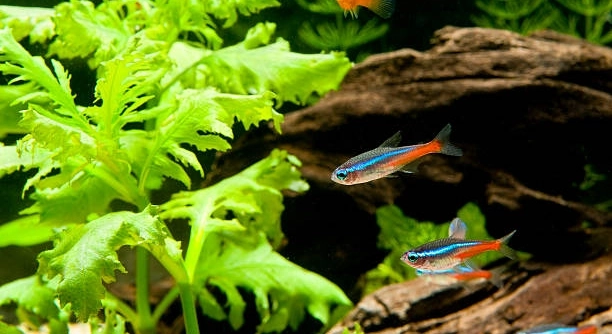
Are your neon tetras suddenly acting strange, looking pale, or spending too much time near the surface of the water? These signs could mean more than just stress or poor water conditions inside the tank.
The most effective way to prevent Neon Tetra Tank Syndrome is by maintaining consistent water quality, avoiding sudden changes in parameters, and providing a stable, stress-free environment through regular monitoring, quarantine practices, and thoughtful tank management.
Understanding these proactive steps will help you keep your neon tetras healthy, vibrant, and thriving in their aquatic home for years to come.
Maintain Stable Water Parameters
Keeping the water conditions steady is one of the most important ways to protect your neon tetras from tank syndrome. These fish are sensitive to sudden changes, especially in pH, ammonia, nitrite, and nitrate levels. To avoid issues, use a reliable test kit weekly and adjust slowly if parameters shift. Make sure the temperature stays consistent, ideally between 72°F and 78°F. Any drastic variation in temperature or chemistry can cause unnecessary stress. Stress weakens the immune system and increases the risk of illness. Add live plants if possible, as they help balance the tank naturally. Avoid overcrowding, and do not overfeed, since excess food can lead to ammonia spikes. A clean, balanced tank gives your tetras the best chance at staying healthy and active every day.
Even small changes in water conditions can stress your fish, so monitor everything regularly to avoid sudden shifts in the tank environment.
When fish live in an unstable setup, their health begins to deteriorate quickly. You might notice your tetras hiding more often, showing faded colors, or having trouble swimming. These signs can mean their environment is not supporting them well. Keep your filter in good working condition and clean it as directed—usually once a month, depending on your tank size. Use a gravel vacuum during water changes to remove any waste trapped at the bottom. Always treat tap water with a dechlorinator before adding it to the tank. Creating a safe and reliable home through consistent maintenance is a simple but powerful way to avoid problems down the line.
Quarantine New Fish
Any new fish should be quarantined for at least two weeks before entering your main tank. This helps prevent the spread of potential infections or parasites that can harm your current fish.
A separate quarantine tank is essential for keeping your community healthy. Choose a small, bare-bottom tank with a filter and heater to match the main setup’s temperature and water parameters. Watch the new fish closely during this time for signs of disease—such as frayed fins, rapid breathing, or white spots. Treat any issues before introducing the fish to the main tank. If possible, keep a net and siphon used only for the quarantine tank to avoid cross-contamination. This simple step protects your established fish from exposure to illnesses that are often invisible at first. Skipping this process may seem easier, but it increases the risk of long-term health problems in the tank. Quarantining new fish is a short-term effort that brings long-term peace of mind.
Feed High-Quality Food
Feeding your neon tetras a balanced, high-quality diet helps support their immune system and overall health. Avoid overfeeding, as leftover food can pollute the water and increase the risk of disease in the tank.
Stick to trusted brands that list protein as the first ingredient. Offer a mix of flakes, micro pellets, and frozen or live options like daphnia or brine shrimp. This variety ensures your fish get enough nutrients to stay active and resist stress. Feed small amounts once or twice daily—only what they can consume within two minutes. Remove uneaten food right away to keep the water clean. Poor diets often lead to sluggish behavior, loss of color, and weakened immunity. Quality food might cost a little more, but it can help prevent illness and keep your tetras bright and healthy for longer.
Inconsistent feeding routines and poor-quality food can cause long-term harm. Fish that are undernourished or stressed from bad diets are more likely to become sick, even if the water quality is good. Neon tetras need protein for energy and color, but also some plant matter to support digestion. Avoid food that contains unnecessary fillers, artificial dyes, or stale ingredients. Make it a habit to check expiration dates and store food properly to maintain freshness. It’s also a good idea to fast the fish one day per week to prevent bloating or digestive issues. Healthy nutrition makes a big difference in keeping tank syndrome away.
Reduce Stress in the Tank
Stress is one of the biggest factors that weakens your fish and makes them more likely to get sick. Reducing stress keeps your neon tetras calm, healthy, and less likely to develop tank syndrome over time.
Avoid placing the tank in high-traffic areas or where loud noises are frequent. Make sure the lighting is not too harsh and try to keep the tank in a space with a consistent daily routine. Use background covers or tall plants to reduce reflections, which can cause the fish to feel exposed. Neon tetras do best in groups of at least six, so never keep them alone. A peaceful tank community with no aggressive species helps maintain calm behavior. Use a timer for lighting to create a day and night cycle, and avoid sudden movements around the tank. The more stable and peaceful the environment is, the healthier your fish will stay.
Neon tetras rely on their surroundings to feel safe. When that environment is unpredictable or overwhelming, their stress levels rise fast. Watch for signs like rapid breathing, hiding, or clamped fins—these are subtle clues your fish are not comfortable. Sometimes even a noisy filter or strong current can make them anxious. Adjust the flow or add decorations that break it up. If you’re adding new fish, rearrange the tank slightly to break territorial patterns and reduce aggression. Also, be mindful during maintenance—avoid tapping on the glass or rushing during water changes. A gentle routine builds trust and allows your fish to stay relaxed and resilient.
Clean the Tank Regularly
Regular cleaning helps prevent waste buildup that can affect water quality and stress your neon tetras. Change 25% of the water weekly and use a gravel vacuum to remove debris from the substrate during each water change.
Clean algae from the glass and decorations as needed. Rinse filter media in old tank water, not tap water, to preserve beneficial bacteria. Avoid over-cleaning, which can disrupt the tank’s balance and lead to ammonia spikes.
Choose Compatible Tank Mates
Neon tetras are peaceful and do best with other calm fish. Avoid placing them with aggressive or much larger species that might chase or nip at them. Good companions include small rasboras, peaceful corydoras, and similar-sized tetras. Keeping the tank calm helps reduce stress and supports good health.
Avoid Rapid Temperature Fluctuations
Temperature swings can stress neon tetras quickly. Use a reliable heater and thermometer to keep the water stable. Sudden changes during water changes or power outages can lead to illness, so adjust new water gradually to match the tank.
FAQ
What is Neon Tetra Disease and is it the same as Neon Tetra Tank Syndrome?
Neon Tetra Disease is caused by a parasite and spreads through infected fish or contaminated tank water. It leads to symptoms like spine curvature, faded colors, restlessness, and cysts. Neon Tetra Tank Syndrome, on the other hand, isn’t caused by a single parasite or virus. It’s a general term used to describe health issues resulting from poor tank conditions, like ammonia spikes, stress, and low oxygen levels. The two are often confused, but they are different. Proper tank care helps prevent both, but true Neon Tetra Disease is incurable once a fish is infected.
Can poor water quality alone cause Neon Tetra Tank Syndrome?
Yes, poor water quality is a major cause of Neon Tetra Tank Syndrome. Dirty tanks, high ammonia or nitrite levels, and unstable parameters weaken your fish. Neon tetras are sensitive and can become sick even with small changes. When the water isn’t clean, their immune system struggles, and stress builds up. This creates the perfect conditions for illness and unusual behavior. Keeping the water parameters steady, especially temperature, pH, and hardness, helps prevent long-term problems. Clean water doesn’t just look better—it directly affects the health and life span of your fish.
How often should I test the water?
Test your tank water once a week. If you’re cycling a new tank or have recently added fish, test every few days. Keep an eye on ammonia, nitrite, nitrate, and pH. Using a liquid test kit gives more accurate results than strips. If anything is off, take action quickly. A sudden change in ammonia or pH can stress your neon tetras or even lead to a crash. Regular testing helps catch issues early and prevents serious problems. It’s a small habit that makes a big difference in keeping your tank stable.
Do neon tetras need a heater?
Yes, neon tetras need a heater. They are tropical fish and prefer water between 72°F and 78°F (22°C–26°C). If the room temperature drops at night or during colder seasons, the water can fall below safe levels. That kind of stress weakens their immune system and makes them more prone to illness. A heater with a thermostat keeps the temperature stable, which is important for their health. Always check the water with a thermometer, even if the room feels warm. Small changes in temperature can affect neon tetras quickly.
Can stress alone lead to Neon Tetra Tank Syndrome?
Yes, stress plays a big role in Neon Tetra Tank Syndrome. Stress lowers your fish’s ability to fight off illness. Things like sudden lighting changes, overcrowding, aggressive tank mates, and poor water quality can stress them. Even moving decorations or loud noises near the tank might trigger stress. While stress alone doesn’t always cause disease, it makes fish more vulnerable to problems. Over time, the effects of stress can lead to strange behavior, poor appetite, or physical changes. Preventing stress keeps your tetras active and colorful.
Is it okay to keep neon tetras in a bowl or small tank?
No, neon tetras should not be kept in bowls or tanks smaller than 10 gallons. They need stable water conditions, filtration, and space to swim. Small containers make it hard to keep the water parameters steady. Fluctuations in ammonia or temperature happen faster in small volumes. Neon tetras are schooling fish and feel secure in groups of at least six, which also requires more space. A proper tank setup gives them room to behave naturally, stay calm, and avoid stress-related illnesses. Bigger tanks are always easier to manage and safer for your fish.
How can I tell if a neon tetra is sick or stressed?
Look for signs like dull or faded colors, clamped fins, unusual swimming, hiding, or not eating. These may point to stress or illness. A sick fish may separate from the group or breathe heavily. Sometimes, they might hover near the surface or rest near the bottom. Monitor them closely and test the water first—it’s often the cause. If everything seems fine with the water, look at the tank environment: Are there aggressive tank mates? Is the current too strong? Noticing these signs early gives you time to fix things before it gets worse.
Do neon tetras need plants or decorations?
Yes, neon tetras benefit from having plants and decorations in the tank. These features offer shelter, reduce stress, and make the fish feel safe. Live or artificial plants help mimic their natural environment and give hiding spots when they feel unsure. Decorations break up the space and prevent constant swimming in open areas, which can lead to stress. Avoid sharp decorations that could damage their fins. Floating plants can help diffuse lighting, which neon tetras prefer. A well-decorated tank improves their behavior and helps maintain their health.
How long do neon tetras live with good care?
With proper care, neon tetras can live up to 5 years. Clean water, a peaceful tank, good food, and low stress help them live longer. Most people see them live around 2 to 3 years, but this is often due to poor conditions or stress. Giving them the right environment really pays off over time. A stable routine and good maintenance can help them thrive well beyond the average. You may also notice better colors and more active schooling behavior when they feel secure and healthy.
Should I quarantine new fish before adding them?
Yes, always quarantine new fish before introducing them to your main tank. Even healthy-looking fish can carry parasites or bacteria. Keep them in a separate tank for at least 2 weeks. This gives you time to observe their behavior and treat any issues early. Quarantining also helps protect your existing fish from sudden infections or stress. It might seem like extra work, but it can save your whole tank from serious problems. A quarantine setup doesn’t have to be fancy—just a small tank with a filter and heater will do.
Final Thoughts
Caring for neon tetras means paying attention to their environment, behavior, and needs. These small fish may seem simple, but they react quickly to changes in their tank. Sudden shifts in water temperature, ammonia spikes, or even strong lighting can cause stress. Over time, this stress may lead to long-term health problems. Many issues labeled as “Neon Tetra Tank Syndrome” often come from poor water quality, overcrowding, or a lack of stable care routines. A tank that is well-maintained, calm, and predictable will give your neon tetras the space to live normally and feel secure.
Maintaining a regular cleaning schedule helps prevent issues before they start. Test the water weekly, change a portion of it regularly, and clean filters without removing all the beneficial bacteria. Keep tank mates peaceful and the group size healthy—neon tetras are schooling fish and feel less anxious in groups. Decorations and plants should offer shelter but not clutter the space. A good diet also supports their health, with a variety of high-quality flakes, small pellets, or frozen food. Watch how they behave daily. If you notice anything unusual, don’t wait to act. Small changes, like adjusting the temperature or removing uneaten food, can make a big difference.
Consistency is key when it comes to fish care. Sudden changes in feeding, lighting, or tank layout can cause unnecessary stress. Keeping a simple, steady routine helps your fish feel safe. Neon tetras are peaceful, sensitive fish, and their health depends on small daily decisions. While some problems can’t always be predicted, many are avoidable with regular care. Providing a clean, well-balanced tank gives them a better chance at living longer, more active lives. A little time spent checking on them and maintaining their space each week can prevent more serious issues down the line. Even quiet observation teaches you what’s normal, helping you catch problems early.

Hello,
If you enjoy the content that we create, please consider saying a "Thank You!" by leaving a tip.
Every little bit helps us continue crafting quality advice that supports the health, happiness, and well-being of pets around the world, for pets of all shapes, sizes, and species.
We really appreciate the kindness and support that you show us!