
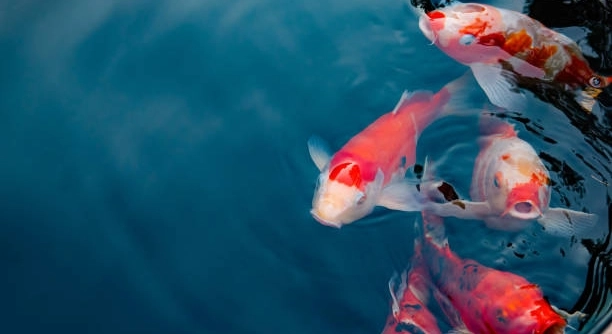
Keeping a koi pond clear and beautiful is important for many pond owners. Green water can spoil the look and health of the pond. Preventing this issue early helps maintain a clean environment for your fish.
The primary cause of green water in koi ponds is the overgrowth of algae fueled by excess nutrients and sunlight. Controlling algae involves managing light exposure, maintaining proper filtration, and balancing nutrient levels to keep water clear and healthy.
Learning simple steps to stop green water can save you time and effort. This guide will share practical ways to keep your koi pond looking its best all year.
Causes of Green Water in Koi Ponds
Green water in koi ponds is mainly caused by algae growth. Algae thrive when the pond has too many nutrients, especially nitrates and phosphates. These nutrients often come from fish waste, uneaten food, and decaying plants. Sunlight also plays a big role because algae need light to grow quickly. If your pond is exposed to direct sunlight for many hours, algae multiply faster. Poor filtration and lack of water circulation can worsen the problem by allowing algae to spread easily. Temperature changes, especially warm weather, encourage algae blooms. When the algae population grows too large, the water turns green and cloudy, which can harm your fish. Understanding these factors helps you manage your pond better and keep it clean for your koi.
Green water usually signals an imbalance in the pond’s ecosystem. Fixing it means adjusting those key elements.
Controlling algae starts with reducing excess nutrients. Use high-quality fish food and avoid overfeeding, which lowers waste buildup. Regularly clean the pond and remove dead plants. Adding aquatic plants helps absorb nutrients before algae use them. Installing a good filtration system with biological and mechanical filters improves water clarity. Shade the pond using floating plants or a pond cover to limit sunlight. Proper water circulation with pumps or fountains prevents stagnant spots where algae thrive. Testing the water regularly for nitrate and phosphate levels keeps you informed about changes. Together, these actions create a stable environment that discourages algae and keeps the water clear and safe for koi.
Practical Tips to Prevent Green Water
Keeping the water clear means balancing sunlight, nutrients, and filtration.
Start by limiting how much sunlight reaches the pond. Use floating plants like water lilies or add shade cloths. This reduces algae growth by cutting down light exposure. Avoid feeding koi too much; excess food adds nutrients that fuel algae. Install or upgrade your pond filter system to ensure it handles both debris and biological waste. Aerate the water with pumps or fountains to improve circulation and oxygen levels, which helps beneficial bacteria thrive and break down organic waste. Regular maintenance, including partial water changes and debris removal, supports a healthy pond. Following these steps keeps the water clearer and your koi happier.
Consistent care and attention to these details make a big difference in preventing green water and maintaining a balanced pond environment.
Common Mistakes to Avoid
Overfeeding koi is one of the biggest mistakes pond owners make. Too much food leads to excess waste, which feeds algae and causes green water. Skipping regular pond cleaning also allows debris and nutrients to build up, worsening water quality.
It’s important to feed your koi only what they can eat in a few minutes. Remove uneaten food promptly to prevent it from decomposing in the water. Neglecting filter maintenance reduces its effectiveness, so clean or replace filter media as needed. Avoid adding chemicals without knowing their effects, as some treatments can harm beneficial bacteria or fish. Consistent care and observation help catch problems before they get out of control.
Avoid placing the pond where it receives full sun all day. Direct sunlight promotes algae growth quickly. Introducing too many fish at once can overload the pond’s ecosystem. Balance the number of fish with the pond size and filtration capacity to keep water stable. These small changes improve water clarity and the health of your koi.
Natural Methods to Clear Green Water
Using natural methods helps control algae without harsh chemicals. Barley straw is a popular option; as it decomposes, it releases substances that slow algae growth. Adding floating plants provides shade and absorbs nutrients that algae would use. Beneficial bacteria products boost the pond’s biological filtration, helping to break down organic waste.
These methods work best combined with good maintenance. Natural treatments take time but improve pond health gradually. Aerating the water encourages oxygen flow and supports bacteria that compete with algae. Introducing pond snails or small fish that eat algae can also help reduce green water. Using these options keeps your pond balanced and safe for koi without relying on chemicals or drastic measures.
Seasonal Changes and Their Impact
Seasonal shifts can affect your koi pond’s water clarity. Warmer months often bring more algae growth due to higher temperatures and increased sunlight. Cooler months slow algae activity but can cause organic debris to build up, affecting water quality.
Adjusting maintenance routines with the seasons helps keep your pond balanced. In spring and summer, focus on algae control and filtration. In fall and winter, remove fallen leaves and clean the pond to prevent decay.
Importance of Filtration Systems
A good filtration system is essential for clear koi pond water. Mechanical filters remove debris like leaves and uneaten food, preventing them from breaking down and feeding algae. Biological filters support beneficial bacteria that break down harmful ammonia and nitrites from fish waste. Together, these filters keep the water clean and safe for koi. Regular cleaning and maintenance ensure the filters work effectively and prevent clogs that reduce their function. Investing in a quality filter tailored to your pond size is a smart step toward preventing green water and keeping your koi healthy.
When to Change Pond Water
Partial water changes help maintain water quality without stressing your fish. Changing about 10-20% of the pond water every two to four weeks reduces nutrient buildup and helps control algae growth. Avoid full water changes unless absolutely necessary, as they can disrupt the pond’s natural balance and harm beneficial bacteria. Use dechlorinated water to protect your koi from harmful chemicals. Monitoring water clarity and testing for ammonia or nitrate levels can guide when to perform changes. Regular partial water changes support a stable and healthy pond environment.
FAQ
Why does my koi pond water turn green so quickly?
Green water appears because algae grow rapidly when there are excess nutrients like nitrates and phosphates in the pond. Warm temperatures and direct sunlight speed up algae growth. If the filtration system is weak or the pond water does not circulate well, algae can spread and cloud the water quickly.
How often should I clean my pond to prevent green water?
Regular cleaning is key. Removing debris, dead leaves, and uneaten fish food once a week helps limit nutrient buildup. Cleaning or rinsing your filter media every few weeks keeps it working efficiently. Partial water changes every two to four weeks also reduce nutrients that algae feed on.
Can I use chemicals to clear green water?
Yes, chemical algaecides can clear green water quickly, but they may harm beneficial bacteria and disturb your pond’s balance. It’s best to use them sparingly and only as a last resort. Natural methods and good maintenance are safer and more sustainable for keeping your pond clear.
Are aquatic plants really helpful for controlling algae?
Absolutely. Floating and submerged plants compete with algae for nutrients and sunlight. They provide shade, which limits algae growth, and help absorb excess nutrients. Plants like water lilies and hornwort are effective choices. Adding plants also improves oxygen levels and creates a healthier environment for koi.
What kind of filter is best for a koi pond?
A combination of mechanical and biological filters is best. Mechanical filters trap solid waste like debris and uneaten food. Biological filters house beneficial bacteria that break down toxic ammonia and nitrites from fish waste. Choosing a filter sized properly for your pond volume is essential for effective cleaning.
How can I reduce sunlight exposure on my pond?
Use floating plants such as water lilies or duckweed to provide natural shade. You can also install shade cloths or position the pond where it gets partial shade during the hottest parts of the day. Limiting sunlight helps slow algae growth without harming your koi.
Can I add fish that eat algae to help clear green water?
Some fish and pond critters eat algae, but they usually cannot control algae blooms alone. Plecostomus catfish and certain types of snails can help reduce algae on surfaces, but proper pond care and nutrient control remain the most effective solutions.
How do temperature changes affect algae growth?
Algae thrive in warm water, so they multiply faster in spring and summer. In cooler seasons, algae growth slows down but decaying plant matter may increase, affecting water clarity. Adjusting your maintenance routine to fit the season helps keep your pond balanced.
Is overfeeding my koi linked to green water problems?
Yes. Overfeeding leads to excess fish waste and uneaten food, which decompose and release nutrients that feed algae. Feeding your koi only what they can eat in a few minutes reduces waste and helps maintain clearer water.
What role do beneficial bacteria play in preventing green water?
Beneficial bacteria break down harmful ammonia and nitrites from fish waste into less harmful substances. This natural process reduces nutrient levels in the pond water, limiting algae growth. Supporting these bacteria through proper filtration and avoiding harmful chemicals is essential for water clarity.
Can barley straw really help with algae control?
Barley straw works as a natural algae inhibitor when it decomposes in water. It releases substances that slow algae growth, but results take time and are best combined with other maintenance steps. It’s a gentle, chemical-free method worth trying if you prefer natural solutions.
How often should I test my pond water?
Testing water every two to four weeks is recommended. Check for ammonia, nitrites, nitrates, and pH levels. Regular testing helps detect imbalances early and guides adjustments in feeding, cleaning, or treatment to prevent algae issues.
Will adding too many koi cause green water problems?
Yes. Overstocking a pond increases waste and nutrient buildup, which fuels algae growth. Ensure the number of koi matches your pond size and filtration capacity to keep the ecosystem stable and the water clear.
What’s the best way to aerate my pond?
Using pumps, fountains, or air stones increases oxygen levels and water movement. This supports beneficial bacteria and prevents stagnant spots where algae thrive. Aeration also keeps your koi healthy by improving overall water quality.
Can I just drain and refill my pond to clear green water?
Draining and refilling can disrupt the pond’s natural balance and harm beneficial bacteria. It should be done only if the water quality is very poor and other methods fail. Partial water changes are usually safer and more effective for ongoing maintenance.
How long does it take to clear green water naturally?
Clearing green water naturally depends on algae severity and your pond care routine. It can take several days to a few weeks. Patience and consistent maintenance like reducing nutrients, adding plants, and aerating will gradually restore clear water.
If you keep these points in mind and maintain regular care, your koi pond can stay clear and healthy throughout the seasons.
Final Thoughts
Keeping your koi pond water clear takes some effort, but it is worth it to maintain a healthy and beautiful environment for your fish. Green water happens when algae grow too fast because of excess nutrients and sunlight. By managing these factors carefully, you can prevent algae blooms and keep your pond water clean. Simple steps like feeding your koi the right amount, cleaning the pond regularly, and using good filtration all work together to maintain balance. Taking care of your pond in small ways every week makes a big difference over time.
Natural methods to control green water are gentle and safe for your koi. Floating plants, beneficial bacteria, and barley straw all help reduce algae without using harsh chemicals. These solutions may take a little longer to show results, but they improve the pond’s overall health steadily. Keeping the pond shaded and aerated also helps by limiting algae growth and supporting good water circulation. It’s important to remember that ponds are living systems, so staying consistent with maintenance helps keep everything in balance.
Finally, monitoring your pond regularly is key. Testing water quality, observing your fish’s behavior, and watching for changes in water clarity let you catch problems early. Adjust your care routine as needed through the seasons since algae grow more quickly in warmer months and slow down when it’s cold. Avoid common mistakes like overfeeding or ignoring filter upkeep, which can quickly lead to green water. With patience and regular care, your koi pond can remain a clear, peaceful space for your fish to thrive.

Hello,
If you enjoy the content that we create, please consider saying a "Thank You!" by leaving a tip.
Every little bit helps us continue crafting quality advice that supports the health, happiness, and well-being of pets around the world, for pets of all shapes, sizes, and species.
We really appreciate the kindness and support that you show us!