
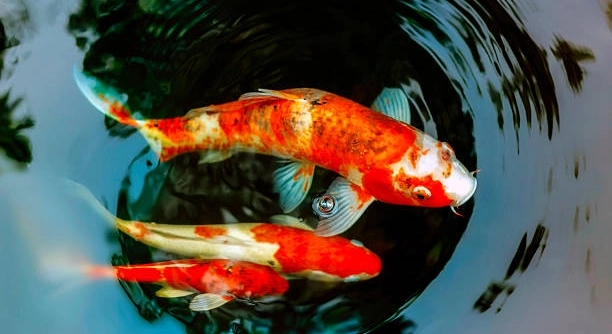
Koi fish are fascinating creatures often admired for their calm and graceful movements in ponds. These colorful fish react in various ways to changes in their environment, including shifting light and shadows. Observing their behavior can reveal surprising responses to simple stimuli.
Koi exhibit a range of reactions to moving shadows, such as curiosity, caution, and changes in swimming patterns. These responses help them navigate their surroundings, avoid potential threats, and maintain comfort in their habitat. Their sensitivity to shadows is a natural survival mechanism.
Learning about these behaviors can deepen your appreciation for koi and improve how you care for them in your pond environment. The following details explore seven interesting reactions koi have to moving shadows.
Koi Show Curiosity When Shadows Move
Koi fish often react with curiosity when they notice moving shadows above their pond. They may swim closer to investigate or pause to watch the change carefully. This behavior is common because koi rely heavily on their vision to understand their surroundings. When a shadow passes over the water, it interrupts the usual light patterns, catching the fish’s attention. Koi might swim slowly or stop altogether to observe the source of the shadow, especially if it moves unpredictably. This cautious curiosity helps them decide if the shadow is a threat or something harmless. It’s a natural instinct to protect themselves from predators. Pond owners may notice their koi following shadows cast by trees, birds, or even people walking nearby. Watching this behavior can be quite peaceful, as koi seem to carefully assess any changes before resuming their usual calm swimming.
Their curiosity about shadows helps keep koi alert to changes in their environment.
Understanding how koi respond to shadows allows pond keepers to create a more enriching habitat, balancing shade and sunlight to keep fish comfortable and engaged.
Koi React with Startle Responses to Sudden Shadows
Koi can sometimes startle when a shadow suddenly moves across their pond, causing a quick burst of swimming. This reaction is instinctive and serves as a defense mechanism. When shadows change abruptly, koi may interpret the movement as a potential threat. This sudden change triggers their natural fight-or-flight response, making them dart away to a safer spot. The startle reflex is more noticeable in younger or less accustomed koi, while older fish may become less reactive over time. Factors like the size of the shadow, speed of movement, and time of day can affect how strongly koi respond. Sudden shadows created by flying birds or falling leaves often cause this quick reaction. Pond keepers should be mindful of creating environments that minimize stress by avoiding frequent or harsh shadow movements.
The startle reaction helps koi stay safe in their aquatic environment by reacting quickly to potential dangers.
By understanding this behavior, you can manage your pond’s surroundings to reduce stress and promote koi well-being. Regular, gentle exposure to shadows can help koi adapt and feel more secure over time.
Koi Use Shadows for Shelter
Koi often swim into shaded areas created by moving shadows to find shelter from bright sunlight. These patches provide a cooler, more comfortable spot that helps regulate their body temperature. Shade also offers protection from potential predators and reduces stress, making koi feel safer in their environment.
Shadows from plants, overhanging branches, or nearby structures give koi places to rest quietly. When the sun moves and shadows shift, koi will follow these areas to stay protected and comfortable. This behavior shows how important lighting and shade balance is for koi health. Providing a mix of sun and shade in your pond encourages natural behaviors and supports their well-being.
Creating natural shaded zones in your pond encourages koi to use the space actively. It also helps keep water temperatures balanced, which is vital for their health during hot days.
Koi Display Playful Behavior Around Shadows
Koi sometimes interact playfully with moving shadows, chasing or circling them in the water. This activity can look like a game, where koi respond to the changing shapes and movements with bursts of energy. Playful chasing helps keep koi active and engaged.
This playful behavior often appears when koi are comfortable and not stressed. Shadows that slowly move or flicker gently on the surface can stimulate this type of interaction. It’s a way for koi to explore their environment and satisfy their natural curiosity. Watching koi play with shadows is enjoyable and reveals their lively, intelligent nature.
Encouraging this playful interaction by allowing natural light and shadow changes can enhance koi’s physical activity. It helps maintain their mental and physical health by providing gentle stimulation throughout the day.
Koi Can Become Cautious Around Shadows
Koi often show caution when shadows move suddenly, slowing their movements and staying near the bottom. This careful behavior helps them stay alert and avoid danger. It’s a natural way for koi to protect themselves from unexpected changes in their environment.
This cautiousness can last a few moments until the koi feel the shadow is harmless. It shows their ability to assess and adapt quickly to new stimuli, helping them survive in outdoor ponds with variable light.
Shadows Can Influence Koi Feeding Patterns
Moving shadows sometimes cause koi to change when and where they feed. Shadows can make koi feel less safe, leading them to eat in shaded or sheltered areas instead of open water. Feeding behavior adjusts according to how secure koi feel in their environment.
Shadow patterns shifting throughout the day may cause koi to wait before feeding or move to quieter spots. Recognizing this helps pond owners plan feeding times and places to suit koi comfort, ensuring they get proper nutrition without stress.
Koi May Use Shadows to Communicate
Koi can signal mood or alert others by changing their swimming speed when shadows move nearby. These subtle movements help koi communicate safety or caution within their group.
Shadows Affect Koi Swimming Speed
Koi often slow down their swimming when shadows pass over them, conserving energy while they assess the environment. This slowdown is a way to stay alert without unnecessary movement.
FAQ
Why do koi react to moving shadows?
Koi react to moving shadows because their survival depends on being aware of changes around them. Shadows can signal the presence of predators or sudden environmental changes. Their natural instinct is to stay alert and respond quickly to any possible threat, even if it turns out to be harmless. This sensitivity helps koi stay safe in outdoor ponds.
Are koi afraid of their own shadows?
Koi do not typically fear their own shadows. Instead, they respond to shadows that move or change suddenly, which might indicate danger. Shadows that are static or familiar usually do not cause any stress. Koi become cautious mainly when the shadows are unexpected or move quickly, triggering their natural defense mechanisms.
How can moving shadows affect koi health?
Moving shadows themselves usually do not harm koi health, but sudden or frequent changes can stress the fish. Stress can weaken their immune systems and make them more vulnerable to diseases. It’s important to create a balanced environment with stable lighting and enough shaded areas to reduce unnecessary stress from constant shadow movements.
Do koi prefer shaded areas in their pond?
Yes, koi often prefer shaded spots, especially during hot, sunny days. Shade helps regulate their body temperature and provides a sense of safety. Providing plants, rocks, or structures that cast natural shadows can improve koi comfort and encourage natural behaviors like resting and hiding.
Can koi get used to moving shadows?
Over time, koi can become accustomed to regular shadow changes, especially if they happen slowly or predictably. Familiarity with these environmental patterns reduces their stress response. However, sudden or irregular shadows may still startle them, so it’s best to minimize harsh or quick shadow movements around the pond.
What should I do if my koi seem stressed by shadows?
If your koi appear stressed by moving shadows, try to identify and reduce the sources of sudden light changes. Adding stable shade elements, like floating plants or pond covers, can help. Ensuring the pond environment is calm and consistent helps koi feel safe and less reactive to shadows.
How do moving shadows influence koi feeding habits?
Moving shadows can cause koi to hesitate or change where they feed, as they may feel less secure in open areas. Koi often prefer to eat in shaded or sheltered spots when shadows are shifting. Feeding koi in calm, shaded parts of the pond can encourage better eating habits.
Do all koi react the same way to shadows?
No, koi reactions to shadows vary depending on their age, personality, and previous experiences. Younger or less familiar koi tend to be more reactive, while older koi may be calmer and less easily startled. Individual differences also affect how playful or cautious koi are around shadows.
Can koi play with shadows?
Yes, koi sometimes interact playfully with moving shadows, chasing or circling them in the water. This behavior shows their intelligence and curiosity. Playful shadow chasing keeps koi active and mentally stimulated, which is beneficial for their overall health.
Are moving shadows more noticeable at certain times of day?
Moving shadows tend to be more noticeable during early morning or late afternoon when the sun is low, creating longer and more distinct shadows. Midday light produces fewer shadows, so koi may behave differently depending on the time and light conditions in the pond.
Koi fish are very sensitive to their surroundings, and moving shadows are one of the many things that catch their attention. These shadows can come from trees, clouds, birds, or even people passing by. Koi react in different ways, from curiosity to caution, depending on how the shadows move and change. Their responses help them stay safe and comfortable in their pond environment. Understanding how koi react to shadows can make it easier to care for them and create a better habitat.
Providing a pond with a good balance of sunlight and shaded areas is important for koi health. Shadows give koi places to rest and feel safe, especially during hot or bright days. When koi feel secure, they show more natural behaviors, such as swimming calmly, playing, or feeding well. Sudden or frequent shadows, however, can cause stress or startle them. By observing koi reactions to shadows, pond owners can adjust the environment to reduce stress and support the fish’s well-being.
Watching koi respond to moving shadows can be fascinating because it shows their alertness and adaptability. These fish are not just beautiful to look at—they are also intelligent and sensitive creatures. Knowing how shadows affect them helps keep them happy and healthy. Paying attention to these small behaviors strengthens the connection between koi and their caretakers, making the pond experience more rewarding for both.

Hello,
If you enjoy the content that we create, please consider saying a "Thank You!" by leaving a tip.
Every little bit helps us continue crafting quality advice that supports the health, happiness, and well-being of pets around the world, for pets of all shapes, sizes, and species.
We really appreciate the kindness and support that you show us!