
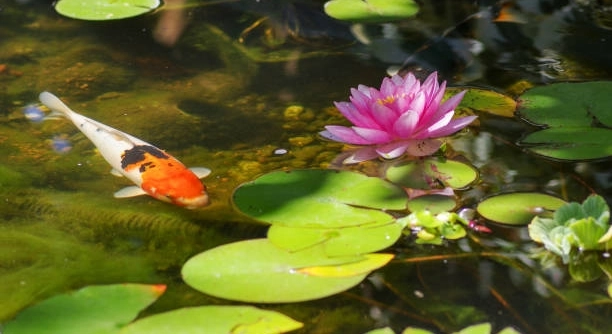
Koi fish require regular care to stay healthy and vibrant. Managing their environment and daily needs can sometimes feel overwhelming. Using the right tools can simplify tasks and improve the overall experience of koi keeping.
Seven essential tools help streamline koi care by improving water quality, feeding efficiency, and pond maintenance. These tools reduce manual effort, promote healthier fish environments, and assist in monitoring koi health consistently and accurately.
Proper equipment makes koi care manageable and more enjoyable. This article highlights practical tools that support every step of koi maintenance.
Pond Water Test Kits
Maintaining clean water is crucial for koi health. Pond water test kits allow you to regularly check important water parameters such as pH, ammonia, nitrite, and nitrate levels. Monitoring these factors helps prevent harmful conditions that stress koi and lead to disease. Using a test kit takes just a few minutes and provides immediate results, allowing prompt action if water quality deteriorates. Regular testing supports a stable environment, reducing the chance of sudden problems. These kits come with easy-to-follow instructions and are designed for frequent use. Investing in a reliable test kit simplifies water management and protects your koi from water-related issues. Keeping water within the proper range promotes fish vitality and longevity. Overall, a water test kit is a practical tool every koi keeper should have.
Testing water regularly helps detect changes early, keeping your koi safe and the pond balanced.
The accuracy of pond water test kits can vary depending on the brand and type. Some kits offer color-coded test strips for quick readings, while others provide liquid reagents for more precise measurement. It is important to choose a kit that suits your needs and pond size. Regular use of these kits will help maintain consistent water conditions, supporting healthy koi growth. When combined with proper filtration and aeration, water test kits are essential for pond care. Proper water quality minimizes stress and promotes disease resistance in koi. For those managing larger ponds, digital testers may offer convenience and improved accuracy. Regular monitoring is a simple habit that improves the overall success of koi keeping.
Automatic Fish Feeders
Automatic fish feeders reduce the need for manual feeding, ensuring koi receive consistent meals on schedule. These devices can be programmed to release specific portions at set times, preventing overfeeding and underfeeding. Consistent feeding helps maintain water quality by limiting excess food waste. Feeders come in various sizes and designs, some powered by batteries or solar energy. They are especially useful for busy schedules or when away from the pond. Using an automatic feeder supports koi health by providing reliable nutrition without daily intervention. These feeders also help in controlling diet and feeding frequency, which can affect growth and water cleanliness. An automatic feeder is a convenient tool to simplify koi care and maintain pond balance.
Automatic feeders save time and keep koi feeding routines steady, improving their health and pond conditions.
An automatic fish feeder eliminates the guesswork of feeding koi. By setting fixed feeding times and quantities, it prevents inconsistent feeding habits that can stress fish or cause water pollution. This tool allows koi keepers to manage diet more efficiently, reducing waste and maintaining water clarity. It is important to choose a feeder compatible with the type of koi food used, whether pellets or flakes. Regular cleaning and refilling of the feeder ensure smooth operation. Automatic feeders provide peace of mind during short trips or busy periods, ensuring koi continue to receive proper nutrition. Incorporating this tool into koi care routines promotes healthier fish and reduces daily chores.
Pond Vacuum
A pond vacuum helps remove debris, sludge, and algae from the bottom of the pond. This tool keeps the pond cleaner and reduces the buildup of harmful substances that can affect koi health. Regular use improves water clarity and overall pond hygiene.
Pond vacuums are designed to suction sediment and organic waste that settles on the pond floor. This prevents excessive nutrient buildup, which can lead to algae blooms and poor water quality. Using a vacuum reduces the need for frequent water changes and eases pond maintenance. Some models come with adjustable suction power and attachments for cleaning corners and hard-to-reach areas. It is important to choose a vacuum appropriate for your pond size to maximize efficiency.
Frequent vacuuming also helps remove uneaten food and fish waste, which are major sources of pollution in koi ponds. Keeping the substrate clean benefits the bacteria balance that naturally filters the water. While manual vacuuming requires some effort, electric models reduce physical strain and save time. Proper maintenance of the vacuum itself ensures durability and consistent performance.
UV Sterilizer
A UV sterilizer controls algae and harmful microorganisms by exposing pond water to ultraviolet light. This process helps maintain clear water and reduces the risk of diseases spreading among koi. It works continuously as water flows through the device, providing ongoing sterilization.
UV sterilizers are effective in preventing green water caused by free-floating algae. By destroying algae cells and pathogens, they improve water transparency and promote a healthier environment. Installation is straightforward and usually involves connecting the unit to the pond’s filtration system. Proper sizing is critical; the sterilizer must match the pond’s volume and flow rate for best results.
Using a UV sterilizer reduces reliance on chemical treatments, making pond care safer for koi and plants. Regular cleaning of the UV bulb and quartz sleeve is necessary to maintain efficiency. When combined with good filtration and aeration, this tool enhances overall pond health. It supports clearer water, better oxygen levels, and fewer disease outbreaks. Investing in a UV sterilizer is a practical step toward low-maintenance, high-quality koi care.
Pond Skimmer
A pond skimmer removes floating debris such as leaves and pollen before they sink. This helps keep the water surface clean and improves oxygen exchange.
Using a skimmer reduces the workload on the pond’s filtration system by preventing debris buildup. It is a simple but effective tool for maintaining pond cleanliness and koi health.
Aerator
An aerator increases oxygen levels in the pond by circulating air through the water. Proper oxygenation supports koi respiration and beneficial bacteria activity.
Regular use of an aerator helps prevent stagnation, which can lead to poor water quality and fish stress. It is essential for maintaining a balanced pond ecosystem and supporting koi vitality.
Net
A net is useful for safely catching and handling koi during pond maintenance or health checks.
Using a soft, fine-mesh net prevents injury to koi while allowing easy capture and transfer. This tool is a must-have for careful koi care.
What is the best way to test pond water for koi?
The best way to test pond water is by using a reliable pond water test kit that measures key parameters such as pH, ammonia, nitrite, and nitrate levels. These kits provide quick results, helping to maintain safe conditions for koi. Testing regularly ensures the pond environment stays stable and reduces the risk of illness or stress in the fish.
How often should I test the water in my koi pond?
Water testing should be done at least once a week, especially during warm months when biological activity increases. More frequent checks are recommended if the pond has a high fish load or after heavy rain and water changes. Consistent testing helps catch any water quality issues early, allowing for timely corrective actions.
Can automatic fish feeders cause overfeeding?
Automatic fish feeders are designed to release controlled amounts of food at scheduled times, which helps prevent overfeeding. However, it is important to set the feeder properly and monitor the fish’s response. Overfeeding can occur if the portions are too large or if the feeder malfunctions, so occasional manual checks are necessary.
Are pond vacuums safe for koi fish?
Yes, pond vacuums are safe for koi if used carefully. They remove sludge and debris from the pond bottom without harming the fish when handled properly. Electric models usually have adjustable suction power to avoid injuring koi. It is best to operate the vacuum slowly and avoid areas where fish are resting.
How does a UV sterilizer improve pond water quality?
A UV sterilizer kills free-floating algae and harmful microorganisms by exposing pond water to ultraviolet light. This reduces green water and limits disease-causing pathogens, leading to clearer water and healthier fish. It works continuously as water flows through, supporting a balanced pond ecosystem without chemicals.
What maintenance does a UV sterilizer require?
Regular maintenance includes cleaning the quartz sleeve that protects the UV bulb and replacing the bulb annually. Dirt or algae buildup on the sleeve reduces effectiveness. Following the manufacturer’s instructions for cleaning and bulb replacement ensures the sterilizer operates efficiently.
Why is aeration important in a koi pond?
Aeration increases dissolved oxygen in the water, which is vital for koi respiration and the growth of beneficial bacteria that break down waste. Proper oxygen levels prevent stagnation, reduce harmful gas buildup, and improve overall water quality, contributing to the health and vitality of koi fish.
Can pond skimmers handle heavy debris like fallen leaves?
Yes, pond skimmers are designed to capture floating debris such as leaves, pollen, and other organic matter before they sink to the bottom. They reduce the workload on the filtration system and help maintain clearer water. However, during heavy leaf fall, skimmer baskets may require frequent emptying.
What type of net is best for handling koi?
A soft, fine-mesh net is best for koi to prevent damage to their delicate scales and fins. The net should be large enough to safely hold the fish and avoid stress during handling. Using the correct net makes health checks and transfers easier and safer for the koi.
How do I choose the right pond vacuum for my koi pond?
Choose a pond vacuum based on pond size and the amount of debris. For small to medium ponds, manual or battery-operated vacuums are sufficient. Larger ponds may require electric vacuums with adjustable suction. Look for models with multiple attachments to clean corners and tight spaces effectively.
Is it necessary to use all these tools at once?
Not all tools are needed simultaneously. The choice depends on pond size, fish load, and personal preferences. Regular water testing and proper feeding are essential, while tools like vacuums, UV sterilizers, and skimmers can be added based on specific pond conditions and maintenance routines.
How often should I clean the pond skimmer?
Pond skimmer baskets should be cleaned at least once or twice a week, especially during heavy leaf-fall seasons. Regular cleaning prevents blockages, maintains proper water flow, and reduces strain on the filtration system. Keeping the skimmer clean supports overall pond health and water clarity.
What are the signs that my koi pond needs more aeration?
Signs include cloudy or foul-smelling water, sluggish fish behavior, and excessive algae growth. If koi gasp at the surface or show signs of stress, oxygen levels may be low. Adding or improving aeration can quickly restore healthy oxygen balance and improve fish activity.
Can a malfunctioning automatic feeder harm koi?
A malfunctioning feeder can cause overfeeding or underfeeding, both of which harm koi. Overfeeding leads to water pollution and potential health problems, while underfeeding causes malnutrition. Regularly check the feeder’s settings and operation to ensure it functions properly and feeds the correct amount.
How do I prevent algae buildup in my koi pond?
Maintaining good water quality through regular testing, proper filtration, and using a UV sterilizer helps prevent algae blooms. Controlling sunlight exposure with plants or shading and avoiding overfeeding also reduce nutrients that promote algae growth. Routine pond cleaning supports algae control.
Is a pond vacuum difficult to use?
Pond vacuums vary in ease of use. Manual models require physical effort but are straightforward, while electric versions reduce strain and speed up cleaning. Following the user manual and practicing proper technique makes vacuuming manageable for most koi keepers, improving pond cleanliness efficiently.
Can UV sterilizers affect beneficial bacteria?
UV sterilizers target free-floating algae and pathogens but do not harm beneficial bacteria that live in biofilters or pond substrates. These bacteria remain protected in their environments, allowing them to continue breaking down waste and maintaining water quality alongside UV sterilization.
How do I know when to replace my UV bulb?
UV bulbs typically last about 9 to 12 months. Over time, their effectiveness decreases even if they still light up. Replace the bulb annually or as recommended by the manufacturer to ensure consistent sterilization and optimal water clarity.
Are there safety tips for using electrical pond equipment?
Always use equipment rated for outdoor and pond use. Keep electrical connections dry and use ground fault circuit interrupters (GFCI) to prevent shocks. Regularly inspect cords and plugs for damage. Follow manufacturer instructions carefully to ensure safe and reliable operation.
Can I use these tools for ponds with other fish species?
Yes, most tools designed for koi ponds work well for other freshwater fish species. However, consider fish size and sensitivity when using equipment like vacuums or nets. Adjust feeding routines and water testing as needed for the specific fish you keep.
Maintaining a koi pond requires attention to detail and the right tools to keep the environment healthy for the fish. The seven tools discussed in this article—such as water test kits, automatic feeders, pond vacuums, UV sterilizers, pond skimmers, aerators, and nets—each serve specific purposes that simplify koi care. Using these tools consistently helps prevent common problems like poor water quality, overfeeding, and debris buildup. This reduces stress on the koi and supports their overall health. Proper pond maintenance ensures koi can thrive and display their natural beauty without unnecessary risks.
Investing in these tools can save time and effort in the long run. While some may require an upfront cost, their benefits outweigh the expenses by improving water clarity, oxygen levels, and the overall pond environment. For example, a pond skimmer removes surface debris before it sinks and decomposes, which helps the filtration system work more efficiently. Similarly, a UV sterilizer controls algae growth and reduces harmful bacteria. Using an automatic feeder helps regulate feeding schedules and prevent excess food from polluting the water. Each tool plays a role in maintaining a balanced ecosystem that supports healthy koi.
Taking care of koi involves regular monitoring and maintenance, which becomes easier with the right equipment. Testing water quality frequently ensures the pond conditions remain stable and safe for the fish. Aeration increases oxygen supply, which is essential for fish and beneficial bacteria. Nets make it easier and safer to handle koi when needed for health checks or cleaning. By incorporating these tools into a routine, koi keepers can reduce risks and provide a stable habitat. Proper care leads to stronger, more vibrant fish and a pond that remains clean and attractive throughout the seasons.

Hello,
If you enjoy the content that we create, please consider saying a "Thank You!" by leaving a tip.
Every little bit helps us continue crafting quality advice that supports the health, happiness, and well-being of pets around the world, for pets of all shapes, sizes, and species.
We really appreciate the kindness and support that you show us!