
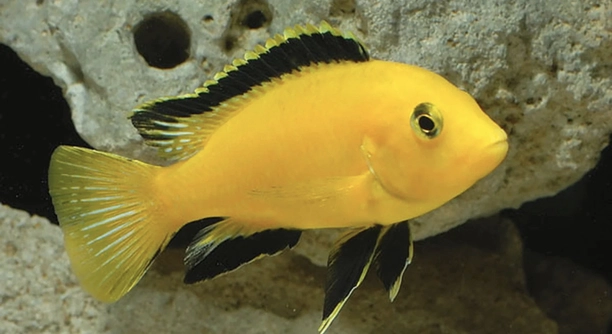
Electric Yellow Cichlids are lively fish known for their bright colors and active behavior. Observing them in a well-maintained tank can be rewarding, especially when changes are made to improve their environment and overall health.
These cichlids respond to tank upgrades through changes in behavior, activity levels, and social interactions. Adjustments in lighting, decorations, or filtration can influence their stress levels, territorial displays, feeding patterns, and swimming habits, reflecting both adaptation and environmental comfort.
Understanding these reactions can help ensure a smoother transition and a happier, healthier tank environment for your fish. Their responses reveal insights into their natural instincts and needs.
Increased Activity After Adding Hiding Spots
Adding new caves or plants often makes Electric Yellow Cichlids swim more actively. They explore the new spaces, dart in and out, and seem more curious about their surroundings. I noticed my cichlids would spend extra time investigating corners they previously ignored. The increased movement is a positive sign, showing that they feel safer and more comfortable in a structured environment. These additions help reduce stress and can even prevent aggressive behavior, as each fish has its own territory. Over time, you can see patterns emerge, with some cichlids favoring specific areas while others roam freely. Watching them interact with new structures is fascinating because it highlights their natural instincts. Hiding spots also provide retreats during feeding or when territorial disputes occur, offering balance and stability in the tank. Observing these behaviors can guide you in planning future upgrades or rearrangements.
Structured additions encourage natural behavior and improve overall well-being, giving the fish space to rest and play safely.
Hiding spots serve both functional and psychological roles. Fish feel more secure, which reduces stress hormones and promotes natural swimming patterns. They also provide refuge during minor skirmishes, allowing shy or smaller cichlids to avoid confrontations. Over time, this can enhance overall harmony in the tank.
Adjusting Lighting and Color Perception
Electric Yellow Cichlids often react to new lighting conditions with subtle changes in color and behavior.
Brighter or cooler lighting can make their yellow hues more vivid, while dimmer settings may calm their activity levels. Lighting affects feeding patterns, aggression, and social interactions. Fish may shift positions in the tank to find optimal light, sometimes spending more time near shaded areas or exploring well-lit regions. Gradually introducing new light settings helps prevent stress. I observed my cichlids initially staying close to familiar corners but gradually moving around as they adjusted. Lighting also influences plant growth, which indirectly shapes fish behavior by changing available cover and swimming paths. Consistency in the light cycle strengthens circadian rhythms, helping fish maintain regular feeding and rest schedules. Over time, a well-lit tank highlights their colors while supporting natural instincts, enhancing both visual appeal and overall health. Proper lighting adjustments make the tank feel dynamic yet safe for the cichlids to thrive.
Changing Water Flow
Water flow adjustments immediately affect how Electric Yellow Cichlids swim. Strong currents make them swim actively against the flow, while gentler currents allow relaxed movement and exploration. I noticed my cichlids often hover near moderate flow areas, balancing activity and comfort.
Altering the filter output changed their daily routines. Some fish initially avoided areas with stronger currents, preferring calmer zones near decorations or corners. Over several days, they adapted, gradually venturing into faster currents to explore and feed. This adaptation shows their resilience and ability to adjust to environmental changes, improving overall tank dynamics. Observing these shifts helped me plan further tank arrangements, ensuring every fish had access to preferred flow levels while maintaining oxygenation and cleanliness throughout the aquarium.
Water flow also influences waste movement and food distribution. Proper adjustment prevents stagnant zones, keeping the tank cleaner. My cichlids respond by positioning themselves strategically, optimizing both comfort and feeding opportunities, which reinforces natural swimming instincts. Regular observation ensures that flow changes benefit all fish equally without causing stress.
Rearranging Tank Decorations
Repositioning rocks, plants, or ornaments immediately changes how fish navigate the tank. Cichlids explore newly formed paths and investigate altered territories.
After moving decorations, the fish displayed a mix of curiosity and caution. They tested new hiding spots, adjusted territories, and sometimes showed brief territorial disputes. Over time, they adapted to the updated layout, using the new areas for rest, play, and feeding. The rearrangement encouraged movement across previously unused sections, providing mental stimulation and reducing boredom. I noticed dominant fish asserting control over prime spaces initially, but the hierarchy stabilized within days. This subtle shift in behavior highlights how layout changes influence social dynamics, stress levels, and activity patterns. Strategically changing decorations can maintain engagement, prevent stagnation, and improve overall well-being in the tank. Consistent observation ensures that all cichlids benefit from the updated environment without prolonged stress.
Introducing New Tank Mates
New fish immediately change social dynamics. Electric Yellow Cichlids observe newcomers carefully, sometimes showing brief aggression or curiosity before settling.
Over the first few days, interactions are cautious. Dominant cichlids assert territories while others keep distance. Gradually, they adjust, establishing a new balance that maintains harmony and reduces stress across the tank.
Temperature Adjustments
Raising or lowering water temperature affects activity and metabolism. Slight increases boost swimming speed and feeding interest, while cooler conditions slow movements. Monitoring temperature closely ensures comfort and prevents sudden stress responses. Maintaining stable, suitable temperatures supports healthy behavior, improves appetite, and encourages natural interactions among the cichlids.
Adding Floating Plants
Floating plants provide shaded areas and subtle current changes. Electric Yellow Cichlids often use these zones to rest or explore calmly, helping them feel more secure and reducing stress from environmental changes.
How quickly do Electric Yellow Cichlids adjust to tank upgrades?
Adjustment time depends on the type of change. Simple additions, like new plants or decorations, can see noticeable behavior changes within a few hours to a couple of days. Larger changes, such as adding new tank mates or modifying water flow, may take several days to a week for the fish to fully acclimate. I observed that my cichlids initially approached new objects cautiously, swimming around the perimeter before exploring fully. Gradual introduction of upgrades helps reduce stress and allows each fish to adapt at its own pace. Watching their exploration patterns gives insight into their comfort level.
Will Electric Yellow Cichlids become aggressive after rearranging the tank?
Rearranging tank decorations can trigger temporary territorial behavior. Dominant fish may patrol new boundaries more frequently or assert control over prime hiding spots. However, aggression usually decreases as the cichlids become familiar with the updated layout. In my experience, minor skirmishes occurred for a day or two but settled once each fish established its preferred zones. Consistent observation and avoiding drastic, simultaneous changes help maintain harmony. Providing multiple hiding spots and visual barriers reduces conflict and ensures all fish feel secure. Overall, temporary aggression is normal and rarely problematic when upgrades are well-planned.
Do they react differently to lighting changes?
Yes, lighting adjustments can influence color, activity, and feeding. Brighter lighting often enhances their yellow coloration and encourages more active swimming, while dimmer or softer lighting can calm their movements. I noticed my cichlids spent more time in shaded corners initially but gradually explored well-lit areas as they became comfortable. Properly timed light cycles support natural circadian rhythms and promote healthier behavior. Sudden, extreme changes can cause stress, so gradual adjustment is preferable. Floating plants or decorations can help diffuse light and provide shaded retreats. Consistent lighting maintains their visual appeal and overall comfort in the tank.
How do they respond to new tank mates?
Electric Yellow Cichlids are territorial but generally adapt to new fish if introductions are gradual. Initially, they may display aggression or curiosity, chasing or circling newcomers. I observed cautious interactions during the first few days, with dominant fish marking territories and others keeping distance. Over a week or so, the cichlids adjusted, establishing a new social balance. Providing hiding spots and sufficient space helps reduce stress and allows all fish to coexist peacefully. Monitoring interactions ensures minor conflicts do not escalate. Introducing compatible species and observing gradual integration prevents prolonged aggression.
What changes in behavior indicate stress during upgrades?
Signs of stress include hiding excessively, loss of appetite, erratic swimming, or repeated avoidance of certain tank areas. I noticed my cichlids sometimes stayed in corners after major rearrangements or new additions. Stress may be temporary if the fish gradually explore and resume normal activity. Prolonged stress requires intervention, such as adding more hiding spots, stabilizing water parameters, or reducing aggressive interactions. Observing subtle behavior shifts, like reduced social interactions or slower swimming, helps identify problems early. Stress management is crucial for long-term health and ensures the fish continue to thrive in their upgraded environment.
Do they explore new tank structures immediately?
Exploration is often cautious at first. Electric Yellow Cichlids typically circle new decorations or plants before entering. I saw my fish repeatedly approach, retreat, and re-approach over several hours. Over days, they gradually used caves, plants, and open spaces more confidently. The level of curiosity varies by individual, with some fish quicker to investigate than others. Observation allows me to see which areas they prefer and adjust the layout accordingly. Encouraging exploration with safe, accessible structures promotes mental stimulation, reduces boredom, and supports natural instincts, enhancing overall tank dynamics.
Are feeding patterns affected by upgrades?
Yes, feeding behavior can change with environmental adjustments. New hiding spots, stronger currents, or altered lighting may make fish more cautious initially. I noticed my cichlids sometimes waited near familiar zones before venturing out to feed after changes. Gradual exposure helps them regain confidence, and feeding remains consistent once they adapt. Providing food in multiple areas encourages exploration and reduces competition. Stable water quality and gradual upgrades prevent disruptions to appetite. Observing how each fish responds to feeding after changes ensures everyone maintains proper nutrition and supports healthy growth.
Can temperature changes cause noticeable reactions?
Electric Yellow Cichlids respond to temperature fluctuations with shifts in activity and swimming patterns. Slightly warmer water increases activity and appetite, while cooler water slows movement. I observed my fish adjusting their positions to find comfort zones within the tank after minor temperature adjustments. Maintaining a consistent, suitable range prevents stress and promotes regular feeding. Sudden changes can trigger hiding, lethargy, or unusual swimming behavior. Regular monitoring ensures the tank remains comfortable, supporting both physical health and natural behavior, especially when combined with other upgrades like decorations or water flow modifications.
Do they need time to recognize new hiding spots?
Yes, recognition is gradual. Newly added caves or plants often require several hours to days for fish to feel safe using them consistently. I watched my cichlids inspect new spots repeatedly before settling inside. Hiding spots reduce stress, provide refuge during minor disputes, and allow shy fish to explore at their own pace. Placement near familiar areas encourages use, while spacing them across the tank ensures all fish have options. Over time, cichlids incorporate these areas into daily routines, which supports natural behaviors, enhances mental stimulation, and improves overall well-being in the upgraded tank.
Final Thoughts
Electric Yellow Cichlids are highly responsive to changes in their environment. Each adjustment, whether it’s a new decoration, a different lighting setup, or modified water flow, can influence their behavior in noticeable ways. I have seen my own cichlids react immediately to minor upgrades, exploring new spaces with caution and curiosity. These reactions are natural and provide insight into their comfort and well-being. Observing how they interact with new elements helps determine if the tank is meeting their needs. Even small changes, like adding a floating plant or moving a rock, can create new areas for hiding and exploring. These subtle improvements reduce stress and encourage activity. Over time, consistent monitoring and gradual modifications ensure that the fish remain comfortable and healthy. By paying attention to their responses, it becomes easier to anticipate stress points and make informed adjustments.
Tank upgrades also play an important role in promoting natural behaviors. Hiding spots allow fish to retreat when feeling threatened, which reduces aggression and tension. Adjustments in lighting or water temperature can affect swimming patterns, feeding, and social interactions. I noticed that when lighting was brighter, the cichlids were more active and colorful, but dimmer settings helped them feel calm and secure. Changes in water flow encouraged exploration while also improving oxygenation and circulation. When introducing new tank mates, observation is key to maintaining balance, as temporary territorial disputes are normal but usually settle quickly. Understanding these patterns helps ensure a stable and harmonious tank environment. It also supports long-term health by preventing chronic stress, promoting proper feeding, and encouraging natural social hierarchies. Overall, upgrades should be approached with gradual steps to maintain consistency and minimize disruption.
Finally, the key to successful tank management is careful observation and patience. Electric Yellow Cichlids show clear signs when they are adjusting well or when they are stressed. By paying attention to their activity, hiding habits, feeding patterns, and interactions, it is possible to create an environment that is both stimulating and safe. Personal experience shows that small, thoughtful upgrades often yield noticeable improvements in fish behavior and well-being. Each cichlid adapts differently, so giving them time to explore and adjust is essential. With consistent care and attention, tank upgrades can enhance their quality of life, increase activity, and create a visually engaging and balanced environment. Maintaining this approach ensures the cichlids remain healthy, comfortable, and lively, reflecting the positive impact of well-planned tank improvements.

Hello,
If you enjoy the content that we create, please consider saying a "Thank You!" by leaving a tip.
Every little bit helps us continue crafting quality advice that supports the health, happiness, and well-being of pets around the world, for pets of all shapes, sizes, and species.
We really appreciate the kindness and support that you show us!