
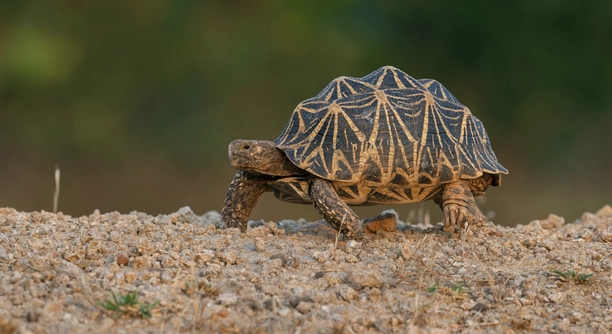
Indian Star Tortoise eggs are delicate, and providing the right conditions is essential to prevent premature hatching. Their development relies on environmental factors, making it crucial to ensure they stay safe and properly incubated.
Premature hatching occurs when environmental factors such as temperature, humidity, and handling are not properly managed. To prevent this, control the incubator settings, ensure proper substrate, and avoid unnecessary disturbances during the incubation period.
These tips will help you create the ideal environment for your tortoise eggs. Implementing them ensures better chances of successful hatching and the well-being of the young tortoises.
Temperature Control
Maintaining the correct temperature is crucial for the development of Indian Star Tortoise eggs. The ideal incubation temperature should range between 80°F to 88°F (26°C to 31°C). If the temperature drops too low or rises too high, the eggs may hatch prematurely or fail to hatch altogether. Consistent monitoring with a thermometer ensures stability. It’s important not to fluctuate the temperature drastically as sudden changes can cause stress, which leads to premature hatching. Always aim to maintain a steady and comfortable range to support healthy development. A temperature-controlled incubator is one of the best ways to manage this.
While natural environments may offer some variation, keeping the temperature regulated indoors is more reliable. Always invest in a quality thermometer to avoid temperature discrepancies. This will provide peace of mind during the entire incubation period.
A properly controlled temperature not only promotes healthy embryos but also decreases the likelihood of complications. If the temperature is too high, you risk the eggs developing too quickly, leading to premature hatching. Consistent care in maintaining the right heat can prevent this issue and encourage successful hatching.
Humidity Levels
Humidity plays a vital role in incubating tortoise eggs. Keeping the humidity around 70% to 80% is essential for proper egg development. Too little moisture can cause dehydration, while too much humidity can lead to mold growth or suffocation of the embryos. Humidity can be managed using a hygrometer to monitor and adjust the humidity levels regularly. Mist the incubator slightly or use a humidifier to keep the moisture levels in check.
It’s important not to overdo it. Excess moisture can have negative effects, leading to weakened egg shells or fungal infections. Regular checks on humidity can make all the difference in successful hatching.
Having the right humidity levels prevents a range of potential issues. It helps the eggs retain the necessary moisture and ensures the development of the embryos progresses properly. With balanced humidity, premature hatching due to environmental stress is much less likely, promoting healthier hatching conditions.
Proper Substrate
Using the right substrate for incubating Indian Star Tortoise eggs is essential for preventing premature hatching. A well-chosen substrate will help maintain temperature and humidity levels while allowing the eggs to breathe. Choose a substrate that is moisture-retentive but not too wet.
Coconut coir or sphagnum moss are commonly used for tortoise egg incubation. These materials provide the right balance of moisture retention and airflow, ensuring the eggs don’t dry out or suffocate. Avoid using sand or soil that can become too compacted. It’s important to regularly check the substrate’s moisture level and adjust as needed to prevent excessive dryness or dampness.
Too little moisture can cause the eggs to dry out prematurely, while too much can lead to mold growth or excessive heat. Therefore, a balance is needed to encourage healthy, gradual development of the embryos. A well-chosen substrate ensures the eggs stay in optimal conditions throughout incubation.
Handling Eggs Carefully
Handling the eggs gently is key to preventing premature hatching. Rough handling can cause stress or damage, leading to negative effects on the embryos. Always handle the eggs as little as possible.
When moving the eggs, be sure to handle them with care, using both hands to support them evenly. Avoid turning or flipping the eggs, as this can disrupt the delicate positioning of the embryos. If you must move them, do so quickly and with minimal disturbance. Handling eggs too much or too roughly can trigger premature development, so maintaining a calm, careful approach is essential.
Keep in mind that Indian Star Tortoise eggs are sensitive to environmental changes, including touch. Even small, seemingly harmless actions like moving them too frequently can cause the embryos to hatch earlier than expected. Taking care to minimize handling will help ensure successful hatching when the time is right.
Avoid Disturbing the Incubator
Keeping the incubator undisturbed is crucial for maintaining a stable environment. Constant opening or moving it can affect temperature and humidity, leading to premature hatching. Limit the number of times the incubator is opened to avoid fluctuations.
It’s best to check the incubator only when necessary. Each time the lid is opened, the internal conditions change, which can stress the eggs. Disturbing the incubator too frequently may cause the embryos to develop too quickly or become stressed, leading to early hatching. Keep the incubator in a quiet, stable location away from high-traffic areas.
Monitor Egg Positioning
Ensuring that the eggs are properly positioned is important for healthy development. Place them gently on their sides, mimicking how they would be in the wild. Incorrect positioning can disrupt the hatching process.
In the wild, tortoises typically bury their eggs, which naturally keeps them oriented correctly. When incubating in an artificial environment, positioning the eggs correctly ensures they develop properly. Avoid turning or rotating the eggs as this may lead to developmental issues or premature hatching. Regular checks help ensure they remain in the right spot, providing a stable environment for growth.
Consistent Monitoring
Consistent monitoring is essential to track the conditions within the incubator. Regular checks on temperature and humidity will help maintain an ideal environment for the eggs. Use reliable equipment like thermometers and hygrometers.
By monitoring frequently, you can make adjustments as needed to ensure the eggs stay in optimal conditions. Any variation in temperature or humidity can cause premature hatching. Keeping an eye on these factors helps avoid these issues, giving the tortoise eggs the best chance for successful hatching.
FAQ
What is the ideal temperature for Indian Star Tortoise eggs?
The ideal temperature for incubating Indian Star Tortoise eggs is between 80°F to 88°F (26°C to 31°C). Temperatures outside this range can cause the eggs to develop improperly. Too high a temperature can lead to premature hatching, while temperatures that are too low can cause the embryos to stop developing altogether. To keep the eggs safe, make sure your incubator is equipped with a thermostat to maintain a consistent temperature. Small fluctuations in temperature can have a significant impact on egg development, so it’s important to monitor this closely.
How do I know if my Indian Star Tortoise eggs are fertile?
Fertility can often be checked by candling the eggs. Candling involves shining a bright light through the egg to check for signs of embryo development. If the egg is fertile, you will see veins or a dark spot, indicating the embryo. Infertile eggs will appear clear, with no visible veins or dark spots. It’s best to candle the eggs a few weeks after they’ve been laid, as earlier checks might not show enough development. Always handle the eggs gently to avoid disrupting their growth.
Can I use a regular light bulb to incubate the eggs?
While a regular light bulb can provide heat, it’s not the best option for incubating Indian Star Tortoise eggs. A regular light bulb doesn’t allow you to control the temperature accurately. Instead, use a heat mat or a specialized reptile incubator with a thermostat. These tools are designed to maintain a consistent and regulated temperature, which is essential for the eggs’ development. Without the ability to control temperature precisely, there’s a higher risk of overheating or underheating the eggs, leading to premature hatching.
How often should I check on the eggs during incubation?
It’s important to check the eggs periodically but not too frequently. Checking once or twice a week is typically sufficient to ensure the temperature, humidity, and positioning remain stable. Opening the incubator too often can cause fluctuations in temperature and humidity, which can harm the eggs. Make sure to handle the eggs as little as possible. Overhandling can lead to disturbances, which may affect the embryos’ development. Use reliable equipment, like a thermometer and hygrometer, to monitor conditions without needing to open the incubator.
What should I do if the eggs are not hatching?
If the eggs are not hatching, first check the temperature and humidity to ensure they are within the recommended range. If conditions are correct and the eggs still aren’t hatching, there could be other factors at play, such as improper egg positioning or a problem with the fertilization. Sometimes, eggs may need more time to hatch, so patience is key. If after several months, the eggs haven’t hatched, they may be infertile. In some cases, if the eggs seem to be infertile, gently remove them from the incubator to avoid taking up space that could be used for new eggs.
How do I prevent the eggs from drying out?
To prevent Indian Star Tortoise eggs from drying out, it’s essential to maintain proper humidity levels. Keep the humidity around 70% to 80%. You can achieve this by regularly misting the substrate or using a humidity tray inside the incubator. A hygrometer is helpful to monitor moisture levels. Also, ensure that the eggs are buried or partially buried in a moisture-retentive substrate like coconut coir or sphagnum moss. Avoid letting the eggs sit on a dry surface, as this can cause dehydration and affect embryo development.
Is it okay to move the eggs once they are in the incubator?
Once the eggs are in the incubator, it’s best to leave them undisturbed. Moving them can lead to premature hatching, especially if the eggs are turned or jostled. If you must move them, do so carefully and ensure they are placed in the same position they were originally. Consistency is key during incubation, as sudden shifts in the eggs’ environment can disrupt development. Keep in mind that Indian Star Tortoise eggs need a stable and secure position for optimal hatching conditions.
How can I tell if my incubator is too hot or too cold?
To determine if your incubator is too hot or too cold, regularly check the temperature with a reliable thermometer. If the temperature is consistently above 88°F (31°C), it’s likely too hot, which can cause premature hatching. If the temperature drops below 80°F (26°C), the embryos may stop developing or hatch late. In addition to the thermometer, observe the eggs themselves—if they are excessively dry, they may not be getting enough humidity, indicating the environment may be too hot. Similarly, overly damp conditions could suggest the temperature is too low.
How long does it take for Indian Star Tortoise eggs to hatch?
Indian Star Tortoise eggs typically take between 60 and 90 days to hatch, depending on the environmental conditions. If the temperature is kept steady within the recommended range, the eggs should hatch within this time frame. However, if the temperature fluctuates or is outside the ideal range, it may extend or shorten the incubation period. Patience is key, as the timing can vary slightly. Be sure to continue monitoring temperature and humidity during the entire incubation process to ensure the best outcome for the eggs.
Final Thoughts
Successfully incubating Indian Star Tortoise eggs requires attention to detail, patience, and consistency. The environment plays a key role in ensuring the eggs develop properly and hatch at the right time. Proper temperature, humidity, and minimal disturbance are essential factors to consider when setting up an incubator. The eggs should be placed in a quiet area, where they won’t be disturbed by frequent movement or noise. Keeping a close eye on these conditions, without over-checking or handling the eggs too much, will give them the best chance for a successful hatch.
If problems arise, such as the eggs not hatching or showing signs of infertility, it’s important to remain calm and assess the situation. Sometimes eggs may take longer to hatch than expected, and it’s vital to be patient. If conditions such as temperature or humidity are not within the ideal range, adjustments should be made promptly to get things back on track. Monitoring your incubator regularly and ensuring stable conditions will reduce the risk of premature hatching or failure to hatch altogether. Understanding the needs of the eggs and being prepared to handle challenges is part of the process.
In the end, incubating tortoise eggs is a delicate process that requires care and precision. By following the right procedures, you can significantly increase the chances of healthy hatching. Providing the best environment for the eggs will help you ensure that they develop properly. Each step—from maintaining the right temperature to checking for fertility—plays a role in the successful incubation of Indian Star Tortoise eggs. When done properly, you’ll be able to witness the rewarding experience of seeing these beautiful creatures hatch and grow.

Hello,
If you enjoy the content that we create, please consider saying a "Thank You!" by leaving a tip.
Every little bit helps us continue crafting quality advice that supports the health, happiness, and well-being of pets around the world, for pets of all shapes, sizes, and species.
We really appreciate the kindness and support that you show us!