
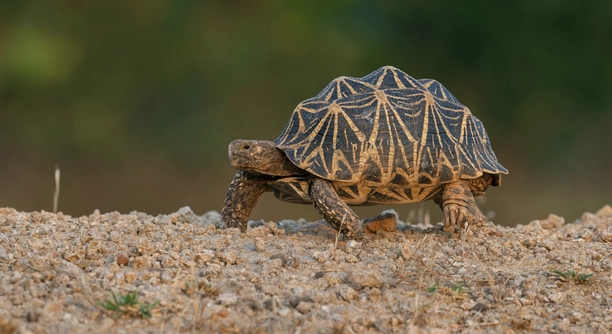
Mold can quickly become a problem in an Indian star tortoise tank if the environment is not properly maintained. It’s important to keep their habitat clean and dry to ensure their well-being.
To prevent mold growth in your tortoise tank, focus on controlling humidity, providing proper ventilation, cleaning regularly, and using mold-resistant materials. Ensuring that substrate and decorations stay dry, and maintaining a clean, dry environment are key steps.
These simple practices will help maintain a healthy environment for your Indian star tortoise, preventing mold from becoming an ongoing issue.
Keep the Tank Dry
One of the best ways to prevent mold is to ensure the tank remains as dry as possible. Mold thrives in moist environments, so it’s important to check the humidity levels regularly. A hygrometer is an affordable tool that can help you monitor the humidity. The ideal humidity for an Indian star tortoise is around 60-70%. If the humidity is too high, mold can start to form on surfaces like the substrate, tank walls, and decorations.
Maintaining a balance of moisture and dryness is crucial. By keeping humidity at an optimal level, you reduce the chances of mold growth significantly. Drying the tank completely after each cleaning can also help avoid this issue.
If you’re noticing high humidity levels despite your efforts, consider adjusting the tank’s setup. This might include changing the type of substrate or adding more ventilation. A few simple changes can make a big difference in keeping your tortoise’s tank mold-free.
Ventilation Is Key
Proper airflow is essential to preventing mold. Without it, the air becomes stagnant, which can encourage mold to develop.
Ventilation can be achieved by adding vents or creating an air exchange system in the tank. Ensure the tank’s lid or enclosure allows for airflow, but don’t overdo it to the point where your tortoise’s environment becomes too drafty.
Clean Regularly
Keeping the tank clean is one of the most effective ways to prevent mold. Remove any uneaten food, waste, and other debris daily. This helps reduce organic matter that can foster mold growth. Regular cleaning also allows you to spot early signs of mold before it becomes a problem.
In addition to daily cleaning, be sure to sanitize the tank every couple of weeks. Use a mild, tortoise-safe cleaner, and avoid harsh chemicals that could harm your pet. Clean the substrate, decorations, and surfaces thoroughly, and let everything dry before setting the tank back up.
If the tank has heavy mold buildup, remove everything, disinfect the entire tank, and replace the substrate. This will ensure that your tortoise remains in a clean, safe environment without the risk of mold spreading.
Choose Mold-Resistant Substrate
Using the right substrate can make a huge difference in preventing mold. Opt for substrates like cypress mulch, which is naturally mold-resistant. Other options, like coconut coir or aspen shavings, can work well, too. Avoid using organic materials like soil, as they can retain moisture and encourage mold.
When selecting a substrate, consider your tortoise’s comfort and the need for moisture retention. A substrate that stays dry and doesn’t retain excess moisture will keep mold at bay. Ensure you change the substrate regularly to maintain cleanliness.
If you notice any signs of mold on the substrate, immediately replace it with fresh material. This proactive approach can help avoid potential health issues for your tortoise.
Control Watering
Watering the tank too much can cause high humidity levels, leading to mold growth. Always ensure that you’re not over-watering your tortoise’s habitat. If you mist the tank, do so lightly and avoid creating a wet environment.
Consider using a water dish that is shallow and cleaned regularly. This will prevent water from spilling and causing excess moisture around the tank.
Keep Temperature Consistent
Maintaining a consistent temperature in the tank helps regulate humidity. Avoid temperature fluctuations, as they can cause condensation and increase the likelihood of mold growth. Keep the temperature within the range suitable for an Indian star tortoise.
Adding a heat source, like a basking light or ceramic heat emitter, can help control moisture levels in the tank. Just make sure it doesn’t create a dry, uncomfortable environment for your tortoise.
FAQ
How do I know if my tortoise tank has mold?
Signs of mold in your tortoise tank can include a musty smell, visible white or green spots on surfaces, or fuzzy patches on the substrate and decorations. Mold can also grow in corners or along the edges of wet areas. It’s important to check for these signs regularly, especially after cleaning or adjusting humidity levels.
If you spot mold, take immediate action to clean and disinfect the affected areas. Replace the substrate if necessary, and make sure to adjust environmental conditions to prevent further growth.
What is the best way to clean mold from a tortoise tank?
To clean mold, first, remove any substrate, decorations, and accessories that might be affected. Use a safe, tortoise-friendly cleaner or a mixture of mild dish soap and water to scrub the surfaces where mold is present. Avoid harsh chemicals like bleach.
After cleaning, dry the tank thoroughly before reassembling it. If mold has spread to hard-to-reach places, consider using a soft brush to scrub away any remaining spores. Replace any items that cannot be fully cleaned.
Can mold harm my tortoise?
Yes, mold can be harmful to your tortoise. Inhaling or coming into contact with mold can cause respiratory issues, skin irritation, and overall discomfort. Mold can also lead to infections if your tortoise eats it. Regular cleaning and humidity control are crucial to prevent mold from affecting your pet’s health.
If your tortoise shows any signs of illness, such as wheezing, loss of appetite, or skin lesions, consult a veterinarian immediately.
What humidity level is best for an Indian star tortoise tank?
The ideal humidity level for an Indian star tortoise tank is between 60-70%. Too much humidity can promote mold growth, while too little can lead to dehydration. Monitoring the humidity with a hygrometer helps ensure the tank remains at the proper levels.
If your tank is too humid, reduce the moisture by adjusting the water source, improving ventilation, or removing any unnecessary misting. Make sure the humidity level is stable for your tortoise’s comfort and health.
Should I add a dehumidifier to my tortoise tank?
In most cases, a dehumidifier is not necessary for an Indian star tortoise tank. Instead, focus on proper ventilation and humidity control. A hygrometer will help you monitor the humidity, and adjustments like adding ventilation or changing the substrate can improve air circulation.
If the humidity is consistently high despite your efforts, a dehumidifier can help, but be cautious not to dry out the tank too much. It’s essential to maintain a comfortable, balanced environment.
How often should I clean my tortoise’s tank to prevent mold?
It’s best to clean your tortoise’s tank regularly, ideally once a week. Daily maintenance should include removing uneaten food and waste. In addition, sanitize the tank thoroughly every couple of weeks to ensure mold doesn’t have a chance to take hold.
By sticking to a regular cleaning schedule, you’ll reduce the risk of mold buildup and create a healthier environment for your tortoise.
Can I use natural cleaners to remove mold from the tank?
Yes, you can use natural cleaners to remove mold. White vinegar is a good option because it’s safe and effective against mold. Simply mix equal parts vinegar and water and apply it to the affected areas. Be sure to rinse and dry the surfaces thoroughly before setting up the tank again.
Baking soda is another option for scrubbing mold spots, as it’s gentle yet effective in cleaning surfaces. Avoid using harsh chemical cleaners that could harm your tortoise.
What type of substrate is best to prevent mold?
Cypress mulch is one of the best substrates to prevent mold in an Indian star tortoise tank. It’s naturally resistant to mold and holds moisture well without becoming too wet. Coconut coir is another good option for maintaining a clean environment.
Avoid using soil-based substrates, as they tend to retain too much moisture and can lead to mold growth. Make sure to replace the substrate regularly to keep it fresh and dry.
Is it okay to use live plants in my tortoise tank?
Live plants can be a beautiful addition to your tortoise’s tank, but they can also contribute to mold growth if not maintained properly. Choose plants that are non-toxic and can thrive in a dry environment. Avoid plants that retain excessive moisture, as this can create a breeding ground for mold.
If you use live plants, ensure they are regularly pruned, watered appropriately, and that any fallen leaves are cleaned up to prevent mold buildup.
How do I prevent mold on the tank walls?
Mold can appear on tank walls if there is high humidity and poor ventilation. To prevent this, make sure the tank has adequate airflow and avoid over-misting the environment. If you see condensation forming on the walls, wipe it down immediately to prevent mold growth.
Using a dehumidifier or improving ventilation by adding vents or air circulation can also help reduce moisture buildup on the tank walls.
Can I use a heat lamp to control humidity and mold?
A heat lamp can help with humidity control by increasing the temperature and promoting evaporation. However, it’s essential not to rely solely on a heat lamp to manage mold. Proper ventilation and humidity monitoring are equally important.
A heat lamp can assist in maintaining the proper temperature range for your tortoise, but you should also monitor the humidity levels to avoid making the environment too dry or too damp.
Final Thoughts
Maintaining a clean and healthy environment for your Indian star tortoise is essential for its overall well-being. Mold in the tank can cause health issues for your tortoise, such as respiratory problems and skin irritation. Preventing mold starts with regulating humidity levels, ensuring proper ventilation, and cleaning the tank regularly. By taking the necessary steps, you can create a safe, comfortable environment for your pet while also keeping mold at bay.
Regular tank maintenance is key to avoiding mold buildup. This includes checking for excess moisture, removing waste, and ensuring proper airflow in the tank. The substrate you choose also plays a role, as some materials are more prone to mold than others. Choosing mold-resistant substrates like cypress mulch or coconut coir and replacing them regularly will help maintain a dry, healthy tank. Regular cleaning with non-toxic cleaners, such as white vinegar, can also help ensure that mold doesn’t develop in hard-to-reach areas.
Lastly, always monitor your tortoise’s behavior and health. If you notice any signs of illness, such as difficulty breathing or skin issues, it’s important to address them right away. Mold is a preventable problem, but once it starts affecting your tortoise’s health, it can be harder to treat. By staying proactive and managing the tank’s environment properly, you’ll be able to keep your tortoise safe from mold-related issues and provide a comfortable space for it to thrive.

Hello,
If you enjoy the content that we create, please consider saying a "Thank You!" by leaving a tip.
Every little bit helps us continue crafting quality advice that supports the health, happiness, and well-being of pets around the world, for pets of all shapes, sizes, and species.
We really appreciate the kindness and support that you show us!