
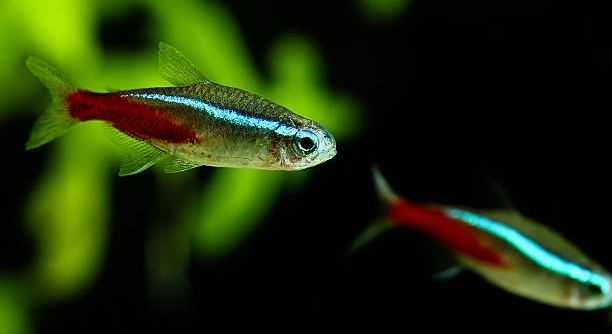
Algae blooms in a neon tetra tank can disrupt the beauty and health of the aquarium. They tend to overtake the water and make it murky, which is frustrating for many aquarium owners.
Preventing algae blooms involves maintaining proper water conditions, limiting light exposure, and avoiding excess nutrients. Regular tank maintenance and proper filtration can help keep the environment stable for your neon tetras, ensuring their well-being.
Understanding these simple steps will make a huge difference in keeping your neon tetras’ tank clean and safe for your fish.
1. Proper Water Filtration
Water filtration is one of the most effective ways to control algae growth. A good filter will remove excess nutrients, such as ammonia and nitrates, that algae thrive on. It’s important to choose a filter that matches the size of your tank. If the filter is too weak, it won’t keep the water clean, and algae will thrive. Regularly clean the filter to ensure it’s working at full capacity. For neon tetras, a filter with gentle flow is recommended since they prefer calmer waters.
A reliable filter keeps your aquarium environment balanced, preventing algae from flourishing. Clean the filter regularly to maintain optimal performance.
Filters also remove harmful particles and bacteria that could affect the health of your neon tetras. Using a filter designed for your tank size ensures that the water remains clear and free of excess nutrients, which algae need to grow. Regular maintenance, like cleaning or replacing filter media, is essential. The more effectively you manage your water quality, the less chance algae have to bloom. A clean filter will also ensure your tetras enjoy a healthy habitat free from contaminants.
2. Control Light Exposure
Excess light encourages algae growth. Algae thrive in bright environments, so it’s crucial to limit the amount of light your tank receives. A simple rule is to provide about 8–10 hours of light per day. If your tank gets natural sunlight, try moving it to a spot that receives less light. Overexposure to light can lead to the rapid growth of algae, turning your aquarium into a green mess.
Incorporating light control can significantly reduce algae blooms. Consider using a timer to regulate light.
Artificial aquarium lights should be turned on only when necessary. Too much light leads to an imbalance in the tank, giving algae a chance to grow faster. When combined with proper water filtration, controlling the amount of light your tank gets creates a better environment for your neon tetras. Consider dimmer lights or even using LED lights designed to limit algae growth. Remember, consistency is key. Setting a timer to control the light cycle ensures a stable habitat for both your tetras and the plants in the tank.
3. Maintain Proper Water Parameters
Maintaining the right water parameters is crucial for preventing algae growth in your neon tetra tank. This includes keeping the water temperature between 72–78°F (22–26°C), the pH level around 6.0–7.5, and the hardness at 2–10 dGH. By monitoring and adjusting these factors, you can create an environment that discourages algae. It’s also essential to do regular water changes, at least 25% of the tank volume every two weeks, to keep the water fresh and clear.
Keeping track of your water’s temperature, pH, and hardness is important. Test the water weekly to ensure all levels are within the ideal range.
Regular water changes remove toxins and excess nutrients that algae feed on. If you’re using tap water, consider using a dechlorinator before adding it to the tank. Additionally, adding live plants can help absorb some of the excess nutrients, further discouraging algae. When the water parameters are correct, your neon tetras will thrive while algae will have fewer opportunities to bloom. Regular testing and water changes will ensure that your tank remains a safe, healthy place for your fish.
4. Avoid Overfeeding
Overfeeding your neon tetras can lead to an increase in organic waste in the tank, which provides nutrients for algae to grow. Only feed your fish what they can consume in 2-3 minutes to avoid uneaten food sinking and decomposing. Uneaten food raises nitrate levels in the tank, which algae love.
Feeding your tetras properly helps maintain a clean environment for them.
Reducing the amount of food you give your neon tetras can also help control algae growth. Overfeeding is one of the main reasons why excess nutrients build up in the water. By feeding them just the right amount, you limit the food supply that algae need to survive. This is particularly important if you have a small tank, where the water is more sensitive to changes in nutrient levels. If you’re unsure, try feeding them once or twice a day and remove any leftover food after a few minutes. This simple habit goes a long way in keeping the algae at bay.
5. Use Live Plants
Live plants play a role in preventing algae blooms by competing with algae for nutrients. Plants naturally absorb nitrates and phosphates from the water, which are the primary nutrients algae need to grow. By filling your tank with live plants, you reduce the amount of these nutrients available for algae. Additionally, plants provide shelter and hiding spots for your neon tetras, which adds to the overall health of your tank.
Live plants help maintain a balanced ecosystem within the tank.
Incorporating fast-growing plants like hornwort or water sprite can help outcompete algae for nutrients. It’s important to balance plant growth, though—too many plants can lead to oxygen depletion, affecting your fish. Trim your plants regularly to avoid them taking over the tank. Live plants also improve water quality by absorbing carbon dioxide and producing oxygen, which benefits both the fish and the tank environment. If you’re new to live plants, start with easy-to-care-for varieties, and watch how they help create a healthy, algae-free environment.
6. Regular Tank Maintenance
Regular maintenance is essential to keep algae under control. This includes cleaning the tank walls, vacuuming the substrate, and replacing the filter media. A routine of wiping down the glass every week helps prevent algae buildup on the surfaces. You should also inspect decorations and remove any algae growth from rocks or ornaments.
Staying on top of regular tank maintenance keeps algae at bay.
Routine maintenance is the foundation of algae control. Check your filter and replace the media as needed to ensure proper filtration. Vacuuming the gravel removes excess waste that can contribute to algae growth. Cleaning the substrate and decorations keeps things neat and prevents algae from spreading. Keep an eye on the water clarity, as changes in color or cloudiness may indicate an algae problem. Staying proactive with tank upkeep ensures a clean, healthy environment for your neon tetras.
7. Use Algae Eaters
Introducing algae-eating fish or invertebrates to your tank can help naturally control algae. Some fish, like the Siamese algae eater or the otocinclus catfish, will graze on algae and help keep the surfaces clean. Snails like the Nerite snail are also effective at eating algae.
Algae-eating creatures can be a great addition to your tank.
While algae-eating fish and invertebrates can help reduce algae growth, they should not be relied upon as the sole solution. These creatures can consume algae, but they still require proper water conditions to thrive. Ensure the tank has enough algae for them to feed on, and monitor their populations to prevent overstocking. Combining algae-eaters with other preventive methods, like regular cleaning and proper filtration, creates a comprehensive approach to algae control. Algae-eaters are helpful additions to your tank, but they’re not a replacement for good tank maintenance practices.
1. Keep Water Temperature Consistent
Maintaining a stable water temperature helps prevent algae blooms. Fluctuations in temperature can stress your neon tetras and create an environment where algae can thrive. Invest in a reliable aquarium heater to keep the temperature within the ideal range of 72–78°F (22–26°C).
Keeping the water temperature consistent ensures that your neon tetras remain healthy while also preventing algae growth. If the temperature is too high or low, it can disrupt the natural balance in the tank, providing algae with a better chance to take over. Using a quality heater with a thermometer helps you maintain the ideal temperature. Avoid placing the tank in direct sunlight, as this can also cause the temperature to rise, leading to potential algae issues.
Consistent water temperature not only benefits your fish but also creates a more stable environment overall. Stress from temperature fluctuations weakens your neon tetras’ immune systems, making them more vulnerable to disease. In addition to temperature regulation, make sure your tank is in a place with minimal drafts or heat sources, such as near windows or heaters. A consistent temperature gives your neon tetras the best chance at thriving, while also minimizing the risk of algae overgrowth.
2. Test and Adjust pH Levels Regularly
pH levels in your tank directly impact both the health of your fish and the growth of algae. Neon tetras prefer a slightly acidic environment, with the pH ranging between 6.0 and 7.5. Regular testing will help you keep track of the water quality.
Testing the pH of your tank water regularly ensures it stays within the proper range for neon tetras. If the pH level is too high or too low, algae can easily grow, making it harder to control. Use a reliable pH test kit to monitor the levels and adjust as needed. There are products available that can raise or lower the pH level, so you can keep it stable for your fish. A sudden change in pH can be harmful, so it’s important to make adjustments gradually.
Maintaining the right pH also prevents fluctuations that can stress your neon tetras. If the pH is too high, it can cause an increase in algae, and if it’s too low, it can negatively affect your fish’s health. A steady, slightly acidic pH level makes the environment more suitable for your tetras, while limiting the conditions that algae need to grow. Regular water testing, combined with pH regulation, keeps your tank balanced and algae-free.
3. Control Phosphate Levels
Phosphates are a major contributor to algae blooms in aquariums. They come from fish food, fish waste, and even tap water. Keeping phosphate levels low is a crucial part of preventing algae growth in your neon tetra tank.
Phosphate control starts with monitoring your water source. If you’re using tap water, consider using a phosphate remover or relying on filtered water to lower the levels. Excess phosphates act as a fertilizer for algae, making it easier for them to grow quickly and take over your tank. Regular water changes help flush out excess phosphates and prevent algae from thriving.
In addition to using phosphate removers, make sure not to overfeed your neon tetras. Leftover food decomposes and releases phosphates into the water, giving algae an easy food source. By feeding your fish only what they can eat in a few minutes, you reduce the amount of nutrients that contribute to algae growth. This, combined with proper filtration and regular water changes, ensures that phosphate levels stay low, reducing the chances of algae blooms.
4. Introduce Natural Algae Control Methods
Adding natural algae control methods to your tank is an effective way to limit algae growth. Fish and invertebrates that feed on algae, like snails and shrimp, can help manage algae without harming your neon tetras.
Introducing algae-eating creatures like Nerite snails or Amano shrimp helps keep the tank cleaner by reducing algae buildup. These creatures feed on the algae growing on tank surfaces, thus preventing it from spreading. However, be mindful not to overpopulate your tank with too many algae-eaters. You want to maintain a balance so that they don’t become a problem themselves.
Natural algae control methods work best when combined with good tank maintenance. Regular water changes and proper filtration are essential, as algae eaters alone won’t solve the issue. Having the right algae-eating species will provide an extra layer of control, but the overall health of your tank still depends on your commitment to maintaining stable water conditions.
1. Use Algae Inhibitors
Algae inhibitors can be an effective way to prevent algae growth. These products work by limiting the nutrients that algae need to grow. While they’re not a permanent solution, they can help manage algae while you work on other prevention strategies.
Algae inhibitors are available in liquid or tablet forms and can be added directly to the water. They are designed to reduce the levels of phosphates and nitrates, which algae rely on. However, these products should be used cautiously as they can sometimes affect the water chemistry, which might stress your neon tetras. Always follow the instructions on the product.
Using algae inhibitors along with regular maintenance practices, such as water changes and proper filtration, can help you keep the tank clear of algae. These products are a good temporary fix but shouldn’t replace other preventive measures like controlling light and feeding properly. In the long run, a balanced tank ecosystem will ensure your neon tetras thrive without excessive algae growth.
2. Add an UV Sterilizer
An ultraviolet (UV) sterilizer can help clear green water caused by free-floating algae. These devices kill algae cells by exposing them to UV light, which is harmless to fish and plants. Installing a UV sterilizer in your tank is a simple and effective way to improve water clarity.
The UV sterilizer works by filtering the tank’s water through a UV light chamber. The light damages the algae’s DNA, killing it before it can settle and grow. While this method targets free-floating algae, it’s best used in combination with other preventive techniques, like reducing nutrients and controlling light exposure. Make sure to size the UV sterilizer correctly for your tank’s volume for best results.
By using a UV sterilizer, you help keep your water crystal clear and prevent green water from taking over. This tool works best when combined with a regular cleaning routine. It’s an investment that will save you time and effort in the long run by reducing the need for manual cleaning of the tank.
3. Regularly Trim Aquarium Plants
Trimming aquarium plants regularly ensures that they don’t outgrow the tank and cause nutrient imbalances. Overgrown plants can block light from reaching the bottom of the tank, creating areas where algae can thrive. Prune them to maintain healthy growth.
Pruning plants helps to keep them healthy and reduces the excess organic matter in the tank, which algae feed on. Trimming dead or decaying leaves also prevents them from rotting and releasing nutrients into the water. By removing these decaying materials, you reduce the available food sources for algae. Regular trimming keeps your plants lush and vibrant, ensuring they outcompete algae for nutrients.
FAQ
What causes algae blooms in a neon tetra tank?
Algae blooms in a neon tetra tank are typically caused by an excess of nutrients, particularly nitrates and phosphates. These nutrients often come from uneaten food, fish waste, and poor water quality. Overexposure to light also encourages algae growth, as algae thrive in bright conditions. If the tank isn’t cleaned regularly or if there is poor filtration, these nutrients can build up and lead to algae blooms. Additionally, inconsistent water temperature or pH can create an unstable environment where algae flourish.
How can I prevent algae blooms without using chemicals?
Preventing algae blooms without relying on chemicals can be done by maintaining proper tank conditions. First, ensure proper filtration to remove excess nutrients. Regular water changes (about 25% every two weeks) help reduce the buildup of algae-feeding substances. Limiting light exposure to 8-10 hours per day and removing any uneaten food will also minimize algae growth. You can also add live plants that compete with algae for nutrients and introduce algae-eating fish or invertebrates. Consistent tank maintenance is key to keeping algae under control naturally.
Are algae-eating fish effective for algae control?
Algae-eating fish like otocinclus catfish, Siamese algae eaters, or algae-eating shrimp can help manage algae in your tank. These fish and invertebrates graze on algae, reducing its presence on surfaces like tank walls, decorations, and plants. While they’re helpful, they shouldn’t be relied on solely for algae control. Regular water changes, proper filtration, and limiting light exposure are still necessary to maintain a healthy tank environment. Adding algae-eaters is a good supplement, but they won’t fully eliminate algae if the conditions are not right.
How often should I clean my neon tetra tank to prevent algae?
Cleaning your neon tetra tank is essential for preventing algae. A routine cleaning schedule is crucial, including wiping down the glass, cleaning decorations, and vacuuming the substrate. Aim to perform partial water changes (about 25%) every two weeks, and replace the filter media as needed. Clean the tank walls and remove any algae buildup during these changes. Also, inspect decorations, rocks, and plants for algae and scrub them if necessary. Regular maintenance prevents algae from gaining a foothold in your tank, keeping your environment healthy for your neon tetras.
What water parameters should I monitor to prevent algae?
To prevent algae, it’s important to monitor your water’s temperature, pH, and nitrate levels. Neon tetras thrive in temperatures between 72–78°F (22–26°C) and prefer a slightly acidic environment with a pH between 6.0 and 7.5. Keeping these parameters stable helps create an environment that’s less favorable to algae growth. Nitrate levels should remain under 20 ppm, as higher levels can feed algae. Regular testing of water parameters using test kits is essential for maintaining the correct balance. If parameters drift too far out of range, algae may become more problematic.
Can too much light cause algae blooms in my tank?
Yes, too much light is one of the leading causes of algae blooms in aquariums. Algae thrive in bright, continuous light, which can lead to rapid growth. To control this, limit the amount of light your tank receives to about 8-10 hours per day. It’s also helpful to avoid placing the tank in direct sunlight, as natural sunlight can cause the tank to overheat and provide excess light. Using a timer for artificial lighting ensures consistent light periods, helping to manage algae growth while providing the right environment for your neon tetras.
What type of filter is best for a neon tetra tank to prevent algae?
For a neon tetra tank, choose a filter that offers adequate filtration without creating strong currents, as neon tetras prefer calmer waters. A hang-on-back (HOB) filter or a canister filter is often recommended. These filters effectively remove debris and excess nutrients, which algae thrive on. Make sure the filter is sized correctly for your tank and clean it regularly to ensure it works efficiently. A strong filter system prevents waste buildup and helps maintain water clarity, reducing the chances of algae overgrowth in your tank.
Can I use an ultraviolet (UV) sterilizer to control algae?
Yes, an ultraviolet (UV) sterilizer can be effective in controlling free-floating algae, particularly green water caused by single-celled algae. A UV sterilizer works by passing water through a UV light, which kills the algae cells. This helps clear the water without harming the fish or plants. While a UV sterilizer is great for addressing algae in the water column, it doesn’t remove algae from tank surfaces like the glass or decorations. Combine a UV sterilizer with good tank maintenance practices for the best results in controlling algae.
Is it okay to add too many live plants to prevent algae?
While live plants help control algae by competing for nutrients, adding too many plants can negatively affect the tank’s balance. Overcrowding the tank with plants can reduce water circulation and light penetration, which can lead to other problems like oxygen depletion. It’s best to choose plants that grow at a manageable rate and trim them regularly to prevent overgrowth. A good balance of plants ensures they absorb excess nutrients that algae need without taking up so much space that they create an unhealthy environment for your neon tetras.
How do I remove algae from my tank without harming my neon tetras?
To safely remove algae without harming your neon tetras, avoid using harsh chemicals. Instead, use a soft sponge or algae scraper to gently clean the tank’s glass and decorations. If algae are growing on plants, trim or remove the affected leaves. For stubborn algae, you can use a mixture of water and vinegar to clean ornaments, but rinse them thoroughly before placing them back in the tank. If you have algae-eating fish, they can help with natural removal, but regular cleaning is still necessary to keep algae under control.
Can I reduce algae by controlling fish feeding habits?
Yes, controlling how much you feed your neon tetras can help reduce algae growth. Overfeeding is one of the main contributors to excess nutrients in the water, which feed algae. Feed only what your tetras can eat in a few minutes and remove any uneaten food. This prevents food from decomposing and releasing excess nutrients like nitrates into the water. By practicing good feeding habits, you reduce the risk of algae blooms and maintain a cleaner, healthier tank for your neon tetras.
Final Thoughts
Algae blooms are a common challenge for aquarium owners, but they are preventable with the right care and maintenance. Keeping a neon tetra tank free from algae requires attention to water quality, lighting, feeding habits, and the overall balance of the tank environment. By following the tips outlined in this article, you can create a healthy space for your fish while minimizing algae growth. Regular water changes, proper filtration, and controlling nutrient levels are some of the most effective ways to reduce the conditions that lead to algae overgrowth.
It’s also important to recognize that some algae growth is natural and expected in any aquarium. While excessive algae can be a problem, a small amount is usually not harmful to your fish or plants. The key is managing algae so that it doesn’t take over the tank and affect the well-being of your neon tetras. If you notice algae starting to grow, don’t panic. You can address it early with simple actions like cleaning the tank, reducing light exposure, and adjusting feeding practices. In some cases, introducing algae-eating fish or invertebrates can also help keep the growth in check.
Ultimately, preventing algae blooms is about maintaining balance. Your neon tetra tank should be a harmonious environment where fish, plants, and water conditions all work together. By staying on top of your tank’s health and responding quickly to any issues, you can keep your aquarium clear of algae and create the perfect habitat for your fish. Remember that a little bit of effort every week can go a long way in preventing algae problems and ensuring your neon tetras stay healthy and happy.

Hello,
If you enjoy the content that we create, please consider saying a "Thank You!" by leaving a tip.
Every little bit helps us continue crafting quality advice that supports the health, happiness, and well-being of pets around the world, for pets of all shapes, sizes, and species.
We really appreciate the kindness and support that you show us!