
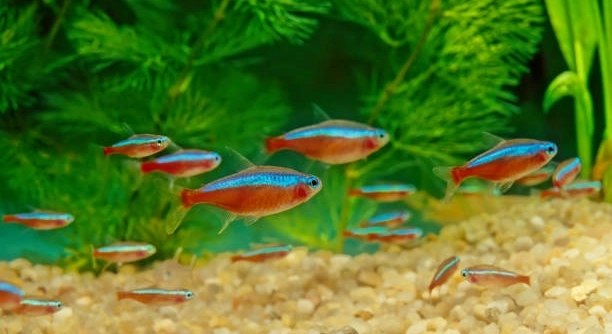
Maintaining a balanced tank for your neon tetras without frequent water changes can be a bit tricky, but it’s definitely possible with the right strategies. With a little effort, you can keep your aquarium thriving while reducing maintenance time.
To maintain a balanced neon tetra tank with minimal water changes, focus on maintaining water quality through proper filtration, tank cleaning, and managing waste levels. Adding live plants, avoiding overfeeding, and monitoring water parameters are also crucial to creating a stable environment.
By following these tips, you can improve your tank’s stability and reduce the need for frequent water changes, keeping your neon tetras healthy and happy.
1. Use a High-Quality Filter
Having a good filter is essential for reducing the need for frequent water changes in your neon tetra tank. A filter helps remove excess waste, leftover food, and other debris from the water. This ensures that the water stays cleaner for a longer period. It’s best to choose a filter rated for your tank size, ensuring it can handle the waste load.
A high-quality filter should be cleaned regularly to prevent it from becoming clogged and ineffective. Over time, filters can accumulate debris that slows down their filtration power. Regular maintenance will ensure your filter continues to work efficiently, keeping your tank in balance.
Additionally, consider using a filter with biological filtration. This type of filter supports beneficial bacteria that break down harmful ammonia and nitrites, keeping your tank healthier without the need for frequent water changes. By ensuring proper filtration, you reduce the overall stress on your tank’s ecosystem.
2. Control Feeding Habits
One of the easiest ways to keep your tank balanced without frequent water changes is to control feeding habits. Overfeeding is a common issue that leads to excess waste and water pollution. By feeding your neon tetras in moderation, you prevent food from decaying in the tank, which can lead to ammonia spikes.
Feeding smaller amounts twice a day is often enough for neon tetras. If you notice leftover food after a few minutes, reduce the portion size. Keep an eye on your fish’s feeding habits and adjust accordingly. This simple change can significantly reduce waste buildup and make it easier to maintain water quality.
Controlling feeding habits also minimizes the need for aggressive cleaning. When waste isn’t building up as quickly, the overall tank environment stays healthier for longer, making it easier to maintain balance without constant water changes. This also benefits your fish by preventing the water from becoming polluted and harmful to their health.
3. Add Live Plants to Your Tank
Live plants help keep the water clean by absorbing nitrates, which are a byproduct of fish waste. They also provide natural hiding spots for your neon tetras, promoting their well-being. Plants like java moss, anubias, and hornwort are great for smaller tanks and are easy to maintain.
These plants not only help keep the water cleaner but also contribute to the overall ecosystem of the tank. They provide oxygen, reduce algae growth, and help balance the tank’s nitrogen cycle. Having healthy plants means the tank will need fewer water changes, as they naturally filter and improve water quality.
Proper lighting is essential for plant health. Ensure your tank gets the right amount of light for your plants to thrive, but avoid excess light, which can lead to unwanted algae growth. By maintaining plant life in your tank, you create a more stable and self-sustaining environment for your neon tetras.
4. Maintain a Consistent Temperature
Neon tetras are sensitive to sudden changes in temperature, which can stress them out and negatively impact the tank’s overall balance. Maintaining a consistent temperature is key to keeping your tank healthy. A stable temperature range of 72-78°F (22-25°C) is ideal for neon tetras.
Using a reliable aquarium heater helps regulate the water temperature, preventing fluctuations that can harm the fish. It’s important to regularly check the temperature to make sure your heater is working properly and that the tank stays within the desired range. A thermometer is essential for monitoring the water temperature.
If the temperature fluctuates too much, it can affect the filtration system’s efficiency, making it harder to keep the water clean. By maintaining a steady temperature, you create a more stable environment, which reduces the need for frequent water changes and ensures your neon tetras remain healthy.
5. Use a Protein Skimmer
A protein skimmer is effective at removing organic waste, like fish food and fish waste, before it breaks down into harmful compounds. This reduces the workload on your filtration system and keeps the tank cleaner.
By removing proteins and organic matter before they decompose, a protein skimmer helps maintain water quality for longer periods. It’s especially useful in smaller tanks where waste can build up more quickly. Incorporating a protein skimmer into your tank setup helps reduce the need for frequent water changes.
6. Avoid Overstocking the Tank
Overstocking your tank is one of the quickest ways to ruin its balance. When there are too many fish in the tank, waste builds up faster than the filtration system can handle. This results in poor water quality, leading to more frequent water changes.
Maintaining a proper fish-to-tank ratio helps keep your neon tetras healthy and the tank stable. Research the ideal stocking level for your tank size to avoid overcrowding. You can also add smaller fish or invertebrates like shrimp that produce less waste, reducing the strain on the filtration system.
7. Regularly Clean the Substrate
The substrate in your tank, such as gravel or sand, accumulates waste, leftover food, and debris over time. Regularly cleaning the substrate ensures that the tank remains balanced and reduces the buildup of harmful substances.
Use a gravel vacuum to clean the substrate during partial water changes. This removes uneaten food and organic material that could otherwise decompose and negatively affect water quality. Be gentle when vacuuming to avoid disturbing beneficial bacteria that live in the substrate. Regular substrate cleaning can greatly reduce the need for frequent water changes.
FAQ
1. How often should I change the water in my neon tetra tank?
Water changes are necessary to maintain water quality, but they don’t need to be done as frequently if you follow the tips mentioned. A partial water change every 2 to 3 weeks is usually enough if your tank is balanced with proper filtration, feeding, and plant life. However, if your tank gets overstocked or the water quality decreases, you may need to adjust the schedule.
2. Can neon tetras live in unfiltered tanks?
While neon tetras can technically survive in an unfiltered tank for a short time, it is not recommended. Filters play a key role in maintaining water quality by removing waste, excess food, and other debris. Without a filter, the tank’s water quality will degrade quickly, stressing the fish and increasing the risk of disease. If you prefer to avoid frequent water changes, investing in a good filtration system is a must.
3. Can I use tap water in my neon tetra tank?
You can use tap water in your tank, but it’s essential to treat it before adding it to your aquarium. Tap water may contain chlorine or chloramine, which can harm your fish. Use a water conditioner to neutralize these chemicals and ensure the water is safe for your neon tetras. Additionally, check the water’s pH, hardness, and temperature to ensure it matches the needs of your fish.
4. Do neon tetras need a specific water temperature?
Yes, neon tetras thrive in a specific temperature range of 72-78°F (22-25°C). Sudden temperature fluctuations can cause stress and impact the overall health of the fish. Consistent temperatures are crucial to keeping your tank balanced and preventing disease. Using an aquarium heater with a reliable thermometer helps maintain the right conditions for your neon tetras.
5. Are neon tetras sensitive to water changes?
Neon tetras are somewhat sensitive to water changes, especially if they are too drastic. Rapid shifts in water temperature, pH, or hardness can stress them out. It’s important to do partial water changes slowly, using a dechlorinator and ensuring the new water matches the tank’s temperature. This helps minimize the stress on your fish.
6. Can I add more fish to a tank with neon tetras?
Yes, you can add more fish, but it’s important to ensure the tank isn’t overstocked. Overstocking increases waste production, making it harder to maintain water quality without frequent changes. Neon tetras are peaceful and can live with other small, peaceful fish. However, always keep in mind the tank size and the needs of the species you’re considering adding.
7. How do I know if my neon tetras are stressed?
Stress in neon tetras can be indicated by a loss of color, erratic swimming, or hiding more than usual. If they are gasping at the surface or showing signs of rapid gill movement, it might indicate poor water quality or temperature issues. Keeping track of water parameters and maintaining a stable environment will help reduce stress.
8. Is it necessary to add a filter if I have live plants?
Yes, a filter is still recommended, even if you have live plants. While plants help maintain water quality by absorbing nitrates, a filter ensures that debris and waste are removed, preventing the buildup of harmful substances. A filter also helps maintain water circulation, which is essential for both your plants and fish. The combination of plants and a filter can significantly reduce the need for frequent water changes.
9. Can I use aquarium salt for neon tetras?
Aquarium salt should be used cautiously with neon tetras. While it can be beneficial in treating certain diseases, it’s not typically necessary for general tank maintenance. Neon tetras are sensitive to salt, and prolonged exposure can harm them. If you are using salt as a treatment, ensure the proper dosage and only use it when necessary.
10. What can I do if I have algae in my tank?
Algae growth is common in aquariums, but excessive algae can lead to poor water quality. To prevent algae buildup, reduce the amount of light your tank gets and avoid overfeeding your fish. You can also introduce algae-eating fish like shrimp or snails to help control it. Regular tank cleaning and maintaining proper water parameters will further reduce algae growth.
11. How long do neon tetras live in a tank?
With proper care, neon tetras can live anywhere from 5 to 10 years. Factors such as water quality, diet, and overall tank conditions play a major role in their lifespan. Ensuring a stable and healthy environment will help your neon tetras live a long, happy life.
12. Can I use a gravel vacuum during every water change?
Yes, using a gravel vacuum during water changes is an effective way to remove debris and waste from the substrate. By vacuuming the gravel, you ensure that uneaten food and organic material don’t break down into harmful substances that can affect water quality. It’s especially helpful for keeping the tank clean without needing to replace all the water frequently.
13. Do neon tetras need a filter if I have shrimp in the tank?
Even with shrimp in the tank, a filter is still recommended. Shrimp help with tank cleanup by eating algae and detritus, but they don’t eliminate the need for a filter. A filter will ensure that water stays clean and that the tank maintains proper water circulation. It’s important to use a gentle filter if you have shrimp, as they are small and can get sucked into stronger currents.
Final Thoughts
Maintaining a balanced tank for your neon tetras doesn’t have to be difficult, but it does require consistency and the right approach. By ensuring proper filtration, avoiding overstocking, and keeping the water conditions stable, you can reduce the need for frequent water changes. Keeping your tank’s environment healthy is the best way to ensure that your neon tetras thrive, so it’s important to understand their specific needs and the balance of factors that impact their well-being. With just a little effort and attention, your neon tetras can enjoy a clean, stable environment that requires minimal maintenance.
As you move forward, remember that a good filtration system, along with proper feeding habits and occasional water monitoring, can make a big difference. Regularly checking water parameters like pH, temperature, and hardness will help you catch any potential issues early. If you find that your tank is out of balance, there are simple adjustments you can make, such as reducing the feeding schedule, increasing plant life, or cleaning the substrate more often. Each change you make contributes to a better, more stable environment for your fish.
Lastly, patience is key. Neon tetras are hardy fish, but it can take some time to fully balance the tank. With these seven tips, you’ll be able to maintain a healthy, beautiful tank with minimal work. It’s all about creating a stable environment where your fish can thrive without constant water changes. By maintaining the balance of factors like filtration, stocking levels, and water quality, you’ll find that your tank can stay clean and stable with less frequent maintenance.

Hello,
If you enjoy the content that we create, please consider saying a "Thank You!" by leaving a tip.
Every little bit helps us continue crafting quality advice that supports the health, happiness, and well-being of pets around the world, for pets of all shapes, sizes, and species.
We really appreciate the kindness and support that you show us!