
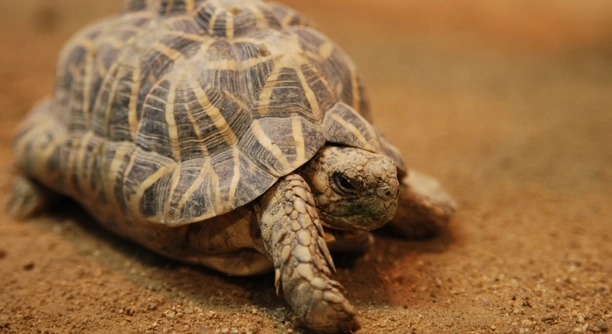
Monitoring the weight of your Indian Star Tortoise is crucial for its health and well-being. Maintaining a healthy weight ensures it thrives in captivity and prevents potential health issues.
To monitor your Indian Star Tortoise’s weight, regular weighing with a suitable scale is essential. Keeping track of changes can help you spot early signs of illness or malnutrition, allowing for timely intervention.
Several tools can assist you in this task, offering a variety of options for precise weight measurements and tracking. These tools can make the process easier and more efficient for you and your tortoise.
Why Weight Monitoring is Important for Indian Star Tortoises
Monitoring your tortoise’s weight is vital because it helps you detect health issues early. If your tortoise gains or loses weight rapidly, it could indicate a problem like dehydration, malnutrition, or a parasitic infection. Regular weight checks allow you to make adjustments to its diet or habitat to prevent long-term health issues. Weight fluctuations can also indicate stress, which affects your tortoise’s overall well-being.
Tracking weight is simple yet effective. You don’t need to weigh your tortoise daily, but doing so every week or two can give you a clear picture of its health. The earlier you spot any unusual changes, the faster you can act.
In addition to health, monitoring weight helps you understand your tortoise’s growth patterns. An underweight tortoise might need more food or a change in its diet. An overweight tortoise could be a sign of overfeeding or lack of exercise, leading to potential health issues like shell deformities. By keeping a consistent record of weight, you ensure your tortoise remains happy and healthy throughout its life.
Best Scales to Use for Weighing Indian Star Tortoises
When selecting a scale for your tortoise, opt for one that can handle the weight range of your pet.
Digital scales work best for precision. You want a scale with a platform large enough to comfortably fit your tortoise, as well as one that offers an accurate reading. Many digital scales come with tare functionality, which lets you subtract the weight of the container used to hold your tortoise. This ensures you get an accurate reading.
Some pet owners prefer mechanical scales, which are more durable but can be a bit trickier to use. You will need to carefully place your tortoise on the scale to avoid unnecessary movement, which can affect the reading. With either scale, the key is consistency. Make sure you weigh your tortoise in the same way each time to get reliable measurements.
Digital vs. Mechanical Scales
Digital scales are often preferred for their accuracy and ease of use. They give precise readings and can be adjusted for different weights quickly. The downside is they may require batteries or charging, which can be inconvenient if they run out unexpectedly.
Mechanical scales, on the other hand, are simple and durable, with no need for batteries. They also provide a reliable, consistent weight reading. However, the accuracy might not be as fine-tuned as digital options. You’ll need to be careful when reading the scale, as movement can sometimes alter the weight.
Both scales have their merits, but for regular use, digital scales are usually better for monitoring small pets like tortoises. They offer accuracy with minimal effort, making them the go-to choice for many tortoise owners. Just make sure to choose a scale that can handle the weight of your tortoise and provide clear readings.
Tools to Track Weight Over Time
You may want a way to track the changes in your tortoise’s weight over time. Recording the data in a simple notebook or digital log can help you spot patterns, like weight loss or gain.
Using apps designed for pet care is another option. These apps can help track multiple factors such as weight, diet, and temperature. You’ll have everything in one place, making it easier to spot trends. This also allows you to share the data with a vet if needed.
By consistently logging your tortoise’s weight, you’ll have a reliable record to reference. This is especially important when dealing with growth patterns, illness, or changes in diet. Keeping track helps you adjust its care accordingly.
How Often Should You Weigh Your Tortoise?
Weighing your tortoise once a week is usually sufficient. However, if it’s recovering from illness or undergoing a diet change, more frequent checks are beneficial. Keeping a consistent schedule helps you spot fluctuations in weight that may indicate health issues.
If your tortoise is growing, you may want to weigh it more often to ensure it’s progressing at a healthy rate. Regular monitoring also gives you a clearer understanding of its baseline weight, so any changes are easier to notice.
Factors That Can Affect Weight Readings
A variety of factors can impact the weight reading. Time of day, recent meals, and hydration levels all influence how much your tortoise weighs. Always try to weigh your tortoise at the same time each day for more consistent results.
Changes in the environment, such as temperature or humidity, may also affect your tortoise’s behavior and, consequently, its weight. If your tortoise seems more active or stressed, it could temporarily lose weight. Regular weighing helps you account for these variables.
Maintaining a Healthy Weight for Your Tortoise
Ensuring a healthy weight for your Indian Star Tortoise is a balancing act. You’ll need to provide a proper diet and an environment that supports healthy growth. Overfeeding or underfeeding can both lead to long-term health issues. A balanced diet with varied greens, occasional fruits, and proper calcium intake is key.
FAQ
How do I know if my tortoise is underweight?
If your tortoise appears lethargic or has a noticeable lack of energy, it may be underweight. You can also feel along its shell and body. An underweight tortoise will have prominent bones or a less-rounded appearance. Regular weight tracking is essential to monitor changes. If you notice a steady decrease or drastic drop in weight, consult a vet. They can help you figure out whether it’s due to diet, illness, or environmental factors.
How do I know if my tortoise is overweight?
Overfeeding can lead to obesity, which can cause long-term health issues for your tortoise. An overweight tortoise may show signs like a bloated or unusually rounded shell, a lack of mobility, and lethargy. Regular weighing can help you spot unhealthy weight gain early. If your tortoise is gaining weight too quickly, reduce its food intake, especially high-calcium foods like lettuce or fruit. A balanced diet, along with adequate space for exercise, will help prevent overfeeding.
Can I weigh my tortoise on a regular kitchen scale?
A kitchen scale can work, but it may not be the most accurate for tortoises. Kitchen scales are often designed for smaller, lighter items. It may not give you the precision needed to track weight changes in a tortoise. However, if you have a digital kitchen scale with a platform large enough for your tortoise, it can work as a temporary solution. Just make sure it’s stable, and try to weigh your tortoise the same way each time.
How do I weigh a baby Indian Star Tortoise?
Weighing a baby Indian Star Tortoise is similar to weighing an adult. However, you will need to be extra careful, as baby tortoises are more delicate. Use a smaller, precise scale to ensure you can measure the small increments of weight accurately. Place the tortoise on the scale gently and ensure it stays still during the process. You can use a shallow container or a towel to help keep it calm.
Is it normal for my tortoise’s weight to fluctuate?
Yes, some fluctuation in weight is normal, especially if your tortoise is young or adjusting to a new diet or environment. Small daily changes are usually harmless. However, larger fluctuations or a rapid weight loss or gain over a short period should be monitored carefully. Sudden weight loss could be a sign of health issues like parasites, dehydration, or inadequate nutrition. On the other hand, rapid weight gain may signal overfeeding or lack of physical activity.
What should I do if my tortoise won’t stay still on the scale?
If your tortoise is fidgeting and won’t stay still, try placing it in a shallow container or on a towel before placing it on the scale. This can help keep it calm and prevent movement that could affect the reading. You can also try gently guiding it into a corner or onto the scale in a way that it feels secure. If all else fails, try weighing it when it is resting or in a more relaxed state, like after it’s finished eating.
How do I calculate if my tortoise is growing at a healthy rate?
A healthy rate of growth depends on the species and age of the tortoise. Typically, Indian Star Tortoises grow slowly, gaining about 1 to 2 cm in shell length per year. If you’re unsure whether your tortoise is growing well, track its weight and shell measurements regularly. Compare these to the expected growth patterns for your tortoise’s age and species. If your tortoise isn’t growing as expected, it may indicate an issue with its diet, habitat, or health, requiring you to seek advice from a veterinarian.
How do I weigh my tortoise if it has a large shell?
If your tortoise has a large shell, you’ll need to find a scale that can support its weight. A regular kitchen scale may not be large enough to accommodate a full-grown tortoise comfortably. Opt for a larger platform scale designed for heavier pets. You can also use a digital scale with a flat, spacious surface. Ensure the scale is placed on a stable surface to prevent tipping or inaccurate readings.
How often should I take my tortoise to the vet?
Taking your tortoise to the vet once a year for a check-up is a good idea, especially if you’re monitoring its weight and health closely. However, if you notice any sudden weight changes, lethargy, changes in behavior, or unusual shell conditions, it’s best to schedule a vet visit right away. Regular vet visits help catch potential issues early and ensure your tortoise’s overall health is in check.
What other health indicators should I look for aside from weight?
Aside from weight, you should also monitor your tortoise’s behavior, shell condition, and eating habits. A healthy tortoise will be active and curious. Any sudden lethargy or hiding can be a sign of stress or illness. Check the shell for signs of cracks, scabs, or soft spots. Healthy tortoises will have firm, smooth shells. Changes in appetite, such as refusing food, can also be a red flag. Regularly monitoring your tortoise’s behavior and physical condition will help you spot issues early on.
Final Thoughts
Monitoring the weight of your Indian Star Tortoise is essential for its health. Regular weighing allows you to notice changes in its weight before they become significant problems. Weight fluctuations can be an early sign of health issues such as dehydration, malnutrition, or illness. By catching these signs early, you can take appropriate action and seek advice from a vet if necessary. Keeping track of its weight also helps you understand its growth patterns, ensuring your tortoise is developing properly and receiving the correct diet.
While weighing your tortoise is important, it’s not the only factor to consider. A balanced diet, proper habitat conditions, and enough space to move and exercise are also key to maintaining its overall health. The environment plays a huge role in how your tortoise grows and thrives. Make sure the temperature, humidity, and lighting are all set correctly for its needs. Overfeeding or underfeeding can both be harmful, so it’s important to provide a healthy variety of foods. Monitoring these other aspects of care is just as vital as tracking its weight.
Finally, choosing the right tools for weighing your tortoise can make the process simpler. Whether you opt for a digital or mechanical scale, accuracy is essential. Make sure to weigh your tortoise in a way that minimizes stress, and keep a log of its weight to track progress over time. Using an app or notebook to record data can be very helpful in spotting patterns or trends. With these practices in place, you will be better equipped to care for your tortoise and ensure it stays healthy and happy for years to come.

Hello,
If you enjoy the content that we create, please consider saying a "Thank You!" by leaving a tip.
Every little bit helps us continue crafting quality advice that supports the health, happiness, and well-being of pets around the world, for pets of all shapes, sizes, and species.
We really appreciate the kindness and support that you show us!