
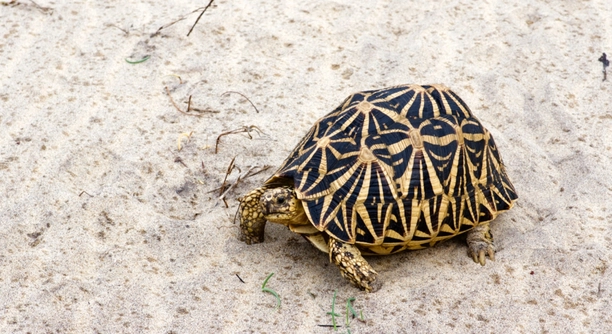
Indian Star Tortoises are popular pets known for their unique beauty and calm demeanor. However, like all pets, they can experience stress from various factors. Understanding these stressors is important for keeping them healthy and happy.
There are several common stressors for Indian Star Tortoises, including improper habitat conditions, poor diet, inadequate lighting, handling, and social isolation. Addressing these issues can help reduce stress and ensure your tortoise’s well-being.
Taking the time to recognize and eliminate these stressors will make a significant difference in your tortoise’s health and happiness.
Habitat Stressors: Inadequate Space and Temperature
Indian Star Tortoises need a spacious and properly heated environment to thrive. When their enclosure is too small or the temperature is off, it can cause a lot of stress. A cramped space limits their ability to move around and exercise, while poor temperature control can affect their metabolism and immune system. They require a warm spot to bask and a cooler area for rest. Without these temperature gradients, they can become lethargic and anxious.
Providing enough space allows them to explore and feel secure. It’s crucial to monitor both the ambient temperature and the basking spot to ensure they stay within the optimal range. This helps them stay active and healthy.
Investing in a well-sized enclosure, keeping it clean, and maintaining proper temperature conditions will go a long way in making your tortoise feel at ease. Without the right environment, stress can build up, leading to possible health issues over time.
Poor Lighting Conditions
Lighting plays a significant role in your tortoise’s health and behavior. Without access to UVB light, tortoises can develop metabolic bone disease and other issues.
Ensure your tortoise has access to proper UVB lighting for about 10-12 hours daily. It supports calcium absorption and helps regulate their circadian rhythm, preventing stress.
Improper Diet and Hydration
An improper diet can lead to stress in Indian Star Tortoises. They need a variety of greens, fruits, and occasional flowers to stay healthy. Without the right nutrients, their digestive system can be affected, causing discomfort.
A diet lacking in fiber or high in protein can lead to issues like shell deformities or kidney problems. Regularly offering fresh vegetables such as dandelion greens, collard greens, and some fruits like papaya can help maintain balance. Proper hydration is equally important, as it supports digestion and overall well-being.
Make sure you provide a variety of foods to meet their nutritional needs. A healthy, balanced diet not only reduces stress but also promotes their natural behaviors. Offering fresh water daily helps them stay hydrated, which is essential for avoiding dehydration-related stress.
Handling and Interaction
Over-handling can stress Indian Star Tortoises, especially when they feel threatened or insecure. They prefer minimal interaction and should be left alone in their habitat to feel safe.
Frequent picking up or sudden movements can make them anxious. Instead, observe them from a distance and only handle them when necessary, such as during cleaning or health checks. Gradually, they may become more tolerant of gentle handling, but forcing interaction can do more harm than good.
Patience is key when it comes to handling your tortoise. It’s important to respect their natural behavior and not overwhelm them with too much attention. By creating a calm environment, your tortoise will feel more secure and less stressed.
Social Isolation
Indian Star Tortoises are solitary by nature, but social isolation can still be stressful for them. They may become depressed or lethargic if they don’t have any interaction. It’s important to observe their behavior and see if they show signs of loneliness.
While they don’t require constant company, providing enrichment in their environment can help prevent isolation-related stress. Adding natural elements like plants, hides, and climbing structures can give them something to engage with, reducing boredom and stress. This also helps them feel more comfortable in their space.
Noise and Environment Disturbances
Loud sounds or sudden disturbances can make your tortoise anxious. Their sensitive hearing means that noises from household activities or pets can be unsettling.
Ensure their environment is quiet and peaceful. Keeping their enclosure in a low-traffic area of your home can help reduce noise-related stress. This simple change can make a noticeable difference in their behavior.
Improper Substrate
The wrong type of bedding can cause discomfort and stress for Indian Star Tortoises. A substrate that is too dry or too moist can affect their health and stress levels.
Choose a substrate that mimics their natural habitat, such as coconut coir, which provides good moisture control and comfort. A soft, breathable surface ensures they feel secure and helps prevent issues like skin irritation or improper humidity.
FAQ
What should I do if my tortoise is stressed?
If you notice signs of stress in your tortoise, such as hiding, lack of appetite, or irregular behavior, the first step is to assess its environment. Make sure the temperature, humidity, and lighting are optimal. Check that your tortoise has enough space to move around and that its diet is balanced. Sometimes, simply reducing handling or giving them a quiet space can help relieve stress. If the symptoms persist, consider consulting a vet to rule out any underlying health issues.
How can I tell if my tortoise is dehydrated?
Dehydration in Indian Star Tortoises can show up as sunken eyes, dry skin, or lack of energy. If your tortoise is not drinking water regularly or its diet doesn’t contain enough moisture-rich foods like leafy greens, dehydration could be the cause. You can try soaking your tortoise in shallow, warm water for about 20-30 minutes to help rehydrate it. Make sure it has access to fresh water at all times and that the humidity in its enclosure is at the right level.
Can I house multiple Indian Star Tortoises together?
Indian Star Tortoises are territorial animals and may not do well living with others, especially in a small space. If you choose to house multiple tortoises together, ensure that the enclosure is large enough for each tortoise to have its own space to roam, bask, and eat. Even in larger enclosures, there can be territorial disputes, so it’s important to monitor them closely. If any tortoise shows signs of aggression or stress, separate them immediately to avoid injury.
How often should I feed my tortoise?
Indian Star Tortoises should be fed every other day, depending on their age and size. Younger tortoises generally need to eat more often to support their growth. Provide a variety of dark leafy greens like kale, collard greens, and dandelion leaves. You can also offer occasional fruits like papaya or melons, but avoid too much high-calcium food or protein as it can lead to health issues. Always remove any uneaten food to avoid it spoiling in the enclosure.
What kind of lighting does my tortoise need?
Your Indian Star Tortoise requires access to both UVA and UVB lighting. UVA helps them regulate their behavior and activity levels, while UVB is crucial for calcium absorption and shell health. Ensure the UVB light is the correct type and placed at the proper distance from your tortoise. This lighting should be on for 10-12 hours daily, mimicking natural sunlight. You may also want to use a basking light to create a warm area in the enclosure where they can regulate their body temperature.
How do I keep my tortoise’s shell healthy?
A healthy shell requires proper diet, hydration, and UVB exposure. Calcium is key for shell development, so ensure your tortoise has a diet rich in calcium-rich foods like dark leafy greens. Additionally, providing a UVB light helps them absorb calcium properly. Keep the enclosure humidity balanced to avoid shell problems like pyramiding, which happens when the tortoise grows too quickly in dry conditions. Regular soaking can also keep the shell hydrated and clean.
Why is my tortoise not eating?
There are a number of reasons why a tortoise might not be eating, including stress, illness, or environmental factors. If the enclosure temperature is too high or low, the tortoise may lose its appetite. Check that the temperature is within the proper range and that it has access to the right type of food. Stress from over-handling, new environments, or incompatible tank mates can also cause a loss of appetite. If your tortoise refuses to eat for more than a few days, it’s best to consult a vet.
Can Indian Star Tortoises live outside?
Indian Star Tortoises can live outdoors, but only if the climate is warm enough. They thrive in temperatures between 80-90°F (27-32°C) during the day and 70-75°F (21-24°C) at night. They should not be exposed to extreme temperatures or humidity. If you live in an area with cold winters, it’s important to bring your tortoise inside during the colder months. Also, ensure that the outdoor space is secure and escape-proof, as tortoises are excellent at finding ways to wander off.
How do I clean my tortoise’s enclosure?
Cleaning your tortoise’s enclosure regularly is crucial for maintaining a healthy environment. Remove any uneaten food daily, and spot clean any waste. Once a week, thoroughly clean the substrate, using a reptile-safe disinfectant to avoid harmful bacteria. Be sure to clean the water bowl and any surfaces the tortoise comes into contact with. A clean habitat not only helps prevent illness but also reduces stress in your tortoise by ensuring they feel safe and comfortable.
Is it okay to handle my tortoise often?
Handling your tortoise should be done sparingly, as over-handling can cause stress. Tortoises generally prefer to be left alone in their enclosure, where they feel safe. If you need to handle your tortoise for cleaning or health checks, do so gently and avoid excessive handling. Let them explore and interact at their own pace. With time, your tortoise may become more accustomed to being held but always respect their space and needs.
How can I prevent my tortoise from getting sick?
To prevent illness, focus on providing a balanced diet, proper lighting, a spacious and clean enclosure, and good hydration. Avoid sudden temperature fluctuations and ensure your tortoise has access to UVB light for calcium absorption. Regularly check for signs of stress or illness, such as lethargy or a lack of appetite, and take action quickly. Keeping your tortoise’s habitat clean and providing enrichment will also help prevent common diseases. If you notice anything unusual, it’s best to consult a vet promptly.
Taking care of an Indian Star Tortoise involves more than just providing food and water. These creatures thrive in a well-maintained environment that supports their natural behaviors and health needs. Stress can significantly affect their well-being, so it’s important to regularly check their habitat conditions, diet, and overall health. By being aware of the common stressors and how to avoid them, you can ensure your tortoise stays happy and healthy.
Creating a safe, comfortable space for your tortoise is crucial. Temperature, lighting, and space all play important roles in preventing stress. If these factors are not met, your tortoise may show signs of discomfort, which can lead to health problems over time. It’s also important to provide a balanced diet, rich in fiber and calcium, to support their growth and shell health. Offering a variety of fresh vegetables, fruits, and occasional flowers ensures your tortoise gets all the nutrients it needs. Remember, dehydration can also be a stressor, so regular access to water is essential.
Lastly, while Indian Star Tortoises are solitary animals, they still require attention and care. Although they don’t need constant interaction, providing them with enrichment and a peaceful, quiet environment is vital. This helps reduce anxiety and allows them to feel secure in their space. Handling should be done carefully and only when necessary to avoid stress. With patience and proper care, your tortoise will thrive in its environment and enjoy a long, healthy life. Regular health checks, proper hydration, and an enriched living space can help prevent most stress-related issues.

Hello,
If you enjoy the content that we create, please consider saying a "Thank You!" by leaving a tip.
Every little bit helps us continue crafting quality advice that supports the health, happiness, and well-being of pets around the world, for pets of all shapes, sizes, and species.
We really appreciate the kindness and support that you show us!