
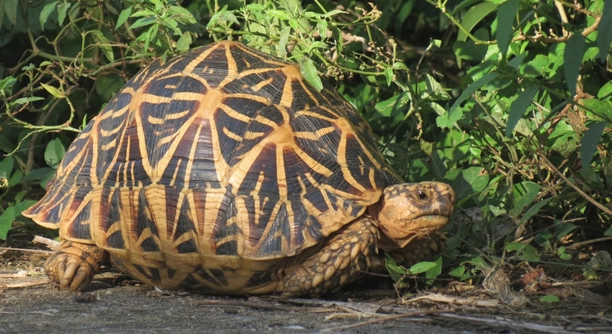
Overgrown nails in Indian star tortoises can be a common concern for pet owners. Regular care is essential to maintain their health and prevent potential issues. Here’s how you can manage this problem with simple steps.
Managing overgrown nails involves regular trimming, providing a suitable environment, and offering the right diet. Tortoises need appropriate surfaces to naturally wear down their nails. Routine care and observation can prevent the nails from becoming excessively long.
With these tips, you can ensure your tortoise stays healthy and comfortable. Proper care goes beyond just trimming; it also includes understanding their environment and habits.
Why Overgrown Nails Can Be a Problem for Indian Star Tortoises
Overgrown nails can cause discomfort and even health problems for Indian star tortoises. If left untreated, the nails may curl, causing difficulty in walking. Tortoises rely on their nails for grip, helping them move and climb. Long nails may also become a breeding ground for bacteria or lead to injury. Without regular trimming, the nails may grow too long, impacting your pet’s overall well-being. This is why it’s important to monitor their nails closely and address any growth issues promptly.
While trimming the nails can seem like a simple task, it’s necessary to approach it with care. Too much trimming can harm the tortoise, so it’s important to understand when and how much to cut. Regularly checking your tortoise’s nails can help you stay ahead of any potential problems.
Offering a suitable living environment can play a significant role in preventing overgrown nails. Tortoises need space to roam, and surfaces like rocks or rough flooring help naturally wear down the nails. Without these conditions, you might find yourself trimming more often than necessary. Balancing proper care with the right environment is key to managing overgrown nails and ensuring your tortoise’s comfort.
How to Trim Overgrown Nails Safely
When trimming overgrown nails, it’s essential to do it carefully to avoid harming your tortoise. Use proper tools, such as pet nail clippers, and always cut at the right angle. Cutting too short can lead to bleeding and pain.
To ensure your tortoise’s nails are trimmed properly, you should examine each one carefully before clipping. Make sure you are only cutting the excess growth and not too close to the quick, the sensitive part of the nail. Always trim a little at a time to avoid cutting too much. If you’re unsure, take your tortoise to a professional veterinarian for nail care guidance. With the right technique, trimming can be a simple and safe task for your tortoise’s health.
Importance of Providing a Suitable Environment
A suitable environment plays a crucial role in preventing overgrown nails in tortoises. Natural surfaces like rocks or rough terrain allow the nails to wear down naturally, reducing the need for frequent trims. Ensuring the right habitat can minimize nail problems in the long run.
Without appropriate surfaces, tortoises may struggle to wear down their nails, leading to excessive growth. Including areas with gravel, concrete, or rough outdoor spaces can provide the right textures. It’s important to offer both indoor and outdoor environments with varying textures for your tortoise to roam on. This helps mimic natural conditions and promotes healthy nail growth.
In addition to rough surfaces, adequate space for movement is essential. Tortoises need room to explore and engage in natural behaviors like climbing or digging. Overcrowding or lack of movement can prevent nails from being worn down. Proper enclosure size and layout will encourage more natural movement patterns and contribute to overall nail health.
Diet’s Role in Nail Health
The food your tortoise eats directly impacts its overall health, including nail growth. A balanced diet rich in fiber and calcium helps maintain strong and healthy nails. Offer a variety of leafy greens, fruits, and vegetables for optimal nutrition.
Tortoises with poor diets are at risk of weakened nails that may grow unevenly or become brittle. Calcium plays a particularly important role, as it strengthens both the shell and nails. Foods like dandelion greens, kale, and broccoli are excellent sources of calcium. Pair these with fiber-rich foods like grasses or hay to support digestion and overall wellness. Ensuring a balanced diet encourages healthy growth and reduces the risk of overgrown nails.
Hydration is another key aspect of maintaining nail health. Tortoises need access to fresh water at all times, as dehydration can affect their skin and nails. A well-balanced diet combined with proper hydration is essential for keeping your tortoise healthy and preventing nail issues.
Regular Nail Checks
Regularly check your tortoise’s nails to catch any growth problems early. Inspect them at least once a week to ensure they are not growing too long or becoming uneven. Early detection helps prevent more serious issues down the road.
Keep an eye out for any signs of curling or discomfort. If the nails look too long or out of shape, it’s time to address them before they become a problem. Regular checks also help you spot infections or injuries. Routine care ensures your tortoise’s nails stay healthy.
Nail Care Tools
Having the right tools for trimming your tortoise’s nails is essential. Invest in quality nail clippers specifically designed for reptiles. These clippers are easier to use and reduce the risk of injury. Keep them clean and sharp for safety.
Additionally, have a styptic powder on hand in case you accidentally cut too far. This powder helps stop any bleeding and is useful in emergencies. Proper tools will make nail trimming a smoother and safer process. With the right equipment, you can maintain your tortoise’s nails with confidence.
Handling Your Tortoise During Nail Care
When trimming your tortoise’s nails, it’s important to handle them gently. Make sure your tortoise is calm before starting the process. A stressed tortoise can make trimming more difficult and increase the risk of injury. Keep them in a secure position to avoid sudden movements.
Ensure you are using a soft grip to hold them steady but not too tight. Comfort is key to reducing anxiety. Providing a calm environment makes the nail trimming process easier and safer for both you and your tortoise.
FAQ
How often should I trim my tortoise’s nails?
Trimming your tortoise’s nails should be done as needed, typically every few months, depending on their activity level and the environment. If they are not naturally wearing down their nails due to insufficient rough surfaces, you may need to trim them more frequently. Regular checks will help determine when trimming is necessary.
What happens if I don’t trim my tortoise’s nails?
Neglecting to trim overgrown nails can lead to several issues. If the nails grow too long, they may cause discomfort and prevent your tortoise from walking properly. Long nails can also become brittle, increasing the risk of injury. In extreme cases, overgrown nails could lead to infection or other health problems.
Can I trim my tortoise’s nails myself?
Yes, you can trim your tortoise’s nails at home if done carefully. Use appropriate tools like reptile nail clippers, and always trim a little at a time to avoid cutting too short. If you’re unsure, you can consult a vet for advice or seek professional help for trimming.
What should I do if I cut my tortoise’s nail too short?
If you accidentally cut your tortoise’s nail too short and it starts to bleed, apply styptic powder immediately to stop the bleeding. You can also use cornstarch as a temporary substitute if you don’t have styptic powder. Avoid using a bandage, as it may cause your tortoise distress.
How can I prevent my tortoise’s nails from getting overgrown?
Providing a natural environment with rough surfaces like rocks, gravel, or concrete will help your tortoise wear down its nails naturally. Ensure they have enough space to move around and engage in activities like climbing and digging. A balanced diet and proper hydration also contribute to overall nail health.
What is the quick of a tortoise’s nail?
The quick is the sensitive tissue inside the nail, which contains blood vessels. It’s important to avoid cutting this part, as it can cause pain and bleeding. When trimming, always cut just the excess nail and leave the quick intact to ensure a safe and comfortable trimming process.
Is it normal for a tortoise’s nails to be uneven?
It’s normal for a tortoise’s nails to grow unevenly, especially if they aren’t getting the right environmental conditions. However, if the unevenness is extreme or causing discomfort, it may require trimming or adjustments to their habitat. Regular checks will help you stay on top of their nail health.
Can I use human nail clippers for my tortoise?
It’s not recommended to use human nail clippers on your tortoise. Reptile nail clippers are specifically designed for their thicker, tougher nails and will make the process smoother and safer. Using human clippers may result in injury or uneven cuts, which can stress your tortoise.
How do I know if my tortoise’s nails are too long?
If you notice that your tortoise is having difficulty walking, climbing, or gripping, its nails may be too long. Additionally, if the nails are visibly curled or if the tortoise seems uncomfortable, it’s a sign that trimming is necessary. Regular checks can help prevent this from becoming an issue.
What type of diet helps with nail health?
A diet rich in fiber, calcium, and other essential nutrients promotes healthy nail growth. Provide leafy greens like kale, dandelion, and collard greens, along with calcium-rich foods like cactus pads or broccoli. Ensure your tortoise’s diet includes a variety of fresh vegetables, grasses, and occasional fruits for optimal health.
How can I help my tortoise relax during nail trimming?
To help your tortoise relax, make sure the environment is calm and quiet. Handle them gently and avoid rushing the process. You can offer them their favorite food before or after trimming to create a positive association with the experience. Taking breaks during trimming can also reduce stress.
Should I take my tortoise to a vet for nail trimming?
If you’re unsure about trimming your tortoise’s nails or if you’re concerned about causing harm, it’s best to consult a vet. A professional can help trim the nails safely and offer advice on maintaining proper nail health in the future. Regular vet visits can also ensure that your tortoise is healthy overall.
How do I trim my tortoise’s nails properly?
Start by carefully holding your tortoise and keeping them calm. Use reptile nail clippers, cutting only a small portion of the excess nail. Make sure to avoid cutting the quick, and if in doubt, trim a little at a time. Always keep the clipping angle consistent and even to avoid damaging the nail.
Is it necessary to trim my tortoise’s nails if they are not overgrown?
If your tortoise’s nails are staying at a healthy length and aren’t becoming overly long, you don’t need to trim them. However, regular checks will ensure that they remain in good condition. If your tortoise is active and has the right environment, the nails may stay naturally worn down.
What should I do if my tortoise has cracked nails?
Cracked nails should be treated carefully. If the crack isn’t deep, keep the area clean and monitor it for infection. You can apply a mild antiseptic to the affected area. If the crack is severe, or if there’s swelling or bleeding, it’s best to take your tortoise to a vet for treatment.
Final Thoughts
Taking care of your tortoise’s nails is an essential part of their overall health and well-being. While it may seem like a small task, overgrown nails can lead to discomfort and other health problems. By regularly checking and trimming their nails, you can help your tortoise maintain a comfortable lifestyle and avoid unnecessary issues. Ensuring that your tortoise has a proper environment with rough surfaces will also help naturally wear down their nails and reduce the need for frequent trimming.
It’s important to handle the nail trimming process gently and carefully. Using the right tools, such as reptile-specific clippers, can make the job easier and safer for both you and your tortoise. Always trim a little at a time to avoid cutting too short and causing injury. If you’re unsure or feel uncomfortable trimming their nails yourself, it’s perfectly fine to consult a vet for guidance or to have the nails trimmed professionally.
Remember, the key to healthy nails is a balance of proper care, diet, and environment. By creating the right conditions for your tortoise and regularly checking their nails, you can ensure that their overall health remains strong. Taking these small steps can make a big difference in your tortoise’s life, keeping them happy and active for years to come.

Hello,
If you enjoy the content that we create, please consider saying a "Thank You!" by leaving a tip.
Every little bit helps us continue crafting quality advice that supports the health, happiness, and well-being of pets around the world, for pets of all shapes, sizes, and species.
We really appreciate the kindness and support that you show us!