
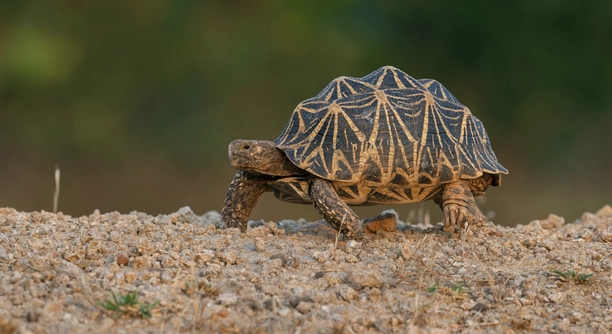
Enriching your Indian Star Tortoise’s diet is key to ensuring it remains healthy and strong. A proper diet supports its growth, shell development, and overall well-being. Different foods offer varied nutritional benefits for these reptiles.
To effectively enrich your Indian Star Tortoise’s diet, consider incorporating a mix of leafy greens, vegetables, and occasional fruits. Protein sources like insects or high-quality tortoise pellets can also be beneficial. A diverse diet helps maintain optimal health.
A well-rounded diet will contribute to a more active and healthier tortoise, ensuring it thrives in your care.
Leafy Greens: A Must-Have for Your Indian Star Tortoise
Leafy greens should make up the majority of your Indian Star Tortoise’s diet. Varieties like dandelion greens, collard greens, and mustard greens are great choices. These vegetables are rich in calcium, essential for shell health, and provide important vitamins. Leafy greens also help with hydration, as many of them have a high water content. When preparing the greens, it’s important to wash them thoroughly to remove any pesticides or contaminants. Offering a mix of different greens keeps the diet interesting for your tortoise. Remember, not all greens are suitable, so avoid those high in oxalates, like spinach.
A balanced variety of greens can enhance your tortoise’s diet. They should be served fresh, ensuring they remain nutritious and appealing.
Feeding a consistent selection of leafy greens will not only improve the tortoise’s digestive health but also promote healthy shell growth. Regularly rotating greens can prevent dietary boredom and encourage better feeding habits.
Vegetables and Fruits: The Right Choices
While leafy greens are the foundation, vegetables and fruits can be added in moderation. Squash, zucchini, and bell peppers provide essential vitamins and fiber. Fruits like papaya, strawberries, and melons can also be offered occasionally as treats. These foods are high in water, which helps keep your tortoise hydrated. However, fruits should be fed sparingly due to their sugar content.
Vegetables like carrots, sweet potatoes, and turnips are great additions to their diet. These root vegetables are high in nutrients and provide variety. They help in keeping your tortoise engaged during feeding, ensuring it stays active and healthy.
Protein Sources: Including Insects and Pellets
Including protein in your tortoise’s diet is essential for muscle development and overall health. Offering a variety of insects, like mealworms or crickets, can provide high-quality protein. These can be given once or twice a week. Tortoise pellets, which contain animal proteins, are another excellent option, ensuring nutritional balance.
Feeding insects can be tricky. It’s important to ensure they are appropriately sized and not too fatty. When offering live insects, ensure they’re gut-loaded with healthy food for the best nutrition. Protein-rich pellets designed for tortoises provide consistency, but should be given sparingly to avoid excessive protein intake.
Be cautious with protein offerings as overfeeding can lead to health issues. Stick to the recommended amounts and maintain a balance with other plant-based foods. This variety will ensure your tortoise gets a wide range of nutrients for optimal growth and vitality.
The Importance of Hydration
Hydration plays a crucial role in maintaining your tortoise’s health. Fresh water should always be available for your Indian Star Tortoise, and you may also consider soaking them in shallow water for hydration.
It’s best to use a shallow water dish that your tortoise can easily access and drink from. Make sure to clean the dish daily to prevent bacteria growth. Providing access to clean, fresh water encourages healthy digestion and keeps your tortoise hydrated without the risk of dehydration. Avoid using too deep of a dish as this may cause drowning risk.
Regular soaking helps with hydration and aids in shedding old skin. Be sure to observe your tortoise’s behavior, as dehydration can result in lethargy and other health concerns.
Supplements: Enhancing the Diet
Supplements like calcium and vitamin D3 are vital for the proper growth and shell development of your Indian Star Tortoise. Calcium is necessary for strong bones and shell health, while vitamin D3 helps with calcium absorption. These supplements can be sprinkled over their food.
It’s important not to overdo supplements. Too much calcium or vitamin D3 can cause imbalances. Follow the recommended dosages and adjust based on your tortoise’s age, activity, and health. Keeping supplements balanced will ensure your tortoise gets everything it needs without risking deficiencies or excesses.
Variety: Offering a Balanced Diet
Variety is key to providing a healthy diet for your tortoise. In the wild, their diet is diverse, so it’s essential to offer them a range of foods. A balanced mix of leafy greens, vegetables, fruits, and proteins will mimic their natural feeding habits and keep them engaged.
Rotating food types keeps your tortoise interested in its meals. Additionally, variety helps provide a broader spectrum of nutrients, ensuring they don’t miss out on essential vitamins and minerals. Introducing new foods periodically also reduces the risk of dietary boredom, which may cause reluctance to eat.
Avoiding Toxic Foods
Some foods are toxic to tortoises and should be completely avoided. These include lettuce varieties like iceberg, as well as rhubarb, avocado, and certain flowers. These can cause digestive issues or more severe health problems.
Being aware of toxic foods will prevent potential harm. Always double-check the foods before feeding and make sure they are safe for your tortoise. If unsure, research the food before introducing it to their diet.
FAQ
What should I feed my Indian Star Tortoise daily?
A good daily diet for your Indian Star Tortoise consists mainly of leafy greens like dandelion, collard greens, and mustard greens. These should be offered in generous portions, making up about 80-90% of their diet. Fresh vegetables, such as squash, zucchini, and bell peppers, can be given daily in smaller amounts. Fruits like papaya and strawberries should only be offered as treats, a few times a week. It’s essential to mix up the types of greens and vegetables for variety and nutrition.
Can I feed my Indian Star Tortoise fruits?
Fruits can be included in your tortoise’s diet but should be given sparingly. While they enjoy fruits like apples, melons, and strawberries, these should only be offered as occasional treats due to their sugar content. Too much fruit can upset their digestive system and lead to obesity. Always ensure that fruits are fresh, and remove any seeds or pits that might be harmful.
Is it necessary to supplement my Indian Star Tortoise’s diet with calcium?
Yes, calcium supplements are necessary for the health of your tortoise. Calcium helps to maintain strong bones and supports healthy shell growth. You should sprinkle a calcium supplement on their food a couple of times a week. Be sure to use a calcium powder without added phosphorus or other unnecessary additives. Additionally, providing access to UVB lighting or natural sunlight will help your tortoise synthesize vitamin D3, which aids in calcium absorption.
How often should I feed my Indian Star Tortoise?
Adult Indian Star Tortoises can be fed every other day or 3-4 times a week, depending on their age and activity level. Hatchlings and young tortoises, however, require more frequent meals, about 5-7 times per week. It’s crucial to avoid overfeeding, as this can lead to obesity and other health issues. Make sure to offer fresh food daily, but avoid leaving uneaten food in the enclosure for too long, as it can spoil.
Can I give my Indian Star Tortoise protein?
Yes, your Indian Star Tortoise can benefit from occasional protein in its diet. Insects such as crickets, mealworms, and earthworms are great protein sources. You can also offer protein-rich tortoise pellets, but these should only make up a small portion of their diet. Overfeeding protein can lead to kidney problems, so it’s important to balance it with the plant-based foods they naturally eat in the wild.
What is the best water source for my Indian Star Tortoise?
Your tortoise should always have access to fresh, clean water. A shallow water dish that is easy for them to drink from and soak in is ideal. Make sure to change the water daily to prevent bacteria growth. Soaking your tortoise in shallow water once or twice a week also helps keep it hydrated and supports its shedding process. Just ensure the water isn’t too deep to avoid drowning risks.
What are the signs of a healthy Indian Star Tortoise?
A healthy Indian Star Tortoise is active, alert, and has clear, bright eyes. Its shell should be firm, smooth, and free of any cracks or soft spots. A healthy tortoise should also have a good appetite and move around its enclosure regularly. Pay attention to its behavior—lethargy, refusal to eat, or changes in its shell may indicate health problems. Regular veterinary check-ups are essential to maintaining its health.
How can I tell if my Indian Star Tortoise is dehydrated?
Signs of dehydration include lethargy, sunken eyes, and a dry, flaky shell. If you notice these symptoms, increase the frequency of soaking and ensure the tortoise has fresh water at all times. Dehydration can be dangerous for your tortoise, so it’s important to act quickly by improving hydration and adjusting its diet to include more water-rich foods like leafy greens.
Should I provide UVB lighting for my Indian Star Tortoise?
UVB lighting is crucial for your tortoise’s health, as it helps them synthesize vitamin D3, which is necessary for calcium absorption. Without proper UVB exposure, your tortoise could develop metabolic bone disease. If your tortoise is not exposed to natural sunlight, you should provide UVB lighting in its enclosure. Ensure the light is placed at the correct distance from your tortoise, and replace the bulb every 6 months to ensure it remains effective.
What temperature should I maintain for my Indian Star Tortoise?
Indian Star Tortoises thrive in temperatures between 80-90°F (27-32°C) during the day. A basking spot should be provided at around 95°F (35°C), where they can warm up. At night, temperatures can drop to around 70-75°F (21-24°C). Make sure to have a temperature gradient in the enclosure so the tortoise can regulate its body temperature. A heat source, like a basking lamp, is essential for their well-being.
How can I prevent my Indian Star Tortoise from becoming overweight?
Overfeeding, particularly with high-calcium or high-protein foods, can lead to obesity in your tortoise. To prevent this, monitor portion sizes and provide a variety of foods without overfeeding. Avoid feeding high-calcium foods like kale too often, and limit fruit intake. Make sure your tortoise gets plenty of exercise by offering space for it to roam. Regularly check its weight to ensure it stays healthy.
Final Thoughts
Maintaining a healthy diet for your Indian Star Tortoise is essential for its long-term well-being. Offering a variety of fresh greens, vegetables, and occasional fruits will ensure your tortoise receives the nutrients it needs to thrive. Incorporating calcium supplements, a proper hydration routine, and UVB lighting will further support its health. Providing the right balance of food is key, as overfeeding or underfeeding can lead to various health issues.
It’s important to remember that the diet and care you offer your tortoise should reflect its natural habitat. These tortoises are primarily herbivores, and their diet should be rich in high-fiber, low-protein foods. In addition to its daily meals, make sure your tortoise has enough space to move around and engage in natural behaviors. A clean and safe environment is crucial for its overall health, so regular maintenance of its enclosure is essential. If you notice any changes in your tortoise’s behavior or appearance, it’s a good idea to consult a veterinarian experienced with reptiles.
By following these guidelines and adjusting as necessary, you’ll be able to provide your Indian Star Tortoise with a fulfilling and balanced diet. The right care will keep your tortoise happy, healthy, and active for years to come. Always keep in mind the importance of variety and moderation in its diet, and make adjustments as your tortoise grows. With the proper attention to diet, hydration, and environment, your tortoise can lead a long and healthy life.

Hello,
If you enjoy the content that we create, please consider saying a "Thank You!" by leaving a tip.
Every little bit helps us continue crafting quality advice that supports the health, happiness, and well-being of pets around the world, for pets of all shapes, sizes, and species.
We really appreciate the kindness and support that you show us!