
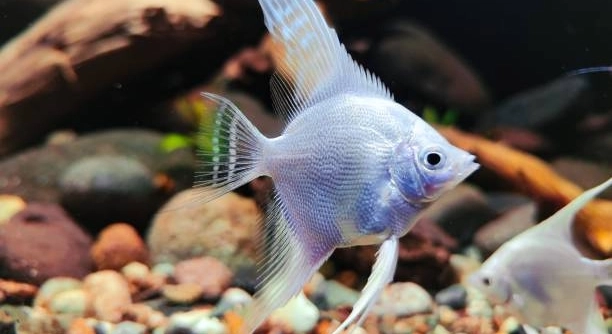
Angelfish are beautiful creatures, but they can sometimes be aggressive, especially in shared tanks. Understanding why they act this way and how to manage it can make your tank a peaceful place.
To reduce angelfish aggression, ensure they have enough space, maintain a balanced environment, and use proper tank mates. Adjusting water parameters, hiding spots, and regular feeding also play crucial roles in minimizing territorial behavior.
By addressing these factors, you can create a harmonious tank where your angelfish are less likely to show aggression toward other fish or tank mates.
Provide Enough Space for Your Angelfish
Angelfish need plenty of space to feel comfortable in their environment. A cramped tank can lead to stress and aggression. These fish are naturally territorial, so giving them enough room to swim freely can reduce tensions. A larger tank also allows you to create distinct zones for hiding and establishing territories. Ideally, your tank should be at least 30 gallons for a pair of angelfish, and even larger for more.
In addition to the tank size, pay attention to how many fish you have. Overcrowding can exacerbate aggression, as the fish feel their space is constantly threatened.
When setting up the tank, ensure there are various hiding places like plants, rocks, and decorations. This gives each fish a chance to claim a space without conflict. It also helps reduce the overall stress level in the aquarium, keeping the environment more peaceful.
Keep the Water Conditions Stable
Proper water conditions are essential for angelfish. They thrive in slightly acidic to neutral water with a temperature between 76°F and 82°F. Regular water changes are necessary to maintain water quality, as angelfish are sensitive to pollutants. Stability in pH and temperature helps minimize stress, which can lead to aggression.
Regular monitoring of the water can ensure that your angelfish are happy and healthy. Inconsistent conditions, such as fluctuating temperatures or sudden pH changes, can cause discomfort. This discomfort often manifests as aggressive behavior.
By maintaining stable water conditions, you not only keep your angelfish calm but also support their overall well-being. Keeping the tank’s water parameters steady also ensures that all your fish coexist peacefully, with less chance of conflict.
Choose Compatible Tank Mates
Choosing the right tank mates for your angelfish can prevent aggression. Some fish are naturally more docile and less likely to challenge an angelfish’s space. Avoid pairing them with overly territorial or fast-moving species, as they can cause stress and provoke aggression.
Smaller, peaceful fish such as tetras or peaceful catfish make good companions for angelfish. They are less likely to interfere with an angelfish’s territory. On the other hand, other large or aggressive species may cause fights, disrupting the harmony of your tank.
Also, consider the size of the fish. Angelfish may be aggressive toward smaller fish, viewing them as a threat or potential food. It’s best to ensure all fish are similar in size and temperament to avoid unnecessary conflicts.
By carefully selecting tank mates, you create an environment where all species can live harmoniously and without stress.
Feed Your Angelfish Properly
Overfeeding your angelfish can contribute to aggression. It’s important to feed them the right amount and maintain a consistent feeding schedule. Overeating can lead to competition for food, which might trigger aggression as fish fight for the best spots to eat.
Feed your angelfish a balanced diet, but be mindful of their portion sizes. Offering smaller, more frequent meals can help keep them satisfied without overindulging. Uneaten food can also pollute the tank, so be sure to remove excess food after feeding time.
An angelfish’s diet should be rich in high-quality flakes, pellets, and occasional live or frozen foods. This ensures they are receiving all the nutrients they need without the need to compete aggressively for food.
By maintaining a balanced feeding routine, you can reduce stress and aggression in your angelfish.
Use Plants and Decorations for Hiding Spots
Providing hiding spots is crucial for keeping your angelfish calm. Plants, rocks, and decorations give them places to retreat when they feel threatened. Angelfish are territorial, and without these spaces, they may become more aggressive as they feel their territory is being encroached upon.
Adding dense plants and rocks creates natural boundaries in the tank. It allows angelfish to claim areas as their own, which can prevent conflict between them and other fish. These hiding spots also help them feel safe, reducing the chances of aggression triggered by stress.
Well-placed decorations can be used strategically to create separate zones in the tank. When designing the tank, focus on providing enough areas for all the fish to find shelter. This helps them avoid unnecessary confrontations and promotes a peaceful tank environment.
Regular Water Changes are Essential
Keeping the water clean is essential for maintaining angelfish health and reducing aggression. Regular water changes help to keep toxins and waste levels low, which can otherwise cause stress. Angelfish are sensitive to changes in water quality, and poor conditions can lead to frustration, making them more likely to display aggressive behaviors.
Aim for a water change of about 25% to 30% every two weeks. Ensure the new water matches the temperature and pH of the tank. Sudden changes in these parameters can stress your fish and lead to aggression.
Make sure to clean the substrate and remove any debris during water changes to prevent harmful buildups. Keeping the water clean not only reduces aggression but also helps your angelfish live a healthier and more comfortable life.
Maintain Proper Tank Temperature
Angelfish prefer stable temperatures between 76°F and 82°F. Fluctuating temperatures can make them feel uncomfortable, increasing stress and aggression. Make sure to use a reliable heater and thermometer to keep the tank within this range consistently.
Avoid placing the tank in areas where temperatures can change suddenly, such as near windows or air conditioners. If the water is too cold or too hot, your angelfish will become stressed, which can lead to territorial behavior.
Keeping a stable temperature is crucial for angelfish health. Consistent warmth ensures they feel secure, reducing the likelihood of aggression.
Ensure Proper Filtration
A good filtration system is key to keeping the water clean and oxygenated. Angelfish produce waste that can quickly pollute the tank, causing stress. A proper filter helps remove toxins and maintains the water quality necessary for a calm environment.
Regular maintenance of the filter is essential. Cleaning it at least once a month ensures it operates efficiently. Avoid over-filtering, as too strong a current can disturb angelfish, who prefer calm waters.
A well-maintained filtration system helps create an ideal environment, allowing angelfish to thrive with minimal stress.
Feed Angelfish in Separate Areas
Feeding time can become a source of aggression if fish are competing for food. Angelfish may act aggressively towards tank mates if they feel their food is being threatened. Consider using a feeding station or separate areas to prevent this.
Feed your angelfish in different corners of the tank to reduce the chance of them fighting over food. If you have multiple angelfish, scatter the food in different spots to make sure each fish has access without feeling crowded.
This feeding strategy ensures peaceful mealtimes, allowing your fish to eat without the stress of competition.
FAQ
What causes angelfish to become aggressive?
Angelfish can become aggressive due to territorial instincts, especially if they feel their space is being invaded. This is common when the tank is overcrowded, has too few hiding spots, or when their water conditions are unstable. Additionally, if the fish don’t have enough space or are housed with aggressive tank mates, they may feel threatened and act out.
Aggression can also be triggered by feeding times, especially if food is scarce or if the fish feel competitive. Angelfish are also naturally territorial, and this can cause them to chase away other fish they perceive as a threat to their space.
How can I tell if my angelfish is stressed?
Stressed angelfish may display signs like excessive hiding, faded colors, or rapid, erratic swimming. They might also start fighting with tank mates or become more reclusive. If your angelfish stops eating or stays at the bottom of the tank, these can be signs of stress.
Another indication of stress is if your angelfish starts showing aggression toward other fish, including chasing, nipping, or fighting. A stressed fish will often display signs of fatigue or distress, making it harder for them to thrive in the tank.
Can I keep multiple angelfish together?
Yes, you can keep multiple angelfish together, but they will need enough space. Angelfish are territorial, so having a large tank with plenty of hiding spots is essential. A tank that is at least 30 gallons is ideal for a pair of angelfish, and larger tanks are needed for multiple fish.
When keeping multiple angelfish, it’s best to have a balanced male-to-female ratio to reduce aggression. Be prepared for potential conflicts, especially when introducing new fish to the tank. It’s important to observe how the fish interact to ensure they are not fighting.
What is the best tank size for angelfish?
The minimum recommended tank size for a pair of angelfish is 30 gallons. This provides enough space for them to establish territories without overcrowding. Larger tanks are always better, especially if you plan to keep other fish in the same aquarium.
A 55-gallon tank or larger is ideal for multiple angelfish, as it allows them to have enough space to swim freely. When choosing a tank size, remember that angelfish can grow quite large, so give them ample room to thrive.
How do I reduce aggression between angelfish?
To reduce aggression between angelfish, provide a larger tank with plenty of hiding spots and territories. Avoid overcrowding and make sure there are plenty of plants, rocks, and decorations where the fish can seek shelter. Ensure the water quality is excellent and the temperature is stable.
Feeding your angelfish regularly and in separate spots can reduce competition for food. Introduce new fish slowly, and always keep an eye on their interactions to catch signs of aggression early. Creating a stable and calm environment will help reduce territorial disputes.
What tank mates are best for angelfish?
Peaceful and calm fish that are similar in size work best with angelfish. Tetras, Corydoras catfish, and plecos are good options. Avoid aggressive species like cichlids or fast-moving fish, which can trigger territorial behavior in angelfish.
It’s important to select fish that won’t compete with angelfish for food or space. Smaller, peaceful fish that swim at different levels in the tank will help avoid conflict. Choosing compatible tank mates ensures a balanced, harmonious environment for your angelfish.
Can water temperature affect angelfish aggression?
Yes, water temperature plays a significant role in angelfish behavior. Angelfish prefer a temperature range between 76°F and 82°F. If the water is too cold or too warm, it can cause stress, leading to aggressive behavior.
A consistent water temperature is key to keeping angelfish calm. Temperature fluctuations can disrupt their natural behavior and cause them to feel threatened or uncomfortable, which may result in aggression. Always use a heater and thermometer to maintain stable conditions in the tank.
How often should I clean my angelfish tank?
You should clean your angelfish tank at least once a week. This includes performing partial water changes (about 25% to 30%) and vacuuming the substrate to remove debris. Regular water changes help maintain water quality and prevent toxins from building up, which can stress your fish.
It’s also essential to clean the filter every month and check for any blockages. Keeping the tank clean ensures the fish have a healthy environment, which reduces stress and aggression.
Do angelfish need a filter?
Yes, angelfish need a filter to keep the water clean and oxygenated. They are sensitive to water quality, and a good filtration system removes toxins, waste, and excess food. A proper filter ensures a healthier environment for your fish and can help reduce the stress that often leads to aggression.
However, be mindful of the filter’s strength. A filter that is too strong may create currents that can stress out the angelfish, so choose one that is appropriate for the tank size and angelfish needs. Regular maintenance is also key to keeping the filter working efficiently.
How do I introduce new fish to an angelfish tank?
When introducing new fish, it’s important to do so gradually. Quarantine the new fish for a week or two before introducing them to the main tank to avoid bringing in diseases. Once you’re sure they’re healthy, introduce them slowly.
It’s a good idea to rearrange the tank decorations when adding new fish, as this can help reduce territorial aggression from the angelfish. Monitor their behavior closely after the introduction to ensure that no aggressive behavior develops.
Why is my angelfish hiding all the time?
Hiding can be a sign that your angelfish is stressed, scared, or unwell. If it’s hiding more than usual, check the water quality, temperature, and tank conditions. Poor water quality, sudden changes in the environment, or the presence of aggressive tank mates could be the cause.
Hiding is also common when angelfish are not feeling well or are injured. If your angelfish is consistently hiding, it’s important to evaluate the tank conditions and make any necessary adjustments. Keep a close eye on the fish for other signs of illness.
Final Thoughts
Angelfish are beautiful and graceful creatures that can make a lovely addition to any aquarium. However, they can be prone to aggression, especially when their environment isn’t set up properly. It’s important to remember that the main causes of aggression in angelfish are stress, overcrowding, and territorial behavior. By providing them with a proper tank size, plenty of hiding spots, and compatible tank mates, you can significantly reduce the chances of aggression. It’s also essential to keep their water quality stable and make sure they are fed adequately to prevent food-related competition.
Regular maintenance, such as water changes and monitoring water parameters, plays a big role in creating a peaceful environment for your fish. When introducing new fish to the tank, make sure to do so gradually and always observe their interactions. Adding plants and decorations not only enhances the beauty of the tank but also provides your angelfish with the spaces they need to feel secure and avoid conflict. Consistent lighting and proper filtration are additional factors that contribute to a healthy, low-stress environment, allowing your angelfish to live comfortably and reduce the likelihood of aggressive behavior.
Ultimately, managing angelfish aggression comes down to creating a balanced environment where they can thrive. While some aggression may still occur from time to time, maintaining the right conditions and being proactive with tank care can help keep it at a minimum. Remember, each fish has its own personality, so it’s important to monitor your angelfish regularly and make adjustments as needed. With the right setup and a little patience, your angelfish will have the best chance at living happily in a peaceful tank.

Hello,
If you enjoy the content that we create, please consider saying a "Thank You!" by leaving a tip.
Every little bit helps us continue crafting quality advice that supports the health, happiness, and well-being of pets around the world, for pets of all shapes, sizes, and species.
We really appreciate the kindness and support that you show us!