
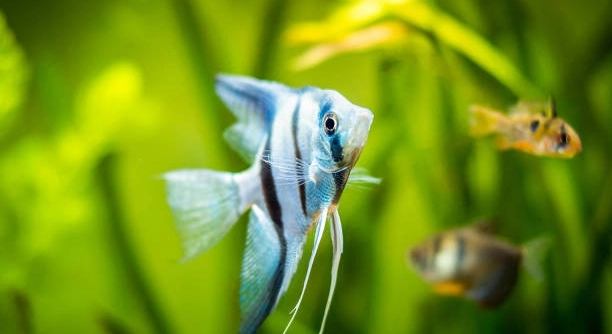
Raising angelfish fry can be an exciting challenge for fish enthusiasts. Ensuring their healthy growth requires proper care and attention. With the right practices, you can raise vibrant and thriving angelfish fry.
The key to successfully raising angelfish fry involves providing optimal water conditions, feeding a balanced diet, and maintaining a stress-free environment. Regular monitoring of their health and careful tank management are also crucial to promote healthy development and prevent disease.
Maintaining these practices will guide you toward a successful outcome in raising angelfish fry to adulthood.
Understanding Water Conditions
Maintaining the right water conditions is crucial for raising angelfish fry. They are highly sensitive to changes in water parameters, which can affect their health and growth. Regular water changes, proper filtration, and consistent temperature are vital for their well-being. Keep the water temperature between 78-80°F to mimic their natural environment. The pH level should be neutral, around 6.5-7.0.
Frequent testing of water quality is essential to avoid harmful fluctuations. Ammonia, nitrite, and nitrate levels should be carefully monitored. Maintaining low levels of these substances is key to preventing stress and disease in your fry.
To keep water quality stable, use a reliable filtration system that can handle the tank size. Make sure to rinse the filter regularly to avoid clogging, and change the filter media as needed to maintain efficiency. This will help keep the water clean, ensuring your angelfish fry stay healthy and grow strong.
Providing Proper Nutrition
Feeding angelfish fry a balanced diet is another critical aspect. It’s essential to provide a variety of foods, including newly hatched brine shrimp and specialized fry foods, to support their rapid growth. Over time, you can introduce finely crushed flakes or pellets to their diet as they grow.
Fry should be fed small amounts multiple times a day. This helps mimic their natural feeding habits while avoiding overfeeding, which can lead to water quality issues. Make sure to remove any uneaten food to prevent it from decomposing in the tank, which could affect water conditions. Proper nutrition promotes healthy development, ensuring your angelfish fry grow into strong and vibrant fish.
Tank Size and Space
A spacious tank is essential for raising angelfish fry. While small tanks are often used for breeding, the fry will need room to grow and develop. A minimum of a 20-gallon tank is recommended to prevent overcrowding. Proper tank size allows for better water circulation and reduces stress on the fry.
Overcrowding can lead to poor water quality and stunted growth. Make sure to provide adequate hiding spaces using plants or decorations. This helps fry feel safe and less stressed. As they grow, consider upgrading the tank to accommodate their increasing size and activity levels.
A larger tank also makes it easier to manage water quality, as the filtration system has more space to circulate the water. A tank that is too small can result in health issues for the fry, including stunted growth and increased susceptibility to diseases.
Tankmates for Angelfish Fry
When it comes to tankmates, it’s best to keep angelfish fry in a peaceful, low-stress environment. Avoid placing them with aggressive fish that may harm or stress them. Ideally, keep them in a species-only tank until they reach a safe size.
As fry mature, you can gradually introduce them to non-aggressive fish that won’t compete for food or space. Angelfish fry grow quickly, so introducing tankmates too early can lead to territorial disputes or stress. Monitor interactions carefully to ensure that all fish coexist peacefully.
Adding suitable tankmates once the fry are large enough can help create a balanced environment. Peaceful fish like tetras or other small, calm species can live with angelfish fry once they’re strong enough. Always observe the behavior of tankmates to avoid potential issues.
Light and Tank Placement
Angelfish fry are sensitive to light, so avoid placing the tank in direct sunlight. Too much light can cause algae growth, which will negatively impact water quality. Keep the tank in a location with indirect lighting for a more stable environment.
A stable light cycle is important for their development. Provide 10-12 hours of light per day to mimic natural conditions. Consistent light helps regulate the fry’s biological rhythms and promotes healthy growth. Ensure the tank is positioned away from drafts, heating, or cooling vents that could cause fluctuations in temperature.
Tank Maintenance
Regular tank maintenance is crucial to raising healthy angelfish fry. Performing water changes at least once a week ensures water quality remains stable. Use a siphon to remove debris from the substrate, and test the water for ammonia, nitrites, and nitrates to monitor overall tank health.
Check the filter system frequently to ensure it is working efficiently. Over time, replace the filter media as it gets clogged with particles. Keeping the water clean not only prevents disease but also promotes strong and vibrant fry.
Dealing with Disease
Monitor your angelfish fry closely for signs of illness, such as lethargy or changes in appearance. Early detection can help prevent serious outbreaks. If you notice symptoms, quarantine the sick fry to prevent spreading disease to the rest of the tank.
Proper water conditions and nutrition are key to preventing most diseases. Ensure that the tank is cleaned regularly, and the fry are fed a balanced diet to strengthen their immune systems. Acting quickly at the first sign of trouble can save your fry from more severe health issues.
FAQ
How long does it take for angelfish fry to grow?
Angelfish fry grow quickly, but their development depends on several factors, such as water quality, nutrition, and tank conditions. Typically, fry will reach a noticeable size within 4-6 weeks, but they will continue to grow and mature for several months. It’s important to provide them with appropriate care during each stage of growth to ensure they thrive.
What temperature should the water be for angelfish fry?
The ideal water temperature for angelfish fry is between 78-80°F. This temperature range encourages healthy growth and reduces the risk of disease. Keeping the water temperature too low can slow down their development, while too high can cause stress or lead to health issues. Use a reliable aquarium heater to maintain the proper temperature consistently.
Can I raise angelfish fry in a tank with adult angelfish?
It’s not recommended to keep angelfish fry in the same tank as adult angelfish, especially when they are very young. Adult angelfish may become territorial or even aggressive towards the fry. However, once the fry have grown large enough, they can be gradually introduced to the main tank, provided there are enough hiding places for them to feel safe.
How often should I feed angelfish fry?
Angelfish fry should be fed multiple times a day. It’s best to offer small portions to avoid overfeeding, which can negatively affect water quality. In the early stages, feed them infusoria or newly hatched brine shrimp. As they grow, you can begin introducing crushed flakes or other specialized fry food. Always remove any uneaten food to maintain a clean environment.
What should I do if my angelfish fry are not eating?
If your angelfish fry are not eating, check the water quality. Poor water conditions can lead to stress, making fry less likely to feed. Ensure the temperature and pH are in the proper range, and the water is free of harmful substances. If everything looks good but they still refuse to eat, try offering a different type of food, such as newly hatched brine shrimp or specialized fry food.
How can I tell if my angelfish fry are healthy?
Healthy angelfish fry are active, have clear, vibrant coloring, and swim freely in the tank. Their bodies should be free of visible deformities or lesions. If the fry are lethargic, show signs of abnormal swimming, or have discoloration, it may indicate a health issue that needs attention. Ensure they are fed well and that water conditions are optimal for their health.
Should I add plants to the fry tank?
Yes, adding plants to the fry tank can provide essential hiding spots and help mimic their natural environment. Plants also help improve water quality by absorbing excess nutrients. Java moss is an excellent choice, as it offers hiding spaces for fry while also providing surface area for them to feed on microfauna.
Can I keep other fish with angelfish fry?
At first, it’s best to keep angelfish fry in a separate tank. Once they grow larger and are strong enough to handle other fish, you can add peaceful, non-aggressive species. Tetras and small catfish are good choices as tankmates for angelfish fry. Avoid adding larger or more aggressive fish, as they may pose a threat to the fry.
What size tank do angelfish fry need?
Angelfish fry can be raised in a small tank at first, but as they grow, they will need more space. A minimum of a 20-gallon tank is recommended to give them enough room to swim and grow. Overcrowding can lead to stress and poor water quality, which can hinder their development. Be sure to upgrade to a larger tank as they mature.
How do I prevent diseases in angelfish fry?
Preventing disease in angelfish fry starts with maintaining clean water. Regular water changes and proper filtration are essential to keep the tank free of harmful substances. Also, avoid overfeeding, as uneaten food can contribute to water pollution. Quarantining any new fish before adding them to the tank can help prevent introducing diseases.
How can I encourage angelfish fry to breed?
Angelfish fry are the result of breeding between two adult angelfish. To encourage breeding, make sure your fish are well-fed, have access to appropriate space, and are kept in optimal water conditions. Providing flat surfaces like broad-leaved plants or tiles for them to lay eggs on can help promote successful breeding.
Can I raise angelfish fry without a filter?
While it’s possible to raise angelfish fry in a tank without a filter, it’s not recommended. Without a filter, water quality can degrade quickly, which will stress the fry and make them more susceptible to disease. If you do choose to raise fry without a filter, you’ll need to perform frequent water changes to maintain clean conditions.
How do I know when angelfish fry are ready to be moved to a larger tank?
Angelfish fry can be moved to a larger tank once they have grown large enough to avoid being eaten by any other fish in the tank. Typically, when they reach about 1-2 inches in size, they can be safely introduced to a larger environment. Ensure that the new tank is well-established, with suitable tankmates and ample space for the growing fry.
Is it necessary to have a heater for angelfish fry?
Yes, a heater is essential to keep the water at the proper temperature for angelfish fry. These fish thrive in stable, warm temperatures between 78-80°F. A heater helps maintain this consistency, especially if the room temperature fluctuates. It also prevents stress, which can negatively affect the fry’s growth.
Final Thoughts
Raising angelfish fry requires attention to detail, patience, and proper care. By ensuring clean water, maintaining a stable temperature, and offering the right food, you can help your fry thrive. It’s important to stay consistent with water changes and monitor the tank closely for any signs of stress or disease. Healthy fry will show clear, vibrant colors and display active behavior as they grow. Providing a stress-free environment allows them to reach their full potential, ensuring they mature into strong and beautiful adult angelfish.
In addition to the basics, understanding the importance of tank placement, light conditions, and tank mates will go a long way in raising healthy fry. Avoid overcrowding and be mindful of the fry’s needs as they grow. With each stage of their development, you’ll need to adjust care, especially when transitioning them to a larger tank. By providing a safe and nurturing environment, your angelfish fry will continue to grow and eventually become mature enough to join your main tank or be raised for breeding purposes.
While raising angelfish fry can seem challenging, the rewards of watching them grow are worth the effort. Each stage offers new learning opportunities, allowing you to adapt and improve your care methods. Patience and observation are key. With consistent care and the right approach, your angelfish fry will grow into healthy fish, ready to swim alongside adult angelfish in a well-balanced aquarium.

Hello,
If you enjoy the content that we create, please consider saying a "Thank You!" by leaving a tip.
Every little bit helps us continue crafting quality advice that supports the health, happiness, and well-being of pets around the world, for pets of all shapes, sizes, and species.
We really appreciate the kindness and support that you show us!