
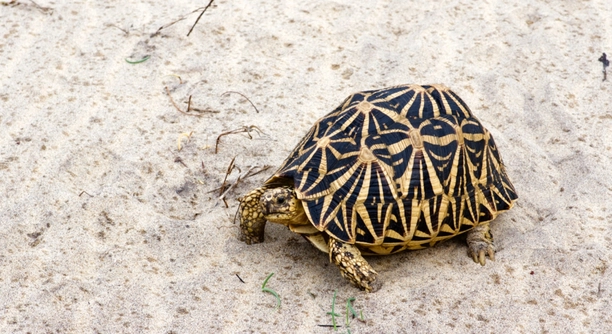
Ensuring your Indian Star Tortoise gets enough fiber is essential for its digestive health and overall well-being. A balanced diet with proper fiber helps maintain a healthy gut and prevents issues like constipation.
To ensure your Indian Star Tortoise receives enough fiber, offer a diet rich in high-fiber foods such as leafy greens, weeds, and grasses. You can also supplement their diet with fiber-rich vegetables like squash and pumpkins to maintain proper digestion.
By following these guidelines, you can help support your tortoise’s digestive health and prevent potential issues down the road.
Understanding Fiber’s Role in Your Tortoise’s Diet
Fiber plays a crucial role in your Indian Star Tortoise’s diet, supporting healthy digestion and overall well-being. Without enough fiber, tortoises can experience digestive issues, leading to discomfort or even more serious health problems. A proper balance of fiber ensures that your tortoise maintains healthy bowel movements, which are vital for its comfort and longevity. High-fiber foods help keep the digestive tract functioning smoothly by aiding in the breakdown of food and waste. While fiber-rich diets are essential, it’s also important to understand which foods offer the right amount of fiber without causing an imbalance.
Vegetables like dandelion greens, collard greens, and mustard greens are excellent sources of fiber for your tortoise. These can be offered fresh and varied daily. Additionally, introducing fibrous plants, such as hibiscus leaves or clover, provides diversity and nutritional balance. Not only does this enhance the texture of their meals, but it also mimics their natural diet in the wild, which consists of various fiber-rich plants.
It’s best to avoid feeding your tortoise too much fruit, as it can disrupt the balance of fiber and sugar in their diet. Stick to dark, leafy greens and plants that offer higher fiber content and lower sugar levels.
Signs of Low Fiber Intake
If your tortoise’s fiber intake is insufficient, it may show signs of digestive distress. These signs can include lethargy, reduced appetite, and irregular bowel movements. This is why it’s important to monitor their diet closely.
Without proper fiber, your tortoise could also suffer from more severe health issues, such as impaction, which can be life-threatening. It’s crucial to make sure the fiber intake is adequate to avoid these concerns. By offering a varied diet that includes plenty of high-fiber greens and vegetables, you can ensure your tortoise stays healthy and active.
Best Fiber-Rich Foods for Your Tortoise
Leafy greens are the best source of fiber for your Indian Star Tortoise. Offer a variety of fresh greens to keep their diet balanced and interesting. Dandelion greens, collard greens, and mustard greens should be staples in their diet.
Incorporating weeds and grasses into your tortoise’s meals will provide natural fiber found in the wild. Plants like clover, grass, and plantain leaves are great choices. These should be collected from pesticide-free areas to ensure they’re safe for your pet. Avoid overfeeding any one type of food to maintain nutritional balance and encourage natural foraging behavior.
Additionally, fibrous vegetables such as squash, pumpkin, and zucchini are excellent additions to their diet. These provide bulk and variety while maintaining a high fiber level. Rotate these foods frequently to avoid monotony and give your tortoise a well-rounded selection of fiber-rich options.
The Importance of Proper Hydration
While fiber is essential, proper hydration plays an equally important role in digestion. Make sure your tortoise has access to clean, fresh water at all times to help with fiber absorption. Dehydration can lead to hard stools and constipation.
Tortoises need water to help break down and move fiber through their digestive system. Without proper hydration, they may not be able to process the fiber in their diet efficiently. Some tortoises even enjoy soaking in water, which not only helps hydrate them but can assist in loosening up any digestive blockages.
Keep water dishes clean and refill them daily. Ensure the water is at room temperature to prevent any sudden changes that could stress your tortoise. With enough hydration and fiber, your tortoise will maintain healthy digestion and overall wellness.
Avoiding Common Fiber Mistakes
It’s easy to make mistakes when feeding your tortoise. Overfeeding high-fiber foods can lead to an imbalance. Too much fiber can cause bloating or gas. Always monitor your tortoise’s reaction to different foods.
Another common mistake is feeding only one type of high-fiber food. This limits nutrient variety and may cause deficiencies. By offering a wide range of fiber-rich plants, you ensure your tortoise gets a more balanced diet. Rotate their meals regularly to keep things interesting while maintaining proper nutrition.
The Role of Fiber in Growth and Health
Fiber is essential not just for digestion but for your tortoise’s overall growth and long-term health. It helps prevent metabolic disorders, which can be harmful. A balanced, fiber-rich diet supports bone development, shell health, and overall vitality.
By feeding your tortoise a variety of fibrous foods, you’re helping its digestive system remain efficient, allowing nutrients to be absorbed properly. Fiber also helps maintain weight and energy levels, so your tortoise can stay active and healthy. Proper nutrition ensures your tortoise reaches its full potential, with vibrant health throughout its life.
Fiber and Tortoise Behavior
A fiber-rich diet also impacts your tortoise’s behavior. When a tortoise gets the right amount of fiber, it tends to be more active and curious. The right food supports energy levels, encouraging natural behaviors like foraging.
Tortoises need to feel motivated to move and explore their environment. A diet lacking in fiber can leave them sluggish and uninterested in their surroundings. To promote healthy behavior, maintain a diet that includes fiber-filled greens and vegetables. This can boost your tortoise’s well-being and create a more enriching environment for them.
FAQ
How much fiber does my tortoise need daily?
The amount of fiber your tortoise needs depends on its age, size, and activity level. Generally, fiber should make up a large portion of their diet. Aim for a daily intake of about 80-90% of fibrous greens, grasses, and weeds. Juveniles may require slightly more fiber for healthy growth, while adults benefit from a balanced, consistent amount.
Can too much fiber harm my tortoise?
Yes, excessive fiber can lead to bloating, gas, and other digestive issues. While fiber is crucial, moderation is key. Overfeeding can result in discomfort or prevent proper digestion. To avoid this, provide a variety of foods and monitor your tortoise’s health for any signs of distress.
What foods are best for providing fiber to my tortoise?
High-fiber foods like dandelion greens, collard greens, mustard greens, and clover are excellent choices. Additionally, grasses, hibiscus leaves, and edible flowers provide natural fiber. You can also feed them fibrous vegetables like pumpkin, squash, and zucchini. Avoid feeding too much fruit, as it contains sugars that can upset digestion.
Should I feed my tortoise fruit for fiber?
While fruit can offer some fiber, it’s not the best primary source. Fruit generally contains high sugar levels, which could cause digestive imbalance. Instead, focus on dark leafy greens and fibrous plants to ensure a more appropriate fiber intake. Fruits should be offered sparingly as a treat, not as a daily fiber source.
How do I know if my tortoise is getting enough fiber?
Signs that your tortoise may be getting enough fiber include normal, frequent bowel movements, an active and alert demeanor, and a healthy appetite. If your tortoise seems lethargic, has irregular or difficult-to-pass stools, or shows signs of discomfort, it could indicate insufficient fiber intake.
Can my tortoise eat hay for fiber?
Yes, hay is an excellent source of fiber for your tortoise. You can offer grass hay, such as timothy hay, which provides a high-fiber diet that mimics their natural habitat. Just make sure to avoid feeding them alfalfa hay regularly, as it can be too rich in calcium for adults.
How do I encourage my tortoise to eat fiber-rich foods?
If your tortoise is hesitant to eat certain fibrous foods, try mixing them with their favorites. You can also chop up fibrous vegetables into smaller, more manageable pieces. Offering a variety of textures and colors can make the meal more appealing. Be patient, as some tortoises take time to adjust to new foods.
What happens if my tortoise doesn’t get enough fiber?
Without adequate fiber, your tortoise can experience digestive problems such as constipation, bloating, or impaction. These issues can be painful and lead to more severe health problems if left untreated. In severe cases, a lack of fiber can cause life-threatening blockages in the digestive tract.
Are there any signs of fiber imbalance in my tortoise?
Yes, signs of fiber imbalance include reduced activity, constipation, abnormal stool consistency, and weight loss. In some cases, tortoises may also show signs of discomfort or avoid eating altogether. If you notice these symptoms, it’s essential to adjust their diet and consult with a vet if necessary.
How can I safely feed my tortoise a fiber-rich diet?
To safely provide fiber, always ensure the food is pesticide-free, fresh, and clean. Offer a variety of fiber-rich foods and avoid overfeeding any single type to ensure balanced nutrition. Regularly rotate greens and other plant-based foods to prevent nutritional imbalances. Lastly, always monitor your tortoise’s weight and behavior to spot any signs of dietary issues.
Is it necessary to supplement my tortoise’s fiber intake?
Supplements are generally unnecessary if you provide a varied, fiber-rich diet. A natural diet consisting of appropriate greens, grasses, and vegetables should meet most fiber requirements. However, if your tortoise has special dietary needs, a reptile-safe fiber supplement may be helpful. Always consult with a vet before introducing supplements.
Can my tortoise eat wild plants for fiber?
Yes, wild plants can be a great source of fiber, but be cautious. Only feed your tortoise plants that you’re sure are safe and pesticide-free. Common safe wild plants include dandelion, clover, and plantain. Avoid plants that may be toxic, such as mushrooms or certain flowers. Always double-check before foraging.
How often should I offer fiber-rich foods?
Fiber-rich foods should be offered daily as part of your tortoise’s regular diet. A consistent, balanced diet is key to keeping your tortoise healthy. You can mix different greens and vegetables daily to ensure variety and provide the necessary fiber intake. Aim for about 80-90% of their diet to consist of fibrous foods.
What if my tortoise isn’t interested in fiber-rich foods?
If your tortoise isn’t eating enough fiber, try introducing new foods gradually. Some tortoises may need time to adjust. You can also try offering different textures or mixing foods they enjoy with fibrous options. Avoid giving in to their preference for more appealing but less nutritious foods like fruit or pellets.
Final Thoughts
Ensuring that your Indian Star Tortoise gets enough fiber is crucial for its overall health and well-being. Fiber aids in digestion, prevents constipation, and helps maintain a healthy weight. Without it, your tortoise could experience digestive problems, sluggishness, and discomfort. Regularly offering a variety of fiber-rich foods, such as dark leafy greens, grasses, and edible plants, will help provide the necessary nutrients for optimal health. It’s important to monitor your tortoise’s diet and behavior, as changes in eating habits or activity levels can signal potential issues. By focusing on a fiber-rich, balanced diet, you’ll help your tortoise thrive for years to come.
It’s essential to remember that balance is key. While fiber is important, too much can lead to digestive upset. Offering a variety of foods ensures your tortoise gets the nutrients it needs without overloading on any one type. Fiber should make up a large portion of your tortoise’s diet, but it shouldn’t be the only focus. By rotating greens, vegetables, and occasional treats, you provide a diverse diet that helps prevent nutritional deficiencies. Keep track of how your tortoise responds to different foods and make adjustments as needed. A little trial and error can go a long way in fine-tuning their diet.
Incorporating fiber into your tortoise’s daily routine doesn’t have to be complicated. With the right knowledge and a bit of planning, it’s easy to create a balanced diet that supports long-term health. Offering fresh, pesticide-free plants, rotating their meals, and avoiding overfeeding any particular type of food can help maintain digestive health. It’s also important to be patient if your tortoise is reluctant to try new foods. Over time, they will get used to the variety and may even develop a preference for their fiber-rich meals. Your tortoise’s fiber intake is key to a happy, healthy life.

Hello,
If you enjoy the content that we create, please consider saying a "Thank You!" by leaving a tip.
Every little bit helps us continue crafting quality advice that supports the health, happiness, and well-being of pets around the world, for pets of all shapes, sizes, and species.
We really appreciate the kindness and support that you show us!