
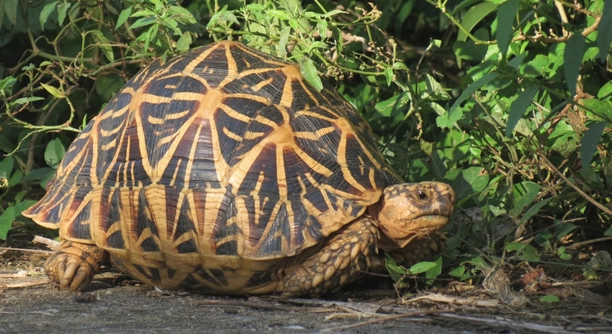
Is your Indian star tortoise’s tank becoming dirty too quickly? A clean and fresh tank is essential for maintaining your pet’s health and well-being. Proper cleaning practices help prevent bacteria buildup and create a comfortable environment for your tortoise.
To keep your Indian star tortoise’s tank fresh and clean, regularly remove waste, replace substrate, and clean food and water dishes. Maintain proper humidity levels, use a good filtration system, and provide adequate ventilation. These steps ensure a hygienic and safe habitat.
Understanding these key practices will help you create an optimal living space for your tortoise. A well-maintained tank contributes to your pet’s health and makes daily care more manageable.
Remove Waste Daily
A clean tank starts with removing waste every day. Leftover food, feces, and shed skin can create an unhygienic environment, leading to bacterial growth. Using a small scoop or tongs, remove visible waste and uneaten food. This simple habit prevents unpleasant odors and keeps your tortoise’s home fresh. Spot cleaning is essential to maintaining a sanitary habitat. Regular maintenance reduces the risk of infections and ensures a healthier space. By staying consistent with daily waste removal, you create a cleaner and more comfortable environment for your tortoise.
A dirty tank can quickly lead to issues such as respiratory infections and shell rot. Regular spot cleaning minimizes these risks. Removing waste daily also makes deep cleaning sessions easier and more manageable.
A clean tank provides a healthier living space for your tortoise. Simple actions like waste removal go a long way in maintaining a fresh habitat. Prioritizing cleanliness ensures a more comfortable and sanitary home.
Replace Substrate Regularly
Substrate plays a significant role in your tortoise’s tank, providing comfort and aiding in humidity regulation. However, dirty substrate can trap bacteria and lead to foul odors. Replacing it regularly keeps the environment fresh and free of harmful contaminants.
Depending on the type of substrate used, it should be replaced at different intervals. Loose substrates like coconut coir or cypress mulch need changing every few weeks, while newspaper or paper towels require more frequent replacements. Spot cleaning between changes helps prolong the substrate’s lifespan. Additionally, avoid using overly damp or compacted substrate, as it can lead to mold growth and respiratory issues. Ensuring proper substrate management keeps your tortoise comfortable and minimizes health risks.
Fresh substrate contributes to better humidity control and odor reduction. Regular replacements and routine maintenance create a healthier and more enjoyable environment for your tortoise. Keeping the substrate clean is an easy but essential step.
Clean Food and Water Dishes Daily
Dirty dishes can quickly become a breeding ground for bacteria, leading to potential health problems. Washing food and water dishes daily prevents contamination and ensures your tortoise has access to fresh, clean nourishment. Using warm water and a mild, reptile-safe soap helps remove any residue or bacteria buildup.
Leftover food and stagnant water can attract mold and harmful microorganisms. Rinsing dishes thoroughly after each meal prevents bacterial growth and keeps your tortoise’s meals safe. Using separate dishes for food and water reduces cross-contamination. If using a shallow water dish, replace the water frequently to prevent algae formation. Regular cleaning maintains hygiene and minimizes odors in the tank.
Soaking dishes in hot water once a week provides a deeper clean. Avoid using harsh chemicals that could leave harmful residues. A simple routine of washing and drying dishes daily promotes a healthier and more comfortable environment for your tortoise.
Maintain Proper Humidity Levels
Fluctuating humidity can lead to dehydration or shell issues. Using a hygrometer ensures levels stay within the recommended range of 50–70%. Misting the tank lightly or using a humidity hide helps maintain consistent moisture, preventing excessive dryness or dampness that could cause respiratory infections or shell problems.
Proper ventilation prevents excess humidity from causing mold growth. Adjusting substrate moisture and monitoring airflow help regulate humidity effectively. If the tank is too dry, consider adding a shallow water dish or placing damp moss in specific areas. Conversely, if the tank is too humid, increasing ventilation or using a dehumidifier can help maintain balance. Keeping humidity levels stable reduces health risks.
Indian star tortoises require a carefully controlled environment to thrive. Inconsistent humidity can lead to long-term health complications. Regular monitoring, proper substrate choices, and controlled misting create a stable atmosphere, ensuring your tortoise stays comfortable and free from preventable issues.
Use a Good Filtration System
A proper filtration system keeps the water clean and free of debris. Stagnant water can lead to bacterial growth, which may affect your tortoise’s health. A reliable filter removes waste particles, prevents odor buildup, and helps maintain a balanced and hygienic environment inside the tank.
Filters reduce the need for frequent water changes, making maintenance easier. Choosing a filter designed for reptile enclosures ensures efficient cleaning without excessive water flow. Regularly checking and cleaning the filter prevents clogging and ensures optimal performance. A well-maintained filtration system contributes to a healthier and more comfortable habitat.
Provide Adequate Ventilation
Poor ventilation can trap humidity and odors, creating an unhealthy environment. Proper airflow prevents mold and bacteria buildup. Ensuring that the tank has breathable openings or a mesh top helps regulate fresh air circulation while maintaining the required humidity levels for your tortoise.
Deep Clean the Tank Monthly
A thorough monthly cleaning removes hidden waste and bacteria. Remove your tortoise, empty the tank, and scrub all surfaces using a reptile-safe disinfectant. Rinse everything thoroughly before reintroducing clean substrate, dishes, and decorations. Regular deep cleaning prevents long-term buildup and keeps the tank fresh and safe.
FAQ
How often should I clean my Indian star tortoise’s tank?
Spot cleaning should be done daily to remove waste, uneaten food, and soiled substrate. A deep clean, including changing the substrate and disinfecting the tank, should be performed once a month. Regular cleaning helps prevent bacterial buildup and maintains a fresh, odor-free environment.
What type of substrate is best for keeping the tank clean?
Coconut coir, cypress mulch, or a mix of soil and sand work well for maintaining cleanliness. These substrates retain moisture without becoming overly damp, reducing the risk of mold. Avoid using loose sand or gravel, as they can create dust and increase the risk of impaction.
How can I prevent bad odors in the tank?
Regular cleaning, proper ventilation, and using an effective substrate help control odors. Removing waste daily and ensuring water dishes are clean prevents bacterial growth. A filtration system in water areas and proper humidity control also contribute to a fresher-smelling environment.
Do Indian star tortoises need a water filter in their tank?
If your tortoise has access to a soaking area, a filtration system helps keep the water clean for longer periods. However, if you change the water daily and clean the dish thoroughly, a filter may not be necessary. For larger enclosures with water sections, a filter is beneficial.
What is the ideal humidity level for an Indian star tortoise’s tank?
Humidity should be maintained between 50% and 70%. Levels that are too low can cause dehydration and shell issues, while excessive humidity can lead to respiratory infections. Using a hygrometer helps monitor levels, and adjustments can be made with misting, ventilation, or adding damp moss.
How do I prevent mold growth in the tank?
Proper ventilation, substrate management, and controlling humidity prevent mold growth. Avoid overwatering the substrate, and ensure the enclosure has adequate airflow. Cleaning decorations and replacing soiled substrate regularly also help reduce the risk of mold buildup.
Can I use household cleaners to disinfect my tortoise’s tank?
Household cleaners can contain chemicals that are harmful to tortoises. It is best to use reptile-safe disinfectants or a diluted vinegar solution for cleaning. Always rinse surfaces thoroughly with water before placing your tortoise back in the enclosure.
How do I clean my tortoise’s food and water dishes?
Dishes should be washed daily with warm water and mild, reptile-safe soap. Rinsing thoroughly ensures no residue remains. For a deeper clean, soaking dishes in hot water once a week helps remove any stubborn buildup, keeping them free from bacteria.
Why is my tortoise’s tank getting dirty so quickly?
A dirty tank can result from poor ventilation, excessive humidity, or infrequent cleaning. Regularly removing waste, changing water, and maintaining proper airflow can slow down the buildup of debris. Using an appropriate substrate and a filtration system can also help maintain cleanliness.
Should I remove my tortoise during deep cleaning?
Yes, removing your tortoise ensures safety while cleaning. Place them in a secure, temporary enclosure with proper temperature and humidity. This allows you to thoroughly clean the tank, disinfect surfaces, and replace the substrate without disturbing your tortoise.
How do I clean decorations and hides in the tank?
Wash decorations and hides with warm water and a reptile-safe disinfectant. Scrubbing with a brush helps remove debris. Rinse thoroughly before placing them back in the enclosure. Cleaning them at least once a month prevents bacteria buildup and keeps the tank fresh.
Can I use newspaper or paper towels as substrate?
Newspaper and paper towels can be used but may not provide the best environment for burrowing. They require frequent changes to stay clean. While they are easy to replace, natural substrates like coconut coir or soil offer better humidity control and a more natural feel for the tortoise.
What should I do if my tortoise’s tank smells even after cleaning?
Persistent odors may indicate hidden waste, mold, or poor ventilation. Check for soiled substrate, clean all tank components thoroughly, and ensure proper airflow. If odors persist, consider changing the type of substrate or adjusting humidity levels to prevent bacterial growth.
Final Thoughts
Keeping an Indian star tortoise’s enclosure clean is essential for its health and comfort. Regular maintenance, including daily spot cleaning and monthly deep cleaning, helps prevent bacteria buildup and unpleasant odors. Choosing the right substrate, maintaining proper humidity, and ensuring good ventilation all contribute to a cleaner environment. A clean tank reduces stress for your tortoise and lowers the risk of infections or respiratory issues. Simple habits like removing waste, cleaning food and water dishes, and monitoring humidity levels can make a significant difference in maintaining a healthy habitat.
Using safe cleaning methods and the right products ensures that your tortoise is not exposed to harmful chemicals. Reptile-safe disinfectants, vinegar solutions, and warm water are effective for cleaning without introducing toxins into the enclosure. Avoiding harsh household cleaners and thoroughly rinsing all surfaces before returning your tortoise to the enclosure is important. Additionally, regularly washing and disinfecting hides, decorations, and feeding areas prevents bacteria from accumulating. A clean habitat not only benefits your tortoise’s well-being but also keeps your home free from unwanted odors and mess.
Consistency is key when it comes to enclosure maintenance. Developing a routine for cleaning and monitoring the environment helps keep the tank in optimal condition. Addressing issues like mold, excess humidity, or waste buildup early prevents larger problems from developing. Keeping a clean habitat ensures your tortoise remains active, comfortable, and healthy for years to come. Taking the time to care for their living space creates a safer and more enjoyable environment for both you and your tortoise.

Hello,
If you enjoy the content that we create, please consider saying a "Thank You!" by leaving a tip.
Every little bit helps us continue crafting quality advice that supports the health, happiness, and well-being of pets around the world, for pets of all shapes, sizes, and species.
We really appreciate the kindness and support that you show us!