
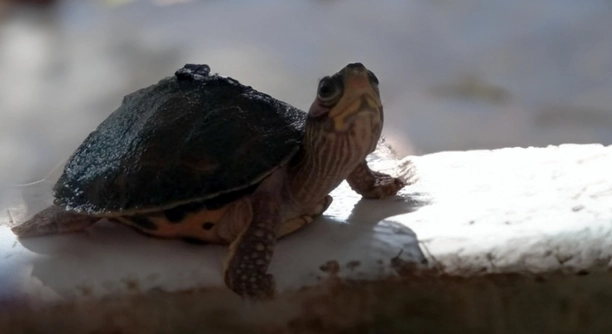
Creating a proper outdoor enclosure for your Indian Roofed Tortoises is essential to their well-being and comfort. These tortoises need a safe, secure environment to roam freely while also having access to shelter, food, and water.
To build a suitable enclosure, choose a spacious area with adequate sunlight, shaded spots, and proper fencing to prevent escapes. The enclosure should include elements like hiding spots, water sources, and a substrate for burrowing, ensuring the tortoises’ physical and mental health.
By following these guidelines, you can ensure that your tortoises have a healthy, comfortable space. We’ll go over the key essentials you need for an ideal outdoor enclosure.
Choosing the Right Location for the Enclosure
When selecting a spot for your tortoise enclosure, consider the amount of sunlight and shade. Indian Roofed Tortoises need a balance of both for a healthy environment. A location that gets sunlight in the morning but provides shade in the afternoon is ideal. Too much direct sunlight can cause them to overheat, while too little sunlight can lead to a lack of vitamin D, affecting their shell health.
Placing the enclosure on a flat, well-drained surface will also prevent water from pooling in the area, which could lead to issues with humidity and cleanliness. You should also keep the area safe from predators, especially if you live in an area with larger animals like dogs or raccoons. Ensure that the location is secure and away from traffic or other disturbances that could stress your tortoises.
This careful choice of location will lay the foundation for your tortoises’ safe and comfortable habitat, helping them thrive in their new outdoor space.
Creating a Secure Barrier
The most important element in your tortoise’s outdoor space is a sturdy barrier. Without it, your tortoises may wander off or fall prey to predators. The fence should be high enough to prevent escapes, ideally about 2 to 3 feet tall. Make sure the bottom of the fence is buried a few inches into the ground, as tortoises may try to dig underneath. Consider using materials like wood, plastic, or mesh wire for the barrier.
This secure enclosure keeps your tortoises safe and allows them to explore freely within a confined, secure area.
Providing Proper Shade
Shade is essential for your tortoises, as they can overheat without it. A shaded area helps regulate their body temperature and provides a safe space to rest during the hotter parts of the day. Natural shade from trees or large plants works well, but a roofed structure is a good alternative.
If you can’t rely on natural shade, create a shaded spot using a tarp or a simple wooden structure. Ensure it is large enough for them to rest comfortably without feeling confined. The shade should also be well-ventilated to avoid trapping heat. This will provide them with the necessary relief during sunny afternoons. It’s important to have a shady area so your tortoises can regulate their body temperature and avoid heat stress.
Adding Hiding Spots
Tortoises enjoy having places to hide. This behavior is natural and helps them feel secure. Offering hiding spots in the form of large rocks, logs, or shelters helps reduce stress. These spots should be placed around the enclosure so they can choose their favorite spot for resting. Adding plants and other natural elements creates a more inviting environment.
Having multiple hiding spots scattered throughout the enclosure is a good idea. It encourages exploration and provides your tortoises with a sense of control over their surroundings. A variety of hiding spots ensures that the tortoises feel safe, reducing the chances of them becoming anxious or stressed out.
Providing a Water Source
Tortoises need access to fresh water daily. It helps with digestion and hydration, especially during hot weather. A shallow water dish or a small kiddie pool works well. Make sure it’s large enough for them to drink and soak in but shallow enough to prevent drowning.
Ensure the water is changed daily to keep it clean. Tortoises may drink from it or even use it to cool off, so cleanliness is key. Avoid using deep containers, as they may become trapped or struggle to escape. A shallow, wide container is perfect for their needs.
Choosing the Right Substrate
The right substrate allows your tortoises to dig, which is a natural behavior. Materials like coconut coir, soil, and sand create an environment where they can burrow and feel comfortable. Make sure to provide a deep enough layer for digging.
Avoid using wood chips or gravel, as they can be harmful if ingested. The substrate should be easy to clean and maintain while allowing the tortoises to engage in natural behaviors. This adds a more enriching experience for them, encouraging activity and mental stimulation.
Temperature Control
Temperature control is crucial in creating a healthy environment. Indian Roofed Tortoises thrive in temperatures between 75°F and 85°F during the day, with a slight drop at night. You can use heat lamps or under-tank heaters to maintain the right warmth.
Ensure that the temperature is not too high, as they could overheat, especially during the summer months. Providing areas of warmth and cooler spots within the enclosure allows your tortoises to regulate their body temperature. The right temperature range promotes healthy digestion and overall well-being.
FAQ
How big should the enclosure be for an Indian Roofed Tortoise?
The enclosure should be large enough to allow your tortoise to roam freely. Ideally, a minimum of 4 feet by 6 feet is recommended for a single tortoise. However, a larger space will benefit them by providing more areas to explore, hide, and bask. The more room you provide, the healthier your tortoise will be, as they need space to exercise and engage in natural behaviors like burrowing. For multiple tortoises, you’ll need even more space.
Can I keep more than one tortoise in the same enclosure?
Yes, but you need to consider their social behavior. Indian Roofed Tortoises are generally peaceful, but males may become territorial, especially during mating seasons. It’s important to have a large enough space for multiple tortoises and to observe their behavior. If you notice aggression or stress, consider separating them to prevent harm. Ensure there are enough hiding spots and food for each tortoise to reduce competition.
What do I need to feed my tortoise in the outdoor enclosure?
Indian Roofed Tortoises are primarily herbivores. Their diet should consist of leafy greens like collard greens, dandelion greens, and mustard greens. You can also offer various fruits and vegetables, but avoid high-oxalate foods like spinach. It’s important to feed them a varied diet to ensure they get all the necessary nutrients. You can also supplement their diet with calcium to support their shell health.
How can I protect my tortoise from predators?
Ensure that the enclosure is secure with a strong fence or barrier. The fence should be buried several inches underground to prevent digging predators from getting in. Additionally, keep the area free from any potential threats, such as dogs or larger animals that could harm your tortoise. Regularly check for any signs of damage to the fence and repair it immediately. Using a roofed enclosure can also protect them from airborne predators like birds.
How do I clean the enclosure?
Cleaning the enclosure is an essential part of maintaining a healthy environment for your tortoise. Remove any uneaten food daily to prevent mold and bacteria buildup. Clean the water dish regularly, at least once a day, and replace the water with fresh water. You should spot clean the substrate weekly, removing waste and old food. Every few months, you should do a more thorough cleaning, replacing the substrate and disinfecting the entire enclosure to ensure it remains hygienic.
What kind of lighting does my tortoise need?
Indian Roofed Tortoises require natural sunlight to maintain their health. If your enclosure is outside, they will benefit from direct sunlight. However, if your tortoise is kept indoors, you’ll need to provide UVB lighting to ensure they get enough exposure to UVB rays, which are crucial for calcium absorption and shell health. UVB bulbs should be replaced every 6-12 months, as their effectiveness decreases over time. Make sure to provide a heat source, like a basking lamp, to create a temperature gradient in the enclosure.
How do I maintain the right temperature in the enclosure?
The temperature should range from 75°F to 85°F during the day, with a slight drop at night. Use a basking light to create a warm spot in the enclosure, while keeping other areas cooler for your tortoise to regulate its body temperature. Ensure that the enclosure is not exposed to extreme weather conditions, such as intense heat or freezing temperatures, as this can cause stress or health problems. A thermometer placed in the enclosure will help you monitor the temperature and make adjustments as needed.
Can I use artificial plants in the enclosure?
While natural plants are ideal, artificial plants can be used if they are safe for your tortoise. Ensure that any plastic plants are free from sharp edges or materials that could be ingested. However, natural plants provide enrichment and a more natural habitat for your tortoise. If you use artificial plants, make sure they are securely placed to prevent your tortoise from chewing on them.
Do I need to worry about humidity in the enclosure?
Indian Roofed Tortoises are used to a variety of humid environments, but you should monitor the humidity levels to make sure they don’t get too high. Humidity in the enclosure should be kept between 50-70%. High humidity can cause health issues like respiratory problems. You can achieve the right humidity by misting the enclosure or providing a shallow water dish, but ensure that the substrate is not constantly wet. If you live in a dry climate, you may need to add extra moisture to maintain the ideal levels.
What is the best substrate for an Indian Roofed Tortoise?
The best substrates for Indian Roofed Tortoises are natural materials that mimic their natural environment. Coconut coir, topsoil, and organic sand are all good choices. They should be deep enough for the tortoises to dig and burrow. Avoid using substrates like gravel, which can cause injury or be ingested, and steer clear of artificial materials that may not allow for proper burrowing behavior. Make sure the substrate is easy to clean and maintain to prevent bacteria buildup.
Final Thoughts
Building a proper outdoor enclosure for your Indian Roofed Tortoises is essential for their health and well-being. Providing enough space, a secure environment, and the right conditions will allow your tortoises to thrive in their habitat. The design and care you put into the enclosure will make a difference in how comfortable and active your tortoises feel. From ensuring a safe space to controlling temperature and humidity, every detail plays a role in maintaining a healthy environment.
When setting up the enclosure, remember to focus on natural elements that support your tortoises’ needs. Provide a variety of surfaces and textures for them to explore, like substrates that allow them to burrow and hide. Additionally, incorporating plants and natural water sources will make the space feel more natural and enriching for them. It’s also essential to monitor the environment regularly to ensure the temperature and humidity remain within the ideal range for your tortoises to feel secure. An outdoor enclosure can create a more natural life for them, offering more space than indoor habitats.
Caring for your tortoises involves continuous observation and adjustments. Regularly clean the enclosure, replace water, and check for any signs of wear or damage. Ensure the structure remains secure to prevent escapes or predator access. By meeting these needs, you will not only create a safe, comfortable space for your tortoises but also give them a place where they can engage in natural behaviors like basking, foraging, and exploring. A well-maintained enclosure helps promote the long-term health and happiness of your Indian Roofed Tortoises.

Hello,
If you enjoy the content that we create, please consider saying a "Thank You!" by leaving a tip.
Every little bit helps us continue crafting quality advice that supports the health, happiness, and well-being of pets around the world, for pets of all shapes, sizes, and species.
We really appreciate the kindness and support that you show us!