
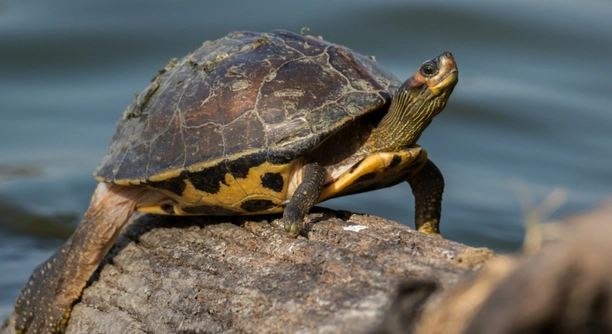
Indian roofed tortoises are fascinating creatures, known for their unique behaviors. Sometimes, you might hear unexpected noises coming from them. These sounds can be surprising, especially when you’re trying to understand their meaning.
The noises made by your Indian roofed tortoise may be a sign of stress, excitement, or even communication. Tortoises can produce these sounds in various situations, such as when they feel threatened or when they are in breeding conditions.
Understanding why your tortoise makes these noises can help ensure it’s healthy and comfortable. Keep reading to learn more about the different causes and how you can support your tortoise’s well-being.
Reasons Your Indian Roofed Tortoise May Be Making Noises
Tortoises, like any pet, express themselves in different ways, including making sounds. These noises may range from subtle murmurs to louder, more noticeable sounds. If your Indian roofed tortoise is vocalizing, it’s important to understand what the noise means. It could be a natural response to changes in its environment, stress, or even excitement. Recognizing the context of these noises can help you assess if there’s a specific cause.
Tortoises produce sounds for a few reasons, including when they feel threatened, during mating behavior, or when they are exploring their environment. While the noises may seem unusual, they are generally not a cause for concern.
When your tortoise makes sounds, it may be trying to communicate. Some tortoises will make noise when feeling stress or discomfort, while others might be vocalizing out of excitement. Understanding these factors and creating a more comfortable habitat for your tortoise can help reduce unwanted noise.
When Stress Causes Noise
Stress can be a significant factor in your tortoise’s vocalization.
If your tortoise is making noises, one of the first things to check is its habitat. If it’s too noisy or overcrowded, or if there are frequent changes in lighting or temperature, your tortoise might feel stressed. Stress is often a trigger for sounds, especially when tortoises feel cornered or threatened. They may also vocalize if they are unable to find a safe space to retreat to. By offering a quiet, secure, and consistent environment, you can help reduce the chances of your tortoise making distressing sounds. Consider placing its habitat in a low-traffic area to avoid unnecessary disruptions.
Creating a space where your tortoise can feel safe and secure is crucial to its well-being. Whether it’s through adjusting the setup or changing its environment, stress management can go a long way in addressing this issue.
Mating Behavior and Noise
Your Indian roofed tortoise might make noises during mating season. These vocalizations are usually a natural part of their behavior. If you notice an increase in noise around breeding time, this could be the cause. Mating calls can sound like grunts or other repetitive noises.
During the mating process, male tortoises often make sounds to attract females or assert their presence. These noises are generally harmless and not a cause for concern. However, if the behavior persists outside of mating seasons, it could indicate that your tortoise is feeling stressed or uncomfortable in its environment.
If mating behavior seems to be the cause, ensure that your tortoise’s environment is comfortable, and consider providing more space or enrichment. Offering more hiding spots or visual barriers might also help if one tortoise feels threatened. This can reduce unnecessary stress and help maintain harmony.
Noise from Excitement or Curiosity
Tortoises can also make noises out of excitement or curiosity. If your tortoise is exploring a new environment or encountering new objects, it may vocalize as a form of communication. These sounds are usually short and can vary depending on the tortoise’s mood.
Excitement often arises when your tortoise sees food, new objects, or other animals in its vicinity. It’s their way of expressing interest in their surroundings. Tortoises are naturally curious, and they tend to make sounds when they are intrigued by something. This type of noise is typically harmless but should be monitored to make sure it doesn’t lead to stress.
To manage this behavior, you can introduce new things slowly, allowing your tortoise time to adjust without feeling overwhelmed. Small changes in the environment can help them explore while minimizing stress, helping to keep the noise level under control.
Communication with Other Tortoises
If you have more than one tortoise, noise may be a form of communication between them. Tortoises are territorial animals and may make sounds to establish boundaries or interact with one another. These vocalizations can be short and are typically a sign of their social behavior.
Territorial disputes can lead to louder sounds, especially if one tortoise feels threatened by another’s presence. It’s essential to monitor their interactions, as such behaviors can sometimes lead to stress or aggression. Giving each tortoise enough space and hiding spots can reduce this tension and minimize vocalizations.
Illness and Discomfort
If your tortoise is sick or in discomfort, it may also produce sounds as a response to pain. When your tortoise is unwell, its body language and vocalizations may change. This could be a sign of distress and should not be ignored.
If your tortoise seems lethargic, isn’t eating, or is consistently making noise, it might be time to consult a veterinarian. Common illnesses can include respiratory infections, digestive issues, or injuries. Ensuring that your tortoise is healthy can help eliminate unnecessary vocalizations related to pain or illness.
Excessive Noise and Stress Management
If the noise becomes excessive or persistent, it may indicate that your tortoise is under stress. Excessive vocalization can be a sign of a larger issue, such as environmental discomfort or social imbalance.
Stress can come from various factors, including improper enclosure size, frequent disturbances, or sudden changes in the environment. Ensuring that your tortoise’s space is quiet, stable, and secure can help reduce unnecessary noise. Consider setting up a calming habitat with proper lighting, temperature, and space to give your tortoise peace.
FAQ
Why does my tortoise make noise when I feed it?
Tortoises can make noises during feeding for a variety of reasons. They may vocalize out of excitement, anticipation, or even frustration if the food is out of reach. Some tortoises are particularly vocal when they see their favorite food coming, signaling their interest and eagerness. It’s usually harmless, as long as the tortoise isn’t stressed or behaving aggressively.
Should I be concerned if my tortoise makes noise at night?
If your tortoise is making noise at night, it could be due to a few factors. Tortoises are generally more active during dawn and dusk, so if it’s nocturnal activity, it’s natural. However, if the noise is loud or constant, it could indicate that the tortoise is feeling stressed, disoriented, or uncomfortable in its environment. Ensuring your tortoise’s habitat is quiet and undisturbed during the night can help reduce unnecessary sounds.
How do I know if my tortoise’s noise is caused by stress?
Stress-related noise in tortoises is often accompanied by other signs of distress, such as excessive pacing, hiding, or refusing food. If the noise is paired with behaviors like trying to escape or appearing agitated, it’s likely due to stress. Stress can stem from improper temperature, lighting, overcrowding, or environmental changes. Observing your tortoise’s behavior and making adjustments to its habitat can help alleviate these stress-induced sounds.
Can my tortoise’s noise indicate a health problem?
Yes, if your tortoise is suddenly making loud or unusual noises, it could indicate a health issue. Illness or pain, such as respiratory infections or digestive problems, might cause vocalization. If the noise is persistent or your tortoise is also displaying signs like lethargy, loss of appetite, or difficulty breathing, it’s a good idea to consult a veterinarian. Early detection of health issues can help prevent more severe complications.
Is it normal for my tortoise to make noises when interacting with other tortoises?
Yes, it is normal for tortoises to make noises when they interact with each other. These vocalizations are part of their social behavior, especially during mating or territorial disputes. Male tortoises may make noises to assert their presence or communicate with females. If the noise seems to be associated with aggression or fighting, it might indicate territorial stress, and giving each tortoise more space could help reduce conflict.
Why does my tortoise make noise when I pick it up?
Some tortoises may vocalize when handled because they feel threatened or stressed by being lifted. Tortoises are not used to being picked up regularly and may perceive the action as a sign of danger. Over time, with gentle handling and providing a secure environment, your tortoise may become more comfortable and make fewer noises when held. Be mindful of your tortoise’s comfort level and only pick it up when necessary.
Can I prevent my tortoise from making noise?
It’s difficult to completely prevent tortoises from making noise, as vocalizations are part of their natural behavior. However, creating a calm, stable environment can reduce stress-related sounds. Make sure your tortoise’s habitat has the proper temperature, humidity, and lighting. Providing plenty of space and hiding spots can help it feel secure and reduce unnecessary vocalizations. Avoiding sudden changes in its environment is also key in minimizing stress.
How can I tell the difference between normal and abnormal noises?
Normal tortoise noises are usually brief and occur during activities like feeding, exploring, or interacting with other tortoises. These sounds may include grunts, hisses, or low rasping noises. Abnormal sounds are usually prolonged or unusual in tone, and they are often accompanied by other signs of distress or discomfort. If your tortoise’s noise seems excessive or is associated with lethargy, refusal to eat, or other health concerns, it’s a good idea to consult a vet.
Does noise level vary by tortoise species?
Yes, different species of tortoises may make different types or levels of noise. Indian roofed tortoises, for instance, are known to make more noticeable noises than other species. The intensity and frequency of their vocalizations can vary depending on their environment, social interactions, and individual personalities. If you’re unsure about your tortoise’s noise level, observing its behavior and consulting a professional can help ensure its well-being.
What should I do if my tortoise’s noise is constant and disruptive?
If the noise is constant and disruptive, it’s essential to determine the cause. Check for signs of stress, illness, or environmental issues. Consider adjusting your tortoise’s habitat to make it more comfortable, such as reducing noise levels, providing more space, or adding enrichment. If the noise persists, especially with signs of health problems, a visit to a vet is recommended to rule out any underlying medical conditions.
Final Thoughts
Understanding why your Indian roofed tortoise makes noises is essential for ensuring its well-being. These creatures are not typically very vocal, so when they do make sounds, it’s important to observe the context. Whether it’s due to social interactions, stress, or even health issues, understanding the cause can help you address the situation appropriately. By paying attention to the type and frequency of the noises, you can determine if it’s a natural behavior or if something might need to be adjusted in their care.
If your tortoise is making noises because of stress or discomfort, it’s vital to take action to resolve the underlying issue. Stress can come from various factors such as environmental changes, improper enclosure conditions, or overcrowding. Providing a comfortable, quiet, and spacious environment can help reduce unnecessary vocalizations. Additionally, regular health checkups can help ensure that your tortoise remains in good health and that any health-related causes of noise are addressed quickly. Remember that tortoises rely on their habitat to feel secure, so making sure that their environment supports their natural behavior is key.
In many cases, occasional noise is normal and nothing to worry about. Tortoises may vocalize when they’re excited, hungry, or interacting with other tortoises. If the noise seems out of the ordinary, it’s essential to monitor your tortoise’s overall health and behavior. By keeping an eye on its environment and ensuring that all its needs are met, you can reduce any unnecessary noise. Taking a proactive approach to understanding why your tortoise is making noises will help create a healthier, happier environment for your pet, free from stress or discomfort.

Hello,
If you enjoy the content that we create, please consider saying a "Thank You!" by leaving a tip.
Every little bit helps us continue crafting quality advice that supports the health, happiness, and well-being of pets around the world, for pets of all shapes, sizes, and species.
We really appreciate the kindness and support that you show us!