
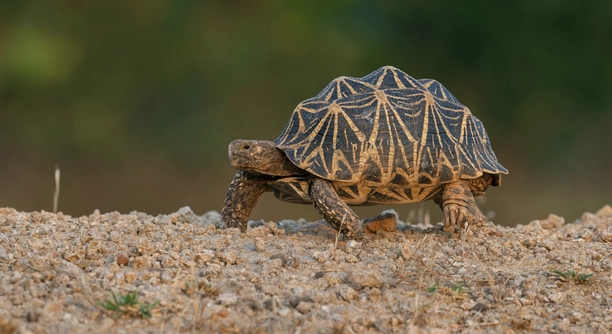
Creating a comfortable and suitable habitat for your Indian Star Tortoise is key to ensuring their health and well-being. A humid hide can be essential for maintaining the right balance of moisture and temperature. Here’s how to create one.
A humid hide for Indian Star Tortoises should provide a space with consistent humidity levels to aid in shedding and prevent dehydration. Use a sealed enclosure with damp sphagnum moss or coconut fiber to retain moisture. Maintain temperatures between 80-85°F.
Making sure your tortoise is comfortable in its hide will help maintain a healthy environment for its growth and development. Keep reading to learn more about setting up the perfect humid hide.
Choosing the Right Materials for the Humid Hide
The materials you use in your humid hide are crucial for maintaining the right humidity and temperature levels. Sphagnum moss is a popular choice due to its ability to hold moisture while providing a natural feel for your tortoise. Coconut fiber also works well, offering a slightly different texture while retaining moisture effectively. Both materials can be easily found at pet stores or online, and they’re affordable options for creating a comfortable environment.
When choosing your material, ensure that it is safe for your tortoise. Avoid any chemical-laden substrates that may harm them. Additionally, keep in mind that these materials should be changed regularly to prevent mold or bacteria buildup.
In addition to the substrate, consider using a plastic container or a similar enclosure to create a humid hide. The container helps trap moisture inside and provides a space where your tortoise can retreat when it needs to regulate its environment.
The Right Temperature and Humidity Levels
Maintaining the proper temperature and humidity in the humid hide is essential.
A humidity level of 70-80% is ideal for Indian Star Tortoises. To ensure this, regularly mist the hide and monitor the moisture content of the substrate. You can use a hygrometer to track humidity levels and adjust as needed.
For temperature, aim for 80-85°F inside the hide. You can use a heat lamp or a heating pad underneath the hide to maintain this temperature. The warmth helps your tortoise stay comfortable and supports its natural behaviors.
Creating a Comfortable Space Inside the Hide
Place the chosen material evenly inside the hide to create a soft, damp base for your tortoise. Make sure it’s deep enough for them to burrow and feel secure. You can add extra layers of moss or fiber if needed. This provides a more natural environment that they can enjoy.
You can also add a small piece of driftwood or a hideaway shelter inside the humid area. This gives your tortoise a more varied environment, offering areas to explore or rest. Tortoises like to have space to move around in, so make sure they’re not cramped.
Consider adding a shallow water dish to the hide as well. This allows the tortoise to drink when needed. Keeping the water dish clean is essential to prevent bacteria growth. Check the dish daily and replace the water with fresh water each time.
Regular Maintenance and Cleaning
It’s essential to clean the humid hide regularly to avoid mold, bacteria, and odor buildup.
Every week, remove the old substrate and replace it with fresh, damp moss or coconut fiber. Be sure to fully clean the container or hideaway shelter with safe, non-toxic cleaners before refilling it. Keeping the hide clean ensures a healthier environment for your tortoise, minimizing risks of skin infections or respiratory issues.
Changing the water dish frequently is another important task. Refill it daily with clean water, and sanitize it weekly to prevent algae or mold growth. By staying on top of these tasks, you’ll maintain a hygienic space for your Indian Star Tortoise to thrive.
Location of the Humid Hide
The location of the humid hide matters for both temperature and humidity levels. Place the hide in a quiet, low-traffic area of the enclosure where your tortoise can feel safe. Avoid putting it near direct light or air vents that may cause fluctuations in temperature or dryness.
Ensure the hide is easily accessible to your tortoise, allowing it to comfortably enter and exit without barriers. A corner of the enclosure works best, offering stability and a more private, secluded space for your tortoise to retreat to when needed.
Monitoring the Environment
Keep a close eye on the humidity and temperature inside the hide.
Using a hygrometer and thermometer helps ensure the environment is stable. Regular checks allow you to make adjustments as necessary, such as adding moisture or adjusting the heat source. This is especially important during seasonal changes when humidity and temperature can fluctuate more dramatically.
The Importance of a Proper Humid Hide
A proper humid hide provides your tortoise with the ability to regulate its moisture levels and maintain a healthy environment.
Without this hide, your tortoise may struggle with dehydration or improper shedding, leading to potential health problems. The humid hide is also a safe space where your tortoise can feel secure when it needs to rest or hide away.
FAQ
What materials can I use for the humid hide?
Sphagnum moss and coconut fiber are the best options for creating a humid hide. These materials hold moisture well and provide a natural environment for your tortoise. Both are safe and easy to find. You can also mix them together for added texture and moisture retention. Avoid using anything with chemicals or fragrances that could harm your tortoise. Regularly replace the substrate to prevent mold buildup.
How often should I change the substrate in the humid hide?
The substrate should be replaced every week to ensure a clean, healthy environment. If you notice that the moss or fiber has become too wet or dry, replace it sooner. A clean hide reduces the risk of mold and bacteria, which can lead to respiratory issues or skin infections. Always ensure the new material is damp, but not soaking wet.
How do I keep the humidity stable inside the hide?
You can maintain stable humidity by misting the hide regularly, but not over-wetting the substrate. Use a hygrometer to monitor the moisture levels, aiming for a humidity of 70-80%. If the hide becomes too dry, add more moisture or use a humidifier near the enclosure to help keep the air humid. Just be careful not to let the humidity become too high, as this can lead to mold growth.
What temperature should I maintain in the humid hide?
The ideal temperature for the humid hide is 80-85°F. You can use a heat mat underneath the hide or a heat lamp to maintain this temperature. Avoid placing the heat source too close, as it can dry out the humidity. A thermometer inside the hide will help you monitor the temperature closely.
Can I use a plastic container for the humid hide?
Yes, a plastic container is a great option for a humid hide. It helps retain moisture and can easily be adjusted in size. Make sure to choose one with a lid or cover to trap humidity, but ensure it has ventilation holes so your tortoise gets fresh air. Keep it clean by washing it regularly to prevent bacteria buildup.
Should I add a water dish inside the humid hide?
Yes, a shallow water dish inside the humid hide can be beneficial. It gives your tortoise access to fresh water whenever it needs it. Make sure the dish is cleaned regularly and is not too deep to prevent accidental drowning. Change the water daily to keep it fresh.
Is it necessary to provide a humid hide for my Indian Star Tortoise?
Yes, a humid hide is crucial for Indian Star Tortoises, especially during shedding periods or when they need to hydrate. It mimics the moist, sheltered areas they would seek out in the wild. Without a proper hide, your tortoise may struggle with dehydration or improper shedding.
Can I use other types of substrate besides moss or coconut fiber?
While moss and coconut fiber are the most commonly used substrates, you can also use reptile-safe soil or peat. However, always make sure the substrate is moisture-retentive, non-toxic, and doesn’t contain any harmful chemicals. Avoid sand or soil with pesticides, as these can harm your tortoise.
How can I tell if the humidity is too high in the hide?
If the humidity is too high, you might notice condensation inside the hide, and the substrate may become overly wet. Excess moisture can also lead to mold, which is harmful to your tortoise’s health. Adjust the misting or ventilation to bring the humidity down if necessary. Regularly check the substrate for any signs of mold or excessive moisture.
Can the humid hide be used in other enclosures for different reptiles?
Yes, a humid hide can be used for various reptiles that need higher humidity levels, such as box turtles, leopard geckos, or even certain amphibians. Always tailor the hide to the specific needs of the reptile, adjusting humidity and temperature levels accordingly.
Final Thoughts
Creating a perfect humid hide for your Indian Star Tortoise is an essential part of providing a suitable environment for its health and well-being. The right materials, humidity levels, and temperature make a big difference in ensuring your tortoise stays hydrated, sheds properly, and has a comfortable place to retreat when needed. Remember to use safe and natural substrates like sphagnum moss or coconut fiber, which hold moisture well and create a cozy hideaway. Regular cleaning and maintenance of the hide will keep it fresh and free from harmful mold or bacteria.
It’s important to monitor the humidity and temperature regularly to keep everything within the ideal range. Humidity levels should remain around 70-80%, and the temperature in the hide should be between 80-85°F. This environment helps prevent dehydration and supports healthy shedding for your tortoise. Don’t forget to replace the substrate weekly to keep the hide clean and safe. A shallow water dish inside the hide can also provide your tortoise with easy access to fresh water.
Providing a humid hide isn’t just about hydration and shedding. It also offers your tortoise a sense of security. Tortoises naturally seek out sheltered spots to rest and feel safe. With a well-maintained humid hide, your Indian Star Tortoise can feel secure in its environment, reduce stress, and enjoy a healthier, more comfortable life. By following these simple steps, you can ensure your tortoise has the ideal habitat to thrive.

Hello,
If you enjoy the content that we create, please consider saying a "Thank You!" by leaving a tip.
Every little bit helps us continue crafting quality advice that supports the health, happiness, and well-being of pets around the world, for pets of all shapes, sizes, and species.
We really appreciate the kindness and support that you show us!