
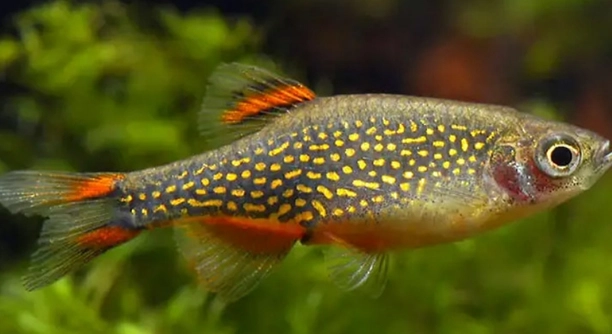
Do your Danios look dull even though you carefully feed them every day? Many aquarists are surprised to learn that small mistakes in feeding routines can directly affect the vivid colors of these lively fish. Poor feeding habits may silently be undermining your aquarium’s beauty.
The seven most common feeding mistakes that influence Danio coloration include overfeeding, underfeeding, providing low-quality food, lacking variety in diet, failing to include color-enhancing nutrients, feeding inappropriate supplements, and inconsistent feeding schedules. Addressing these issues helps maintain vibrant and healthy fish.
Learning how each feeding error impacts your Danios can make a noticeable difference in their appearance. The following tips will guide you toward keeping them colorful and healthy.
Overfeeding Your Danios
Overfeeding is a common mistake that many aquarists make, often with good intentions. Feeding Danios too much can lead to excess waste in the tank, which affects water quality and fish health. Poor water conditions may dull their natural coloration and make them more prone to illness. Danios have small stomachs, and giving them more food than they can consume in a few minutes will not improve their growth or color. It is better to feed small portions multiple times a day rather than one large feeding. Observing how much your Danios eat in two to three minutes can help establish an appropriate amount. Avoid leaving uneaten food in the tank as it decays and pollutes the water. Maintaining a balanced feeding schedule is essential for vibrant colors and overall well-being.
Feeding Danios only what they can eat prevents water problems and supports brighter, healthier colors over time.
Consistent portion control also reduces stress, which can cause fish to lose their natural shine. Overfed Danios may become lethargic and less active, reducing their display of colors. A careful feeding routine ensures fish receive enough nutrients without overwhelming their system. Tracking feeding habits helps you adjust portions as the fish grow or as the tank population changes. High-quality food in the right quantity is more effective than excessive feeding. Color-enhancing foods, such as those rich in carotenoids, will improve vibrancy only when given in proper amounts. Observing fish behavior during feeding times provides immediate feedback and helps maintain their health and appearance. Regularly checking water parameters alongside feeding practices ensures both nutrition and environmental conditions support natural coloration.
Low-Quality Food
Feeding low-quality flakes or pellets can limit the nutrients your Danios receive. These foods often lack essential vitamins and proteins needed for vibrant colors.
Choosing high-quality, nutrient-rich food is key to enhancing Danio coloration. Foods designed specifically for color growth provide pigments and support overall health.
Quality food should include natural color-enhancing ingredients, such as spirulina or astaxanthin, to bring out red, orange, and yellow tones in Danios. Cheap or generic brands may fill bellies but fail to provide adequate nutrition. Incomplete diets can also weaken the immune system, making fish more susceptible to stress and illness, which in turn dulls their colors. Rotating different types of high-quality food, like flakes, pellets, and frozen options, ensures that fish get a variety of nutrients. Paying attention to the ingredient list is important—foods with fillers or artificial additives do not contribute to color enhancement. By investing in proper nutrition, you are supporting both the health and the vibrant appearance of your Danios, allowing their natural patterns and hues to fully develop in the aquarium.
Inconsistent Feeding Schedules
Irregular feeding can stress Danios and affect their coloration. Skipping meals or feeding at different times daily reduces nutrient absorption and weakens their immune system.
Maintaining a consistent schedule helps Danios know when to expect food, which reduces stress and encourages proper digestion. Stress from irregular feeding can cause colors to fade, as fish prioritize survival over appearance. A predictable routine allows them to process nutrients efficiently, ensuring that vitamins and pigments are properly absorbed. Even spacing of meals prevents overeating at a single feeding and keeps water quality stable. Consistency also helps you monitor appetite and notice early signs of health issues, supporting both their color and overall well-being.
Feeding at regular intervals maximizes nutrient uptake and maintains vibrant colors. Observing behavior during scheduled meals also improves your ability to respond to health changes.
Lack of Color-Enhancing Nutrients
Danios require specific nutrients to maintain bright coloration. Diets lacking these pigments result in muted tones and dull patterns.
Color-enhancing nutrients, such as carotenoids, astaxanthin, and spirulina, play a vital role in the vibrancy of Danios. Without these compounds, even healthy fish can appear pale or washed out. Including a variety of foods containing natural pigments ensures that red, orange, and yellow tones develop properly. Frozen or live foods often provide these nutrients in higher concentrations than standard flakes, making them an excellent addition to the diet. A balanced approach combining pellets, flakes, and occasional frozen treats maximizes both health and color expression.
Regularly incorporating color-boosting foods strengthens pigmentation over time. Consistency and variety in feeding promote the natural hues and patterns that make Danios visually striking. A strategic mix of high-quality ingredients ensures long-term color retention and overall vitality in the aquarium.
Feeding Inappropriate Supplements
Providing supplements not designed for Danios can harm their health and fade their colors. Overuse or incorrect types of vitamins and minerals can stress fish and disrupt nutrient balance.
Only use supplements specifically formulated for small tropical fish. Incorrect supplements often do more harm than good and may cause digestive or metabolic issues.
Underfeeding Your Danios
Not giving enough food limits nutrient intake, resulting in poor growth and faded colors. Underfed Danios may become weak and less active, affecting overall appearance. Regular, measured feedings ensure they receive essential proteins, vitamins, and pigments needed to maintain bright, healthy coloration in the aquarium.
Lack of Variety in Diet
Feeding the same type of food repeatedly prevents Danios from receiving a full spectrum of nutrients. A varied diet supports both health and vibrant coloration. Regularly rotating pellets, flakes, and frozen options keeps meals balanced and helps maintain their natural patterns and bright tones.
How often should I feed my Danios?
Feeding Danios two to three times a day in small portions works best. They have small stomachs and can only consume a limited amount at once. Overfeeding in a single meal can lead to waste accumulation, poor water quality, and faded colors. Consistent feeding times help reduce stress and ensure nutrients are absorbed efficiently. Observing how much they eat in a few minutes allows you to adjust portions to prevent leftover food. Maintaining this schedule keeps them active, healthy, and colorful over time.
What types of food are best for vibrant colors?
High-quality flakes, pellets, and frozen foods designed for small tropical fish provide essential proteins and pigments. Ingredients like spirulina, carotenoids, and astaxanthin naturally enhance red, yellow, and orange tones. Rotating food types ensures a balanced intake of vitamins and minerals. Avoid cheap or filler-heavy foods, which may fill stomachs but lack proper nutrition. Supplementing occasionally with live or frozen foods like brine shrimp or daphnia can boost pigment retention and overall health. A varied, nutrient-rich diet is the most effective way to maintain vivid coloration in Danios.
Can overfeeding really affect color?
Yes, overfeeding can reduce color vibrancy. Excess food increases waste in the tank, leading to poor water quality and stress. Stressed or lethargic fish prioritize survival over coloration, causing fading. Overfed Danios may also develop digestive issues, which can reduce nutrient absorption, including color-enhancing pigments. Feeding small portions multiple times per day and removing uneaten food prevents these problems. Proper portion control ensures fish remain active, healthy, and brightly colored. Regularly observing feeding behavior helps maintain an appropriate balance between nutrition and tank cleanliness.
Are color-enhancing supplements necessary?
Supplements can help if used correctly, but they are not always required. Only use those specifically formulated for small tropical fish to avoid nutrient imbalances or digestive problems. Overuse or improper types of supplements may stress Danios and dull their colors instead of improving them. Natural pigment sources in quality flakes, pellets, and frozen foods are usually sufficient for healthy coloration. Occasional supplementation may be beneficial during growth phases or when colors appear muted. Monitoring fish response to supplements ensures they contribute positively without causing harm.
How do I know if my Danios are underfed?
Underfed Danios are often less active and may appear pale or dull. Reduced energy levels and slower swimming are indicators of insufficient nutrients. Growth may also be slower than expected. Fish may compete aggressively for food or show constant searching behavior. Providing small, regular meals ensures they get enough proteins, vitamins, and pigments to maintain health and vibrant coloration. Keeping a feeding log helps track portions and detect patterns of underfeeding, supporting consistent growth and color retention.
Is it okay to feed the same food every day?
Feeding the same type of food exclusively limits nutrient diversity and can result in dull coloration over time. Danios need a variety of proteins, vitamins, and natural pigments for optimal health. Rotating high-quality flakes, pellets, and frozen or live options ensures they receive a complete diet. Variety also encourages more active feeding behavior and reduces the risk of nutrient deficiencies. A balanced, diverse diet strengthens immune systems and supports brighter, more natural color patterns, making your aquarium more visually appealing.
How can I prevent feeding mistakes?
Observe your Danios closely during feeding, provide small, appropriate portions, and maintain a consistent schedule. Choose high-quality foods with color-enhancing ingredients and rotate them regularly. Avoid unnecessary supplements or overfeeding, and monitor water quality to ensure a healthy environment. Keeping a simple log of feeding times and amounts helps identify and correct mistakes quickly. Paying attention to behavior, activity levels, and coloration provides immediate feedback on feeding practices. Following these steps ensures Danios receive the nutrition they need while maintaining bright and healthy colors in the tank.
Can stress from feeding affect color?
Yes, stress caused by irregular feeding, overfeeding, or underfeeding directly impacts Danio coloration. Stress triggers physiological responses that prioritize survival over pigmentation, resulting in faded tones. Maintaining a calm feeding environment, providing consistent meals, and avoiding competition for food reduce stress. Stress management, combined with proper nutrition, ensures Danios retain natural vibrancy and overall health. Monitoring interactions and behavior during feeding times helps you create a stable routine that supports both color retention and wellbeing.
What role does water quality play in coloration?
Poor water quality caused by leftover food or excessive waste can stress Danios and diminish their natural colors. Clear, well-filtered water ensures proper oxygenation and reduces toxins. Regular water changes and monitoring ammonia, nitrite, and nitrate levels support nutrient absorption, making food more effective. Proper tank maintenance combined with correct feeding routines preserves both the health and coloration of your fish. Clean water allows pigments to develop fully, while maintaining a stable environment reduces stress-related fading.
How quickly can I expect color improvements after changing diet?
Color changes may appear within a few weeks if a balanced, nutrient-rich diet is implemented. Consistency is essential; sporadic feeding or occasional high-quality foods will not yield lasting results. Observing gradual improvements helps adjust feeding schedules and portion sizes for optimal outcomes. Supporting good water quality accelerates pigment retention, making colors appear brighter. Patience and careful observation ensure changes are noticeable and long-lasting, providing Danios with the nutrients needed for vibrant and healthy coloration.
Maintaining the vibrant colors of your Danios comes down to paying attention to their diet, feeding habits, and overall care. Many fish owners overlook small mistakes in feeding, not realizing that even minor errors can impact coloration over time. Overfeeding, underfeeding, and inconsistent feeding schedules all affect how nutrients are absorbed, which directly influences how bright and healthy your fish look. Providing high-quality food that contains natural pigments, along with a variety of flakes, pellets, and frozen or live options, ensures that your Danios get the full spectrum of nutrients they need. Consistency in both the type of food and the timing of feedings helps reduce stress and supports optimal digestion, which is essential for maintaining vivid coloration.
It is important to recognize that supplements should be used carefully and only when necessary. Many Danios achieve bright colors through a properly balanced diet without extra additives, but in some cases, carefully chosen supplements can enhance pigmentation. Avoid overusing vitamins or minerals that are not formulated for small tropical fish, as these can create imbalances or even harm the fish. Observing your fish during feeding times can provide valuable feedback on their health and nutritional needs. Signs such as faded colors, lethargy, or decreased appetite can indicate that feeding habits or diet quality need adjustment. Maintaining clean water and stable tank conditions also complements good nutrition, helping Danios display their natural hues more effectively.
Finally, supporting your Danios’ coloration is a combination of proper feeding, tank management, and observation. By ensuring they receive a balanced diet in consistent portions and providing an environment that reduces stress, you are creating the conditions for bright and healthy fish. Small changes, such as rotating foods or adjusting portion sizes, can make a noticeable difference over time. Paying attention to water quality, removing uneaten food promptly, and avoiding irregular feeding patterns further strengthens their overall health. With careful and consistent care, your Danios will retain their vibrant patterns and colors, enhancing the visual appeal of your aquarium while keeping the fish healthy and active for years to come.

Hello,
If you enjoy the content that we create, please consider saying a "Thank You!" by leaving a tip.
Every little bit helps us continue crafting quality advice that supports the health, happiness, and well-being of pets around the world, for pets of all shapes, sizes, and species.
We really appreciate the kindness and support that you show us!