
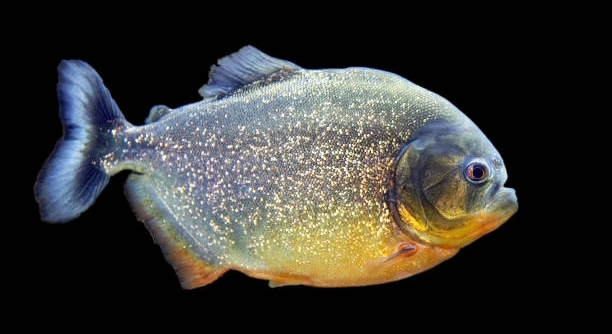
Is your piranha tank showing signs of overcrowding or unusual fish behavior? Knowing when your tank is too small is important for the health and well-being of your piranhas. Proper space helps maintain a balanced and stress-free environment.
A piranha tank is considered too small when the fish exhibit aggression, rapid swimming, or deteriorating health due to limited space and poor water quality. Sufficient tank size reduces stress and supports proper growth and social interactions among piranhas.
Recognizing the signs of an inadequate tank size can prevent serious health problems and promote a happier environment for your fish. This article will guide you through the key indicators and solutions.
Signs Your Piranha Tank Is Too Small
When the tank size is insufficient, piranhas often show signs of stress and discomfort. You might notice increased aggression, as they compete for limited space. The fish may swim rapidly or hide more often, which indicates they feel threatened. Water quality can also decline quickly in a small tank because waste builds up faster. This can lead to health problems such as weakened immune systems or infections. Additionally, overcrowding limits their growth, causing stunted development. A cramped tank disrupts natural behaviors like schooling and territorial boundaries, leading to constant fighting. Monitoring these behavioral and physical changes is crucial for timely intervention to improve their environment. Regular observation can help prevent irreversible damage to your fish’s health.
Maintaining appropriate tank size is essential for reducing stress and promoting natural behaviors in piranhas.
Tank size guidelines depend on the number and size of your piranhas. A minimum of 20 gallons per adult piranha is generally recommended. This space allows for healthy movement and reduces aggression by providing enough room for territories. If you have multiple fish, increase the tank size accordingly. Consider upgrading your tank as your piranhas grow. Keep in mind that filtration and water circulation systems must be adequate for the tank volume to maintain water quality. Proper tank setup supports the overall well-being of your fish.
How to Measure If Your Tank Is Too Small
Start by assessing the physical space your piranhas occupy. Measure the tank dimensions and calculate the total volume. Compare this to the recommended volume based on the number of fish. If the tank is below the suggested size, it is likely too small. Watch your piranhas’ behavior carefully, especially during feeding times or when establishing territories. Frequent fights or constant chasing often signal inadequate space.
To improve their environment, consider rearranging tank decorations to create more open areas. Removing overcrowded plants or objects can reduce territorial disputes. Upgrade to a larger tank if behavioral issues persist. When moving to a bigger tank, transfer water gradually to minimize stress. Proper tank size combined with a well-maintained filtration system will promote healthier, less aggressive piranhas over time. Prioritizing space and water quality is key to sustaining a balanced aquatic habitat.
Common Mistakes When Choosing a Tank Size
Many underestimate how large piranhas grow and how much space they need. Starting with a small tank often leads to overcrowding as fish mature. Ignoring the number of piranhas in the tank can also cause issues, especially if multiple fish share a confined space.
Buying a tank based only on current fish size is a frequent mistake. Piranhas can grow up to 12 inches, requiring ample room. Failing to plan for their adult size leads to stress and aggression. Another common error is not upgrading the tank as the fish grow, which causes overcrowding and poor water quality. The lack of sufficient swimming space impacts their health and behavior. Proper research before purchasing and regularly assessing tank conditions can prevent these problems.
Inadequate filtration combined with a small tank worsens water quality issues. Overcrowded tanks demand frequent water changes to maintain a safe environment. Many forget this and face recurring health problems. Consistent tank maintenance is essential to support a larger, healthier habitat for your piranhas.
Improving Your Piranha Tank Environment
Adjusting tank size is only part of the solution. Proper filtration helps maintain water quality and reduces toxins. An efficient filter suitable for your tank volume ensures stable conditions. Also, adding hiding spots like rocks or plants provides security and reduces aggression.
Balancing space with environmental enrichment encourages natural behavior. Rearranging tank décor periodically prevents territorial disputes and keeps piranhas active. Regular water testing to monitor pH, ammonia, and nitrate levels is important for fish health. Temperature control is also necessary since piranhas prefer warmer water between 75-80°F. Combining proper space, filtration, and environmental complexity creates a stable, healthy habitat, reducing stress and promoting longevity. Consistent care and observation ensure your piranhas thrive in their environment.
Signs of Stress in Piranhas
Stress in piranhas often shows through changes in behavior. They may become unusually aggressive or lethargic. Loss of appetite and erratic swimming are also common signs that the tank environment is not suitable.
Physical signs include faded coloration and damaged fins. These indicate prolonged stress, often caused by overcrowding or poor water conditions. Early detection can prevent more serious health issues.
Benefits of a Larger Tank
A larger tank provides ample space for natural movement and reduces territorial aggression. It helps maintain better water quality by diluting waste. This creates a healthier environment for the piranhas to grow and thrive.
How Often to Upgrade Your Tank
Tank upgrades depend on your piranhas’ growth rate and behavior. Regularly monitor their size and interactions. If signs of stress or overcrowding appear, plan an upgrade promptly to ensure their well-being.
Choosing the Right Filter
Selecting a filter suitable for your tank size is crucial. Proper filtration supports water clarity and reduces harmful toxins. It is essential for maintaining a balanced aquatic habitat.
FAQ
How do I know when to upgrade my piranha tank?
You should consider upgrading your tank when your piranhas start showing signs of stress, such as aggression, hiding, or rapid swimming. Also, if they outgrow the current tank or if water quality worsens despite proper maintenance, it is time for a larger tank. Regularly measuring your fish and comparing it to tank size guidelines helps decide the right moment for an upgrade.
Can I keep multiple piranhas in a small tank?
Keeping multiple piranhas in a small tank is not advisable. Piranhas require at least 20 gallons per adult fish to reduce aggression and allow natural behaviors. Crowding leads to stress, fights, and deteriorating water quality, increasing the risk of illness and death. Larger tanks with proper filtration and hiding spots help maintain a peaceful community.
What size tank is best for a single piranha?
A single adult piranha needs a minimum of 20 gallons of water to thrive. This size provides enough space for swimming and reduces territorial aggression. Smaller tanks limit movement and cause stress, affecting the fish’s health. Make sure the filtration system matches the tank size to maintain water quality.
How often should I change the water in a small piranha tank?
In smaller tanks, water should be changed more frequently, usually about 25-30% every week. This helps keep ammonia and nitrate levels low and prevents buildup of harmful toxins. Larger tanks with strong filtration may require less frequent changes. Always test water parameters regularly to adjust maintenance accordingly.
What are common signs that my piranhas are stressed?
Signs of stress include unusual aggression or lethargy, loss of appetite, erratic swimming, and hiding more than usual. Physical indicators are faded coloration, clamped fins, and damaged scales or fins. Stress often results from overcrowding, poor water quality, or inadequate tank conditions. Early detection helps prevent serious health problems.
Is filtration important in maintaining tank size?
Yes, filtration is essential regardless of tank size. A good filter removes waste, toxins, and debris, keeping water clean and oxygenated. In small tanks, filtration helps manage higher waste concentrations due to limited water volume. Larger tanks require filters that can handle the increased volume to maintain a healthy environment.
Can rearranging tank decorations help reduce aggression?
Rearranging tank decorations can help by breaking up sightlines and creating more hiding places. This reduces territorial disputes and gives piranhas places to retreat. Providing rocks, plants, and driftwood simulates a natural environment and lowers stress levels. Change decorations periodically to keep the environment stimulating.
How do temperature and water quality affect tank size requirements?
Temperature and water quality influence how much space piranhas need. Optimal temperatures between 75-80°F promote healthy metabolism and reduce stress. Poor water quality can stress fish even in adequate space, so proper filtration and maintenance are necessary. A well-maintained tank with good water parameters supports better fish health.
What should I do if I cannot upgrade my tank immediately?
If upgrading isn’t possible right away, reduce the number of piranhas in the tank to lessen crowding. Perform more frequent water changes and maintain strong filtration. Remove excess decorations to increase swimming space. Monitor fish behavior closely and prepare for an upgrade as soon as possible to prevent long-term health issues.
Can piranhas live in tanks smaller than 20 gallons?
Tanks smaller than 20 gallons are generally unsuitable for adult piranhas. While juveniles may survive briefly, they quickly outgrow small spaces. Smaller tanks lead to rapid water quality deterioration and higher stress levels. Providing at least 20 gallons per fish ensures a stable and healthy environment for long-term care.
How does tank size affect piranha growth?
Tank size directly impacts piranha growth. Small, cramped tanks limit space and can stunt growth due to stress and poor water quality. Larger tanks allow fish to develop naturally with less aggression and better health. Providing adequate space supports optimal growth and reduces the risk of disease.
Are there any behavioral changes linked to tank size?
Yes, tank size influences behavior significantly. In small tanks, piranhas may become overly aggressive or lethargic. Proper tank size encourages natural schooling, territorial behaviors, and normal activity levels. Insufficient space disrupts social balance and can lead to constant fighting or hiding, harming fish welfare.
What equipment upgrades are necessary with a larger tank?
Upgrading to a larger tank requires stronger filtration, a reliable heater, and sometimes additional aeration. Larger volumes need filters capable of handling increased waste and water flow. Heaters should maintain consistent temperatures throughout the tank. Proper equipment supports water quality and stable conditions.
How important is monitoring water parameters in relation to tank size?
Monitoring water parameters is crucial regardless of tank size but becomes more critical in smaller tanks. Ammonia, nitrite, nitrate, and pH levels fluctuate more quickly in small volumes. Regular testing ensures early detection of harmful conditions, allowing timely interventions to protect fish health.
Can overcrowding cause permanent damage to piranhas?
Overcrowding can lead to permanent damage including stunted growth, weakened immune systems, and chronic stress-related illnesses. Prolonged aggression may cause physical injuries or fin damage. Providing adequate space and timely tank upgrades is essential to prevent long-term health problems.
Final Thoughts
Proper tank size is crucial for keeping piranhas healthy and comfortable. A tank that is too small can cause stress, aggression, and poor water quality. These issues negatively affect the fish’s health and lifespan. Ensuring there is enough space for swimming and natural behavior helps maintain a balanced environment. Monitoring your tank size relative to the number and size of your piranhas is an important part of responsible care.
Regular observation of your fish and their environment helps identify when a tank upgrade is necessary. Watching for signs such as changes in behavior, loss of appetite, or physical damage can alert you early to possible problems. Water testing and proper maintenance are also key to keeping your tank conditions stable. These actions reduce the risk of disease and stress, improving your piranhas’ overall well-being.
Taking time to plan and invest in the right tank size benefits both you and your fish. A larger tank may require more space and equipment but offers a healthier, more natural habitat for your piranhas. This improves their quality of life and allows you to enjoy their unique behaviors with less worry. Ultimately, proper tank sizing is a fundamental step toward successful piranha care.

Hello,
If you enjoy the content that we create, please consider saying a "Thank You!" by leaving a tip.
Every little bit helps us continue crafting quality advice that supports the health, happiness, and well-being of pets around the world, for pets of all shapes, sizes, and species.
We really appreciate the kindness and support that you show us!