
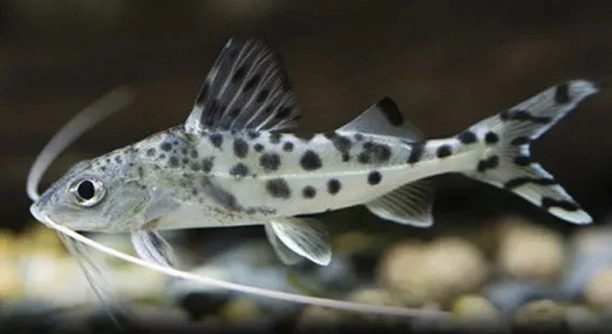
Many people enjoy keeping Pictus catfish in their aquariums because of their peaceful nature and interesting behavior. Proper care is important to keep these fish healthy and happy. One key aspect of care is managing the aquarium filter strength to match their needs.
A filter that is too strong for Pictus catfish can cause stress, injury, or difficulty swimming. These fish prefer moderate water flow, and excessive current can disrupt their natural behavior and reduce their overall health. Choosing the right filter strength helps maintain a balanced environment.
Knowing how to find the right balance in your aquarium setup can improve your Pictus’s comfort and well-being. This article will help you understand the signs of strong filters and how to adjust your tank accordingly.
Signs Your Filter Is Too Strong for Pictus
When the filter in your tank is too powerful, your Pictus catfish will show it clearly. You might notice them struggling to swim or hiding more than usual. They often get pushed into corners or get tired quickly because of the strong water flow. Their fins can look worn or damaged if they constantly fight against the current. Sometimes, they may stop eating or act restless, which is a sign of stress. Observing these behaviors early can prevent long-term harm. It’s important to keep the water moving, but not so much that it overwhelms the fish. You can test this by placing your hand in the tank and feeling how strong the water movement is near the filter outlet. A gentle flow that moves the water without creating a strong current is ideal for Pictus catfish. Keeping an eye on your fish’s behavior helps you make timely adjustments.
Regularly checking your fish’s response to the current is a good habit to keep them safe.
Adjusting filter flow helps maintain a peaceful and healthy environment for your Pictus catfish, ensuring they can swim freely and stay comfortable.
How to Adjust Filter Strength for Your Pictus Catfish
Some filters come with adjustable flow settings that let you control the water speed. If your filter is too strong, lowering the flow can help calm your fish and reduce stress. You can also use sponge pre-filters or baffle plates to break the current and create calmer areas in the tank. Adding plants and decorations strategically can shield fish from strong water movement, providing places to rest. When making these changes, watch your fish carefully to see how they respond. It’s important not to stop water circulation completely because it keeps the tank clean and oxygen-rich. Instead, aim for a gentle flow that mimics the Pictus’s natural habitat. This balance will keep your catfish happy and your aquarium environment stable. Taking simple steps to adjust your filter can improve your fish’s health and make your tank a better place for them to thrive.
Effects of Strong Filters on Pictus Catfish
Strong filters create fast currents that make it hard for Pictus catfish to swim naturally. This can cause them to avoid parts of the tank or become less active. Constant struggle against the current can wear out their fins and increase stress.
Stress from strong water flow weakens the immune system of Pictus catfish. They may become more prone to diseases or infections. Over time, this can reduce their lifespan and overall well-being. A calmer tank environment allows them to use less energy and stay healthier.
In a tank with a strong filter, Pictus catfish might stop exploring or feeding properly. Their behavior can change as they spend more time hiding. It’s important to maintain an environment where they feel safe and comfortable to keep their natural habits intact.
Choosing the Right Filter for Pictus Catfish
Filters with adjustable flow rates are best for tanks with Pictus catfish. They allow you to reduce water movement when needed. A filter rated for the tank’s size but with lower flow output is ideal.
Using pre-filters like sponge covers can soften water flow by spreading it over a larger area. This reduces pressure on the fish. Positioning the filter outlet toward a tank wall or behind plants helps create calmer zones. This setup provides resting spots where your Pictus catfish can escape strong currents. Balancing filtration and flow will keep the water clean while protecting your fish’s comfort.
Testing Filter Strength in Your Aquarium
You can test your filter’s strength by feeling the current with your hand. If the water pushes hard, the flow is too strong for Pictus catfish.
Another way is to watch your fish closely. If they struggle or avoid certain areas, your filter might need adjustment.
Creating Calm Areas in Your Tank
Adding plants, rocks, or decorations near the filter outlet helps reduce water flow speed. These obstacles break the current and create quiet spots for your Pictus catfish to rest. This makes the tank feel more natural and comfortable for your fish.
Regular Filter Maintenance
Cleaning and maintaining your filter ensures it runs efficiently without causing sudden changes in water flow.
Observing Your Fish’s Behavior
Pay attention to your Pictus catfish daily to catch early signs of stress from strong currents.
FAQ
How do I know if my Pictus catfish is stressed from the filter?
Signs of stress include hiding more than usual, difficulty swimming, and damaged fins. Your fish may also lose interest in food or act restless. Watch for them being pushed around by strong currents or avoiding areas near the filter outlet. These behaviors usually mean the water flow is too strong.
Can a strong filter cause physical harm to Pictus catfish?
Yes, strong water currents can cause fin damage and exhaustion. Constantly fighting against the flow wears down their fins and makes swimming tiring. Over time, this can lead to injuries or infections. A moderate flow keeps them active without harm.
Is it okay to turn off the filter to reduce flow?
Turning off the filter completely is not recommended. It disrupts water circulation, reducing oxygen levels and causing waste buildup. Instead, adjust the filter flow or add flow reducers like sponge pre-filters or baffles to soften the current while keeping the water clean.
What type of filter is best for a tank with Pictus catfish?
Filters with adjustable flow rates are ideal. You want a filter that can clean the water efficiently without creating a strong current. Canister filters or hang-on-back filters with flow control work well. Adding decorations near the outlet also helps reduce flow.
How often should I check the filter flow?
Check the flow regularly, especially after maintenance or changes to the tank setup. Observing your fish daily helps you notice if the current feels too strong. Adjust flow as needed to keep the environment comfortable for your Pictus catfish.
Can adding plants help with strong filter flow?
Yes, plants and decorations act as natural flow barriers. They break up the current and create calm areas where Pictus catfish can rest. Live plants also improve water quality, which benefits your fish’s health overall.
Will a weaker filter affect water quality?
A weaker filter may slow water circulation but shouldn’t be too weak. The key is balancing flow with adequate filtration. Using sponge filters or pre-filters can reduce flow without sacrificing water quality. Regular water changes also support a healthy tank.
How do I adjust the flow if my filter isn’t adjustable?
If your filter lacks flow control, use accessories like sponge pre-filters or baffles to slow water movement. Position the filter outlet near tank walls or behind plants to reduce strong currents. This helps create a gentler environment without replacing the filter.
Can strong filters cause Pictus catfish to stop eating?
Yes, stress from fast currents may make your fish stop eating. When they struggle to swim, they focus on survival rather than feeding. Reducing flow often helps restore their appetite and normal behavior.
Is it normal for Pictus catfish to avoid the filter area?
Pictus catfish prefer calm waters, so they naturally avoid strong currents near the filter outlet. Creating quiet zones with decorations helps them feel safe. If they never leave hiding spots, it might signal a bigger problem with flow or water quality.
Final Thoughts
Taking care of Pictus catfish means paying close attention to their environment, especially the strength of the filter in their tank. A filter that is too strong can cause stress and harm to these fish, making it hard for them to swim or rest comfortably. It is important to create a balance where the water stays clean but the flow is gentle enough to allow your catfish to move freely without constant struggle. Watching how your fish behave is one of the best ways to know if the filter needs adjustment. If your Pictus catfish seem tired, hide often, or have damaged fins, it may be time to reduce the water flow or add decorations that soften the current.
Using a filter with adjustable flow or adding simple tools like sponge pre-filters can help create a calm area in the tank. Plants, rocks, and other decorations are not just for looks; they serve an important role in breaking up strong currents and giving your fish places to rest. Keeping the water moving gently also helps maintain oxygen levels and removes waste, so you do not have to choose between water quality and fish comfort. Regularly testing the flow by feeling the current and observing your catfish’s behavior will make it easier to keep your aquarium balanced and healthy.
Overall, caring for Pictus catfish requires some thought about their specific needs. The right filter strength supports their health and natural habits while keeping the tank clean and stable. Small changes to the filter flow or tank setup can make a big difference in how your fish feel and behave. Taking time to learn about these needs will help you provide a better home for your Pictus catfish, ensuring they live happily and healthily in your care.

Hello,
If you enjoy the content that we create, please consider saying a "Thank You!" by leaving a tip.
Every little bit helps us continue crafting quality advice that supports the health, happiness, and well-being of pets around the world, for pets of all shapes, sizes, and species.
We really appreciate the kindness and support that you show us!