
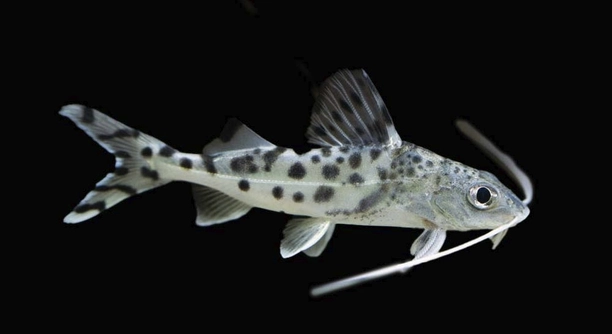
Are your pictus catfish showing signs of distress in your aquarium? These active fish are sensitive to changes in their environment and health. Recognizing their stress signals can help you maintain a healthy tank and keep them comfortable.
Pictus catfish stress can be identified through several common signs including erratic swimming, loss of appetite, faded coloration, excessive hiding, rapid breathing, fin clamping, and increased aggression. These symptoms indicate environmental or health issues that require prompt attention to prevent further harm.
Knowing these signs early allows you to take necessary actions to improve your catfish’s well-being. Proper care can make a significant difference in their health and happiness in your tank.
Erratic Swimming and Restlessness
When pictus catfish swim erratically or appear restless, it is a clear sign of stress. They may dart around the tank, crash into decorations, or swim near the surface more than usual. These behaviors often result from poor water quality, sudden changes in temperature, or improper tank conditions. Pictus catfish prefer stable environments with clean, well-oxygenated water. If they are stressed, their immune systems weaken, making them vulnerable to illness. Regular water testing and maintenance can help prevent these problems. Observing your catfish’s swimming patterns closely is important for early detection of issues. If restlessness continues, check for other signs such as gasping or hiding to ensure you are addressing all aspects of their health.
Restlessness in pictus catfish can indicate discomfort or poor living conditions that need quick correction.
To reduce erratic swimming, make sure the tank temperature is stable, the water is clean, and the tank is spacious enough. Avoid overcrowding, as this increases stress. Adding hiding spots like caves or plants can help them feel secure. Monitoring water parameters regularly ensures a comfortable habitat. If erratic behavior persists despite good tank conditions, a health problem may be present, requiring consultation with an aquatic specialist.
Loss of Appetite
Loss of appetite is often one of the first signs that a pictus catfish is under stress. When healthy, these catfish actively search for food and eat consistently. Stress from poor water quality, overcrowding, or illness can cause them to stop eating or eat very little. It is important to observe feeding behavior daily to catch this early. Reduced appetite can lead to weakened health and increased susceptibility to disease. Providing a balanced diet and maintaining stable tank conditions support their overall well-being. If loss of appetite lasts more than a few days, it may be necessary to test water parameters or inspect for signs of infection or parasites.
When a pictus catfish refuses food, it signals a problem needing prompt attention.
Ensuring a calm environment and proper nutrition helps maintain appetite. Feeding a variety of foods, including sinking pellets and live or frozen treats, encourages natural feeding behavior. Stress reduction through tank maintenance and proper social grouping often restores their appetite. If loss of appetite is paired with other symptoms like lethargy or discoloration, professional advice may be needed to diagnose and treat the underlying cause.
Faded Coloration
Faded coloration in pictus catfish often indicates stress or illness. When their colors lose brightness, it usually signals that their environment or health is compromised.
Poor water quality, improper lighting, and nutritional deficiencies are common reasons for dull colors. Stress from overcrowding or aggressive tank mates also affects their appearance. Maintaining stable water parameters and feeding a balanced diet rich in nutrients supports vibrant coloration. Reducing stressors such as sudden changes in water or temperature fluctuations can help the fish regain their natural hues. Monitoring water chemistry regularly and adjusting the environment as needed will prevent long-term fading.
Sometimes, faded colors accompany other symptoms like lethargy or loss of appetite, signaling deeper health issues. Promptly addressing these signs is critical for recovery. If environmental improvements do not restore coloration, consider consulting an aquatic veterinarian to rule out disease or parasites. Proper care and attention are key to maintaining your catfish’s healthy and attractive look.
Excessive Hiding
Excessive hiding is a clear indication that pictus catfish are feeling stressed or unsafe. While some hiding is normal, constant retreat suggests discomfort or fear.
Stress from poor water conditions, aggressive tank mates, or lack of shelter causes them to hide more often. They need safe spaces like caves or dense plants to feel secure. However, if they spend most of their time hidden, it could point to water quality issues or illness. Check ammonia, nitrite, and nitrate levels regularly, and ensure proper filtration. Adjusting tank mates to reduce aggression also helps. Encouraging natural behavior by creating a well-structured environment minimizes hiding and promotes a healthier fish.
A fish that hides excessively may also be suffering from parasites or infections. Observe for other signs such as clamped fins or labored breathing, and take appropriate steps to improve the tank environment or seek expert advice.
Rapid Breathing
Rapid breathing in pictus catfish is often a sign of stress or poor water quality. It indicates the fish may not be getting enough oxygen or could be reacting to toxins in the tank.
Check water oxygen levels and ensure proper filtration and aeration.
Fin Clamping
Fin clamping occurs when a pictus catfish holds its fins tightly against its body. This behavior is a common stress response caused by poor water conditions, illness, or aggressive tank mates. Clamped fins reduce the fish’s ability to swim properly and indicate discomfort or pain. Immediate attention to water quality and tank environment is necessary to address this issue.
Increased Aggression
Pictus catfish can show increased aggression when stressed, especially in crowded tanks or when competing for food. Aggressive behavior disrupts tank harmony and may lead to injury. Ensuring adequate space, hiding spots, and proper feeding reduces aggression and promotes a peaceful environment.
Lethargy
Lethargy is a clear sign that your pictus catfish is under stress or ill. A normally active fish that suddenly becomes inactive requires immediate attention.
What causes stress in pictus catfish?
Stress in pictus catfish is usually caused by poor water quality, sudden changes in temperature, overcrowding, aggressive tank mates, and improper diet. These factors disrupt their natural environment and can weaken their immune system, making them more prone to illness. Maintaining stable conditions is essential to reduce stress.
How can I improve water quality to reduce stress?
Regular water changes, proper filtration, and monitoring of ammonia, nitrite, and nitrate levels help maintain good water quality. Avoid overfeeding, as leftover food increases waste and toxins. Using a reliable test kit allows you to keep track of water parameters and make necessary adjustments quickly.
Why do pictus catfish hide excessively?
Excessive hiding often means the fish feel threatened or uncomfortable. It may result from aggressive tank mates, poor water conditions, or lack of hiding spaces. Providing caves, plants, or decorations helps them feel secure, but if hiding persists, check water quality and stressors in the tank.
Can poor diet cause stress in pictus catfish?
Yes, an unbalanced diet lacking essential nutrients can weaken their health and increase stress levels. Pictus catfish need a varied diet including sinking pellets, live or frozen foods like bloodworms, and occasional vegetable matter. Proper nutrition supports immune function and coloration.
How do temperature changes affect pictus catfish stress?
Sudden temperature fluctuations cause stress by disrupting the fish’s metabolism. Pictus catfish prefer stable temperatures between 72-78°F (22-26°C). Using a heater and thermometer to maintain a steady temperature prevents stress-related behaviors and health problems.
What signs indicate illness due to stress in pictus catfish?
Signs include faded coloration, clamped fins, rapid breathing, loss of appetite, and lethargy. Stress lowers their resistance to infections and parasites. Early detection of these symptoms is crucial to treat illness and improve tank conditions before the fish’s health declines further.
Is overcrowding a major stress factor for pictus catfish?
Yes, overcrowding increases competition for food, reduces swimming space, and can cause aggression. This leads to stress and potential injuries. Providing at least 20 gallons for a small group and avoiding aggressive or incompatible species helps maintain a calm environment.
How can I reduce aggression in pictus catfish tanks?
Ensuring enough space, hiding spots, and feeding multiple times a day reduces aggression. Avoid mixing them with territorial or aggressive fish. Monitoring their behavior and adjusting tank mates as needed helps keep peace in the aquarium.
Can poor lighting affect pictus catfish stress levels?
Strong or constant lighting can stress pictus catfish as they prefer dim or moderate light. Providing shaded areas or floating plants allows them to retreat from bright light, reducing stress and encouraging natural behavior.
When should I consult a professional about stressed pictus catfish?
If signs of stress persist despite correcting water quality, diet, and tank conditions, or if the fish show signs of illness like sores or abnormal behavior, consult an aquatic veterinarian or specialist. Early professional advice can prevent serious health problems.
Understanding the signs of stress in pictus catfish is important for anyone who keeps these fish in an aquarium. Stress can affect their health and behavior in many ways, from changes in swimming patterns to loss of appetite and faded colors. By paying attention to these signals, you can identify problems early and take action to improve their environment. This helps ensure your catfish stay healthy, active, and comfortable in their tank.
Maintaining a stable and clean environment is the best way to reduce stress for pictus catfish. This means regularly checking water quality, controlling temperature, and providing enough space and hiding spots. Overcrowding and aggressive tank mates should be avoided to keep peace in the aquarium. Feeding a balanced diet and avoiding sudden changes in their habitat also contribute to their well-being. Simple steps like these go a long way in preventing stress and illness.
Stress signs should never be ignored or overlooked. If your pictus catfish show symptoms like erratic swimming, hiding, rapid breathing, or loss of appetite, act quickly to find the cause. Sometimes small changes to water conditions or diet can make a big difference. If problems continue despite your efforts, seeking advice from an aquatic expert is recommended. Proper care and attention will help your pictus catfish live a longer, healthier life in your care.

Hello,
If you enjoy the content that we create, please consider saying a "Thank You!" by leaving a tip.
Every little bit helps us continue crafting quality advice that supports the health, happiness, and well-being of pets around the world, for pets of all shapes, sizes, and species.
We really appreciate the kindness and support that you show us!