
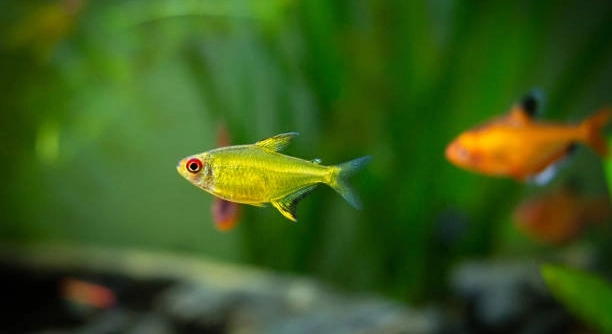
Do you ever notice your lemon tetra losing focus during feeding time as they drift toward every small movement or shimmer in the tank, turning a simple meal into a lively moment filled with surprises.
The primary factors that distract lemon tetra during feeding include sudden movements, bright reflections, competing tank mates, shifting water flow, and environmental changes that alter their sensory focus, leading to pauses in feeding behavior and reduced attention to incoming food.
As you learn what draws their attention away, you will uncover helpful details that make feeding calmer and more predictable.
Sudden Movements in the Tank
Sudden movements inside the tank often pull lemon tetra away from their food, causing them to pause mid-bite while they reassess their surroundings. These small fish rely on quick sensing, so any shift in the water can interrupt their focus during routine feeding. When someone walks by, adjusts equipment, or taps the glass, the vibration moves through the tank, making the fish react before returning to their meal. Even harmless actions like shifting decor or rearranging plants can grab their attention at the wrong moment. Over time, repeated movement during feeding can make them more alert than necessary, slowing down their natural pace. Keeping the area calm allows them to settle into a steady rhythm while eating, helping them feel more secure in their space. A still environment lowers stress and supports better feeding behavior, making mealtime smoother for both you and your fish. This helps build calm habits daily.
Keeping movement low around the tank can reduce distractions during feeding and give lemon tetra a more peaceful routine. Small changes in your behavior can make a noticeable difference, allowing them to focus on each bite without reacting to every tiny shift happening near their habitat during their daily feedings.
Stable surroundings help lemon tetra gain confidence during meals, especially when they learn that nothing sudden will interrupt them. When you create a predictable setting, their attention stays centered on the food instead of drifting toward shadows or motion outside the tank. This simple habit encourages smoother feeding patterns and supports healthier behavior overall. It also makes it easier to watch how much they eat, since they remain in place longer. As they adjust to calm conditions, they become less reactive, which can make feeding feel more pleasant for you as well. Consistency brings out their natural ease at mealtime.
Reflections and Light Changes
Bright reflections along the glass often pull their eyes away from the food, making them shift direction unexpectedly. Light bouncing off decorations or nearby windows can create constant flickers that draw their attention, slowing their feeding pace and causing them to hover instead of eating steadily during their regular meals.
Reflections inside the tank can be surprisingly distracting for lemon tetra, especially when the light changes throughout the day. These bright flashes move across the glass in unpredictable ways, making the fish react as if something important just appeared in their space. When this happens during feeding, they often break focus and drift toward the light instead of staying with their food. Light coming from windows, lamps, or even screens in the room can shift the surface glow, creating patterns that catch their attention again and again. Adjusting the room lighting or adding soft background illumination can help soften sharp reflections and keep things calmer. You might also notice that reflective decorations or shiny gravel increase their sensitivity, so choosing matte or natural materials can make feeding easier. By reducing the visual noise around the tank, you create a clearer space that helps them stay steady during meals. Over time, this gentle approach encourages them to trust their environment more, allowing them to settle into a smoother feeding rhythm without being pulled away by shifting brightness. This simple adjustment supports better eating habits and keeps their energy focused where it matters, helping them feel calmer during every feeding session daily.
Competing Tank Mates
Other fish in the tank can easily pull lemon tetra away from their meals, especially when they swim quickly or crowd the feeding area. This pressure makes them shift focus, pause more often, and lose track of the food as they react to the movement around them during feeding.
When tank mates rush toward the food, lemon tetra may instinctively move aside, even if they are hungry. Their peaceful nature makes them less likely to compete aggressively, so faster or more assertive fish can interrupt their feeding rhythm. Over time, this can create small patterns of hesitation that affect how steadily they eat. Creating enough space and offering multiple feeding spots helps cut down on unnecessary stress. When the environment is arranged with gentle flow and open areas, lemon tetra can stay centered on their meal instead of constantly adjusting to others’ movements. This small change supports calmer, more predictable feeding behavior.
Mixing fish with different temperaments can make feeding time feel unbalanced for lemon tetra. Species that dart, nip, or follow food aggressively create patterns that distract them and shift their attention away from what they need. Even peaceful fish can cause trouble when they cluster too close to the food. Offering slower-sinking or wider-spread feeding options can ease this pressure, letting lemon tetra find their own space. This helps them remain steady and relaxed while eating, since they do not have to react to sudden competition. Over time, they gain a quiet confidence during meals, allowing you to observe them more comfortably and see their natural behavior shine through in a calmer setting.
Shifting Water Flow
Strong currents can pull their food away before they can reach it, causing them to chase drifting pieces instead of eating at a steady pace. When the flow shifts suddenly, their attention moves with it, making feeding feel scattered and less stable for them.
Water movement plays a big role in how lemon tetra behave during meals, especially when the current is stronger than they prefer. When the filter output or added equipment creates unpredictable flow, the food disperses too quickly, forcing them to follow the drifting pieces instead of staying settled. This can make them lose track of what is edible and what is simply moving debris. Softening the current or adjusting the placement of the filter can create a calmer zone where their food stays within reach. In this kind space, they show more relaxed movements and a steadier feeding pattern, which helps them eat with less stress and more consistency.
Noisy Surroundings
Loud sounds near the tank can startle lemon tetra and pull them away from their food. Sudden noises like dropping objects, loud voices, or moving furniture can make them scatter quickly, interrupting their natural feeding flow and causing them to pause longer than usual during meals.
Even softer sounds like tapping, rearranging items, or opening nearby doors can shift their focus. Lemon tetra react quickly to vibrations, so anything that shakes the tank a little can interrupt their eating rhythm. Minimizing sudden noise helps them stay calm and focused throughout their feeding routine.
Changes in Tank Lighting
When the lighting shifts too quickly, lemon tetra react by turning their attention away from their food. Dim lights brightening suddenly or bright lights turning low can make them pause, regroup, and reassess their surroundings instead of staying centered on their meal. Gradual adjustments keep their senses steady and reduce these interruptions. Slow transitions help them stay balanced and ready to eat without unnecessary distractions.
Shadows and Passing Movement
Shadows passing across the tank can easily pull their attention away, making them drift off from their food. Even small motions near the tank can create shifting shapes that break their focus during feeding.
FAQ
Why do my lemon tetra stop eating when something moves near the tank?
Lemon tetra react strongly to changes in their surroundings, even small ones. When something moves near the tank, they instinctively pause to check if the movement signals danger. Their alert nature makes them shift focus quickly, pulling their attention away from food. This reaction is normal, as they rely on visual cues to stay safe. Over time, steady routines help them feel more comfortable and reduce these sudden pauses.
Are lemon tetra easily stressed during feeding?
Yes, they can become stressed if the environment feels unstable or unpredictable. Strong currents, sudden movements, or loud noises can interrupt their focus and make them hesitate during feeding. When they feel unsettled, they eat less confidently and may avoid feeding areas altogether. Keeping their tank calm helps them relax and return to steady eating habits.
Do reflections affect their feeding behavior?
Reflections can distract lemon tetra easily. Bright flashes or shifting light along the glass can pull their eyes away from the food and make them drift toward the moving light instead. Adjusting room lighting or avoiding reflective decorations helps reduce this issue. Softer lighting can create a more stable environment where they stay centered on their meal.
How can I make feeding time smoother for them?
You can help by reducing sudden movements, limiting noise, and adjusting the water flow so their food stays in reachable areas. Feeding them in the same spot and keeping the surrounding space calm gives them more confidence. Consistency makes a big difference and helps them form steady habits.
Why do they get distracted by tank mates?
Lemon tetra are peaceful and avoid conflict, so they often step aside when more assertive fish move in quickly to grab food. This makes them lose focus and miss some of their meal. Giving them multiple feeding spots or choosing tank mates with similar temperaments helps prevent competition from becoming overwhelming.
Does strong water flow affect how they eat?
Yes, strong flow can push their food around too quickly, making them chase pieces instead of settling into a steady feeding rhythm. When the current shifts suddenly, they follow the movement instead of continuing to eat. Adjusting your filter or creating a calm zone helps them stay focused and comfortable while feeding.
Do shadows really distract lemon tetra?
Shadows can interrupt them more often than expected. Passing shapes or shifting light can pull their attention away and make them hesitate. Their instincts tell them to react to anything that moves, even if it is harmless. Keeping the area around the tank steady reduces these small distractions.
Is it normal for them to pause often during meals?
Yes, pausing is normal for them, especially in a busy room. They are sensitive fish and respond to tiny shifts around them. Frequent pauses usually mean something is catching their attention, but once conditions stabilize, they return to their food and eat at a more even pace.
What can I do if they seem nervous while eating?
Try calming the space and removing anything that causes sudden changes. Softer lighting, quieter surroundings, and stable flow can all help them feel safer. When the environment stays predictable, they become more relaxed and feed with better focus.
Why do lemon tetra behave differently on certain days?
They can react to changes in the room, shifts in lighting, movement, or noise levels. Even small variations in the tank setup can influence their attention. Observing their behavior helps you see what affects them most, and small adjustments often bring them back to a steady rhythm.
Do they get used to distractions over time?
They can adapt when the environment becomes predictable. When you keep feeding conditions calm and steady, they learn to focus more easily. This gradual sense of security helps them ignore minor changes and stay centered on their food. Over time, their confidence grows, making feeding smoother and more enjoyable for you and your fish.
Final Thoughts
Caring for lemon tetra during feeding becomes much easier once you understand what pulls their attention away. These small fish respond quickly to movement, sound, and light, so even minor changes can shift their focus in an instant. When the environment stays calm, they settle into a steady pace that feels natural for them. Simple adjustments in the room or inside the tank help them feel more secure while they eat. Over time, you begin to notice their patterns more clearly, and it becomes easier to see what supports their comfort and what disrupts it. This steady awareness helps you create a space where their feeding routine feels predictable and peaceful.
Paying attention to their reactions can guide you toward small improvements that make a meaningful difference for their daily behavior. When you soften bright reflections, reduce sudden noise, or adjust the water flow, they respond with calmer movements and more focused feeding. These changes do not require major effort, but they shape the environment in a way that supports their natural instincts. They begin to trust the surroundings more, and this sense of stability shows in their posture and pace during meals. Watching them become more confident helps you understand how sensitive they are and how much their environment shapes their behavior. With each small step, you create conditions that let them thrive without unnecessary stress.
As you continue to adjust their space, you develop a routine that works well for both you and your fish. Lemon tetra do best when the world around them feels steady, and your consistency plays a big role in that. When feeding becomes predictable and peaceful, they show more relaxed behavior and a healthier appetite. You also get a clearer view of how much they eat and how they interact with their surroundings. This makes it easier to notice when something feels off and address it before it becomes a bigger issue. A calm tank leads to smoother feeding sessions, and smoother feeding sessions lead to better overall wellbeing for your fish. By keeping their needs in mind and making gentle adjustments as needed, you help create a balanced environment where they can feel safe, settled, and fully focused on their meals every day.

Hello,
If you enjoy the content that we create, please consider saying a "Thank You!" by leaving a tip.
Every little bit helps us continue crafting quality advice that supports the health, happiness, and well-being of pets around the world, for pets of all shapes, sizes, and species.
We really appreciate the kindness and support that you show us!