
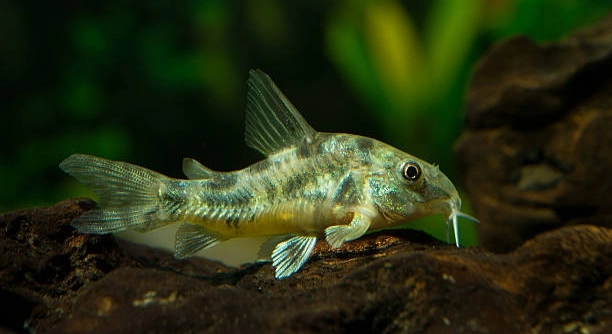
Corydoras catfish are beloved by aquarium enthusiasts for their peaceful nature and adorable behavior. However, keeping them active and engaged can sometimes be a challenge. Here are some tips to keep your corydoras healthy and lively.
To keep your corydoras active and engaged, it’s essential to create an environment that caters to their natural instincts. Providing hiding spots, a varied diet, and plenty of stimulation in the tank can help maintain their energy levels and overall health.
By making small adjustments to your tank setup, you can keep your corydoras happy and thriving. These tips will guide you in making sure they stay active and enjoy a fulfilling life in your aquarium.
Proper Tank Setup for Corydoras Catfish
To keep your corydoras catfish active, a proper tank setup is crucial. These fish are bottom dwellers, so they thrive in environments that mimic their natural habitat. Start by choosing a spacious tank with plenty of room for swimming. Aim for a tank size of at least 20 gallons for a small group of corydoras. Avoid sharp decorations or rocks that could damage their delicate barbels. Instead, opt for smooth gravel or sand at the bottom to help them feel secure and comfortable. A soft substrate allows them to sift through it without injury. Additionally, Corydoras appreciate plenty of hiding places. Adding plants or small caves will provide them with safe spots to retreat when they feel stressed or threatened.
A clean, stable environment is key to keeping your corydoras active and healthy. Keep the water parameters consistent, especially temperature and pH levels. Ensure the filtration system isn’t too strong, as it can stress out these small fish. Light to moderate water movement works best for them.
The right tank setup not only benefits your corydoras’ physical health but also encourages natural behaviors like foraging and swimming. By recreating their preferred environment, they will stay more engaged and lively, which will enhance their overall well-being.
Balanced Diet for Corydoras Catfish
To keep your corydoras healthy and engaged, provide a balanced diet. These fish are bottom-feeders, so they need a variety of food sources to stay active. A mix of sinking pellets, frozen or live foods like brine shrimp, and occasional vegetable matter is perfect.
A diverse diet mimics their natural feeding habits and ensures they get all necessary nutrients. Offering a variety of food will also prevent boredom and keep them searching for meals, which keeps them moving around the tank.
Tank Mates for Corydoras Catfish
Corydoras are peaceful fish that prefer to share their space with other calm species. Avoid aggressive tank mates that could stress them out or disturb their bottom-feeding habits. Opt for small, peaceful fish like guppies, tetras, or other catfish species.
Choosing the right tank mates is important to keeping your corydoras active and stress-free. Fish like bettas, cichlids, or larger predators can harass your corydoras, reducing their activity levels. In a peaceful community tank, your corydoras will feel more comfortable, encouraging natural behaviors like swimming and foraging. The less stressed they are, the more they’ll engage with their environment.
Another thing to consider is the size of the tank. If the other fish are too crowded, the corydoras may not feel safe enough to explore. Space is key to maintaining a healthy, active environment for all tank inhabitants.
Regular Water Changes for Corydoras Catfish
Corydoras need clean water to stay healthy and active. Regular water changes help maintain the right water quality, preventing any toxins or waste buildup. A good rule of thumb is to change 20-30% of the water every week.
A clean tank helps prevent diseases and keeps your corydoras’ environment stable. Regular water changes ensure that the water stays oxygenated and free from harmful substances. This is essential for their well-being and activity levels. The healthier the water, the more energy they’ll have to move around the tank, interact with their tank mates, and search for food. Additionally, keeping the water parameters stable reduces stress, which is key to keeping your corydoras engaged.
By maintaining a consistent cleaning schedule, you provide your corydoras with the best environment possible. They’ll be more likely to explore the tank, swim around, and display their natural behavior.
Maintain a Proper Temperature
Corydoras thrive in stable water temperatures between 72°F and 78°F. Too cold or too hot of water can make them sluggish, reducing their activity levels. Keep the tank’s temperature consistent to avoid stressing them out, as temperature fluctuations can cause discomfort and hinder their natural behaviors.
Using a reliable aquarium heater can help maintain the correct temperature range. It’s important to monitor the water temperature regularly with a thermometer to ensure it stays within the ideal range. A steady environment allows your corydoras to stay active and happy, promoting their overall health and well-being.
Offer Hiding Spots
Corydoras like to feel secure in their environment. Providing plenty of hiding spots, such as caves, plants, or decorations, will help them feel safe. When they have space to retreat, they’ll be more active during the day and less stressed overall.
Having a variety of hiding spots encourages corydoras to be more confident in their movements. They’ll feel comfortable exploring the tank, foraging for food, and interacting with their tank mates. If they don’t have a secure place to retreat to, they may become anxious, limiting their activity.
Keep Water Clean and Oxygenated
Corydoras need clean, oxygenated water to stay healthy and active. Regular water changes and proper filtration will prevent waste buildup, ensuring the water stays fresh. Adding an air stone or sponge filter can also help maintain high oxygen levels, encouraging movement and better health.
A well-filtered tank promotes the activity of your corydoras. By keeping the water clear and fresh, you support their natural behaviors. Clean water means your catfish won’t be burdened by toxins or poor conditions, and they’ll be more energetic. Make sure the filtration system is appropriate for the size of your tank.
FAQ
How often should I feed my corydoras catfish?
You should feed your corydoras catfish once or twice a day. Overfeeding can lead to excess waste, so only provide as much food as they can eat in a few minutes. If leftover food remains, it can negatively affect water quality. You can offer a variety of foods like sinking pellets, algae wafers, and occasional live or frozen foods like brine shrimp or bloodworms. Be mindful of how much you feed and adjust based on your tank’s activity levels.
Can corydoras live alone?
Corydoras are social fish and prefer to live in groups. It’s recommended to keep at least 3-5 corydoras together, as they feel more secure and active in groups. When kept alone, corydoras can become stressed, leading to reduced activity and health problems. A group also encourages natural behaviors, like foraging and swimming together. If you’re keeping a single corydoras, consider adding more to enhance their social interaction.
What is the best substrate for corydoras catfish?
Corydoras catfish prefer a soft, fine substrate, like sand. Gravel or rough rocks can hurt their delicate barbels as they dig and search for food on the tank floor. Sand mimics their natural habitat and allows them to sift through it without injury. Ensure that the sand is smooth and free from sharp edges. A deep substrate layer is also helpful for promoting natural behaviors, but be sure to clean it regularly to prevent the buildup of waste.
Can corydoras catfish live with bettas?
Corydoras are generally peaceful and can live with bettas as long as the betta is not overly aggressive. Since bettas can sometimes be territorial, ensure that your betta is not showing signs of aggression towards the corydoras. Avoid keeping bettas with fin-nipping fish, as they may irritate the betta. In larger tanks, there’s plenty of space for both species to coexist peacefully. Always monitor the behavior of your betta, as each individual has a unique temperament.
What temperature is best for corydoras catfish?
Corydoras catfish prefer water temperatures between 72°F and 78°F (22°C – 26°C). If the water temperature falls too low, they may become sluggish, and if it gets too warm, they could become stressed. Consistent temperatures are key, as fluctuations can lead to stress and health problems. Make sure your tank has a reliable heater and thermometer to maintain a steady temperature. This will help your corydoras stay active and healthy.
How do I keep my corydoras active?
To keep your corydoras active, ensure they have a clean, well-maintained tank with plenty of hiding spots and stimulation. A varied diet, including sinking pellets and occasional live foods, can help keep them energetic. Adding plants and decorations to the tank allows them to explore, while ensuring the water temperature and quality are optimal. Regular water changes and proper filtration will also help them stay active and healthy.
What other fish can live with corydoras catfish?
Corydoras are peaceful and can live with a variety of other peaceful fish. Good tank mates include small tetras, guppies, neon tetras, and other non-aggressive fish that won’t compete for space or food. Avoid aggressive species like cichlids or larger predatory fish, as they can stress out the corydoras. Community tanks with peaceful species create a relaxing environment where corydoras can thrive.
Do corydoras need air stones?
Corydoras do not necessarily need air stones, but adding one can help improve oxygenation in the tank. If your filtration system does not provide adequate water movement or oxygen, an air stone or sponge filter can be beneficial. Corydoras require well-oxygenated water, and good aeration helps support their active behavior. An air stone also creates a gentle current, which can be useful for corydoras, as they enjoy light water movement.
Why is my corydoras not eating?
If your corydoras isn’t eating, it could be due to several reasons. Stress, poor water quality, or an unsuitable tank environment can cause loss of appetite. Ensure that the water parameters (pH, temperature, and hardness) are ideal and that the tank is free from aggressive tank mates. Corydoras are also sensitive to water changes, so avoid sudden shifts. If the problem persists, check for signs of illness or disease, as this can also affect their appetite.
How can I tell if my corydoras is healthy?
A healthy corydoras will have clear eyes, smooth skin, and active behavior. They should be swimming around the bottom of the tank, exploring and foraging for food. Their barbels should be intact and not frayed or damaged. You should also observe them actively interacting with the environment and other fish. If you notice a loss of appetite, lethargy, or abnormal behavior, it could be a sign of stress or illness. Keep an eye on their physical appearance and activity levels to ensure they stay healthy.
Final Thoughts
Corydoras catfish are peaceful and delightful fish that thrive in well-maintained aquariums. By following the tips outlined in this article, you can create an environment that supports their natural behaviors and ensures they remain active and healthy. From providing the right tank setup with hiding spots to maintaining optimal water conditions, each factor plays a crucial role in keeping your corydoras happy. Consistent water changes, proper filtration, and maintaining the right temperature will help prevent stress and ensure they stay energetic.
A varied and balanced diet is also important for corydoras. They need a mix of sinking pellets, algae wafers, and occasional live or frozen foods to stay nourished. Regular feeding at appropriate intervals encourages active foraging and swimming, keeping them engaged with their environment. Overfeeding should be avoided, as it can lead to water quality issues. Just remember, healthy corydoras are those that are well-fed, well-maintained, and in a peaceful tank environment.
Lastly, keeping a group of corydoras is key to their happiness. These fish are social and enjoy the company of others, so having a small group of at least 3-5 catfish will help reduce stress and promote natural behaviors. Keeping them with compatible, non-aggressive tank mates will also support their well-being. By paying attention to their needs and making the right adjustments in your tank, you’ll ensure that your corydoras stay active, happy, and healthy for years to come.

Hello,
If you enjoy the content that we create, please consider saying a "Thank You!" by leaving a tip.
Every little bit helps us continue crafting quality advice that supports the health, happiness, and well-being of pets around the world, for pets of all shapes, sizes, and species.
We really appreciate the kindness and support that you show us!