
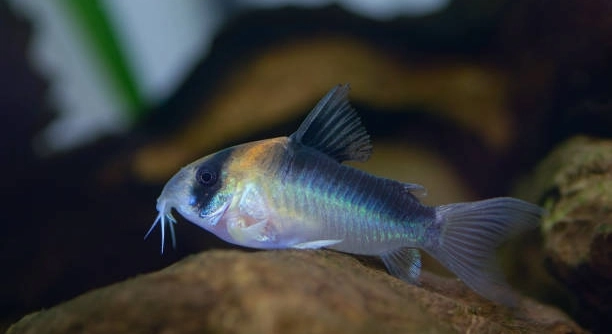
Corydoras catfish are popular aquarium fish known for their playful and peaceful nature. One of their key behaviors is digging into the substrate, which is crucial for their well-being. A proper substrate is essential for their health.
Corydoras catfish need good substrate for digging because it helps them engage in natural behaviors like scavenging for food, hiding, and maintaining overall physical health. A fine, soft substrate prevents injury while offering the necessary conditions for these activities.
Understanding the importance of the right substrate will help you provide the best environment for your Corydoras catfish. Keep reading to learn why it’s so vital for their happiness and health.
The Role of Substrate in Natural Behavior
Corydoras catfish are bottom-dwelling fish, and their digging behavior is a vital part of their routine. In the wild, they sift through the substrate to find food and create hiding spots. The right substrate provides a safe, comfortable environment for these actions. A substrate that’s too rough can cause physical damage, while one that’s too soft may not allow proper digging. A fine, smooth sand or soft gravel is ideal for mimicking their natural habitat. The physical characteristics of the substrate directly influence their ability to perform essential behaviors that are critical to their health.
A suitable substrate not only offers a comfortable space for digging, but it also helps with waste management. The right material allows beneficial bacteria to break down organic matter effectively. This promotes a cleaner, healthier environment for the fish.
When you provide the right substrate, your Corydoras can engage in instinctual behaviors, which reduce stress and enhance their well-being. This contributes to their happiness and overall health in the tank. A poor substrate choice can lead to unnecessary stress and even illness, impacting their quality of life.
Preventing Injury with the Right Substrate
Soft, smooth substrates ensure Corydoras are not injured while digging. A rough substrate can lead to wounds and infections.
Choosing the right material prevents cuts or abrasions on their sensitive barbels and bodies. Soft sand or rounded gravel is the best option for minimizing harm while maintaining the natural digging process. When selecting substrate, always consider the texture and how it will affect their delicate bodies. Over time, an unsuitable substrate can cause long-term health issues, making it essential to keep their safety in mind. Proper substrate choice helps prevent these issues and promotes a stress-free environment for the fish to thrive.
Ensuring Proper Digging Depth
Corydoras catfish dig in search of food and to create burrows. The substrate needs to be deep enough to allow them to dig naturally.
A shallow substrate doesn’t provide enough room for the catfish to engage in their natural behavior, which may lead to stress. A deeper layer of fine sand or gravel lets them dig freely, allowing them to express their instincts. This type of environment encourages natural foraging and exploration, promoting a healthy lifestyle for these fish.
Providing sufficient substrate depth is crucial for maintaining a balanced aquarium ecosystem. If the substrate is too thin, it can affect water quality by not retaining beneficial bacteria, making it harder for them to break down waste. Additionally, a deeper substrate helps create a more stable environment, making your Corydoras catfish feel more at home.
Supporting Natural Feeding Habits
Corydoras are scavengers, naturally searching the substrate for food. A suitable substrate allows them to carry out this essential task.
The right substrate encourages natural feeding by allowing them to sift through the sand or gravel, similar to how they would in the wild. This keeps them active and engaged. The physical texture of the substrate should mimic the natural environment as closely as possible. Fine sand or small, smooth gravel will prevent them from being harmed while they search for food.
This feeding behavior is essential for their health. When provided with an appropriate substrate, Corydoras can maintain their natural eating habits, keeping them physically active and mentally stimulated. The substrate can also help reduce uneaten food from accumulating, leading to cleaner water and preventing issues like water contamination.
Reducing Stress with a Comfortable Substrate
A proper substrate creates a more secure and natural environment for Corydoras. When they can dig and forage as they would in the wild, it reduces stress.
Stress can lead to poor health, making it essential to replicate their natural habitat as much as possible. A comfortable substrate helps prevent anxiety, ensuring they thrive.
Maintaining Water Quality
The right substrate supports water quality by allowing beneficial bacteria to thrive. These bacteria help break down waste and keep the aquarium cleaner.
Proper substrate not only enhances natural behavior but also aids in water filtration. A balanced substrate prevents waste buildup and supports the overall ecosystem, reducing the need for frequent water changes.
Promoting Breeding Success
Corydoras catfish often breed in substrates that mimic the natural environment. A suitable substrate offers the right conditions for successful breeding.
When breeding, the right substrate allows eggs to be protected and provides hiding spots for fry. This encourages a more natural breeding cycle and increases the chances of survival for young Corydoras.
FAQ
What type of substrate is best for Corydoras catfish?
The best substrate for Corydoras catfish is soft, fine sand or smooth gravel. These materials mimic their natural environment and allow them to dig and forage without causing harm to their sensitive barbels or bodies. Avoid sharp-edged gravel or rough materials, as they can cause injuries. Sand, in particular, gives them the freedom to dig without risking cuts or abrasions.
Can Corydoras catfish live in a tank with no substrate?
While Corydoras can technically survive in a tank without substrate, it is not ideal for their well-being. A substrate provides numerous benefits, such as the ability to engage in natural behaviors like digging, foraging, and hiding. Without substrate, the tank environment is not as conducive to their physical and mental health, potentially leading to stress and illness.
How deep should the substrate be for Corydoras catfish?
The substrate should be at least 2 to 3 inches deep for Corydoras catfish. This depth gives them enough room to dig and carry out natural behaviors. If the substrate is too shallow, they may not be able to perform these activities effectively, which can cause stress and discomfort.
Do Corydoras catfish need a special substrate for breeding?
While Corydoras do not require a special substrate for breeding, the right type of substrate can improve their chances of successful reproduction. A soft, fine substrate provides a safer environment for the eggs and offers hiding places for the fry. It can also help reduce the risk of eggs being eaten by other fish in the tank.
Can I use aquarium gravel for Corydoras catfish?
Aquarium gravel can be used for Corydoras catfish, but it should be smooth and rounded rather than sharp and jagged. Sharp gravel can cause injury to the catfish as they dig and sift through it. Opting for small, smooth gravel or a combination of sand and gravel can provide the best environment for these fish.
Should I clean the substrate in my Corydoras tank regularly?
Yes, you should clean the substrate in your Corydoras tank regularly. Uneaten food, waste, and debris can build up in the substrate, affecting water quality. However, be careful when cleaning the substrate to avoid disturbing the environment too much. Light vacuuming or stirring of the top layer is usually sufficient to maintain a clean tank.
Can I use play sand for Corydoras catfish?
Yes, play sand can be a good option for Corydoras catfish, as long as it is free of any harmful chemicals or additives. Be sure to rinse the sand thoroughly before adding it to the tank to remove any dust or impurities. Play sand is fine and soft, which is ideal for digging and sifting.
What happens if the substrate is too rough for Corydoras catfish?
If the substrate is too rough, it can cause injuries to the delicate barbels and skin of Corydoras catfish. The rough surface may cause abrasions or cuts, which can lead to infections and other health problems. To prevent this, always choose a substrate that is soft and smooth, allowing the catfish to dig naturally without harm.
Can I use a combination of sand and gravel for Corydoras catfish?
Yes, a combination of sand and gravel can work well for Corydoras catfish, as long as the gravel is smooth and not sharp. The sand allows the catfish to dig and forage, while the gravel can help with filtration. A mixture of the two can create a more natural, varied environment and provide benefits for both the fish and the tank’s ecosystem.
Is it necessary to have a thick layer of substrate in my tank?
A thick layer of substrate is not strictly necessary, but it is beneficial for Corydoras catfish. A deeper substrate gives them more space to dig and engage in their natural behaviors. It also helps with waste management by allowing beneficial bacteria to break down organic material more effectively. Aim for at least 2 to 3 inches for optimal results.
Can Corydoras catfish survive in a tank with only a thin layer of substrate?
While Corydoras catfish can survive in a tank with a thin layer of substrate, they will not thrive as well. A thin substrate layer doesn’t provide enough space for them to dig or forage effectively. It can also lead to poor water quality, as there isn’t enough substrate to support beneficial bacteria or break down waste efficiently.
Do Corydoras catfish need a specific substrate for health?
Yes, the right substrate is essential for the health of Corydoras catfish. It allows them to engage in natural behaviors that reduce stress and promote well-being. Soft, smooth sand or gravel is the best choice for ensuring they can dig safely and maintain their physical health. A poor substrate choice can lead to injuries, stress, and health issues.
Final Thoughts
Corydoras catfish thrive best in an environment that mimics their natural habitat. The substrate plays a significant role in their overall well-being, as it supports their natural behaviors, such as digging and foraging. These fish are active bottom dwellers, and having the right substrate allows them to express these behaviors without stress or injury. When choosing the right substrate, it’s crucial to consider both the texture and depth, ensuring it is soft, smooth, and deep enough to accommodate their digging needs. Sand and smooth gravel are typically the best options for these fish, as they allow for safe movement and natural interactions with their environment.
Beyond providing a proper space for digging, the right substrate also impacts water quality. Beneficial bacteria that help break down waste thrive in a well-maintained substrate, which can prevent the accumulation of harmful toxins. Without sufficient depth or the right texture, waste buildup may lead to poor water conditions that can harm Corydoras catfish and other aquarium inhabitants. Maintaining a healthy substrate by cleaning it regularly ensures that your tank remains a safe and clean environment. This, in turn, supports the health of your fish and makes it easier to maintain balanced water parameters.
Ultimately, providing the correct substrate is essential for the long-term health and happiness of your Corydoras catfish. A thoughtful choice in substrate allows them to feel secure, reduces stress, and ensures they can carry out their natural behaviors, leading to a healthier and more active fish. The proper substrate supports not only their physical needs but also contributes to the overall stability of the tank’s ecosystem. By understanding the importance of substrate, you can create an ideal home for your Corydoras, ensuring they live a happy and healthy life.

Hello,
If you enjoy the content that we create, please consider saying a "Thank You!" by leaving a tip.
Every little bit helps us continue crafting quality advice that supports the health, happiness, and well-being of pets around the world, for pets of all shapes, sizes, and species.
We really appreciate the kindness and support that you show us!