
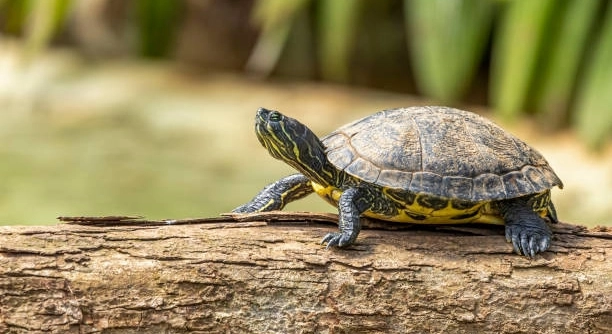
Keeping Yellow-Bellied Sliders active during the winter can be challenging, as their natural instincts lead them to slow down. These turtles typically hibernate, but with the right care, you can keep them active and healthy.
Maintaining activity for Yellow-Bellied Sliders in winter involves providing the right temperature, lighting, and diet. Ensuring they have proper basking areas, a heated tank, and regular meals helps support their metabolism and activity levels during the colder months.
Understanding these aspects will help keep your Yellow-Bellied Sliders active and thriving throughout the winter season.
Temperature and Lighting Requirements
To keep Yellow-Bellied Sliders active during winter, it’s essential to mimic their natural environment as much as possible. These turtles are ectothermic, meaning they rely on external heat sources to regulate their body temperature. In colder months, their activity decreases as their metabolic rate slows down. To prevent this, maintain a consistent water temperature between 75°F and 80°F and a basking area that stays around 90°F. Use a reliable aquarium heater to regulate the water temperature and a UVB light to provide necessary exposure to sunlight, which helps with calcium absorption and overall health.
Proper lighting is key to keeping your turtle active. Invest in high-quality UVB bulbs that provide full-spectrum light. They need about 12 hours of light each day to maintain a healthy circadian rhythm. Without proper light, their immune system may weaken, and they could become lethargic.
With the right temperature and lighting setup, your Yellow-Bellied Slider will have the energy to stay active and healthy throughout the winter months. This will support its overall well-being and prevent hibernation-like behavior.
Diet and Feeding Schedule
Yellow-Bellied Sliders rely on a balanced diet to maintain energy levels. During winter, they may become less interested in eating, but providing the right food can encourage them to stay active. Offer a mix of high-quality commercial turtle pellets, leafy greens, and occasional protein, such as worms or small fish. A varied diet will help boost their metabolism and keep their activity levels up.
A consistent feeding schedule is just as important. Feed them every other day or every two days, depending on their size and age. Overfeeding can lead to obesity, while underfeeding can result in energy depletion. Monitor their behavior closely to adjust feeding amounts as needed.
Habitat Setup and Space
To encourage activity during winter, it’s important to provide enough space for your Yellow-Bellied Slider to roam. A spacious tank or enclosure gives them the freedom to move around and exercise. Aim for at least a 40-gallon tank for one turtle, with more space for additional turtles.
Ensure the habitat has a variety of areas, such as a shallow water section for swimming and a dry basking platform where they can warm up. This will help simulate the natural environment and prevent your slider from becoming sluggish. Make sure to regularly clean the tank to prevent harmful bacteria buildup, which could affect their health and activity.
Turtles are naturally curious, and providing them with both water and land areas to explore will keep them physically active. Regularly changing the tank layout or adding new objects can help stimulate their curiosity and movement, preventing them from becoming too sedentary. A healthy environment promotes natural behavior, keeping your turtle active throughout the winter.
Regular Monitoring and Observation
Monitoring your turtle’s health and behavior during the winter months is essential. Check on your Yellow-Bellied Slider daily to ensure it is eating properly and is active. If you notice a lack of movement or a decrease in appetite, this could be a sign that environmental factors, such as temperature or lighting, are not ideal.
Take note of their overall health, including skin condition, shell appearance, and activity levels. Changes could indicate an underlying issue that may require adjusting the tank setup or diet. Proper observation will help catch potential problems early, ensuring they remain healthy and active.
A key part of keeping your turtle active is regular interaction. Offering them fresh food, cleaning the tank, or providing stimulating objects to explore can help maintain engagement. Even in winter, small changes in their environment can make a big difference in keeping them active and happy.
Use of Heating and UVB Lights
Providing a steady heat source is crucial in winter to keep your Yellow-Bellied Slider active. A reliable heater ensures that the water temperature stays between 75°F and 80°F, preventing your turtle from becoming sluggish. UVB lighting is also necessary for proper health.
These lights help your slider absorb calcium and maintain strong bones, mimicking the sunlight they would get in the wild. Without UVB exposure, their immune system may weaken, making it harder to stay active. Replace UVB bulbs regularly to ensure consistent light quality, as their effectiveness diminishes over time.
Exercise and Enrichment
To keep your Yellow-Bellied Slider physically active, you should provide opportunities for exercise. Consider adding objects like floating docks or ramps that encourage climbing and swimming. This stimulates movement and promotes muscle strength.
Turtles also enjoy exploring new surroundings. Rearranging items in their habitat or adding new features keeps them engaged and curious. These small changes will help keep them from becoming bored, encouraging more activity throughout the winter months.
Seasonal Adjustments
As the weather changes, so do your turtle’s needs. During colder months, be mindful of how temperature fluctuations affect their environment. If you’re using a tank, avoid placing it near drafts or windows where temperatures can drop.
Ensuring a consistent, warm environment is the key to preventing hibernation-like behavior. It’s important to avoid sudden temperature drops, as they can cause stress or make your turtle less active. Proper adjustments will support their natural behaviors and keep them moving during the colder months.
FAQ
How do I know if my Yellow-Bellied Slider is too cold?
If your Yellow-Bellied Slider becomes less active, it may be a sign that the water temperature is too low. They typically slow down when the water drops below 70°F. Another indicator is if they spend extended periods on the basking area and refuse to swim, signaling they’re trying to warm up.
Can Yellow-Bellied Sliders eat the same food during winter?
Yes, you can feed them the same food during winter, but be mindful of their decreased appetite. They may eat less, so adjust the feeding schedule accordingly. Stick to a mix of pellets, leafy greens, and protein. Their metabolism will be slower, so avoid overfeeding.
How much light does my Yellow-Bellied Slider need in winter?
Your Yellow-Bellied Slider needs at least 10-12 hours of light daily. UVB lighting is essential to maintain calcium levels and support digestion. Keep the light on a timer to simulate a natural day-night cycle, which is critical for maintaining a healthy, active turtle.
Can I use a heat lamp for my Yellow-Bellied Slider in winter?
Yes, a heat lamp is essential for maintaining the proper basking temperature. Place it above the basking area to keep the temperature around 90°F. The heat lamp should be used alongside a UVB light to ensure your turtle receives the right kind of warmth and light.
How do I maintain my Yellow-Bellied Slider’s health in winter?
During winter, maintaining a consistent environment is key. Ensure the water stays at the right temperature, provide proper UVB lighting, and offer a balanced diet. Regular tank cleaning is also essential to prevent bacteria growth. Keep an eye on your turtle’s behavior for any signs of stress or illness.
What should I do if my Yellow-Bellied Slider stops eating?
If your slider stops eating, check the water temperature first. Cold water can reduce appetite. Also, verify the UVB light is functioning properly. If the issue persists for more than a few days, it may be best to consult with a vet to rule out any health issues.
Is it normal for my Yellow-Bellied Slider to bask more in winter?
Yes, it’s normal for Yellow-Bellied Sliders to bask more in winter. They need heat to regulate their body temperature, especially in colder months. If they’re spending more time on the basking platform, it could be a sign that they’re trying to warm up their body.
Can I hibernate my Yellow-Bellied Slider during the winter?
Hibernation in Yellow-Bellied Sliders is not recommended in captivity unless under specific conditions. In the wild, they hibernate in a controlled environment. In captivity, it’s better to keep them active to ensure they receive the proper care and avoid health complications associated with hibernation.
What’s the best tank size for a Yellow-Bellied Slider?
For one Yellow-Bellied Slider, a 40-gallon tank is the minimum recommended size. If you have more than one, consider upgrading to a larger tank to ensure they have enough space. A larger tank gives them room to swim, exercise, and maintain a healthy environment.
How often should I clean my Yellow-Bellied Slider’s tank in winter?
You should clean your turtle’s tank regularly, at least once a week. During winter, bacteria can accumulate more quickly, especially if your turtle is less active. Regular cleaning will help maintain water quality and prevent any health issues related to poor water conditions.
Final Thoughts
Keeping your Yellow-Bellied Slider active during the winter months requires attention to several factors, including temperature, lighting, and the environment. By maintaining a consistent water temperature of 75°F to 80°F, you ensure your turtle remains active and healthy. Heating and UVB lights play an essential role in mimicking their natural environment, promoting their activity and well-being. These elements are crucial in preventing lethargy and ensuring that your turtle stays energized throughout the colder months.
A varied and clean habitat also encourages activity. Providing enough space for your turtle to swim and bask will prevent them from becoming stagnant. Make sure their tank has both water and dry areas, allowing them to move freely between the two. Regularly adjusting the layout or adding new objects can also stimulate their curiosity, leading to more exploration and movement. This small effort can go a long way in maintaining your slider’s physical and mental health. The right habitat setup helps replicate the turtle’s natural habitat, supporting its natural behaviors even when it’s too cold outside.
Finally, monitoring your turtle’s health and behavior is essential to making sure they stay active. Regularly checking for signs of stress, poor appetite, or inactivity will help you identify any issues before they become more serious. Keeping track of the water temperature, diet, and lighting setup will also help you maintain a balanced environment. With the right care, your Yellow-Bellied Slider can stay healthy and active during the winter, ensuring they continue to thrive even in colder conditions. Proper preparation and attention will provide your turtle with the best chance for a healthy winter.

Hello,
If you enjoy the content that we create, please consider saying a "Thank You!" by leaving a tip.
Every little bit helps us continue crafting quality advice that supports the health, happiness, and well-being of pets around the world, for pets of all shapes, sizes, and species.
We really appreciate the kindness and support that you show us!