
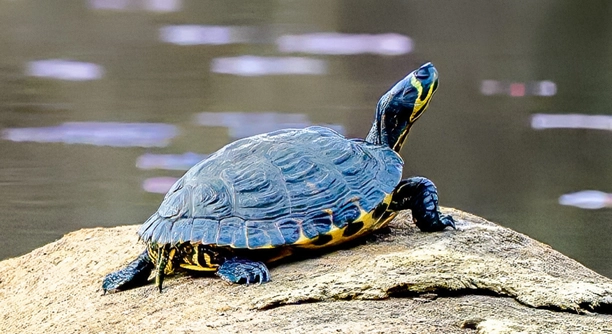
Keeping a yellow-bellied slider tank clean is essential for their well-being. A clean environment promotes healthy behavior, a better quality of life, and helps reduce the risk of diseases. It’s vital to know the right steps for maintaining the tank.
Regular cleaning and maintaining water quality are key factors in keeping a yellow-bellied slider tank healthy. You should remove waste, clean the tank’s surface, filter the water, and perform partial water changes. Consistency ensures a comfortable habitat for your turtle.
By following the right steps, you will ensure a safe and clean habitat for your yellow-bellied slider, improving its overall health.
Proper Tank Setup for Cleanliness
When setting up your yellow-bellied slider tank, start by ensuring that you have a large enough space for your turtle to move freely. A tank that is too small will quickly accumulate waste, making it harder to maintain cleanliness. Additionally, include a filtration system suited to the size of the tank, as this will help keep the water clean and reduce the frequency of water changes. Avoid overcrowding the tank with decorations or plants that could trap debris, as this will complicate cleaning. The ideal environment will make it easier to maintain cleanliness and provide a better home for your turtle.
A well-planned tank setup creates the foundation for easier maintenance.
Ensure that there’s a proper basking area where your turtle can dry off, as excess moisture can contribute to bacteria growth. A basking area with a heat lamp provides the right conditions for your turtle to rest and regulate its body temperature.
Regular Cleaning Routines
Cleaning your yellow-bellied slider tank on a regular schedule will help keep it in top condition. Start by removing any visible waste, such as uneaten food or turtle droppings. Use a fine mesh net or siphon to clean up debris from the bottom of the tank. Be sure to clean the tank’s walls with a non-toxic, turtle-safe cleaner to prevent algae buildup. You may also want to spot clean the filter to ensure it works efficiently. Regular water changes are also necessary. Removing about 25-30% of the water every 2-3 weeks helps maintain water quality and keeps harmful toxins in check. This simple routine prevents the tank from getting too dirty and ensures your turtle lives in a healthier environment.
Consistency is essential when it comes to cleaning your tank.
By following a regular cleaning routine, you can prevent any serious water quality issues and reduce the time spent on deep cleaning.
Proper Filtration System
A good filtration system is crucial for maintaining water quality. Ensure your filter is rated for the size of your tank. The filter should be capable of handling both mechanical and biological filtration to remove waste and toxins. Regular maintenance of the filter is essential, as clogged filters can reduce efficiency.
Check the filter’s media every month and replace it when necessary. Clean the filter to remove debris and prevent bacteria buildup. It’s best to use a filter with a high flow rate to keep water circulating properly. A clean, functioning filter will ensure your turtle’s tank stays clean for longer periods.
Regular monitoring of your filtration system will reduce the need for frequent water changes. Without a proper filter, harmful bacteria can build up, causing health issues for your turtle.
Water Quality
Maintaining clean water involves more than just regular water changes. Keep an eye on the water’s temperature and pH levels, as these affect your turtle’s health. The water should be kept between 75-85°F, which is optimal for a yellow-bellied slider. If the water is too cold, it can make your turtle sluggish, and if it’s too warm, it may encourage algae growth.
Use a water testing kit to check the pH, ammonia, nitrites, and nitrates regularly. Keeping these levels within safe ranges will prevent health problems and algae blooms. Water conditioners can help remove chlorine or chloramine from tap water, making it safe for your turtle. Regular monitoring of water quality is just as important as cleaning the tank to ensure a thriving environment.
Maintaining the right water conditions prevents diseases and ensures your turtle remains healthy. You’ll notice that proper water quality leads to fewer algae issues and a cleaner tank overall.
Removing Excess Food
Uneaten food quickly fouls the water, making it harder to maintain a clean tank. Feed your turtle in a way that limits food from floating around and sinking to the bottom. Remove any leftover food within a few hours.
Use a net or siphon to scoop up excess food. It’s important to prevent the food from decomposing, as this can cause a spike in harmful bacteria and algae growth. Also, avoid overfeeding your turtle, as this leads to waste buildup. Adjust the amount of food according to your turtle’s appetite.
Algae Control
Algae growth is a common issue in turtle tanks, especially if the water receives too much sunlight. To control algae, keep the tank away from direct sunlight. Use algae eaters, such as certain fish species, to help maintain balance in the tank.
Additionally, a UVB light can help control algae growth. This light mimics natural sunlight, but too much can encourage algae. Keep it at the right distance and on a timer to provide optimal light conditions without overdoing it.
Tank Cleaning Tools
Investing in the right tools makes cleaning easier and more effective. A gravel vacuum works well for removing debris from the tank’s substrate without disturbing the turtle’s habitat. Scrub brushes and sponges help clean the tank’s walls without damaging surfaces or harming your turtle.
Make sure to use tools that are specifically designed for aquarium use, as some household cleaning products may contain chemicals harmful to your turtle. Keeping your tools clean and organized also makes the process quicker and less stressful.
FAQ
How often should I clean my yellow-bellied slider tank?
Cleaning your tank regularly is essential for maintaining water quality and your turtle’s health. Perform a partial water change every two to three weeks, but spot clean the tank weekly. Remove uneaten food and waste immediately to prevent contamination. Regular cleaning helps prevent buildup of harmful bacteria and ensures a healthy environment for your turtle.
What kind of filter should I use for my yellow-bellied slider tank?
A good filter is essential for keeping the tank water clean. Choose a filter with a flow rate appropriate for the size of your tank. The filter should handle both mechanical and biological filtration to remove waste and break down harmful toxins. Clean the filter monthly and replace the media when necessary to ensure it continues to work efficiently.
How can I maintain proper water temperature for my turtle?
The water temperature should be kept between 75-85°F for optimal turtle health. A submersible heater is ideal for maintaining the right temperature. Use a thermometer to monitor the water and adjust the heater as needed. Be sure to place the heater in an area where it won’t be easily disturbed by your turtle.
What can I do about algae in my turtle tank?
To control algae, reduce the amount of direct sunlight the tank receives. Use algae-eating fish or snails to help keep the tank clean. Keep the lighting on a timer to ensure your turtle gets the necessary UVB light without encouraging excessive algae growth. Cleaning the tank regularly and avoiding overfeeding can also help minimize algae buildup.
How often should I change the water in my yellow-bellied slider tank?
You should change about 25-30% of the tank’s water every two to three weeks. This helps maintain water quality and reduces the buildup of harmful chemicals. Use a siphon to remove the old water and replace it with fresh, dechlorinated water. Regular water changes help ensure your turtle stays healthy.
What is the best way to remove waste from the tank?
Use a siphon or a fine mesh net to remove waste, such as uneaten food and turtle droppings, from the tank. It’s important to remove waste daily or as soon as possible to prevent contamination. Keeping the tank clean reduces the chances of harmful bacteria growth and ensures a healthy environment for your turtle.
Can I use tap water for my turtle’s tank?
Tap water can be used, but it may contain chlorine or chloramine, which are harmful to your turtle. Use a water conditioner to neutralize these chemicals. If possible, use water that has been treated to remove chlorine or buy dechlorinated water from a pet store. Always test the water quality before adding it to the tank.
How do I know if the water quality is good?
Monitor the water’s pH, ammonia, nitrite, and nitrate levels regularly. Use an aquarium test kit to check these levels and ensure they are within safe ranges. The pH should be slightly acidic to neutral, and ammonia and nitrites should be at zero. Nitrates should be low to avoid stressing your turtle.
Why does my turtle’s tank smell?
A smelly tank is often a sign of poor water quality or the buildup of waste. Check the filter to ensure it’s working properly and clean it if necessary. Perform a water change and remove any visible waste. Regular cleaning and water changes will help keep your tank fresh and odor-free.
Can I use a UVB light for my turtle tank?
Yes, a UVB light is important for your turtle’s health. It helps them produce vitamin D3, which is necessary for calcium absorption and shell health. Make sure to use a UVB light that is appropriate for the size of your tank and keep it on a timer for 10-12 hours a day.
Should I add plants to my turtle’s tank?
Plants can help improve the tank’s environment by providing hiding spots and helping to oxygenate the water. However, be mindful of the type of plants you add, as turtles may eat them. Choose hardy, turtle-safe plants or consider using artificial plants if you want to avoid the mess.
What is the best substrate for my yellow-bellied slider tank?
A fine, smooth substrate like sand or gravel is ideal. Avoid using larger rocks that can harm your turtle’s soft shell. Clean the substrate regularly with a siphon to remove debris and waste. You can also choose to keep the tank bare-bottomed for easier cleaning.
How can I prevent my turtle from getting sick?
Preventing illness involves maintaining proper tank conditions, including clean water, the right temperature, and appropriate lighting. Avoid overcrowding the tank, provide a balanced diet, and remove waste regularly. Monitoring your turtle’s behavior for signs of stress or illness is also important for catching problems early.
Can I use cleaning chemicals in my turtle tank?
No, household cleaning products may contain chemicals harmful to your turtle. Only use products specifically designed for aquarium cleaning. Non-toxic, turtle-safe cleaners are available and will help remove algae and waste without damaging the tank or harming your turtle. Always rinse thoroughly before refilling the tank.
What size tank do I need for a yellow-bellied slider?
The tank size should be at least 40 gallons for a single yellow-bellied slider, with additional space for every extra turtle. Larger tanks provide more room for swimming and help maintain better water quality. Ensure there’s enough space for a basking area and plenty of room to move around.
How do I create a basking area for my turtle?
A basking area is essential for your turtle’s well-being. Use a flat rock or a floating platform that allows your turtle to dry off completely. Provide a heat lamp above the basking area to maintain the correct temperature. Make sure the area is easily accessible and stable for your turtle.
Final Thoughts
Maintaining a clean and healthy environment for your yellow-bellied slider is essential to its overall well-being. A properly maintained tank ensures your turtle can thrive, with clean water, ample space to swim, and access to necessary light and heat. Regular cleaning, proper filtration, and the right water conditions are key to reducing the risk of bacteria, algae, and waste buildup. It’s important to follow a consistent routine to keep your turtle’s habitat safe and comfortable. This includes feeding them the right amount of food, removing uneaten food promptly, and checking water quality regularly.
While it may seem like a lot of work, keeping the tank clean and maintaining the right conditions doesn’t have to be overwhelming. With the right tools and a bit of time each week, you can keep your tank in top shape. Regular water changes, debris removal, and cleaning the filter will go a long way in preventing problems before they arise. Using a UVB light and proper heating is crucial to support your turtle’s health. Additionally, having the right substrate and plants can help create a more natural environment that mimics their wild habitat.
By following these steps, you ensure your yellow-bellied slider stays healthy and happy in its tank. Remember, consistency is important, and the effort you put into maintaining your turtle’s tank will result in a better quality of life for your pet. With the proper care, your yellow-bellied slider will thrive for years to come, enjoying a clean and safe habitat that supports all its natural behaviors.

Hello,
If you enjoy the content that we create, please consider saying a "Thank You!" by leaving a tip.
Every little bit helps us continue crafting quality advice that supports the health, happiness, and well-being of pets around the world, for pets of all shapes, sizes, and species.
We really appreciate the kindness and support that you show us!