
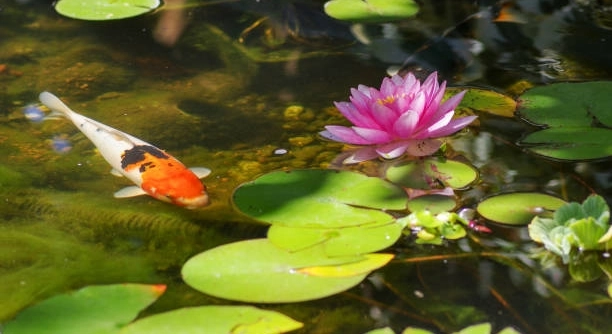
Many koi fish show unique behaviors around humans, often responding to sounds and voices. This interaction creates a special connection between people and these beautiful aquatic pets. Understanding which koi follow voices adds to their charm.
Certain koi varieties tend to follow human voices due to their social nature and conditioning. These fish recognize vocal cues and associate them with feeding or attention, which explains their tendency to swim toward the source of sound more than others.
Learning about these koi can enhance your experience with them and improve how you interact in your pond or aquarium environment.
Common Koi That Follow Human Voices
Many koi varieties show a tendency to follow human voices, especially those that are social and easily trained. Among the most well-known are the Kohaku, Sanke, and Showa koi. These fish often swim toward sounds because they associate human voices with feeding time or attention. The bright colors of Kohaku make them easy to spot, while the mixed patterns of Sanke and Showa add visual interest as they swim close. These koi learn quickly that voices mean food or interaction, which encourages them to come closer when they hear people around the pond. This behavior is not seen in all koi, but it is common among these popular varieties.
Koi that respond to voices tend to be more interactive and engaging, making them popular choices for ponds where people enjoy watching fish.
Understanding why these koi follow voices can help pond owners create better bonds with their fish. They often react to tone and pitch, showing a level of recognition that adds to their appeal. With consistent interaction, these koi become more confident and curious, enhancing the pond experience.
How Koi Recognize Human Voices
Koi recognize human voices mainly through sound vibrations and repetition. They become familiar with the voice patterns of people who regularly feed or interact with them. Over time, koi learn to associate these sounds with positive experiences like food or attention, which prompts them to swim toward the noise.
This recognition is a form of conditioning. Koi do not understand words but respond to consistent sounds. High-pitched or gentle tones tend to attract their attention more than loud or harsh noises. The ability of koi to remember and react to specific voices shows their capacity for learning and adapting within their environment. Regular interaction strengthens this behavior, making the fish more responsive and easier to engage with in daily care.
Vocal Interaction and Feeding Response
Koi often learn to associate human voices with feeding times. This creates a strong connection that encourages them to approach when they hear familiar sounds.
When koi hear their caretaker’s voice, they often swim eagerly to the surface, expecting food. This behavior is a result of repeated positive reinforcement. Each time the koi hear the voice and receive food, they remember the sound as a signal for feeding. Over time, this creates a conditioned response where the fish come close whenever they hear that voice, even if food is not immediately offered. This interaction strengthens the bond between koi and their owners and adds enjoyment to pond keeping.
Koi also respond to different tones in voices. Soft, calm voices tend to attract them more than loud, sudden noises. This makes interaction more pleasant and less stressful for the fish. Learning the right tone can improve how responsive koi are to human voices.
Koi Personality and Behavior Traits
Not all koi react the same way to voices; individual personality plays a role. Some koi are naturally more curious and social, making them more likely to follow sounds. Others prefer to stay hidden or swim away.
Personality differences are influenced by genetics, environment, and previous experiences. Koi that have been raised with frequent human interaction tend to be more comfortable responding to voices. These fish often show bolder behavior and are easier to train to come when called. On the other hand, koi that have limited exposure to humans may be shy and less responsive. Recognizing these differences helps owners tailor their care and communication style, improving the overall relationship with their koi. This understanding is key to creating a peaceful and engaging pond environment.
Training Koi to Respond to Voices
Training koi to respond to voices takes patience and consistency. Regular feeding times paired with a specific sound or call help koi make the connection.
Using a calm, gentle voice during feeding encourages koi to approach and associate the sound with food and attention.
Environmental Factors Affecting Voice Recognition
The clarity of sounds reaching koi depends on water quality and pond design. Clear, quiet ponds make it easier for koi to hear and recognize human voices. Background noise or poor water conditions can reduce their responsiveness.
Ensuring a calm environment with minimal disturbances helps koi react better to familiar voices and promotes healthier interactions.
Signs Your Koi Recognize Your Voice
Koi that recognize your voice often swim toward you or gather near feeding areas when you speak. They may even change their swimming patterns or show excitement.
These behaviors indicate their awareness and trust, showing they have linked your voice to positive experiences like feeding or attention.
Can koi really recognize human voices?
Yes, koi can recognize human voices to some extent. They don’t understand words but learn to associate the tone, pitch, and rhythm of a familiar voice with positive experiences, especially feeding. Over time, koi can distinguish their caretaker’s voice from other sounds, leading them to swim closer when they hear it.
Why do some koi follow voices more than others?
Individual koi have different personalities and levels of social behavior. Some are naturally more curious and bold, making them more likely to respond to voices. Others may be shy or less used to human interaction, so they keep their distance. Environmental factors and past experiences also influence how they react.
How can I train my koi to respond to my voice?
Consistency is key. Use a calm, gentle voice each time you feed your koi. Repeating this daily helps them associate your voice with food. Over time, they will begin to swim toward you when they hear your voice, even before feeding starts. Avoid sudden loud noises that may scare them.
Do koi respond better to certain types of voices?
Yes, koi tend to respond better to soft, calm tones rather than loud or harsh sounds. High-pitched, gentle voices often attract them more effectively. Speaking quietly and soothingly near the pond creates a comfortable atmosphere, encouraging koi to come closer.
Can environmental noise affect koi’s ability to recognize voices?
Definitely. Loud background noises, like traffic or machinery, can interfere with koi hearing human voices underwater. Ponds in quiet settings make it easier for koi to pick up and remember familiar sounds. Maintaining good water quality also helps sound travel clearly.
Is voice recognition common in all koi species?
Not all koi species respond equally to voices. Popular varieties like Kohaku, Sanke, and Showa are known to be more interactive and responsive. Other koi may be less social or reactive. This difference depends on their natural behavior and how much interaction they have with people.
How do koi react when they recognize their caretaker’s voice?
When koi recognize a familiar voice, they often swim toward the surface or gather near the edge of the pond. They may show excitement by quick movements or gentle splashing. These signs indicate they associate the voice with feeding or positive attention.
Can koi get stressed from too much human interaction?
Yes, excessive loud noises or rough handling can stress koi. It’s important to interact calmly and avoid sudden changes in environment or sound. Stress can harm their health, so gentle and regular interaction is best to keep koi comfortable and responsive.
Are there other ways koi show recognition besides following voices?
Koi also recognize visual cues like the person’s silhouette or movements. They may respond to feeding routines or hand gestures. Combining voice with visual signals strengthens their recognition and makes interaction more successful.
How long does it take for koi to learn to recognize a voice?
It varies, but with consistent daily interaction, koi can start recognizing voices within a few weeks. Regular feeding paired with a specific tone helps speed up this learning. Patience is important, as each fish learns at its own pace.
Can koi remember voices after a long time apart?
Koi have good memory for familiar sounds and people. If they have had positive interactions before, they can often remember voices even after weeks or months. However, regular contact helps maintain this recognition and strengthens the bond.
Does the size of the pond affect koi’s ability to hear voices?
Yes, smaller ponds may allow voices to reach koi more clearly, making it easier for them to respond. In larger ponds, sound can dissipate or become distorted underwater. Positioning yourself close to the water helps koi hear and react better.
Is it normal for koi to ignore voices sometimes?
Yes, koi may not always respond if they are resting, hiding, or stressed. Environmental changes, health issues, or feeding schedules can also affect their behavior. It’s normal for koi to have quiet moments and not react every time they hear a voice.
Can other pond animals respond to human voices like koi?
Some pond animals, like goldfish or turtles, may also recognize human voices and respond similarly. However, koi are known for being more social and interactive. Their ability to respond often depends on their individual nature and level of human interaction.
What can I do if my koi don’t seem to recognize my voice?
Try increasing consistent interaction, especially around feeding time. Speak gently and calmly near the pond each day. Ensure the environment is quiet and comfortable. If koi remain distant, it may be due to their personality or stress, so give them time and space to adjust.
Koi that follow human voices show how smart and social these fish can be. Their ability to recognize sounds and associate them with food or attention makes them special pets for many pond owners. This behavior is a result of training and natural curiosity, which encourages them to interact more with their caretakers. When koi swim closer in response to a voice, it creates a calm and enjoyable experience, making pond keeping more rewarding. This connection highlights the importance of spending time with your koi and learning their habits.
Understanding koi behavior can help you take better care of them. Knowing that koi respond to gentle, consistent voices means you can use this knowledge to build trust. By feeding at regular times and using a soft tone, you create a routine that koi can rely on. This routine helps koi feel safe and comfortable around you, which is important for their well-being. Also, being aware of their individual personalities allows you to adjust how you interact with each fish, making sure they feel secure without being overwhelmed.
Spending time with koi and encouraging their response to your voice can improve the bond between you and your fish. However, it’s important to be patient and gentle during this process. Not all koi will respond immediately or in the same way, and some may take longer to get used to voices and human presence. Respecting their space and keeping the environment calm will help koi become more confident over time. With regular care and attention, koi can become more interactive, adding a peaceful and engaging element to your pond.

Hello,
If you enjoy the content that we create, please consider saying a "Thank You!" by leaving a tip.
Every little bit helps us continue crafting quality advice that supports the health, happiness, and well-being of pets around the world, for pets of all shapes, sizes, and species.
We really appreciate the kindness and support that you show us!