
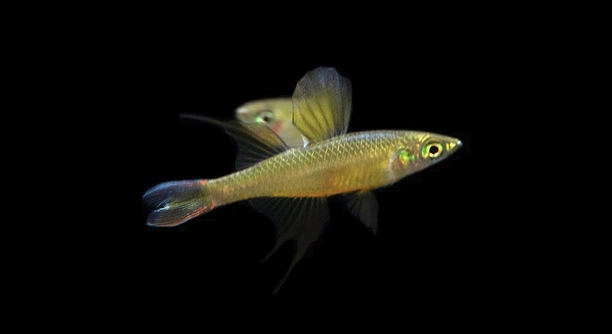
Threadfin Rainbowfish are popular among aquarium enthusiasts for their vibrant colors and active behavior. Many owners enjoy observing their eating habits and wonder if these fish can be trained to prefer specific foods over time.
Threadfin Rainbowfish can be conditioned to accept particular foods through consistent feeding routines and positive reinforcement. Introducing a target food gradually while minimizing alternatives encourages recognition and selective eating, supporting dietary management in captive environments.
Understanding feeding patterns and training methods will help you provide a more controlled and healthy diet for your fish. It can also make daily feeding routines more enjoyable and effective.
Understanding Threadfin Rainbowfish Diet Preferences
Threadfin Rainbowfish have natural feeding instincts that influence their dietary preferences. In captivity, they can eat a mix of live, frozen, and dry foods, but they often show favorites. Observing which foods they consistently choose helps in planning meals and gradually introducing new options. Small, frequent feedings mimic natural behavior and reduce stress. Offering a variety of protein sources like brine shrimp, daphnia, and finely crushed flakes can keep them active and healthy. Fish may initially ignore unfamiliar foods, but repetition and patience often encourage acceptance. Avoid overfeeding, as leftover food can pollute the tank and affect water quality. Water conditions also play a role; fish are more likely to eat when the environment is stable and well-maintained. Paying attention to their reactions during feeding can provide insights into which foods they prefer and how to modify feeding routines to improve acceptance.
Gradually changing food types allows fish to adapt without affecting their appetite or health. Consistency is key.
Keeping track of feeding habits helps identify patterns and preferences. It also ensures the fish receive adequate nutrients for growth and coloration, improving their overall well-being.
Training Techniques for Selective Feeding
Start by offering the desired food at the same time each day, ensuring minimal distractions in the tank. Fish respond well to predictable routines, which helps reinforce selective eating.
Positive reinforcement encourages acceptance. Offering small amounts of new food repeatedly and pairing it with a preferred food helps them recognize it as safe. Avoid introducing multiple new foods at once, as this can confuse them and reduce effectiveness. Visual cues, such as tapping the tank lightly before feeding, can signal mealtime and increase responsiveness. Patience is important; some fish may take weeks to consistently accept a new food. Monitoring water quality and health is essential during this period because rejected food can accumulate, affecting tank conditions. Recording progress helps identify which techniques work best. Using consistent timing, portion control, and observation, most Threadfin Rainbowfish can learn to accept specific foods, allowing owners better control over their diet and ensuring balanced nutrition while maintaining their natural behavior.
Recognizing Food Acceptance Signals
Threadfin Rainbowfish show clear signs when they accept a new food. They swim actively toward it, nibble quickly, and return for more. Ignoring or spitting out food indicates hesitation or rejection.
Observing their behavior during feeding helps identify patterns and preferences. Fish that accept a food often come to the feeding area consistently. Those that are hesitant may require more repetition or pairing with familiar foods. Using small portions prevents waste and keeps water clean, while gradually increasing the amount allows them to adapt naturally. Over time, consistent monitoring helps refine feeding routines and ensures the fish receive balanced nutrition without stress.
It’s also important to note subtle signs, like gentle nibbling or circling near the food. These indicate curiosity and gradual acceptance, even if they do not eat immediately. Adjusting feeding techniques according to these signals supports successful selective feeding.
Timing and Environmental Factors
Feeding at consistent times helps Threadfin Rainbowfish develop predictable routines. They become more responsive when meals are regular.
Environmental conditions also influence food acceptance. Stable water temperature, clean filters, and minimal disturbances create a comfortable setting for eating. Bright lights or sudden movement can distract or stress fish, reducing their willingness to try new foods. Group dynamics matter too; shy individuals may wait until more confident fish eat first. Providing hiding spots and open feeding areas balances safety and accessibility, encouraging participation. Observing the tank during feeding allows adjustments in timing or placement of food. These small environmental factors contribute significantly to success in training fish to accept specific foods.
Adjusting Food Texture and Size
Threadfin Rainbowfish often respond better to smaller or softer food. Breaking flakes into tiny pieces can encourage hesitant eaters.
Live or frozen foods should be appropriately sized for their mouths. Overly large pieces may discourage feeding or cause frustration, affecting overall food acceptance.
Using Consistency in Feeding
Repeatedly offering the same food at the same time daily reinforces recognition. Fish learn to associate the routine with positive outcomes, improving acceptance of new or targeted foods. Consistency reduces stress and encourages predictable behavior during mealtime, supporting selective feeding practices effectively.
Avoiding Overfeeding
Overfeeding can cause uneaten food to pollute the tank. Limiting portions ensures fish remain hungry enough to try new foods.
FAQ
How long does it take for Threadfin Rainbowfish to accept a new food?
Acceptance varies depending on the individual fish and the type of food introduced. Some fish may take only a few days, while others require several weeks of consistent exposure. Gradually mixing the new food with familiar options and maintaining a predictable feeding schedule often accelerates adaptation. Patience is essential, as forcing food too quickly can cause stress and reduce appetite.
Can I train multiple Rainbowfish at the same time?
Yes, but results may differ between individuals. Dominant fish often eat first, while shy fish may wait or avoid unfamiliar food. Offering smaller portions in multiple spots can ensure all fish have a chance to try the new food without competition interfering with their progress.
Are live foods necessary for training?
Live foods are not required but can help motivate fish initially. Their natural movement attracts attention and encourages interest. Once the fish show recognition and acceptance, frozen or high-quality dry foods can be introduced gradually to maintain variety and nutritional balance.
How can I tell if my fish are stressed during training?
Signs of stress include hiding, erratic swimming, or refusing food entirely. Stress can slow adaptation to new foods and compromise health. Keeping the tank environment stable, avoiding sudden changes, and limiting the number of new foods introduced at once can help reduce stress. Monitoring behavior closely ensures adjustments are made before stress becomes harmful.
Is it safe to feed only one type of food?
No, a single food type can lead to nutritional deficiencies. A balanced approach, alternating between protein sources like brine shrimp, daphnia, and high-quality flakes, ensures Rainbowfish receive essential nutrients. Selective feeding training should enhance variety, not restrict it entirely, to support growth, coloration, and overall health.
What if my fish refuse the new food completely?
If complete refusal occurs, patience and repetition are key. Mixing tiny amounts of the new food with highly preferred foods can gradually encourage acceptance. Sometimes adjusting food size, texture, or presentation, or slightly modifying the feeding location, can make a difference. Observing small positive responses helps track progress.
Can fish be trained to prefer homemade foods?
Yes, but preparation must meet nutritional needs. Homemade foods like finely chopped vegetables or protein sources can be offered once fish recognize them as safe. Consistency and pairing with familiar foods are important. Monitoring growth and color ensures homemade options are supporting health effectively.
Does water quality affect feeding acceptance?
Absolutely. Poor water conditions can reduce appetite and make fish hesitant to try new foods. Maintaining clean, stable water with proper filtration, temperature, and pH levels encourages natural feeding behavior and improves responsiveness to training. Regular testing and maintenance are essential.
How often should I repeat feeding sessions for training purposes?
Multiple small sessions each day work best. Fish are more likely to recognize new food when it is offered consistently but not in excessive amounts. Short, repeated sessions prevent overfeeding, reduce waste, and reinforce positive associations with the desired food type.
Are there specific signs that training is successful?
Yes, success is indicated when fish actively seek the targeted food, consume it without hesitation, and show increased activity during feeding times. They gradually reduce interest in alternative foods offered at the same time. Recording these behaviors can help track progress and maintain consistency in selective feeding routines.
Can selective feeding affect fish behavior outside mealtime?
It can. Fish that learn routines may become more predictable in movement patterns and interactions with tankmates. Consistent, positive feeding experiences often increase activity and reduce stress, creating a more manageable and interactive aquarium environment.
Is patience more important than technique in food training?
Patience is crucial. Techniques like portion control, consistency, and food pairing are tools, but fish need time to adjust at their own pace. Forcing changes or rushing the process can have the opposite effect, reducing acceptance and potentially harming health.
Final Thoughts
Threadfin Rainbowfish can be trained to accept specific foods with patience and consistent effort. Observing their natural behaviors and responses during feeding is the first step in understanding how they react to new or unfamiliar foods. Some fish adapt quickly, while others take longer to develop recognition and acceptance. Gradually introducing new foods, either mixed with familiar favorites or in smaller portions, helps them adjust without creating stress. Timing and environment play a key role, so offering food at regular intervals in a calm, stable tank encourages participation and increases the chances of success. It is important to respect each fish’s pace, as pushing too quickly can lead to refusal or anxiety, making the process slower and less effective.
Maintaining a balanced diet is essential throughout training. While teaching them to eat specific foods, it is necessary to ensure they continue to receive all nutrients required for growth, coloration, and overall health. A combination of live, frozen, and high-quality dry foods usually provides sufficient variety. Portion control also prevents overfeeding, which can lead to poor water quality and digestive issues. Watching for subtle signs, such as gentle nibbling or increased activity near food, indicates progress, even if they do not immediately consume everything offered. These small behaviors can guide adjustments in feeding methods, portion size, or food presentation to improve acceptance. Over time, consistent routines and careful observation build a reliable feeding pattern that supports both the health of the fish and the convenience of the caretaker.
Training Threadfin Rainbowfish requires patience, observation, and consistency, but the effort is rewarding. Fish that learn to accept targeted foods often show more predictable behaviors during feeding and increased activity in the tank. Positive reinforcement, repetition, and careful monitoring of their environment create a stable setting where selective feeding becomes part of their routine. Adjusting food size, texture, and timing, along with maintaining clean water conditions, ensures their health remains a priority while they adapt to dietary changes. This approach not only improves feeding efficiency but also helps caretakers manage their aquarium more effectively, supporting long-term well-being for the fish. Consistency and understanding are the most important aspects, and with time, Threadfin Rainbowfish can successfully adapt to specific foods without compromising their health or natural behavior.

Hello,
If you enjoy the content that we create, please consider saying a "Thank You!" by leaving a tip.
Every little bit helps us continue crafting quality advice that supports the health, happiness, and well-being of pets around the world, for pets of all shapes, sizes, and species.
We really appreciate the kindness and support that you show us!