
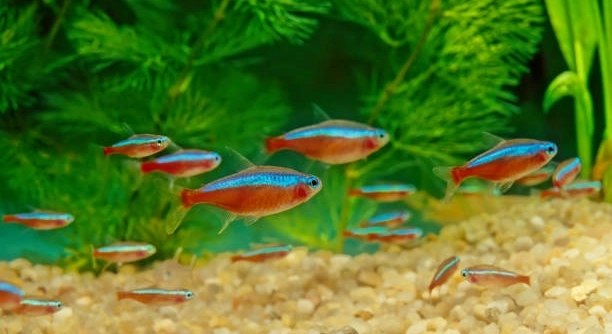
Introducing a Betta to a Neon Tetra tank can be a bit tricky, but with the right steps, it’s possible to create a peaceful environment. Betta fish and Neon Tetras can coexist if you manage their introduction properly.
The best way to introduce a Betta to a Neon Tetra tank is by following a careful, step-by-step process that allows both species to adjust. The introduction should be slow, and you should monitor for any signs of aggression to ensure the success of the arrangement.
Learning the right techniques will help you keep your fish healthy and minimize stress. We will walk you through a few simple steps to ensure a smooth transition for your Betta and Neon Tetras.
Step 1: Prepare the Tank for Both Species
Before adding your Betta and Neon Tetras, make sure the tank is set up correctly. Start with a well-maintained, established aquarium that provides enough space for both species. A 20-gallon tank is ideal, but you can go smaller if the Betta has plenty of hiding places. Betta fish are territorial, so you’ll need to set up the tank with plenty of plants, decorations, and caves where each fish can retreat if needed. Neon Tetras are peaceful fish that prefer a well-planted environment. The more hiding spots you can provide, the better.
Ensure the water temperature is between 75–80°F (24–27°C), as both species prefer warmer water. Use a reliable filter to keep the water clean, and make sure there is minimal water flow. Both species can be sensitive to high water currents. Maintaining stable water quality and temperature will help reduce stress and avoid conflicts.
It is also essential to maintain proper water parameters. Both Betta and Neon Tetras thrive in slightly acidic to neutral water with a pH range of 6.0 to 7.5. Regular water changes will help keep the tank in optimal condition.
Step 2: Quarantine the Betta Fish
Quarantining your Betta fish before introducing it to the main tank is a precautionary step that helps prevent potential illnesses from spreading. It’s best to set up a separate quarantine tank for the Betta, where it can stay for about 2 weeks. This ensures it’s healthy and disease-free before mingling with the Neon Tetras. During this time, observe the Betta’s behavior, eating habits, and overall health.
Once the Betta seems healthy and ready to join the main tank, you can start the introduction process. Quarantining helps to reduce the risk of introducing any harmful bacteria or parasites to your existing fish.
Step 3: Introduce the Betta Slowly
When introducing the Betta to the tank, do so slowly. Start by floating the Betta’s bag or container in the tank for around 15 minutes to allow the water temperatures to adjust. After that, you can gradually add small amounts of tank water into the bag every 5 minutes. This will help the Betta acclimate to the tank’s water conditions.
After the Betta has adjusted to the water, gently release it into the tank. Watch closely to see how it reacts to the environment and the Neon Tetras. It’s important to monitor for signs of aggression from the Betta, as they are known for territorial behavior.
Give the Betta and Neon Tetras time to get used to each other. It might take a few days for the fish to settle into the new arrangement. If there’s any aggression, remove the Betta temporarily and try again later.
Step 4: Monitor for Aggression
Aggression can occur when introducing a Betta to a Neon Tetra tank, especially if the Betta feels its territory is threatened. You may notice the Betta chasing or flaring its fins at the Neon Tetras. This behavior is normal initially but should subside after a few days.
If aggression continues, consider separating the Betta using a tank divider. This will help both the Betta and the Neon Tetras feel safe while still getting used to each other. Be patient and observe their interactions. Over time, the Betta may learn to coexist peacefully with the tetras.
In some cases, it might be necessary to rearrange the tank’s layout to disrupt the Betta’s territorial instincts. Adding more hiding spots and plants can provide additional space for the Neon Tetras and reduce the Betta’s focus on guarding a specific area.
Step 5: Maintain Tank Cleanliness
Keeping the tank clean is essential for both Betta and Neon Tetra health. Regular water changes and cleaning of the tank will prevent harmful toxins from building up. A clean environment helps minimize stress, which can lead to aggression or health problems.
Make sure to clean the tank filter regularly as well, as it can accumulate debris that impacts water quality. You should also remove uneaten food and debris promptly to avoid water contamination. Both Betta and Neon Tetras are sensitive to poor water conditions, so a clean tank is vital to their well-being.
Step 6: Offer a Balanced Diet
A balanced diet is key to the health of both species. Betta fish are carnivores and need protein-rich food, like pellets, freeze-dried worms, or live food. Neon Tetras are omnivores and thrive on a mix of flakes, pellets, and occasional live food.
Feed both types of fish once or twice a day, but avoid overfeeding to prevent water quality issues. Remove any leftover food after a few minutes to avoid it decomposing in the tank. Keeping a balanced diet will help ensure they’re healthy and less stressed, reducing aggression in the process.
Step 7: Be Patient and Observe
Patience is necessary when introducing a Betta to a Neon Tetra tank. It may take a little while for both species to settle into their new environment. Regular observation will help you catch any issues early on and adjust accordingly. Keep an eye on their interactions.
FAQ
Can Betta fish live with Neon Tetras?
Yes, Betta fish can live with Neon Tetras, but it requires careful management. Betta fish are territorial and may display aggression, especially toward brightly colored fish like Neon Tetras. However, if introduced correctly and given enough space, they can coexist peacefully. The key is to ensure the Betta has plenty of hiding spots and the environment doesn’t feel threatened. Monitor their behavior closely, and if any aggression arises, consider separating them temporarily. Over time, many Bettas adjust to the presence of peaceful species like Neon Tetras.
What size tank do I need for a Betta and Neon Tetras?
A 20-gallon tank is recommended for keeping both Betta fish and Neon Tetras together. Bettas need enough space to establish their territory, while Neon Tetras need room to swim and thrive in a school. A larger tank reduces stress and allows the fish to find hiding spots when needed. A tank smaller than 10 gallons may cause stress and increase aggression, especially with a Betta in the mix. The more space you provide, the better the chances of maintaining peace between the two species.
How many Neon Tetras should I keep with a Betta?
Neon Tetras should be kept in schools of at least 6-8 individuals. Keeping a small school can reduce stress for the Tetras and help them feel safer, which can also minimize the Betta’s aggression. When Neon Tetras swim in groups, they appear less like individual targets and are more likely to avoid the Betta’s attention. Ensure the Tetras have enough space to spread out and hide if necessary. A larger group of Neon Tetras may help balance the dynamics in the tank.
What can I do if my Betta is attacking the Neon Tetras?
If your Betta is attacking the Neon Tetras, it’s important to address the situation right away. You can try separating them with a tank divider to give both species time to adjust. Alternatively, rearranging the tank decorations and adding more plants or hiding spots may help distract the Betta and reduce territorial aggression. If the aggression doesn’t subside after a few days, you might need to remove the Betta temporarily or reconsider keeping these species together. In some cases, a more peaceful Betta might be necessary.
Do Neon Tetras get along with other species of fish?
Yes, Neon Tetras are peaceful fish and can generally live with many other species. They are small, non-aggressive, and thrive in schools. However, it’s important to avoid keeping them with large, predatory fish that might see them as food. Species such as small rasboras, Corydoras catfish, and peaceful gouramis are great companions for Neon Tetras. Always ensure that the fish in the tank are compatible in terms of temperament, size, and water requirements.
How can I tell if my Betta is stressed?
A stressed Betta will show signs of aggression, lethargy, or unusual behavior. You may notice it flaring its fins, hiding excessively, or swimming erratically. A stressed Betta might also display faded or dull colors, as they tend to lose their vibrancy when not feeling secure. Stress can also cause physical symptoms like clamped fins or fin damage. Pay attention to these signs, as stress can weaken the Betta’s immune system and make it more susceptible to illness. Make sure the tank is clean, the water parameters are stable, and there are enough hiding spots to help reduce stress.
How often should I feed my Betta and Neon Tetras?
Both Betta fish and Neon Tetras should be fed once or twice a day. Betta fish, being carnivores, thrive on high-protein food, while Neon Tetras need a more varied diet of flakes, pellets, and occasional live food. Overfeeding can cause water quality issues, so only give them enough food that they can consume in 2-3 minutes. Remove any uneaten food after feeding to prevent it from decomposing and polluting the water. A consistent feeding schedule will help maintain both fish’s health and reduce stress.
What water conditions do Betta fish and Neon Tetras need?
Betta fish and Neon Tetras both prefer slightly acidic to neutral water with a pH of 6.0 to 7.5. They also thrive in warmer water, between 75-80°F (24-27°C). Make sure the water quality is excellent, with low levels of ammonia, nitrites, and nitrates. Using a reliable filtration system and performing regular water changes will help maintain a healthy environment. Both species are sensitive to drastic changes in water parameters, so it’s important to avoid fluctuations in temperature or pH.
Can I keep a Betta with other species besides Neon Tetras?
Betta fish can live with other species, but it requires careful consideration of tank mates. Ideally, choose peaceful fish that are not brightly colored or overly active, as these can trigger the Betta’s aggression. Good tank mates for Bettas include species like Corydoras catfish, snails, and certain types of shrimp. Always ensure the fish are compatible in terms of size, temperament, and water conditions. Avoid keeping Betta fish with fin-nipping species or aggressive fish, as the Betta may become stressed or harmed.
Final Thoughts
Introducing a Betta to a Neon Tetra tank can be a successful experience if you follow the right steps. It’s important to remember that Betta fish are territorial, so they may act aggressively at first. With patience and the right setup, you can minimize stress and create a peaceful environment. Giving each fish its own space and providing plenty of hiding spots can make a big difference in how they interact. Keeping a close eye on their behavior and being prepared to separate them if necessary is key to ensuring they get along in the long run.
A 20-gallon tank is typically the best size for this combination. This amount of space allows both the Betta and the Neon Tetras to have room to swim freely and reduces the chances of territorial conflict. Proper filtration and water maintenance are also crucial to maintaining a healthy tank. Betta fish and Neon Tetras both need clean, stable water to thrive. Regular water changes and proper care will ensure both species stay happy and healthy. In addition, keeping the tank free from excess food and debris will help prevent water quality issues that could lead to stress or health problems for the fish.
While it’s possible for Betta fish and Neon Tetras to coexist, it’s important to recognize that not all Bettas will accept tank mates. Some Betta fish may never fully adjust to sharing their space, and that’s okay. If aggression continues, you might need to reconsider keeping them together. On the other hand, many Bettas do fine with smaller, peaceful fish like Neon Tetras, and over time, they can live harmoniously. The key is to create an environment where both species feel safe and secure. If you’re patient and observant, your Betta and Neon Tetras may very well get along well.

Hello,
If you enjoy the content that we create, please consider saying a "Thank You!" by leaving a tip.
Every little bit helps us continue crafting quality advice that supports the health, happiness, and well-being of pets around the world, for pets of all shapes, sizes, and species.
We really appreciate the kindness and support that you show us!