
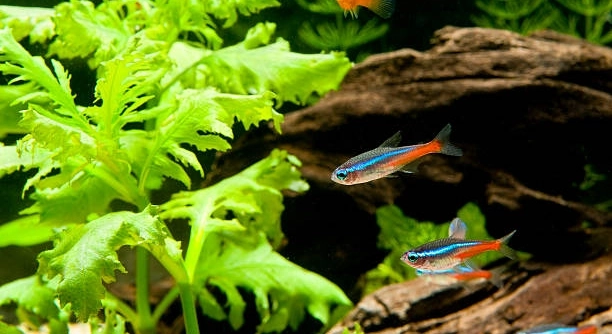
Do your neon tetras often swim through murky water or struggle with strong currents in their tank? A sponge filter might help. These gentle filters are known for supporting both clean water and healthy bacteria colonies.
Sponge filters are ideal for neon tetra tanks due to their gentle water flow, efficient biological filtration, and safe design. They provide a calm environment, maintain water clarity, and support beneficial bacteria without risking harm to small, delicate fish.
Learning the benefits of sponge filters can help you improve your tank’s setup and give your neon tetras a healthier home.
Gentle Flow That Protects Neon Tetras
Sponge filters create a soft, slow-moving current in the tank, which is ideal for neon tetras. These fish are small and sensitive, often stressed by strong water movement caused by other types of filters. A sponge filter helps maintain a stable environment without forcing the fish to fight against water flow. This calm setting reduces stress and supports healthier behavior. Neon tetras also tend to school and swim in groups, so they benefit from open spaces with low turbulence. A sponge filter offers clean water without disrupting their natural activity. Its design is especially helpful during breeding or when raising fry, as it won’t suck them in or harm them. For anyone keeping neon tetras, this gentle filter keeps things quiet and balanced while protecting the fish from unnecessary strain or injury. It also allows for easy tank observation without chaotic water movement interfering with their natural patterns.
This type of filter gives your tetras a more comfortable and relaxed space to swim freely without stress.
It keeps the water clear, supports healthy swimming behavior, and offers a safer setup than high-powered filters that can disturb delicate fish like neon tetras.
Easy to Clean and Maintain
Sponge filters are one of the simplest types of filtration systems to clean and manage.
Once installed, they require only occasional rinsing in tank water to remove buildup. There’s no need to deal with multiple filter cartridges, canister parts, or hard-to-reach tubes. Cleaning the sponge involves removing it during a water change and gently squeezing it in a bucket of old tank water. This method helps preserve beneficial bacteria living in the sponge while removing debris. You won’t need to fully replace the sponge for months, sometimes even longer, depending on your tank’s load. For people with busy schedules or those who want something that works with less upkeep, this is a great solution. The entire process takes just a few minutes and doesn’t involve any complicated tools. By keeping things simple, sponge filters make tank care easier without sacrificing cleanliness or water quality. This helps you spend more time enjoying your fish and less time managing equipment.
Boosts Biological Filtration
Sponge filters support the growth of beneficial bacteria that help break down waste in your tank. These bacteria live on the sponge’s surface, making the filter a strong base for biological filtration without needing extra media or equipment.
The sponge provides a wide surface area where helpful bacteria can thrive. These bacteria convert harmful waste like ammonia into safer compounds through the nitrogen cycle. As water passes through the sponge, waste particles get trapped while the bacteria break down toxins. This balance keeps water safer for neon tetras and helps avoid dangerous spikes in ammonia or nitrite. Compared to other filters, sponge filters are better at supporting this type of filtration over time with minimal effort. They work quietly in the background while keeping your fish healthier. Regular cleaning doesn’t disturb the bacteria as long as you rinse the sponge in tank water, not tap water.
Biological filtration is essential in small community tanks like those with neon tetras. Since these tanks can quickly accumulate waste, having strong bacterial support helps stabilize the environment. The sponge filter acts like a natural cleanup system that doesn’t interfere with your fish. This balance reduces the need for frequent water changes and supports long-term tank health. It’s a quiet, steady solution that fits well into low-maintenance setups.
Safe for Fry and Shrimp
Sponge filters don’t have powerful suction, which keeps fry and shrimp safe from being pulled into the filter. This makes them ideal for breeding or mixed-species tanks with tiny, delicate creatures.
Unlike many standard filters, sponge filters provide gentle filtration without harsh intake flow. Small fish, baby tetras, and shrimp can move around freely without the risk of injury or getting stuck. The sponge material also offers surfaces for biofilm to grow, which is a food source for shrimp and fry. Some even like to graze on the sponge directly. This dual function—safety and food support—makes sponge filters a practical choice for those keeping a variety of species. They allow you to maintain clean water without creating hazards or removing important micro-surfaces. Overall, this filter type helps you avoid unnecessary stress for both adults and tiny tank inhabitants, while still keeping the tank environment stable and clean.
Works Without a Heater Slot
Sponge filters don’t need a built-in heater slot to function. This keeps the setup simple and flexible, especially in smaller tanks. You can use any heater of your choice without worrying about compatibility or placement issues.
The filter doesn’t block heater circulation either. It allows warm water to move freely around the tank, keeping the temperature even. This setup helps avoid cold spots while making sure your neon tetras stay comfortable.
Quiet Operation
Sponge filters run quietly with minimal vibration. When connected to an air pump, the soft bubbling sound is often the only noise. This makes them perfect for rooms where you want less disruption. You won’t hear constant hums or rattling like with some powered filters. They’re peaceful and easy to ignore.
Budget-Friendly Option
Sponge filters are inexpensive to buy and cost very little to run. The only real expense is the air pump, which also tends to be affordable. You don’t have to keep buying replacement cartridges or special filter media. Since they last a long time, sponge filters are a good value over time.
FAQ
How often should I clean my sponge filter?
Sponge filters need to be cleaned regularly to maintain efficiency. Ideally, you should rinse the sponge every two to four weeks. If you have a heavily stocked tank or a higher waste load, cleaning it more often might be necessary. When cleaning, always use tank water to preserve the beneficial bacteria on the sponge. Avoid tap water, as it can harm the bacteria. Simply remove the sponge from the filter and gently squeeze it in a container of tank water to remove debris. Make sure to clean it thoroughly but avoid over-scrubbing.
Can a sponge filter handle a heavily stocked tank?
While sponge filters are great for low to medium stock tanks, they may struggle in heavily stocked setups. They are effective at biological filtration but less efficient at mechanical filtration. In tanks with lots of fish, you might need to supplement with additional filtration. Adding another sponge filter or a more powerful filtration system could help. Also, ensure your tank is not overstocked, as this can lead to water quality issues, even with a sponge filter.
Do I need an air pump for the sponge filter?
Yes, sponge filters require an air pump to function. The air pump pushes air through the sponge, causing water to flow through it. This helps with mechanical filtration by trapping debris and biological filtration by allowing beneficial bacteria to thrive. When choosing an air pump, ensure it’s appropriately sized for your tank and the sponge filter you’re using. Too much airflow can create strong currents, which are not ideal for delicate fish like neon tetras.
Are sponge filters safe for baby fish?
Sponge filters are very safe for baby fish, or fry, because their intake is gentle and doesn’t suck them in. Many filters with strong suction can harm small fish or even suck them into the filter. Since sponge filters use a slow-moving current, the baby fish can swim freely without the risk of being trapped. The sponge also provides surfaces where the fry can graze on biofilm, which is a natural food source for them.
Do sponge filters improve water quality?
Sponge filters are excellent at maintaining good water quality. They provide both biological and mechanical filtration, which helps keep the tank clean and stable. The sponge itself supports beneficial bacteria that break down harmful waste like ammonia and nitrites, which are toxic to fish. This reduces the need for frequent water changes and helps create a healthier environment for your fish. While they might not be as fast at removing fine particles as a powered filter, they still effectively manage water quality over time.
Can I use a sponge filter in a tank with other types of filters?
Yes, you can use a sponge filter in combination with other types of filters. In fact, using a sponge filter alongside a larger filtration system can help create a more balanced environment. The sponge filter will focus on biological filtration, while the other filter can handle mechanical filtration or more powerful water movement. This dual approach can improve water quality and reduce the load on each individual filter, making the system more efficient. Just make sure that the combined flow isn’t too strong for delicate fish.
How do I choose the right sponge filter for my tank?
To choose the right sponge filter, first consider the size of your tank and the type of fish you have. The general rule is that the filter should be rated for your tank’s size in gallons. A filter that is too small will not provide adequate filtration, while one that’s too large could create strong currents, which are unsuitable for small fish like neon tetras. Look for a filter with a sponge that fits well in your tank without obstructing the tank’s layout. Also, consider the airflow and how much water movement your fish can tolerate.
Can sponge filters be used in saltwater tanks?
Sponge filters can be used in saltwater tanks, but they might not be as effective for large saltwater setups. They are more commonly used in smaller or beginner saltwater tanks, where they provide gentle filtration. The sponge filter is suitable for maintaining water quality and supporting the growth of beneficial bacteria in saltwater tanks. However, for larger or more complex saltwater setups, additional filtration methods like protein skimmers or canister filters may be necessary to handle the higher bioload.
Do sponge filters help with algae growth?
Sponge filters themselves do not directly affect algae growth, but they can indirectly help prevent it. By keeping the water clear and maintaining good biological filtration, sponge filters help stabilize the tank’s ecosystem. Algae thrives in nutrient-rich environments, especially when waste products like ammonia and nitrates accumulate. Since sponge filters reduce these harmful compounds, they can create a less favorable environment for algae growth. However, controlling algae also depends on factors like light levels and nutrient input, so proper tank management is key.
Can I use sponge filters for tanks with shrimp?
Sponge filters are ideal for shrimp tanks because their gentle filtration prevents shrimp from being sucked into the filter. Shrimp are small and delicate, and many traditional filters have strong currents that can be harmful. The sponge filter provides a safer alternative by offering light water movement, which shrimp can easily navigate. Additionally, the biofilm that forms on the sponge is an excellent food source for shrimp. If you keep shrimp, the sponge filter is one of the best options for maintaining water quality without disturbing the inhabitants.
Do sponge filters cause a lot of bubbles in the tank?
Sponge filters can produce some bubbles, but they are usually small and gentle. The amount of bubbles depends on the size of the air pump and the sponge filter itself. If you prefer minimal bubbles, you can adjust the airflow or use an air pump with a lower output. Some people like the bubbles because they provide oxygenation to the water, which benefits fish and bacteria. However, if you prefer a quieter setup or don’t want excessive bubbling, simply regulate the air pump for a smoother, more controlled flow.
Final Thoughts
Sponge filters offer an effective, simple, and budget-friendly solution for keeping your neon tetra tank clean. They provide both biological and mechanical filtration, which helps maintain water quality by breaking down harmful waste. Their gentle filtration method ensures that delicate fish, like neon tetras, aren’t disturbed by strong currents, making them ideal for smaller tanks. Unlike other filtration systems, sponge filters are easy to set up and maintain, making them a good choice for both beginners and experienced fish keepers.
Their quiet operation is another key advantage. While some filters can produce a constant hum, sponge filters are nearly silent, offering a more peaceful aquarium environment. This is especially useful if your tank is in a living room or bedroom, where noise can be disruptive. The lack of moving parts reduces the chances of mechanical failure, adding to their overall reliability. For those who want a low-maintenance filter, sponge filters are a solid choice.
While sponge filters work well for smaller tanks and tanks with light to moderate stocking, they may not be the best option for heavily stocked or larger tanks. In such setups, the filtration might need to be supplemented with additional equipment. However, if your tank is properly stocked and you use a sponge filter as part of a well-rounded filtration system, it can be an efficient and long-lasting solution. Ultimately, choosing the right filter for your tank depends on the size, the number of fish, and the type of water conditions you want to maintain.

Hello,
If you enjoy the content that we create, please consider saying a "Thank You!" by leaving a tip.
Every little bit helps us continue crafting quality advice that supports the health, happiness, and well-being of pets around the world, for pets of all shapes, sizes, and species.
We really appreciate the kindness and support that you show us!