
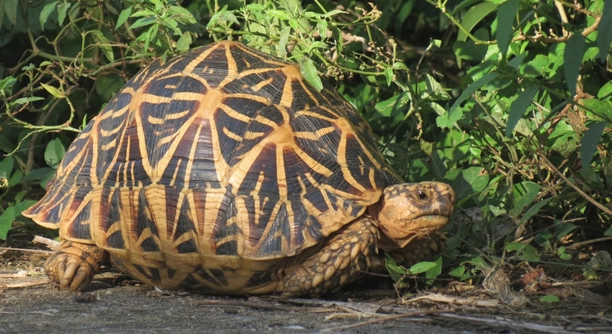
Tortoise shells are unique and beautiful, but they can also be vulnerable to various health issues. Recognizing and addressing these problems is essential for maintaining a healthy tortoise. Knowing the common diseases can make a significant difference in their care.
Common tortoise shell diseases include infections, fungal growths, and shell rot, which can cause symptoms such as discoloration, cracks, or softness. Identifying these signs early and seeking appropriate treatment can prevent further damage and improve your tortoise’s overall well-being.
Understanding these conditions and their treatments will help keep your tortoise happy and healthy for years to come.
Common Tortoise Shell Diseases
Tortoises are prone to several shell-related diseases that can significantly affect their health. Shell rot is one of the most common issues, often caused by bacterial or fungal infections. This condition can lead to soft spots, discoloration, and visible lesions. If left untreated, it can progress to severe tissue damage. Fungal infections thrive in humid environments and typically present as white or greenish patches on the shell. Another problem is metabolic bone disease, which weakens the shell and bones due to calcium deficiencies. Early detection is vital in preventing these issues from worsening.
To prevent shell diseases, make sure your tortoise’s habitat is clean and dry. Ensure they get the right amount of sunlight and provide a balanced diet rich in calcium. If you notice any changes in the shell’s appearance, seek professional advice immediately.
Prompt treatment can stop further damage and help your tortoise recover quickly. Regular check-ups and good care routines play a critical role in maintaining their health and preventing the spread of infections.
Treating Tortoise Shell Problems
When you spot issues with your tortoise’s shell, it’s crucial to act fast. Cleanliness and proper care can stop many problems from developing.
For treating shell rot, you must remove any decayed tissue carefully. Depending on the severity, your vet may apply antiseptic ointments or recommend antibiotics. Regular shell care, such as keeping it dry and avoiding excess humidity, will also aid in recovery. Proper UV lighting and a calcium-rich diet will boost healing and help avoid future problems.
Causes of Shell Rot
Shell rot in tortoises is mainly caused by bacteria and fungi that thrive in moist, unsanitary environments. Poor habitat hygiene, like wet bedding or stagnant water, encourages the growth of these pathogens. If your tortoise’s shell remains consistently damp, it can lead to infections, which are difficult to treat.
The early signs of shell rot include discoloration, softness, or visible lesions. As the infection spreads, the damage becomes more apparent, and the shell may start to break down. If you see these signs, it’s essential to act fast and isolate the tortoise to prevent the infection from spreading further.
Maintaining a clean environment is key to preventing shell rot. Provide dry, non-porous surfaces for your tortoise to move on. Regularly clean their habitat and ensure it is well-ventilated. Avoid excessive humidity, as this encourages fungal growth. Keeping your tortoise’s enclosure dry will drastically reduce the likelihood of developing shell rot.
How to Treat Shell Rot
Treating shell rot involves cleaning the affected areas thoroughly. Gently remove any decayed tissue and apply an antiseptic solution. Depending on the severity, your veterinarian may recommend specific treatments, such as antibiotics or antifungal medications. Regular monitoring and follow-up visits are necessary to ensure proper recovery.
Proper hydration and diet are also essential in the healing process. Make sure your tortoise is getting enough calcium to help rebuild its shell and maintain bone health. Supplementing with UVB lighting will also aid in calcium absorption, promoting faster healing.
Preventing Fungal Infections
Fungal infections often result from high humidity or wet conditions in a tortoise’s environment. These infections cause white or greenish patches on the shell. Reducing moisture and ensuring good airflow are key to preventing fungal growth. Regularly dry your tortoise’s shell after cleaning to avoid fungal buildup.
Providing proper lighting is also important. UVB light helps the tortoise produce Vitamin D3, which strengthens its immune system and helps resist infections. If possible, allow your tortoise some time outside in the sun, but be cautious of extreme temperatures. Clean water and a dry habitat are essential in preventing fungal growth.
Signs of Metabolic Bone Disease
Metabolic Bone Disease (MBD) is common in tortoises lacking sufficient calcium and UVB light exposure. This disease causes shell deformities, such as softening and abnormal growth. A weak shell or limping could indicate MBD, requiring immediate dietary adjustments and veterinary care to prevent further damage.
Treating Metabolic Bone Disease
To treat MBD, increase calcium intake through supplements and adjust the diet to include more leafy greens and calcium-rich vegetables. Additionally, ensure your tortoise has access to UVB lighting for proper calcium absorption. If MBD is severe, a veterinarian may recommend injectable calcium or other treatments to help with bone strength.
FAQ
How do I know if my tortoise has shell rot?
If you notice soft spots, discoloration, or visible lesions on your tortoise’s shell, it may be a sign of shell rot. The affected areas can appear black, yellow, or white, and the shell may feel squishy. As the condition worsens, the shell can develop holes or cracks. It’s important to check your tortoise regularly and look for any abnormal changes in the shell’s texture or color.
What should I do if my tortoise’s shell is soft?
Softness in the shell is a common symptom of Metabolic Bone Disease (MBD), often due to a calcium deficiency. Ensure your tortoise has access to UVB light, which helps in the absorption of calcium. You may need to add calcium supplements to their diet or consult a vet for further treatment. If the shell remains soft, it could indicate a serious health issue, and a vet’s assessment is necessary.
How can I prevent fungal infections on my tortoise’s shell?
To prevent fungal infections, maintain a clean, dry habitat for your tortoise. Avoid excessive humidity, as fungi thrive in moist environments. Ensure that their living space has proper ventilation and clean the enclosure regularly to remove any damp bedding or leftover food. Dry your tortoise’s shell after bathing to prevent fungal buildup.
Can tortoises recover from shell rot?
Yes, tortoises can recover from shell rot if treated promptly. Early detection is key. Treatment typically involves removing decayed tissue, applying antiseptic, and following up with proper care. In severe cases, a veterinarian might prescribe antibiotics or antifungal medication. Make sure the tortoise is kept in a dry, clean environment during recovery to prevent further damage.
What are the signs of Metabolic Bone Disease in tortoises?
Signs of Metabolic Bone Disease (MBD) include soft, misshapen, or deformed shells and limbs, and difficulty moving. Tortoises with MBD may appear lethargic, show signs of weakness, or limp due to soft bones. The disease is caused by inadequate calcium and UVB light, which are necessary for bone health. If you notice these symptoms, consult a veterinarian for treatment.
How much UVB light does a tortoise need?
Tortoises need UVB light to produce Vitamin D3, which helps them absorb calcium and maintain strong bones. A good rule of thumb is to provide 10-12 hours of UVB exposure per day. The light should be placed within a few inches of the tortoise’s habitat to ensure proper absorption. Be sure to replace UVB bulbs regularly, as their effectiveness diminishes over time.
What is the best diet for a tortoise?
A tortoise’s diet should consist of high-fiber vegetables, leafy greens, and weeds. These include dandelion greens, collard greens, and kale. Providing calcium-rich foods, such as calcium-fortified vegetables or calcium supplements, is essential to prevent MBD. Avoid feeding fruits in excess as they can be high in sugar and not ideal for their health. Always provide fresh water.
Can I treat fungal infections at home?
Fungal infections can be managed at home in mild cases by keeping your tortoise’s habitat dry and cleaning their shell regularly. You can use antifungal creams or solutions suggested by your veterinarian to apply directly to the infected areas. However, if the infection is severe or doesn’t improve, you should consult a vet for further treatment.
Why is my tortoise’s shell discolored?
Discoloration of a tortoise’s shell can be a sign of various issues, including fungal infections, shell rot, or Metabolic Bone Disease. If the discoloration is accompanied by soft or damaged areas, it’s crucial to consult a vet. Sometimes, discoloration can also result from poor diet or environmental stress, so a review of their care routine may help prevent further issues.
Is it safe to bathe my tortoise?
Bathing your tortoise in lukewarm water is generally safe and can help with hydration, cleaning, and shell maintenance. However, it’s important not to leave them in water for too long, as prolonged exposure can lead to fungal infections. After bathing, dry them thoroughly, especially their shell, to avoid fungal growth.
Final Thoughts
Tortoise shell health is essential to their overall well-being. Regular checks for signs of shell rot, fungal infections, and other conditions are important for catching problems early. Providing a clean, dry habitat with adequate ventilation can prevent many of these issues. Ensuring that your tortoise has proper access to UVB light and a well-balanced diet rich in calcium can significantly reduce the risk of Metabolic Bone Disease. The right care can help your tortoise live a long, healthy life.
Treatment for shell problems should be taken seriously. While some conditions can be managed at home, severe cases require veterinary care. If you notice any changes in your tortoise’s shell, such as softness, discoloration, or lesions, seeking professional help is essential. Early intervention can prevent long-term damage and improve recovery chances. In most cases, with the right treatment and environment, your tortoise can make a full recovery and return to normal activity.
Preventing shell diseases in tortoises is far easier than treating them. Regular cleaning, proper lighting, and the right diet are key to maintaining good health. By taking these simple steps, you can avoid most common health issues and ensure your tortoise lives a healthy and comfortable life. Always monitor their condition, keep their habitat clean, and give them the proper nutrients they need.

Hello,
If you enjoy the content that we create, please consider saying a "Thank You!" by leaving a tip.
Every little bit helps us continue crafting quality advice that supports the health, happiness, and well-being of pets around the world, for pets of all shapes, sizes, and species.
We really appreciate the kindness and support that you show us!