
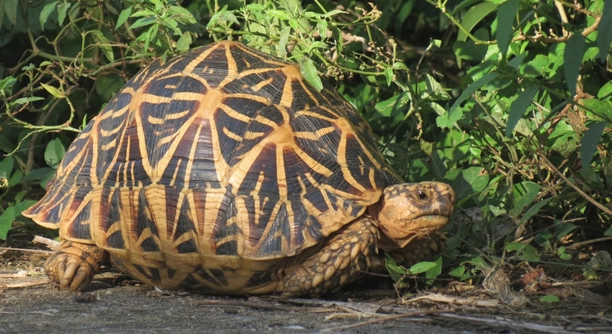
Are you an Indian star tortoise owner who wants to keep their pet’s shell healthy and strong? Shell damage can be a serious issue for these beautiful creatures, but with proper care, you can help prevent common problems.
The best way to prevent shell damage in Indian star tortoises is by maintaining proper humidity, providing a balanced diet, ensuring a safe enclosure, and regularly checking their health. Consistent care is key to keeping their shells strong and healthy.
Shell damage can cause discomfort and health issues for your tortoise. Learning essential care tips will help you protect their well-being and keep their shell in excellent condition.
Maintain Proper Humidity Levels
A stable humidity level is essential for your Indian star tortoise’s shell health. These tortoises need a humidity level between 65% and 80% to prevent their shells from becoming dry or developing pyramiding. Without proper humidity, their shells can crack or grow unevenly, leading to discomfort. Use a digital hygrometer to monitor the humidity and adjust as needed with regular misting or a humid hide. Coconut coir or cypress mulch are excellent substrates for holding moisture without becoming too damp. By keeping their environment consistent, you promote strong, healthy shell growth.
Humidity plays a major role in preventing shell deformities. A dry habitat can cause the shell to grow abnormally, while excessive moisture can lead to rot. Balanced humidity is key.
Set up a humid hide lined with damp sphagnum moss to maintain moisture. Ensure proper ventilation to avoid mold buildup. Regularly mist the enclosure and monitor humidity levels to keep your tortoise comfortable and healthy.
Provide a Balanced, Nutritious Diet
A proper diet helps maintain a strong, healthy shell. Indian star tortoises need high-fiber foods like grasses and leafy greens. Avoid feeding too many fruits or protein-rich foods, as these can lead to shell deformities.
Focus on a diet rich in calcium and fiber. Offer foods like dandelion greens, hibiscus leaves, and Timothy hay. Sprinkle a calcium supplement without vitamin D3 a few times a week. Ensure your tortoise has access to clean water at all times.
Consistency is key. Feed your tortoise a variety of fresh, pesticide-free greens every day. Mix in small amounts of vegetables like squash or pumpkin for extra nutrients. Rotate food options regularly to prevent boredom and promote a well-rounded diet. Providing proper nutrition ensures healthy shell development and reduces the risk of metabolic bone disease.
Ensure Proper UVB Lighting
UVB lighting is essential for calcium absorption and strong shell growth. Without it, your tortoise can develop soft, deformed shells and metabolic bone disease. Use a high-quality UVB bulb, replacing it every 6 to 12 months to maintain effectiveness.
Set up a UVB light covering at least two-thirds of the enclosure. Position it 10 to 12 inches above the basking spot for optimal exposure. Provide 10 to 12 hours of UVB light daily. If your tortoise lives outdoors, natural sunlight is the best source of UVB. Use shade areas to prevent overheating.
Monitor the temperature under the UVB light, keeping it between 90°F and 95°F. Combine UVB with a heat lamp to create a proper basking area. Avoid glass or plastic covers, as they block UVB rays. Proper lighting, combined with calcium supplements, prevents soft shells and ensures healthy growth.
Create a Safe and Spacious Enclosure
A secure, roomy habitat prevents injuries that could damage your tortoise’s shell. Provide a minimum enclosure size of 4×4 feet for a single tortoise. Smooth any sharp objects or rough surfaces that could cause scratches or cracks.
Use soft substrates like coconut coir or cypress mulch to cushion their movements. Add hideouts for security and climbing areas for enrichment. Avoid using wire mesh or rough rocks, as they can scratch the shell. Regularly inspect the enclosure for hazards.
Keep the enclosure clean by removing waste and replacing dirty substrate frequently. Use a shallow water dish that your tortoise can enter and exit safely. Offer both shaded and warm basking spots. A safe, well-maintained space keeps your tortoise comfortable and reduces the risk of shell injuries.
Keep the Shell Clean and Moisturized
Gently clean your tortoise’s shell with lukewarm water and a soft brush once a week. This removes dirt and prevents bacteria buildup. Avoid using soap or chemicals, as they can damage the shell’s natural protective layer.
Moisturize the shell by providing regular soaks in shallow, lukewarm water for 15 to 20 minutes. This keeps the shell hydrated and prevents cracking, especially in dry climates.
Handle Your Tortoise Carefully
Always lift your tortoise with both hands, supporting its body from underneath. Avoid dropping or placing it on hard surfaces to prevent cracks or chips. Never grab it by the shell edges or legs.
Keep handling to a minimum to reduce stress. If children handle the tortoise, supervise them closely and teach them to be gentle. Careful handling protects the shell from accidental damage and ensures your tortoise feels secure.
Schedule Regular Vet Check-Ups
Take your tortoise for annual check-ups with a reptile veterinarian. Early detection of shell issues, such as soft spots or infections, can prevent serious complications.
A vet can also check for signs of metabolic bone disease and provide advice on proper diet, lighting, and enclosure conditions.
FAQ
How often should I soak my Indian star tortoise?
Soak your tortoise 2 to 3 times a week for 15 to 20 minutes. In dry climates or during hot weather, increase soaks to every other day. Hatchlings and juveniles benefit from daily soaks to prevent dehydration and support healthy shell growth.
Can I use tap water for soaking my tortoise?
Yes, you can use tap water, but let it sit for 24 hours to allow chlorine to evaporate. Alternatively, use a water conditioner to remove harmful chemicals. Always ensure the water is lukewarm and shallow enough to prevent drowning.
What causes shell pyramiding in Indian star tortoises?
Shell pyramiding is mainly caused by low humidity, a poor diet, or lack of proper UVB lighting. Keeping humidity between 65% and 80%, providing a calcium-rich diet, and ensuring proper UVB exposure help prevent pyramiding.
How do I know if my tortoise has a shell infection?
Look for soft spots, foul smells, or discolored patches on the shell. Infections can spread quickly, so consult a reptile veterinarian immediately if you notice these signs. Keeping the shell clean and dry reduces infection risks.
Can Indian star tortoises live outdoors?
Yes, they thrive outdoors in warm, dry climates. Provide a secure, predator-proof enclosure with shaded areas and proper hiding spots. If temperatures drop below 70°F, bring your tortoise indoors or provide additional heating.
How often should I replace UVB bulbs?
Replace UVB bulbs every 6 to 12 months, even if they still produce light. UVB output weakens over time, reducing its effectiveness. Use a UV meter to monitor output and ensure proper lighting for your tortoise’s health.
What is the best substrate for Indian star tortoises?
Coconut coir, cypress mulch, or a soil-sand mix are ideal. These substrates hold moisture well and help maintain proper humidity. Avoid cedar or pine, as their oils can cause respiratory issues.
Can I feed fruits to my Indian star tortoise?
Limit fruit intake to occasional treats. Indian star tortoises are primarily grazers, and their diet should consist mostly of grasses and leafy greens. Too much fruit can cause digestive issues and shell deformities.
How can I prevent shell cracking or chipping?
Provide a soft substrate, eliminate sharp objects from the enclosure, and handle your tortoise carefully. Keep humidity at appropriate levels, as dry conditions can cause shells to become brittle and crack.
Do Indian star tortoises need supplements?
Yes, they need calcium and vitamin supplements to support healthy shell growth. Dust their food with calcium powder (without vitamin D3) 3–4 times a week. Use a reptile multivitamin once a week to prevent deficiencies.
Why is my tortoise’s shell turning white or flaky?
White patches or flakiness may indicate hard water deposits or mild shedding. Soak your tortoise regularly and wipe its shell with a damp cloth. If the white areas are soft or smelly, consult a vet for possible shell rot.
How do I prevent my tortoise from flipping over and getting hurt?
Ensure the enclosure has flat surfaces and remove objects that could cause tipping. If your tortoise flips frequently, it may be trying to climb unstable objects. Monitor their activity to prevent accidents and injury.
Final Thoughts
Caring for an Indian star tortoise requires dedication and attention to detail. By maintaining proper humidity, providing a balanced diet, and ensuring a safe environment, you help your tortoise stay healthy and prevent shell damage. Simple routines, such as regular soaks and proper UVB lighting, make a big difference in their overall well-being. Consistency is key, and small daily habits can prevent serious issues in the long run.
A healthy shell is a sign of a happy and well-cared-for tortoise. Paying attention to their diet, lighting, and enclosure conditions helps prevent common problems like shell rot or pyramiding. It’s also important to watch for early signs of illness, such as soft spots or discoloration on the shell. If you ever notice something unusual, contacting a reptile veterinarian quickly can help address the issue before it worsens.
With proper care and regular check-ups, your tortoise can live a long and healthy life. They are unique and beautiful pets that thrive when their needs are met. Building a safe habitat and following simple care routines create a happy and stress-free environment for your tortoise. The effort you put into their care will help them stay strong and healthy for many years to come.

Hello,
If you enjoy the content that we create, please consider saying a "Thank You!" by leaving a tip.
Every little bit helps us continue crafting quality advice that supports the health, happiness, and well-being of pets around the world, for pets of all shapes, sizes, and species.
We really appreciate the kindness and support that you show us!