
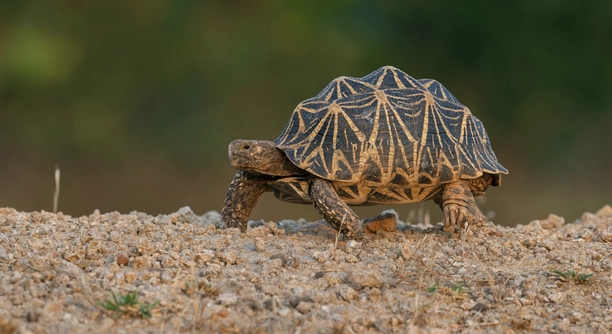
Indian star tortoises are popular pets, known for their unique shells and calm demeanor. When they’re introduced to a new environment, it’s important to ensure their transition is as smooth as possible. Proper care will help them settle in and thrive.
Helping Indian star tortoises adjust to a new home requires creating a stable, secure environment. Focus on temperature, habitat, and routine to minimize stress. Gradually introducing them to their new surroundings will encourage comfort and confidence.
By following these steps, you can create a safe and welcoming space for your tortoise. Ensuring they feel at ease will help them adapt better to their new home.
Prepare the Habitat Before Bringing Them Home
Before introducing your Indian star tortoise to its new space, ensure the habitat is ready. The enclosure should be spacious, with enough room for the tortoise to move around comfortably. A temperature gradient is essential, with a basking spot around 90°F (32°C) and a cooler area at about 75°F (24°C). The enclosure should also be equipped with hiding places, like rocks or plants, where the tortoise can retreat and feel safe. A shallow water dish is important for hydration, but make sure it’s not too deep to avoid drowning. Substrate like coconut coir or aspen bedding provides a natural feel for them. All of this will help create a comfortable environment for your tortoise.
Make sure to clean the habitat regularly, removing waste to maintain hygiene and prevent stress. A clean environment helps prevent infections and other health issues.
It’s important to maintain a stable environment, especially in the first few weeks. Sudden changes in temperature, humidity, or lighting can be very stressful for your new tortoise. If you set up the habitat well beforehand, it will allow them to adjust at their own pace. It’s also essential to regularly check on the temperature and humidity levels to make sure they remain within the right range. Keeping a consistent routine will reassure your tortoise and make it easier for them to feel secure in their new home.
Introduce Them Gradually
It’s crucial not to overwhelm your tortoise right away. Start by giving them time to explore their new space without any interaction. Avoid handling them too much, as this can stress them out. Let them get used to their surroundings first.
When you first bring your tortoise home, it’s essential to give them a few days to acclimate to the new space. Ensure the enclosure is set up with their basic needs met, like food, water, and warmth, but avoid overwhelming them with attention during this time. This will allow the tortoise to feel less stressed and adjust at their own pace. After a few days, you can begin offering food and gradually start handling them. Make sure to do so gently, always watching for signs of stress. Too much handling can cause them to withdraw. Let them dictate the pace, so they can develop trust in their new environment.
Monitor Their Behavior Closely
Pay attention to your tortoise’s behavior after they’ve settled in. They may be more active or hide for longer periods at first, which is normal. If they seem lethargic or show signs of stress, it’s important to adjust their environment.
If you notice any unusual behavior, such as excessive hiding or lack of eating, it’s worth considering the conditions in the enclosure. The temperature may be too high or low, or the habitat might not be quiet enough. Stress can also come from loud noises or too much handling. Keep an eye on their eating habits as well. Healthy tortoises will have a regular appetite, but if they’re refusing food or water, they may be adjusting to stress. Small changes can make a big difference in their comfort level.
If these behaviors persist, it might be worth consulting a vet to rule out health issues. Stress-related problems can lead to further complications, so early intervention is key to helping your tortoise feel at ease.
Provide a Consistent Feeding Schedule
Indian star tortoises thrive on a consistent feeding routine. This helps them feel secure and ensures they are getting the right nutrients. Offer them fresh, leafy greens like dandelion, kale, and hibiscus flowers.
A regular feeding schedule will help your tortoise feel more comfortable in their new home. Ensure their diet is rich in fiber and calcium, which is essential for their shell health. Avoid overfeeding and limit high-protein foods. You can offer small amounts of fruit as a treat, but this should not be their main diet. Introducing variety, while keeping the diet simple, will also help maintain their interest in food. Keep their feeding area clean to prevent any contamination, and always remove leftover food after a few hours to prevent spoiling.
Monitor how much they eat, as sudden changes in appetite can indicate stress or health issues. If you notice they’re not eating as much as usual, try adjusting the type of greens or provide more hydration to help them adjust.
Keep the Environment Quiet
Indian star tortoises prefer quiet, peaceful environments. Avoid placing their enclosure in high-traffic areas where loud noises or sudden movements might cause stress. Keeping things calm and quiet will help them feel secure and adapt more easily to their new surroundings.
It’s best to place the enclosure in a location where the tortoise can enjoy some natural light but isn’t disturbed too often. Loud noises, like television sounds or pets moving around, can be unsettling. Make sure their space feels safe by minimizing distractions. A calm environment will encourage natural behavior.
Hydration Is Key
Tortoises need access to fresh water at all times. A shallow water dish, filled with clean water, is necessary for drinking and soaking. Regular hydration helps support their digestion and overall health.
Place the water dish somewhere easily accessible, but make sure it’s not too deep to avoid accidents. Tortoises may not always drink a lot at once, but it’s crucial they always have clean water available. You should change the water daily, especially if it gets soiled. Hydration is often overlooked, but it plays a vital role in their well-being. Keeping the water clean and fresh is a simple way to ensure your tortoise stays healthy.
FAQ
How long does it take for an Indian star tortoise to adjust to a new home?
The adjustment period for an Indian star tortoise can vary depending on the individual, but typically, it takes about a few days to a couple of weeks for them to settle in. During this time, they may appear a bit shy or withdrawn. It’s important not to force interaction and allow them time to explore and feel secure in their new environment. If they’re showing signs of stress after this period, it may be necessary to assess the habitat and adjust the conditions.
What temperature should the enclosure be?
An ideal temperature gradient is essential. The basking area should be between 90°F (32°C) and 95°F (35°C), while the cooler side should stay around 75°F (24°C). This range mimics the natural environment of Indian star tortoises. You can use a heat lamp for the basking spot and a UVB light to provide necessary UV exposure. Always monitor the temperature with a thermometer to ensure it stays within the safe range. If the temperature fluctuates too much, it can cause stress and discomfort for your tortoise.
Can I handle my Indian star tortoise right away?
It’s best to wait a few days before handling your tortoise. After bringing them home, allow them to adjust to their new environment first. Handling them too soon can add to their stress. Once they’ve settled, you can start gently interacting with them. Always handle them with care and avoid excessive handling. Let them come to you on their terms to build trust and reduce any anxiety. Over time, they may become more comfortable with being held.
What should I feed my Indian star tortoise?
Indian star tortoises are herbivores, and their diet should be mainly composed of high-fiber, leafy greens. Dandelion greens, collard greens, and hibiscus flowers are great options. You can also provide small amounts of fruits like apples or melon as occasional treats. Avoid feeding them too much fruit, as it’s high in sugar. Additionally, calcium is important for shell health, so providing a calcium supplement or adding cuttlebone to the enclosure is recommended. Always remove any leftover food to prevent spoilage and keep the enclosure clean.
Is it okay to keep more than one Indian star tortoise together?
It is generally better to keep them separately, especially if the tortoises are of different sizes. While they may seem docile, tortoises can be territorial, and there could be aggression, especially when food is involved. If you do choose to house more than one tortoise, make sure the enclosure is large enough for them to have their own space. This will help reduce stress and competition for resources. If you notice signs of aggression, it’s best to separate them.
How often should I clean the tortoise’s enclosure?
The enclosure should be cleaned regularly to maintain a healthy environment. Spot clean daily, removing waste and any soiled bedding. Deep clean the entire enclosure once a week, disinfecting all surfaces and changing the bedding. Make sure the water dish is cleaned and refilled daily to prevent any contamination. Keeping the habitat clean not only ensures your tortoise’s health but also reduces odors and helps keep the enclosure looking fresh.
Can I feed my tortoise a diet that includes meat?
No, Indian star tortoises are strictly herbivores. Their diet should consist primarily of leafy greens, flowers, and some fruits. Feeding them meat can cause digestive issues and is not suitable for their nutritional needs. A proper plant-based diet ensures they get the necessary vitamins and minerals, such as calcium, to maintain healthy shell growth. Always avoid offering any animal products, as these can be harmful to their health in the long run.
How do I know if my tortoise is stressed?
Signs of stress in Indian star tortoises include excessive hiding, lack of appetite, and lethargy. They may also withdraw from their basking spot or seem overly active without resting. If your tortoise is frequently hiding and not eating, the habitat conditions (temperature, humidity, lighting) may need adjustment. Stress can also occur from overhandling or loud noises. If the stress persists for an extended period, it may be necessary to consult with a vet to rule out any underlying health issues.
What type of substrate should I use for my tortoise?
You can use coconut coir, aspen bedding, or organic soil for your Indian star tortoise’s substrate. These materials help mimic the natural habitat and are safe for them to burrow in. Avoid using sand or gravel, as they can be harmful to the tortoise’s digestive system if ingested. The substrate should be kept dry, with occasional moistening to maintain proper humidity. Regularly spot clean it and replace the substrate every few months to keep the enclosure clean and safe.
Can I take my tortoise outside?
Yes, you can take your Indian star tortoise outside for some supervised outdoor time. However, ensure the area is secure and free from predators. Make sure the ground is not too hot or too cold for them. Always provide a shaded area so they can regulate their temperature, and ensure they have access to fresh water. Outdoor time can be beneficial for providing natural sunlight and stimulating their senses, but always supervise them closely to prevent escape or injury.
Final Thoughts
Helping your Indian star tortoise adjust to a new home requires patience and attention to their needs. The transition period can be a bit overwhelming for them, but with the right setup and care, they will begin to feel more comfortable over time. Focus on creating a stable environment with appropriate temperatures, lighting, and space. This will encourage a smoother adjustment process, allowing your tortoise to feel secure in its new habitat. Gradual changes are key, as sudden shifts can add stress to their already sensitive systems.
Their diet is another important factor in helping them thrive. Providing fresh, nutritious greens and a small amount of fruit will support their health and ensure they get the right nutrients. Remember to offer them water daily and clean their enclosure regularly. Keeping a consistent feeding and cleaning schedule helps your tortoise feel more settled and comfortable in their new space. Even simple actions like offering them a safe hiding spot can make a big difference in their stress levels. It’s about giving them time to adjust at their own pace while ensuring their environment remains stable and safe.
Overall, Indian star tortoises are resilient animals, but they do best in an environment that respects their natural behaviors and needs. By staying mindful of their comfort and providing the right care, they can adapt to their new home and live a healthy, happy life. Be patient, observant, and make adjustments as necessary, and you will see your tortoise begin to thrive. The process may take some time, but with consistency and proper care, your tortoise will settle in and enjoy its new environment.

Hello,
If you enjoy the content that we create, please consider saying a "Thank You!" by leaving a tip.
Every little bit helps us continue crafting quality advice that supports the health, happiness, and well-being of pets around the world, for pets of all shapes, sizes, and species.
We really appreciate the kindness and support that you show us!