
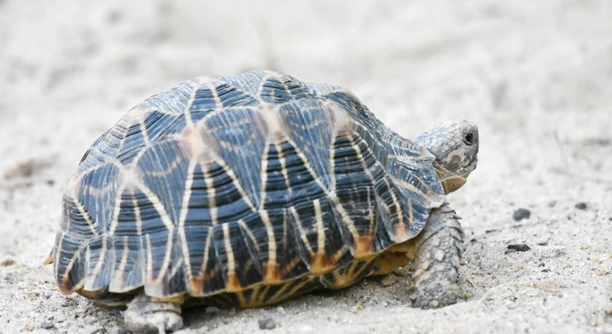
Indian Star Tortoises are fascinating creatures, but like all reptiles, they require specific care to stay healthy. One essential aspect of their well-being is maintaining proper digestion, which plays a key role in their overall health.
To improve your Indian Star Tortoise’s digestion naturally, providing a balanced diet, ensuring proper hydration, and offering opportunities for physical activity are key. Adding certain fiber-rich foods and maintaining optimal living conditions can also support digestive health effectively.
With simple, natural adjustments, you can enhance your tortoise’s digestion and well-being. Discover easy ways to boost their digestive health and keep them active.
Providing a Fiber-Rich Diet
Fiber is crucial for a tortoise’s digestive system. Foods like leafy greens, dandelion greens, and grasses offer the right amount of fiber to support digestion. Avoid feeding them foods that are too high in protein, like excessive amounts of fruits or animal-based products, as these can lead to digestive issues. Offering a variety of safe, fibrous plants will keep their system running smoothly.
A proper fiber intake ensures smooth digestion and can help prevent constipation. A good mix of these greens will also prevent bloating, a common issue in tortoises. Keep their meals consistent, and always provide a variety.
Including high-fiber foods should be a daily habit for your tortoise. These foods promote healthy bowel movements and regulate their digestive health. It is important to avoid overly processed food and instead focus on natural plants. Consistency and variety are the best way to keep their digestive tract in top shape.
Proper Hydration
Hydration is as vital to digestion as food. Always make sure your tortoise has access to fresh water.
If a tortoise is dehydrated, it can experience difficulty in passing food through its system. This can cause a range of digestive problems, from sluggish movement to more serious health concerns. Regular water intake helps maintain normal digestion. Without sufficient hydration, their digestive system may slow down and become blocked, leading to discomfort. To promote hydration, provide shallow water dishes and mist them occasionally. This encourages them to drink and stay hydrated, especially during hotter months.
If your tortoise seems hesitant to drink, consider soaking them in lukewarm water once or twice a week. This encourages them to drink and ensures they stay hydrated, which directly impacts their digestion. You can also keep the humidity levels in their enclosure at the right level, which further supports hydration. It’s crucial to monitor your tortoise’s water intake and make sure it’s consistently available.
Offering Natural Supplements
Some natural supplements can help promote better digestion. A small amount of calcium or cuttlebone can support their digestive system and shell health. A well-balanced supplement will fill nutritional gaps.
Calcium is essential for their bone and shell development, but it also supports proper digestion. It helps regulate metabolism and improves overall digestive efficiency. It is crucial not to overdo it with supplements, as too much calcium may lead to kidney issues. Always consult with a vet for proper dosage recommendations. Keep calcium available in their enclosure at all times.
Other supplements like probiotics or natural digestive aids, such as crushed pumpkin seeds, can encourage healthy gut bacteria. These foods help regulate digestion and improve nutrient absorption. However, always avoid introducing too many new supplements at once. Start slow and monitor your tortoise’s response, adjusting accordingly.
Creating an Active Environment
A more active lifestyle helps improve digestion. Encourage your tortoise to move around by providing a spacious enclosure with hiding spots and opportunities to climb. Activity helps stimulate their metabolism and digestion.
Providing space allows your tortoise to roam and stay physically active. The more active they are, the better their digestion will function. Tortoises in larger enclosures are often more motivated to explore, which naturally promotes digestive health. Keep the environment enriched with things like rocks or logs to climb on, creating a stimulating atmosphere. This will not only improve their digestion but also reduce stress and encourage natural behaviors.
Consider including a basking area with proper lighting. This helps regulate their body temperature, which directly impacts their digestive process. A warm, dry environment encourages movement and helps your tortoise digest food more effectively.
Avoiding Overfeeding
Overfeeding is a common issue that can cause digestive problems. Stick to an appropriate feeding schedule and avoid giving large amounts of food at once.
Feeding your tortoise small, consistent meals helps their digestive system process food more effectively. Overfeeding can lead to bloating and other digestive disturbances. To prevent this, always follow recommended portion sizes based on their age and size. Keep meals regular to avoid overwhelming their system.
Offering Digestive-Friendly Foods
Certain foods can naturally aid digestion. Foods like pumpkin, hibiscus leaves, and dandelion greens are excellent choices.
These foods are high in fiber and moisture, which helps move food through the digestive tract. They also have mild laxative properties, which can aid in preventing constipation. Incorporating these into your tortoise’s diet a few times a week can support better digestion and overall health.
Monitoring Their Health Regularly
Regular health checks are important for ensuring your tortoise’s digestion remains on track. Keep an eye on their behavior and eating habits.
A healthy tortoise will have a regular feeding schedule and exhibit normal activity levels. If your tortoise shows signs of constipation, lethargy, or loss of appetite, these could indicate digestive issues. Be proactive and consult with a vet if any symptoms persist.
FAQ
How can I tell if my Indian Star Tortoise is having digestion problems?
Signs of digestive problems can be subtle but noticeable. If your tortoise is having trouble with digestion, you may see changes in their eating habits, like a loss of appetite or difficulty swallowing food. They might also exhibit signs of constipation, such as straining to pass waste or having dry, hard stools. If your tortoise becomes lethargic or has visible bloating, it’s a clear indication that something is wrong. Always monitor their behavior and stool consistency regularly to spot potential issues early.
What foods should I avoid feeding my Indian Star Tortoise?
Certain foods can cause digestive problems or be toxic to tortoises. Avoid high-protein foods like meat, dairy, and high-oxalate plants such as spinach and beet greens. Excessive fruits can also lead to digestive issues, especially if given in large amounts. Avoid processed foods, as these lack the necessary nutrients for your tortoise’s digestive system. Additionally, stay away from foods that are high in fats or contain pesticides and chemicals, as these can interfere with proper digestion.
How much should I feed my tortoise each day?
The amount you feed your Indian Star Tortoise depends on their size, age, and activity level. Generally, young tortoises need to eat daily, while adults can be fed every other day. A good rule of thumb is to offer food that fills about 80% of their shell size. However, overfeeding can lead to digestive problems, so it’s essential to follow portion recommendations based on their age. Always monitor their body condition and adjust the portions accordingly.
Can I feed my Indian Star Tortoise fruit?
Yes, but only in moderation. While fruits are safe for tortoises, they are high in sugar and can upset their digestion if fed in excess. Stick to offering small pieces of fruit, like melon or berries, once a week. The primary diet should consist of fibrous plants like grasses, leafy greens, and dandelion greens, which promote better digestion. Make sure to remove any uneaten fruit promptly to prevent it from spoiling and attracting pests.
Why is my tortoise not eating?
If your Indian Star Tortoise refuses food, it could indicate several issues. First, check the temperature and humidity of their environment. A cold or overly dry environment can cause a loss of appetite. Stress, poor diet, or recent changes in their habitat can also lead to decreased eating. Another possibility is a digestive problem or illness. If the lack of appetite persists, it’s important to consult with a veterinarian to rule out underlying health concerns.
Can I feed my tortoise a diet made up entirely of vegetables?
While vegetables are an essential part of your tortoise’s diet, a variety of plant material is key. The diet should consist mainly of grasses, hay, and leafy greens, with vegetables like squash, carrots, and kale making up a smaller portion. Variety ensures that your tortoise gets all the necessary nutrients for proper digestion. A diet consisting only of vegetables may lack the needed fiber and other essential nutrients, leading to health issues over time.
How can I help my tortoise with constipation?
If your Indian Star Tortoise is constipated, consider increasing their fiber intake by offering fibrous plants like grasses and dandelion leaves. Soaking them in lukewarm water for 20 to 30 minutes can encourage them to pass waste. If the constipation persists, a small amount of pumpkin or prune puree can help. Always consult a vet if your tortoise’s condition doesn’t improve, as severe constipation can be a sign of underlying health problems.
What should the humidity and temperature be for my tortoise’s enclosure?
Maintaining proper humidity and temperature is vital for your tortoise’s digestion. Keep the basking area around 90°F (32°C) during the day, and the cooler side of the enclosure should be around 75°F (24°C). Nighttime temperatures should drop to around 70°F (21°C). For humidity, maintain levels between 40% and 60%. Too much humidity can lead to respiratory issues, while low humidity can cause dehydration, which directly affects digestion.
How often should I change the bedding in my tortoise’s enclosure?
Change the bedding every 1-2 weeks, depending on the level of soiling. If you notice that the bedding is wet, soiled, or smells, it’s time to replace it. Cleanliness is important to avoid any bacterial or fungal growth, which could affect your tortoise’s health, including their digestive system. Always use non-toxic bedding materials like coconut coir or shredded paper for a safe and hygienic environment.
How do I encourage my tortoise to drink more water?
To encourage your tortoise to drink more water, offer shallow water dishes in their enclosure, and make sure they are easy to access. Occasionally mist the enclosure to increase humidity, as this can make them more likely to drink. Soaking your tortoise in lukewarm water for 20 minutes, 2-3 times a week, can also promote hydration. Some tortoises prefer drinking from moving water, so you can try placing a small fountain in their enclosure.
What is the best substrate for my tortoise’s enclosure to support digestion?
The best substrate should be absorbent, non-toxic, and comfortable. Options like coconut coir, organic soil, or aspen shavings work well. Avoid using sand or gravel, as it can cause impaction if ingested. The right substrate ensures a comfortable environment that supports natural behaviors, including foraging and burrowing, which in turn aids digestion. Keep the bedding clean and dry to avoid bacterial growth and encourage a healthy living space for your tortoise.
Final Thoughts
Taking care of an Indian Star Tortoise’s digestive health doesn’t have to be complicated. By focusing on a balanced diet, proper hydration, and an active environment, you can support their digestive system naturally. Offering high-fiber foods like grasses and leafy greens, along with the occasional safe vegetable, will go a long way in keeping their digestion on track. Be sure to avoid overfeeding, as this can lead to problems like constipation or bloating. It’s also important to make sure their environment is set up to encourage movement, as this helps stimulate their metabolism and overall digestion.
Hydration plays a crucial role in digestion as well. A tortoise that is dehydrated will have a harder time processing food properly, so always make sure there’s access to fresh water. Additionally, providing a humidity level that isn’t too high or too low will help with their digestion and overall comfort. Remember, soaking your tortoise once in a while can also help them stay hydrated, especially if they seem hesitant to drink water from their dish. A tortoise that stays hydrated is far more likely to experience smooth digestion and good overall health.
If you ever notice signs of digestive trouble, it’s important to act quickly. Watch for changes in their eating habits or stool, as these can indicate potential issues. Mild cases, like constipation, can often be solved with dietary adjustments and increased hydration. However, if the problems persist, it’s best to consult with a vet to ensure your tortoise’s health is fully supported. Regular check-ups and careful monitoring of their diet and behavior will ensure they stay happy and healthy.

Hello,
If you enjoy the content that we create, please consider saying a "Thank You!" by leaving a tip.
Every little bit helps us continue crafting quality advice that supports the health, happiness, and well-being of pets around the world, for pets of all shapes, sizes, and species.
We really appreciate the kindness and support that you show us!