
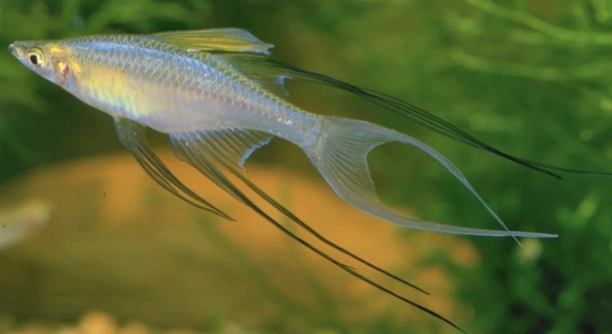
Shy threadfin rainbowfish often hide in their tanks, making it hard for owners to see them enjoy their environment. Their reserved nature can make caring for them feel challenging and sometimes a bit discouraging for beginners.
Helping a shy threadfin rainbowfish become more social requires creating a calm, consistent environment with proper tankmates, gentle feeding routines, and gradual interaction. Reducing stressors and providing hiding spots encourages confidence and fosters natural, observable behaviors in the fish.
Observing these techniques can make your fish more comfortable and reveal a livelier side you may not have noticed before. This guidance will help you encourage social behavior safely and effectively.
Creating a Comfortable Tank Environment
A shy threadfin rainbowfish feels safest in a tank that mimics its natural habitat. Adding plenty of plants, smooth rocks, and gentle hiding spots allows the fish to explore without fear. Avoid overcrowding, as too many fish can increase stress and push a timid rainbowfish into hiding. Maintaining consistent water temperature and quality is crucial, as sudden changes can trigger anxiety. Soft lighting helps reduce stress, allowing your fish to feel more secure. Introducing decorations gradually gives them time to adjust. Observing from a distance at first prevents startling the fish and helps it learn that your presence isn’t threatening. Over time, these small adjustments can significantly improve confidence, encouraging the fish to swim more openly and interact naturally with its environment. Simple actions like regular water checks and keeping the tank quiet during peak activity periods help establish a stable and reassuring home.
Proper tank setup reduces stress and promotes natural, confident behavior in your rainbowfish.
Consistency in water conditions and gradual environmental changes are key to helping your fish feel secure and less shy.
Gentle Interaction and Feeding Routines
Feeding should be calm and predictable to encourage social behavior.
Feeding at regular times and offering food near the front of the tank helps shy rainbowfish associate humans with positive experiences. Start by placing small amounts of food, observing without making sudden movements. Gradually, you can reduce the distance between your hand and the fish while feeding. Using tongs or a feeding stick allows the fish to approach at its own pace. Avoid tapping the glass or creating loud noises, as these actions can scare the fish and reinforce shy behavior. Watching their response helps you adjust the routine, ensuring the fish feels safe. Repeating this consistently allows the rainbowfish to recognize you as a non-threatening presence, eventually swimming closer and displaying natural behaviors. With time, patience, and gentle repetition, the fish can transition from hiding to engaging in the tank environment, becoming more visible and active while still maintaining comfort.
Regular, gentle feeding routines build trust, reduce stress, and encourage your rainbowfish to become more confident and social in its environment.
Choosing Suitable Tankmates
Selecting the right tankmates is essential for a shy threadfin rainbowfish. Peaceful, non-aggressive fish that swim at similar levels reduce stress and encourage social behavior. Avoid larger or overly active species that may intimidate or chase your rainbowfish.
Tankmates that match the temperament of your rainbowfish help create a calm and balanced environment. Small schooling fish like danios or small tetras are ideal because they move in groups without causing aggression. Introducing new fish slowly allows your rainbowfish to adjust gradually, reducing fear. Observing interactions daily ensures that no bullying occurs and that your rainbowfish feels safe enough to swim openly.
Keeping compatible species together fosters confidence and social interaction. Overcrowding or aggressive companions can push the rainbowfish back into hiding, so careful selection is key. Proper tankmate choices support natural schooling behavior and reduce stress-related health problems.
Monitoring Behavior and Adjusting Care
Observing your fish regularly helps identify stress signals early. Subtle changes in swimming or hiding indicate the need for adjustments.
Consistent observation is crucial for encouraging social behavior. Watch for signs like clamped fins, staying in corners, or refusing food, as these show stress or discomfort. Adjusting tank conditions, such as lighting, water temperature, or decoration placement, can make a noticeable difference. Sometimes the issue is simply a new object in the tank or minor water fluctuations. Documenting behavior daily helps track progress and recognize improvements or setbacks over time. Gradual adjustments combined with patience allow your rainbowfish to adapt without feeling threatened.
Keeping a routine and being responsive to changes builds trust and comfort. Understanding your rainbowfish’s reactions helps you make precise adjustments, improving social interaction and overall well-being.
Using Hiding Spots Effectively
Providing hiding spots helps shy threadfin rainbowfish feel secure. Plants, caves, and ornaments give places to retreat when feeling nervous, reducing stress and encouraging natural behavior.
Hiding spots should be arranged thoughtfully to allow both cover and open swimming areas. This balance helps the fish gain confidence while exploring, gradually reducing fear.
Gradual Exposure to Activity
Introducing gentle activity near the tank helps the fish get used to movement without panic. Consistent, slow exposure reduces fear and builds confidence.
Avoiding Sudden Changes
Sudden changes in water, lighting, or tank decorations can frighten shy rainbowfish. Keeping the environment stable supports calm and social behavior.
FAQ
How long does it take for a shy threadfin rainbowfish to become more social?
It varies depending on the individual fish and tank conditions. Some rainbowfish may begin exploring and interacting within a few days of consistent care, while others can take several weeks. Patience is essential. Gradual improvements, like swimming more openly or approaching food, are positive signs of progress. Maintaining a calm environment and gentle feeding routines helps accelerate social behavior. Consistency in tank conditions, lighting, and interactions reduces stress, allowing shy fish to adjust at their own pace.
Can adding more fish help a shy rainbowfish become social?
Yes, adding peaceful, similar-sized schooling fish can encourage your rainbowfish to swim more confidently. Observing others reduces fear and promotes natural schooling behavior. Avoid aggressive or overly active species, as they can intimidate or stress your fish, causing retreat. Start slowly when introducing new tankmates to give your rainbowfish time to adapt. Monitor interactions closely to ensure no chasing or bullying occurs. Correct tankmate selection supports confidence and natural social habits.
Is hand-feeding a good way to make my rainbowfish more social?
Hand-feeding can help shy rainbowfish associate your presence with positive experiences. Start by placing food near the front of the tank and gradually move closer over several sessions. Avoid sudden movements or tapping, which can increase fear. Using feeding tongs or a stick allows the fish to approach at its own pace. Repetition builds trust, helping the rainbowfish swim closer and display natural behaviors. Consistency in timing and gentle movements are key.
Do decorations and plants make a difference in social behavior?
Yes, plants and decorations provide essential hiding spots for shy rainbowfish, reducing stress and allowing them to feel safe. Proper placement balances covered areas and open swimming spaces, giving the fish opportunities to explore gradually. Rearranging decorations too often can trigger anxiety, so introduce changes slowly. Observing your fish’s behavior around new additions helps determine comfort levels. Over time, a well-planted, thoughtfully arranged tank encourages confidence and social interaction.
How can I tell if my rainbowfish is stressed?
Signs of stress include clamped fins, hiding excessively, rapid breathing, or refusing food. Sudden changes in swimming patterns or staying in corners are also indicators. Early detection allows for adjustments in tank conditions, feeding routines, or tankmate interactions. Reducing stress improves overall health and encourages social behavior. Monitoring daily helps identify patterns and prevent long-term issues.
Are water conditions really that important for shy rainbowfish?
Absolutely. Stable temperature, pH, and cleanliness are critical. Sudden changes in water quality can trigger fear and hiding. Regular testing and maintenance ensure a consistent environment. Healthy water conditions not only reduce stress but also support natural behavior and activity, which are key for social development.
Can shy rainbowfish ever become fully outgoing?
Many can become more social with consistent care, proper tankmates, and a stress-free environment. Some fish may remain naturally reserved but can still show curiosity, follow food, and interact with other fish. Respecting individual temperament is important while encouraging gradual confidence.
Should I use lighting to encourage social behavior?
Soft, stable lighting helps reduce stress. Bright or fluctuating lights may frighten shy rainbowfish, pushing them into hiding. Gradual light adjustments and a predictable day-night cycle support comfort, allowing the fish to explore and interact more confidently.
Is it okay to touch or handle a shy rainbowfish to make it social?
No, handling can cause stress and harm. Building trust through observation, gentle feeding, and stable tank conditions is safer and more effective. Respecting their space encourages confidence and reduces fear-based behavior.
What role does tank size play in socialization?
Adequate space allows shy rainbowfish to explore and avoid stress. Overcrowded tanks can increase fear and limit social behavior. A balanced tank with room to swim, hide, and interact supports natural schooling and confidence.
How often should I monitor my rainbowfish’s behavior?
Daily observation is ideal. Even short periods help track progress, notice stress signs, and adjust care. Consistent monitoring ensures the fish feels safe and encourages more social, confident behavior over time.
Can shy rainbowfish be trained to follow food or interact?
Yes, gentle, consistent feeding routines teach them to approach food and recognize non-threatening presence. Patience is key. Over time, the fish can respond reliably to feeding cues, showing more interaction and curiosity.
Does tank noise affect shy rainbowfish?
Yes, loud or sudden noises can increase fear and hiding. Keep the environment calm, avoid tapping glass, and reduce abrupt vibrations near the tank to help the fish feel secure.
Is it normal for some rainbowfish to stay shy forever?
Individual temperament varies. While many become more social, some naturally reserved fish may remain cautious. Respecting their personality while providing a safe environment still allows them to display healthy, confident behavior in their own way.
Final Thoughts
Shy threadfin rainbowfish require patience and understanding. Their natural behavior makes them cautious, and sudden changes can increase fear. Creating a calm, consistent environment is one of the most important steps in helping them become more social. Plants, hiding spots, and proper tankmates all contribute to their confidence. Over time, with gentle care, the fish may begin to explore more openly and interact naturally with their surroundings. Consistency is key, as these fish rely on a stable environment to feel safe. Gradual improvements in behavior, such as swimming in the open or approaching food, are positive signs that your efforts are working. While not every rainbowfish will become outgoing, each small step toward confidence is meaningful. Observing these changes can be rewarding and helps you understand your fish’s personality better.
Feeding routines also play an important role in encouraging social behavior. Offering food at regular times and in predictable ways helps shy rainbowfish associate you with positive experiences. Hand-feeding with care, using tongs or a feeding stick, allows them to approach at their own pace without feeling threatened. Avoid sudden movements, tapping the glass, or loud noises near the tank, as these actions can push shy fish back into hiding. Patience is essential, and small, consistent actions can make a big difference over time. In addition, monitoring their behavior daily helps identify signs of stress, such as clamped fins or hiding in corners, so you can make necessary adjustments. Stability in water conditions, lighting, and tank arrangements also supports overall comfort, which directly impacts how social your fish becomes. Every fish is different, so progress may vary, but steady care usually results in a more confident and interactive rainbowfish.
Choosing suitable tankmates is another factor that influences social behavior. Peaceful, similarly sized fish that swim in groups can help a shy rainbowfish feel less isolated and more confident. Aggressive or overly active species can intimidate or stress them, causing them to retreat. Gradual introductions and careful observation of interactions ensure the fish adjusts safely. Maintaining a tank that balances open swimming areas and adequate hiding spots allows your rainbowfish to explore and interact at its own pace. Over time, the combination of proper tank conditions, gentle feeding, and compatible companions encourages natural schooling behavior and helps shy rainbowfish show their livelier side. With patience, observation, and consistent care, you can support your fish in becoming more comfortable, social, and active within its tank environment. Every step toward building trust and confidence contributes to their overall well-being.

Hello,
If you enjoy the content that we create, please consider saying a "Thank You!" by leaving a tip.
Every little bit helps us continue crafting quality advice that supports the health, happiness, and well-being of pets around the world, for pets of all shapes, sizes, and species.
We really appreciate the kindness and support that you show us!