
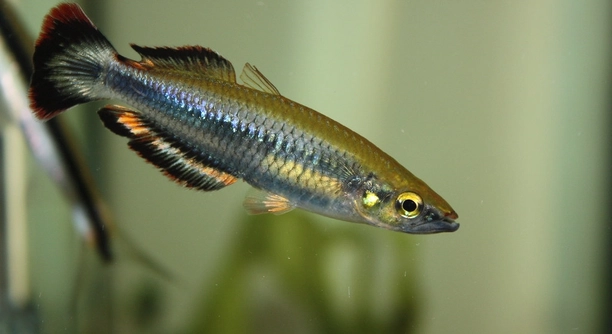
Moving can be stressful, especially when it involves delicate pets like rainbowfish. Their vibrant colors and gentle nature make them special companions, but transporting them safely requires careful preparation and attention. Small mistakes can easily harm them.
Handling rainbowfish during a move requires maintaining stable water conditions, minimizing stress, and ensuring secure transport. Using clean, temperature-controlled containers, limiting sudden changes in environment, and preparing proper acclimation procedures are essential to protect their health and wellbeing.
Proper planning and careful execution can make the move smoother for both you and your rainbowfish, helping them adjust safely to a new home.
Preparing Your Rainbowfish for the Move
Before moving your rainbowfish, it’s important to get everything ready. Start by choosing a sturdy, leak-proof container that is large enough for the number of fish you have. Fill it with water from their tank to maintain familiar conditions. Avoid adding too many fish to one container, as overcrowding increases stress. Check the water temperature and keep it stable using a small battery-operated heater or insulating material around the container. Remove decorations and plants from the container to prevent injury during transport. Make sure the lid is secure but allows some air exchange. Feed your rainbowfish lightly a few hours before the move, as a full stomach can cause water quality issues. Double-check that you have spare containers or bags, in case of spills or leaks. Preparing these essentials ahead of time ensures your fish stay healthy and calm throughout the process.
Transporting them carefully reduces stress and keeps them safe during the move.
Acclimating rainbowfish properly helps them adjust quickly to their new environment. Once you arrive, slowly introduce them to the tank, gradually mixing old water with new. Monitor their behavior for signs of stress, such as rapid gill movement or hiding. Maintain stable lighting and temperature during the first few days, and avoid sudden changes. Providing a calm environment with minimal handling will encourage them to settle in naturally.
Transport Techniques for Rainbowfish
Use secure containers to prevent leaks and temperature shifts during transit.
During the move, keep containers stable and away from direct sunlight or extreme temperatures. Avoid shaking or tilting containers, as this can stress the fish and damage their delicate fins. If using plastic bags, double-bag them with an air layer for cushioning. Keep the transport time as short as possible. Monitor the water periodically for temperature changes and adjust insulation as needed. Upon arrival, place containers in a quiet area and let them settle for a short time before opening. Gradually acclimate the rainbowfish to the new tank by mixing tank water into the transport water over several hours. Adding water conditioners can help reduce stress and protect their immune system. Maintaining a calm, controlled environment throughout the move ensures the fish remain healthy and adapt more easily. Small, careful steps make a big difference in minimizing stress and promoting wellbeing during transportation.
Minimizing Stress During the Move
Keeping the fish calm is crucial. Limit movement, avoid loud noises, and handle containers gently. Sudden changes can shock them and affect their health.
Stress can harm rainbowfish, causing weakened immunity or unusual behavior. To reduce stress, transport them in a quiet, temperature-stable environment. Keep containers covered to prevent light fluctuations, and avoid frequent checking or opening during transit. Provide familiar water from their original tank and limit overcrowding. Soft padding under containers can prevent jostling and sudden bumps. Feeding should be minimal before moving to avoid waste buildup. Small steps like these protect their health and help them stay calm throughout the move.
After arriving, avoid rushing their acclimation. Gradually introduce new tank water, monitor for signs of stress, and maintain stable lighting and temperature. Keep interactions minimal until they settle. Observing their behavior helps ensure a smooth adjustment.
Acclimating Rainbowfish to the New Tank
Acclimation reduces shock. Slowly mixing transport water with tank water over a few hours helps them adjust.
Start by floating the transport container in the new tank to equalize temperature. Every 15–20 minutes, add small amounts of tank water to the container, gradually introducing them to their new environment. Avoid sudden changes in pH, temperature, or salinity. Keep lights dimmed to prevent additional stress, and allow the fish to explore at their own pace. Remove the container once most water has been exchanged, and monitor for unusual behavior. Feeding should resume lightly after a few hours. Regular observation ensures they are settling properly and remaining healthy.
Post-acclimation care is essential. Continue monitoring water parameters for at least a week to detect any changes caused by the new setup. Check temperature, pH, and ammonia levels frequently, and adjust as needed. Keep decorations and hiding spots in familiar positions to provide comfort. Limit disturbances and avoid introducing other fish immediately. A calm, stable environment encourages natural behavior and reduces stress-related illnesses. Regular, gentle care helps rainbowfish thrive and makes the transition smoother for both the fish and the caretaker.
Choosing the Right Transport Container
A sturdy, leak-proof container keeps rainbowfish safe during transport. Make sure it is large enough to prevent overcrowding and allows room for air.
Containers should be insulated to maintain temperature. Avoid glass if the move involves jostling, and secure lids tightly to prevent spills.
Maintaining Water Quality During the Move
Water quality is critical. Use water from their original tank to preserve familiar conditions and reduce stress. Avoid overfeeding before transport to prevent waste buildup. Adding a small amount of water conditioner can help neutralize chlorine and other chemicals. Keep the water temperature stable using insulation or a small heater, especially during long moves. Monitor for changes in clarity or unusual smells, and be ready to adjust if needed. Clean containers beforehand, but avoid strong soaps or detergents, as residues can harm the fish. Maintaining stable water quality ensures their health and reduces stress during transit.
Monitoring Behavior After the Move
Watch for signs of stress, such as hiding, rapid gill movement, or loss of appetite. Early observation helps address issues quickly.
FAQ
How long can rainbowfish stay in transport water?
Rainbowfish can generally stay in transport water for up to 6–8 hours if the container is stable and the temperature is maintained. Longer periods increase stress and risk of oxygen depletion. For extended moves, adding an air stone or using oxygenated bags can help.
Should I feed my rainbowfish before moving?
It’s best to feed them lightly a few hours before the move or skip feeding altogether. Full stomachs can produce waste that reduces water quality, which adds stress during transport. Small snacks after acclimation are safer once the fish are settled.
Can I move rainbowfish in a plastic bag?
Yes, using a double-layered plastic bag with water and air is common. Make sure the bag is sturdy and tied securely. Place it in a padded box or cooler to prevent jostling. Avoid extreme temperatures and direct sunlight during transit.
How do I prevent temperature changes during the move?
Use insulated containers, towels, or small coolers to maintain water temperature. For longer trips, consider battery-powered heaters or portable heat packs, ensuring they do not overheat. Keep the container away from windows or air vents that cause sudden temperature shifts.
What should I do immediately after arriving at the new home?
Float the transport container in the new tank to equalize temperature. Gradually mix tank water with the transport water over 1–2 hours. Observe the fish for stress signs and avoid feeding until they appear comfortable and active. Keep lights dimmed to reduce shock.
How do I handle multiple rainbowfish?
Avoid overcrowding. Use separate containers if needed, keeping group sizes small. Too many fish in one container increases stress and risk of injury. During acclimation, monitor all fish closely, as some may react differently to the new environment.
Are decorations and plants necessary during the move?
Remove decorations and plants from transport containers. They can shift and injure fish during transit. Once the fish are settled, you can reintroduce familiar decorations and hiding spots to help them feel secure in the new tank.
How do I know if my rainbowfish is stressed?
Signs include rapid gill movement, hiding, clamped fins, or loss of appetite. Minor stress is normal, but prolonged signs indicate environmental or water issues. Adjust temperature, reduce light, and avoid handling until they calm down.
Can I use water from a tap for acclimation?
Only if it is treated with a water conditioner to remove chlorine or chloramines. Sudden exposure to untreated tap water can damage their gills and cause shock. Using water from the original tank is safest during acclimation.
How long does it take rainbowfish to adjust to a new tank?
Adjustment usually takes a few hours to a few days. Behavior like normal swimming, feeding, and interacting with tank mates indicates they are settling. Continue monitoring water quality and avoid sudden changes to speed up adaptation.
What if the rainbowfish refuses to eat after moving?
This is common due to stress. Offer small amounts of familiar food and wait patiently. If they do not eat for more than two days or show other health issues, check water parameters and consult a vet if needed.
Can I move rainbowfish with other fish species?
It’s best to move rainbowfish separately or with compatible, calm species. Aggressive or territorial fish can increase stress and risk of injury during transport. After acclimation, reintroduce tank mates gradually while monitoring behavior.
How do I reduce overall stress during a move?
Keep the environment quiet, stable, and shaded. Limit handling, maintain water temperature, and avoid overfeeding. Gradual acclimation and careful monitoring after arrival ensure the fish remain healthy and adjust more quickly to the new tank.
Is it necessary to check water parameters after moving?
Yes, monitoring temperature, pH, ammonia, and other levels for at least a week is important. Sudden changes in water chemistry can cause stress or illness. Adjust gradually and maintain a calm environment to help rainbowfish recover fully.
Can I transport rainbowfish during extreme weather?
Avoid moving them in very hot or cold conditions. Temperature fluctuations increase stress and risk of illness. Use insulated containers, and consider rescheduling the move if extreme weather cannot be avoided. Stable, moderate conditions are safest for their health.
What supplies should I have ready for a rainbowfish move?
Prepare sturdy containers, water conditioners, insulated boxes, padding, transport bags, and a thermometer. Having these ready minimizes delays and reduces stress. Proper planning ensures both the fish and caretaker remain calm and safe throughout the move.
Final Thoughts
Moving rainbowfish requires careful planning and attention to detail. These delicate fish are sensitive to changes in their environment, and even small mistakes can lead to stress or health problems. The first step is to prepare a proper transport container that is secure, leak-proof, and appropriately sized. Using water from their original tank helps maintain familiar conditions, which reduces the shock of relocation. Temperature stability is also important. Whether the move is short or long, keeping water at a consistent temperature ensures the rainbowfish remain calm and healthy. Small measures like covering the container to reduce light exposure and cushioning it to prevent jostling can make a noticeable difference in keeping the fish safe. Taking the time to organize these elements ahead of time sets a strong foundation for a smooth move.
Acclimation at the new tank is just as important as preparation before the move. Rainbowfish need time to adjust to new water, light, and surroundings. Floating the transport container in the new tank and slowly mixing tank water over an hour or two helps them adapt gradually. This prevents temperature or chemical shocks that could otherwise harm them. Observing the fish for stress signals like clamped fins, rapid gill movement, or hiding is essential. Adjustments, such as dimming the lights or providing hiding spots, allow the fish to feel secure while settling in. Feeding should be resumed lightly and only when they appear comfortable. Continuing to monitor water quality and environmental conditions during the first few days ensures that the rainbowfish remain healthy and recover from any stress caused by the move.
Overall, patience and careful attention are key to moving rainbowfish successfully. Avoid rushing the process, limit handling, and maintain calm surroundings. Every step, from choosing the right container to monitoring behavior after acclimation, contributes to the fish’s wellbeing. Even seemingly minor details, like preventing overcrowding or maintaining stable water chemistry, can have a large impact on their stress levels and overall health. By preparing thoroughly, transporting carefully, and managing the post-move environment thoughtfully, rainbowfish can adapt to their new home without major issues. With consistent observation and gentle care, they will soon resume normal behavior and continue to thrive in their new tank, showcasing their vibrant colors and active personalities. Proper planning and execution ensure that both the fish and the caretaker experience a smooth, low-stress transition.

Hello,
If you enjoy the content that we create, please consider saying a "Thank You!" by leaving a tip.
Every little bit helps us continue crafting quality advice that supports the health, happiness, and well-being of pets around the world, for pets of all shapes, sizes, and species.
We really appreciate the kindness and support that you show us!