
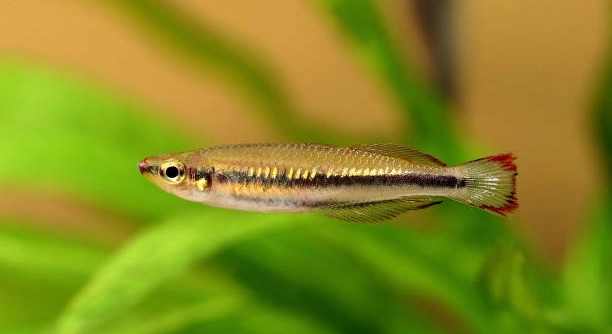
Rainbowfish are colorful, active fish that brighten any freshwater aquarium. Observing their behavior can help owners create the best environment for them to feel comfortable and thrive in their tank space naturally.
Rainbowfish generally prefer the middle to upper levels of the aquarium. They are naturally schooling fish that feel safer swimming in open water, where they can interact with others and easily access light and oxygen near the surface.
Learning about their preferred space can improve their well-being and make your aquarium a more harmonious home for these lively fish.
Understanding Rainbowfish Behavior
Rainbowfish are very active swimmers and spend most of their time in schools. Their social behavior affects where they feel most comfortable in the tank. These fish often prefer the upper and middle layers because these areas provide better access to light, oxygen, and space to move freely. In the lower parts of the tank, they may feel restricted and less visible, which can cause stress. Providing plants, rocks, and open swimming areas in the middle and upper sections allows rainbowfish to exhibit natural behaviors. Observing their patterns over time can help determine their preferred zones. Temperature and water quality also influence where they spend time. Warmer water at the top encourages swimming near the surface, while hiding spots lower down offer security when needed. Understanding these patterns helps maintain a healthy and balanced tank environment, promoting their natural coloration and activity. Proper tank setup encourages both comfort and social interaction among the fish.
Rainbowfish prefer middle to top areas because it aligns with their schooling habits and need for light and oxygen.
Creating a tank that balances open swimming areas with some hiding spots ensures the fish feel safe while enjoying ample space to swim. This setup reduces stress, improves color display, and supports overall health. By observing where the fish spend most of their time, you can adjust decorations and plants to suit their natural behavior. Proper lighting, water flow, and plant placement all contribute to maintaining a comfortable environment that mimics their natural habitat. Regular monitoring allows you to notice any changes in swimming patterns, which can indicate health or environmental issues. Prioritizing middle and upper tank levels while offering shaded or sheltered areas provides the best combination for active schooling and occasional retreat.
Tank Setup Tips for Rainbowfish
Proper tank setup is crucial for rainbowfish comfort and health.
A spacious aquarium with open swimming areas and scattered plants encourages natural behavior and reduces stress.
Choosing the right tank size and layout is essential. Rainbowfish need at least 20 gallons for a small school, with longer tanks preferred to allow horizontal swimming. Plants should be arranged to offer cover without obstructing open areas, and floating plants can provide shade near the surface. Water temperature should be maintained around 74–78°F, and regular filtration ensures clean, oxygen-rich water. Bright lighting highlights their colors and supports plant growth, but avoid direct, harsh light that may stress the fish. Adding rocks or driftwood creates additional points of interest and minor hiding areas. Monitoring behavior helps adjust placement of decorations, ensuring fish use all tank levels naturally. A balanced setup enhances swimming activity, encourages healthy interactions, and maintains vibrant coloration. Careful observation combined with thoughtful tank arrangement supports their well-being and overall enjoyment of the aquarium.
Feeding and Nutrition
Rainbowfish feed mostly at the top and middle of the tank, where floating and mid-water foods are easiest to reach. Providing small, frequent feedings helps maintain energy levels and prevents competition among the school.
A balanced diet is essential for rainbowfish health and vibrant coloration. High-quality flake or pellet foods that float or slowly sink work well, allowing the fish to feed comfortably in their preferred areas. Supplementing with live or frozen foods like brine shrimp, daphnia, or bloodworms provides protein and encourages natural hunting behavior. Variety in diet supports growth, immune function, and bright coloration, making the fish more active and visually appealing. Feeding should be measured to avoid overfeeding, which can pollute the tank and stress the fish.
Observing their feeding behavior helps adjust both food type and placement. Rainbowfish tend to nibble throughout the day rather than eat all at once. Rotating food types and occasionally offering live treats encourages natural activity and reduces boredom. Monitoring leftover food prevents water quality issues, while maintaining their preferred feeding levels ensures all members of the school get adequate nutrition. This approach supports long-term health, coloration, and natural schooling dynamics.
Tank Companions
Rainbowfish do well with other peaceful, mid- to top-dwelling species that do not compete aggressively for food or space.
Choosing compatible tank mates ensures a calm environment and allows rainbowfish to maintain their usual swimming patterns without stress or dominance issues.
Ideal companions include small tetras, danios, rasboras, and peaceful gouramis, which share similar water preferences and swimming levels. Avoid aggressive or bottom-dwelling species that may disrupt the rainbowfish school or outcompete them for food. Keeping a consistent school size of at least six rainbowfish promotes natural social behavior and reduces anxiety. Observing interactions between species can help identify stress signs or territorial disputes. Providing adequate swimming space, plants, and hiding spots ensures all species coexist comfortably. Well-planned tank communities enhance activity, reduce aggression, and support healthy coloration in rainbowfish. Proper monitoring and adjustments maintain harmony over time.
Water Conditions
Maintaining stable water conditions is essential for rainbowfish well-being. They thrive in clean, well-filtered water with consistent temperature, pH, and hardness levels that match their natural habitat. Regular testing prevents sudden changes that can stress the fish.
Oxygen levels should be sufficient, especially in the upper and middle tank areas where rainbowfish spend most of their time. Gentle water flow encourages swimming without causing fatigue, and partial water changes help maintain clarity and reduce toxins. Avoid overcrowding, as this can decrease oxygen availability and increase waste buildup. A consistent maintenance routine ensures rainbowfish remain healthy, active, and colorful.
Lighting and Environment
Rainbowfish need moderate lighting that supports their natural activity patterns and plant growth without causing stress. Bright, direct light should be avoided to maintain comfort.
Providing a mix of open swimming areas and shaded regions helps the fish feel secure while remaining active. Plants, rocks, and floating elements give depth and interest.
Schooling Behavior
Rainbowfish exhibit strong schooling behavior, preferring to swim in groups for safety and social interaction. Swimming together in open areas reduces stress and encourages natural activity.
Proper schooling requires a minimum of six fish, allowing them to move cohesively. Observing their formation and interactions helps ensure all members are healthy and comfortable in their preferred tank space.
FAQ
Do rainbowfish need a heater in their tank?
Yes, rainbowfish thrive in stable temperatures between 74–78°F. A heater ensures the water stays consistent, especially in cooler climates. Sudden drops in temperature can stress the fish, affecting appetite, activity, and coloration. Maintaining warmth supports their immune system and natural behavior.
How many rainbowfish should I keep together?
Rainbowfish are schooling fish and feel most secure in groups of six or more. Smaller groups may become shy or stressed, while larger schools display more natural swimming patterns and vibrant colors. Observing their interactions helps determine if the group size is appropriate.
Can rainbowfish live with other species?
Yes, rainbowfish do well with peaceful, mid- to top-dwelling species that share similar water conditions. Avoid aggressive fish or those that occupy the same swimming zones aggressively. Ideal companions include tetras, rasboras, danios, and some gouramis. Proper selection reduces stress and ensures harmony.
Do rainbowfish eat live food?
Rainbowfish benefit from live food such as brine shrimp, daphnia, or bloodworms. These foods encourage natural hunting behaviors and provide protein for growth and vibrant coloration. Live food can be given occasionally along with a balanced pellet or flake diet for optimal nutrition.
How often should I feed rainbowfish?
Feeding small amounts two to three times a day is ideal. They prefer nibbling throughout the day rather than one large feeding. This prevents overfeeding, reduces water pollution, and ensures all fish in the school get adequate nutrition.
What is the best tank size for rainbowfish?
A minimum of 20 gallons is recommended for a small school, with longer tanks preferred for horizontal swimming. More space allows schooling behavior and reduces stress, while proper decorations and plants create a balanced environment.
Do rainbowfish prefer top, middle, or bottom tank areas?
Rainbowfish mostly occupy the middle to upper layers of the tank. These areas provide better light, oxygen, and space to swim while allowing them to interact with other fish in their school. Lower tank areas are used occasionally for hiding.
How do I prevent disease in rainbowfish?
Regular water changes, stable temperatures, and proper filtration are essential. Avoid overcrowding and monitor water parameters frequently. Quarantining new fish before adding them to the main tank reduces the risk of introducing pathogens. Healthy diets also strengthen immunity.
Can rainbowfish live in a planted tank?
Yes, planted tanks are ideal as they offer shelter, shade, and natural boundaries without restricting swimming space. Plants enhance water quality and create a more natural environment that supports schooling behavior and reduces stress.
How long do rainbowfish live?
With proper care, rainbowfish can live 5–8 years. Maintaining stable water conditions, providing a balanced diet, and preventing stress from aggressive tank mates contributes to a long, healthy life. Regular observation ensures early detection of health issues.
Is it necessary to provide floating plants?
Floating plants are helpful because they offer shade and comfort for rainbowfish, particularly near the surface. They mimic natural environments, reducing stress and encouraging natural swimming behavior, while still leaving open areas for activity.
How can I tell if my rainbowfish are stressed?
Signs of stress include clamped fins, hiding frequently, loss of color, or erratic swimming. Stress can result from poor water conditions, aggressive tank mates, or inadequate space. Addressing the cause quickly restores comfort and natural behavior.
Do rainbowfish need strong water flow?
Rainbowfish prefer gentle water flow that encourages swimming without causing fatigue. Strong currents can stress them and disrupt schooling behavior. Proper filtration that creates light movement is ideal, supporting oxygenation and circulation.
What type of substrate is best for rainbowfish?
Smooth gravel or sand works best. Avoid sharp or rough substrates that can injure fins. Substrate should complement decorations and plants while allowing open swimming areas in the middle and upper tank regions.
How important is tank maintenance for rainbowfish?
Consistent maintenance is crucial. Weekly water changes, filter cleaning, and monitoring temperature and water parameters prevent stress and disease. A clean, stable environment promotes activity, healthy coloration, and longer lifespan.
Do rainbowfish breed easily in home aquariums?
Rainbowfish can breed in home tanks if water conditions are stable and a safe environment with plants or spawning mops is provided. Keeping a healthy, compatible school increases the likelihood of successful breeding.
Can I keep different types of rainbowfish together?
Yes, different species can coexist if they have similar water requirements and temperaments. Monitor interactions to prevent stress or dominance issues, and ensure there is enough space for all species to swim comfortably.
Are rainbowfish sensitive to sudden changes?
Rainbowfish are sensitive to sudden changes in temperature, pH, or water chemistry. Gradual adjustments are necessary to avoid stress, loss of appetite, or illness. Stability in tank conditions supports health and vibrant coloration.
How often should I check water parameters?
Testing temperature, pH, ammonia, nitrite, and nitrate levels at least once a week is recommended. Consistent monitoring prevents conditions that could stress the fish or cause illness, ensuring a healthy environment for the school.
Do rainbowfish need special lighting to show colors?
Moderate lighting enhances their natural colors and supports plant growth. Avoid direct, harsh lighting that can stress the fish. Balanced light levels highlight vibrancy while maintaining comfort and normal activity patterns.
Can rainbowfish tolerate community tanks?
Yes, rainbowfish are peaceful and thrive in community tanks with compatible species. Proper planning of swimming levels, space, and diet ensures a calm, harmonious environment. Overcrowding or aggressive species should be avoided.
What are the most common signs of illness in rainbowfish?
Loss of color, clamped fins, unusual swimming, or lack of appetite often indicate illness. Promptly addressing water quality, diet, and potential infections helps prevent serious health issues and supports recovery.
Do rainbowfish need a lot of decorations?
Moderate decorations like plants, rocks, and driftwood are enough. They provide hiding spots without limiting swimming space in middle and upper tank layers. Balance is key to comfort and natural behavior.
Is water hardness important for rainbowfish?
Yes, rainbowfish prefer slightly hard water. Maintaining the proper hardness supports overall health, coloration, and activity levels. Sudden changes can lead to stress or illness.
How do I acclimate rainbowfish to a new tank?
Introduce them slowly using the drip or floating bag method to equalize temperature and water chemistry. Gradual acclimation reduces stress and prevents shock, helping them settle comfortably into the new environment.
Do rainbowfish need a lid on the tank?
A secure lid is recommended, as rainbowfish are active swimmers and may jump. A lid also helps maintain stable water temperature and prevents accidental escapes.
Can rainbowfish live in cooler water?
They tolerate slightly cooler temperatures briefly but prolonged exposure below 72°F can reduce activity, weaken immunity, and increase stress. Stable, warm conditions are necessary for health and longevity.
Are rainbowfish schooling behavior important for their health?
Yes, schooling reduces stress, encourages natural swimming patterns, and promotes social interaction. Isolated fish often display anxiety, reduced activity, and dull coloration. Maintaining groups of at least six supports well-being and happiness in the aquarium.
What type of filter is best for rainbowfish?
A gentle filter that provides good water circulation without creating strong currents is ideal. Sponge or canister filters work well, keeping water clean while preserving oxygen levels and natural swimming behavior.
Can rainbowfish live with bottom dwellers like corydoras?
Yes, bottom dwellers are compatible as they occupy different tank levels. They do not compete aggressively for space or food, making them suitable companions in a well-planned community tank.
How do I encourage rainbowfish to breed?
Maintain stable, clean water, provide plenty of plants or spawning mops, and ensure a balanced diet. Healthy, stress-free fish are more likely to display natural breeding behavior. Regular observation of interactions helps identify readiness.
Do rainbowfish need a strong diet to maintain color?
Yes, a varied diet rich in protein and carotenoids enhances natural coloration. Combining flake or pellet foods with occasional live or frozen foods ensures vibrancy and overall health.
Can rainbowfish adapt to slightly different water conditions?
They can adapt gradually if changes are minor and slow. Sudden shifts in pH, temperature, or hardness can stress the fish, so gradual adjustments are essential for long-term well-being.
Is tank size more important than decorations?
Yes, space for swimming and schooling behavior is a higher priority. Decorations should provide shelter but not restrict movement in middle and upper levels. Adequate room supports natural activity, reduces stress, and promotes health.
Do rainbowfish show signs of social hierarchy?
Mild social hierarchy may appear, with dominant fish swimming at the center of the school. This behavior is natural and rarely causes stress if the school size is sufficient and space is ample.
Can rainbowfish live in a nano tank?
Nano tanks are generally too small for rainbowfish. Limited space restricts swimming, increases stress, and reduces schooling behavior. A minimum of 20 gallons is recommended for a small group.
How often should I change water for rainbowfish?
Weekly partial water changes of 20–30% maintain water quality, reduce toxins, and support overall health. Consistent maintenance prevents stress and keeps the tank environment stable.
Do rainbowfish need special care in winter?
Yes, ensure heaters maintain stable temperatures and monitor oxygen levels. Sudden cold or low oxygen can stress fish. Avoid abrupt changes and continue regular maintenance even in cooler months.
Are rainbowfish compatible with shrimp or snails?
Yes, peaceful shrimp and snails can coexist without conflict. They occupy different niches, clean the tank naturally, and do not interfere with rainbowfish swimming behavior.
Can rainbowfish live alone?
No, rainbowfish are social and need a school to thrive. Solitary fish often become shy, stressed, and less colorful. Proper group size is essential for well-being and natural behavior.
Do rainbowfish need regular observation?
Yes, monitoring behavior, appetite, and color helps detect stress or illness early. Regular observation allows timely adjustments to diet, tank conditions, or companions, ensuring health and happiness.
Can rainbowfish adapt to community tank changes?
Yes, if changes are gradual. Sudden additions of aggressive fish or environmental shifts can stress the school. Proper planning ensures smooth integration and minimal disruption.
How important is oxygenation in a rainbowfish tank?
Oxygen-rich water is vital, particularly in middle and upper layers where they swim most. Proper filtration, gentle flow, and occasional surface agitation maintain oxygen levels for health and activity.
Do rainbowfish require special water conditioners?
Basic conditioners that remove chlorine and chloramines are sufficient. Some may benefit from added minerals to maintain hardness and pH suitable for the species. Overuse of chemicals is unnecessary and can stress fish.
How do I know if my rainbowfish are happy?
Active swimming, vibrant coloration, schooling behavior, and regular feeding indicate comfort and health. Calm interactions with tank mates and exploration of all tank levels also signal well-being.
Can rainbowfish tolerate slightly higher temperatures?
They can tolerate mild increases temporarily but prolonged exposure above 80°F can cause stress, reduced appetite, and health issues. Stable, moderate temperatures are safest for long-term care.
Do rainbowfish need a quarantine tank?
Yes, quarantining new fish prevents introducing diseases or parasites. A separate tank for observation allows safe acclimation and ensures the main tank remains healthy.
Are rainbowfish sensitive to light cycles?
Yes, maintaining consistent light and dark periods supports natural activity, coloration, and feeding patterns. Abrupt changes in lighting can stress the fish and disrupt normal behavior.
How do I manage aggression in rainbowfish?
Aggression is uncommon but can occur in small or stressed schools. Ensure adequate space, proper group size, and compatible tank mates to minimize conflict. Providing hiding spots helps diffuse tension.
Can rainbowfish live with bettas?
It depends on the betta’s temperament. Peaceful individuals may coexist, but aggressive bettas can stress rainbowfish. Observation and sufficient space are crucial for compatibility.
Do rainbowfish recognize tank mates?
Yes, they form social bonds within the school and recognize familiar fish. This reduces stress and encourages cohesive swimming patterns.
How can I encourage active swimming in rainbowfish?
Provide open areas in the middle and upper tank layers, gentle water flow, and regular interaction with floating or mid-water food. Balanced decorations encourage movement without restricting space.
Are rainbowfish sensitive to sudden noise or vibration?
Yes, loud noise or strong vibrations can startle them, causing erratic swimming or hiding. Minimizing disturbances maintains comfort and reduces stress.
Do rainbowfish need a specific pH range?
Yes, they prefer slightly alkaline water around 7.0–8.0. Stable pH supports health, coloration, and natural behavior. Sudden changes can be harmful.
Can rainbowfish live in tap water?
Yes, if treated with a conditioner to remove chlorine and chloramines. Testing for hardness and pH ensures suitability. Regular monitoring maintains a safe environment for long-term health.
Do rainbowfish need frequent tank rearrangement?
No, stability is preferred. Sudden changes can stress the fish. Occasional adjustments are fine if done gradually, maintaining familiar swimming routes and hiding areas.
Can rainbowfish live in planted tanks with floating plants?
Yes, floating plants provide shade, security, and mimic natural habitats. Ensure open swimming areas remain in the middle and upper layers for schooling behavior.
Are rainbowfish affected by tank mates that occupy lower levels?
No, bottom dwellers like corydoras or small catfish generally coexist peacefully. They occupy different layers, reducing competition and stress for rainbowfish.
How do I identify a healthy rainbowfish?
Bright coloration, active schooling, consistent feeding, and smooth fins indicate health. Observing behavior over time helps detect changes early.
Do rainbowfish need any supplements?
Occasional vitamins or color-enhancing foods can be beneficial but are not mandatory with a balanced diet. Overuse can harm water quality and stress fish.
Can rainbowfish jump out of the tank?
Yes, they are active swimmers. A secure lid prevents escape and helps maintain stable water conditions.
Do rainbowfish respond to human presence?
They may recognize movement near the tank and become more active during feeding. This behavior is part of their curiosity and schooling interaction.
Is water flow important for rainbowfish health?
Yes, gentle circulation improves oxygenation and encourages natural swimming patterns without causing stress or fatigue.
Can rainbowfish live in soft water?
They tolerate slightly soft water but prefer moderate hardness. Maintaining consistent conditions ensures comfort and health.
Do rainbowfish need regular tank cleaning?
Yes, removing waste, uneaten food, and debris maintains water quality, reduces stress, and prevents disease. Consistent cleaning supports health and activity.
How long does it take for rainbowfish to acclimate to a new tank?
Acclimation can take a few days to a week. Gradual introduction and stable conditions help reduce stress and encourage normal swimming and feeding behavior.
Do rainbowfish sleep?
Yes, they rest near the middle or upper layers at night, often staying in schools for security. Sleep patterns are subtle but essential for health.
Can rainbowfish tolerate slight pH fluctuations?
Minor, gradual changes are manageable, but sudden shifts can cause stress and illness. Consistency is key for long-term health.
Do rainbowfish need regular observation for behavior changes?
Yes, monitoring swimming patterns, coloration, and feeding helps identify stress, illness, or environmental issues early, ensuring timely intervention and care.
Can rainbowfish live in tanks with strong currents?
Strong currents can stress them and disrupt schooling. Gentle flow is ideal, supporting swimming without causing fatigue or injury.
Do rainbowfish prefer calm or active tanks?
They thrive in calm tanks with gentle water movement, enough space to swim, and minimal aggressive competition for food or territory.
Are rainbowfish social with humans?
They may recognize routine feeding and movements near the tank but do not form strong attachments. Their social behavior is mainly focused on their school.
Can rainbowfish tolerate slightly acidic water?
Slight acidity is manageable temporarily, but prolonged low pH can stress the fish. Stable, near-neutral to slightly alkaline water is preferred.
Do rainbowfish need a high-protein diet?
Yes, protein supports growth, coloration, and overall health. Combining flakes, pellets, and occasional live foods provides sufficient nutrition.
Can rainbowfish live with fast-swimming fish?
Yes, as long as space is sufficient and food is accessible. Ensure no aggressive competition for territory or schooling disruption occurs.
How do I know if rainbowfish are comfortable in my tank?
Active swimming, schooling behavior, vibrant coloration, and regular feeding indicate comfort and proper tank conditions.
Do rainbowfish need consistent water temperature year-round?
Yes, stable temperatures prevent stress and support health, activity, and coloration. Sudden drops or spikes should be avoided.
Can rainbowfish tolerate slight changes in lighting?
Minor adjustments are acceptable if gradual. Sudden, intense light changes can cause stress or hide behavior.
How can I tell if rainbowfish are stressed?
Hiding, clamped fins, loss of color, and erratic swimming indicate stress. Identifying and correcting environmental issues restores comfort and natural behavior.
Do rainbowfish need vertical swimming space?
Yes, access to upper and middle layers is essential for schooling, feeding, and natural behavior. Limited vertical space can cause stress.
Are rainbowfish affected by tank decorations?
Yes, decorations should provide shelter and visual interest without restricting open swimming space in preferred tank areas.
Do rainbowfish need a specific light cycle?
Yes, 10–12 hours of light followed by darkness maintains activity patterns, coloration, and plant growth, reducing stress and supporting overall health.
Can rainbowfish live in tanks with other schooling fish?
Yes, compatible schooling species in similar layers promote harmonious behavior, shared activity, and minimal aggression. Proper space is essential for comfort.
Do rainbowfish need special care when introducing new fish?
Yes, gradual acclimation and monitoring ensure compatibility, reduce stress, and prevent disease transmission in the main tank.
How often should I trim plants in a rainbowfish tank?
Trim regularly to prevent overgrowth in swimming areas. Balanced plant placement supports natural movement and comfort without restricting middle and upper tank layers.
Can rainbowfish live in tanks with uneven temperatures?
No, fluctuations cause stress, reduced appetite, and weakened immunity. Stable, moderate temperatures are critical for long-term health and activity.
Do rainbowfish need a calm feeding environment?
Yes, calm conditions during feeding reduce stress and ensure all fish in the school get adequate nutrition. Avoid competition from aggressive species.
**Are rainbowfish affected by
Rainbowfish are lively, colorful fish that add activity and charm to any aquarium. They are naturally social and thrive in groups, preferring to swim in the middle and upper layers of the tank. This behavior is influenced by their need for light, oxygen, and open space for schooling. Observing where they spend most of their time can help create a comfortable environment that encourages natural activity. Proper tank setup, including open swimming areas, moderate lighting, and gentle water flow, supports their well-being and allows them to display vibrant colors. Providing hiding spots with plants or decorations also helps the fish feel secure without restricting their movement.
Feeding and nutrition play an important role in maintaining the health of rainbowfish. A balanced diet with floating or mid-water flakes or pellets, supplemented occasionally with live or frozen foods, ensures proper protein intake and supports coloration. Feeding small amounts multiple times a day prevents overfeeding and reduces waste buildup in the tank. Observing how the fish feed can help determine if all members of the school are eating adequately and allow adjustments to food type or placement. Maintaining water quality through regular testing and partial water changes is equally important, as stable conditions help prevent stress, disease, and behavioral issues. Gentle filtration, proper temperature, and oxygenation contribute to a healthy environment where rainbowfish can thrive for many years.
Tank mates and social dynamics also influence the happiness of rainbowfish. They do best with peaceful, mid- to top-dwelling species that do not compete aggressively for food or swimming space. Keeping at least six rainbowfish together allows them to exhibit natural schooling behavior, which reduces stress and encourages active swimming. Observing their interactions and adjusting the tank setup when needed helps maintain harmony and prevents dominance issues. Decorations, floating plants, and moderate hiding spots provide variety and security, allowing the fish to explore different levels while still feeling safe. Understanding these aspects and providing proper care, including stable water parameters, regular maintenance, and a balanced diet, ensures that rainbowfish remain healthy, active, and visually striking in the aquarium. With careful attention to their preferences and natural behavior, they can thrive and become a rewarding addition to any freshwater tank.

Hello,
If you enjoy the content that we create, please consider saying a "Thank You!" by leaving a tip.
Every little bit helps us continue crafting quality advice that supports the health, happiness, and well-being of pets around the world, for pets of all shapes, sizes, and species.
We really appreciate the kindness and support that you show us!