
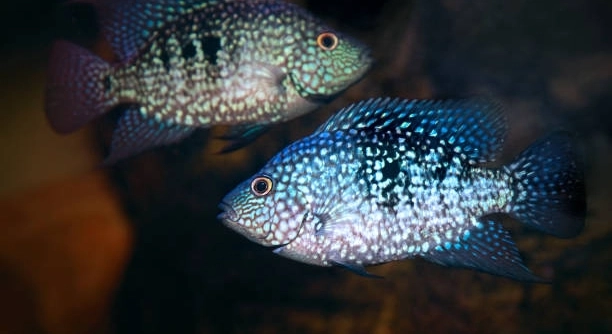
Jack Dempsey fish are known for their striking colors and bold personalities. Keeping them in a community tank can be rewarding, but their territorial instincts sometimes lead to aggressive behavior, which can be stressful for both fish and owners.
The most effective way to manage Jack Dempsey aggression is by carefully structuring their tank environment. Providing sufficient space, hiding spots, and monitoring tank mates reduces territorial disputes. Consistent observation and timely intervention help maintain harmony within the aquarium.
Learning simple strategies to prevent fights can make your tank more peaceful and enjoyable. By adjusting their environment thoughtfully, you can create a balanced space for these lively fish.
Understanding Jack Dempsey Behavior
Jack Dempsey fish are naturally territorial, especially in confined spaces. They establish dominance by chasing or nipping other fish, which can seem aggressive but is part of their instinct. Their behavior is influenced by tank size, decorations, and water conditions. Smaller tanks increase tension, while hiding spots and plants help reduce stress. Recognizing early signs of aggression, such as flaring fins or constant chasing, allows you to intervene before injuries occur. Feeding routines and tank maintenance also affect their mood. Uneaten food can lead to disputes, while clean water promotes calmer behavior. Different fish species react differently to Jack Dempseys, so careful observation is key. Adjusting tank layout and keeping compatible tank mates can minimize conflicts. Understanding these patterns gives owners the ability to manage aggression effectively. Over time, a well-arranged environment encourages healthier interactions, reducing stress for both the fish and the person caring for them.
Aggression is less severe when the tank is spacious and enriched with hiding areas. Proper monitoring is crucial.
Even minor changes to the tank can make a big difference. Moving rocks, adding plants, or rearranging decorations can disrupt established territories temporarily but ultimately reduce long-term fighting. Observing fish interactions allows you to notice which areas trigger conflicts. Some Jack Dempseys respond better to visual barriers, while others need more open swimming space. Feeding strategies also help; spreading food throughout the tank prevents dominant fish from guarding one area. Regular water changes keep the environment healthy, which indirectly reduces stress-induced aggression. Gradually introducing new tank mates gives everyone a chance to adjust without immediate confrontations. The combination of careful observation, environmental adjustments, and consistent maintenance ensures that Jack Dempseys can coexist peacefully, making the aquarium a calmer, more enjoyable space for both the fish and the caretaker.
Tank Setup for Reducing Aggression
Providing a spacious tank is essential to limit fights. Each fish needs room to swim and claim a personal area.
Proper tank setup starts with size. A 55-gallon or larger tank allows Jack Dempseys to establish territories without constant conflict. Decorations like rocks, caves, and plants give them places to hide and retreat, reducing stress. Avoid overcrowding and choose compatible species; smaller, passive fish may become targets. Substrate type and background colors influence mood—darker tones often calm these fish. Water parameters, including temperature and pH, should remain stable to prevent irritability. Creating visual barriers can break line-of-sight confrontations and give shy fish confidence. Lighting also affects behavior; sudden bright lights may trigger defensive reactions. Regular cleaning maintains water quality, further reducing tension. By thoughtfully arranging the tank, owners can create a balanced environment where Jack Dempseys are active but less aggressive. A well-designed setup prevents injuries, supports natural behaviors, and enhances the overall health of all aquarium inhabitants.
Choosing Compatible Tank Mates
Smaller, fast-swimming fish often get bullied, while similarly sized or robust species tend to coexist better. Avoid aggressive or slow-moving fish that cannot escape easily. Observing interactions carefully helps prevent injuries and stress.
Selecting tank mates requires attention to size, temperament, and swimming habits. Jack Dempseys may attack slow or timid fish, so it’s safer to choose active species that can defend themselves or hide quickly. Mid-sized cichlids, catfish, and certain tetras often work well. Introduce new fish gradually and monitor closely, separating individuals if fights become intense. Even compatible fish may quarrel at first, but patience and proper space usually allow harmony to develop.
Feeding routines also influence aggression between tank mates. Providing multiple feeding spots and spreading food reduces competition, preventing dominant fish from monopolizing meals. Consistency in feeding times helps establish predictability, lowering stress. Some fish benefit from sinking pellets, while others prefer floating food, so a mix can satisfy all species. Monitoring behavior during feeding allows immediate intervention if one fish becomes overly aggressive. Adjusting diet, space, and hiding spots together ensures that Jack Dempseys and their companions can thrive without constant conflict, creating a calmer, healthier tank environment.
Monitoring Aggressive Behavior
Regular observation helps catch early signs of stress or injury. Documenting patterns gives insight into triggers and timing.
Aggression in Jack Dempseys can escalate quickly if not addressed. Keep an eye on fin nipping, chasing, or cornering behavior. Note the times of day and areas of the tank where fights occur. Adjusting environment or separating fish temporarily can prevent serious injuries. Using a simple checklist of aggressive behaviors helps track progress and effectiveness of interventions. Consistency in monitoring ensures that subtle changes in behavior are noticed early, maintaining tank harmony and overall fish health.
Environmental adjustments often reduce repeated aggression. Rearranging decorations or adding new hiding places can break established territories and calm dominant fish. Observing interactions after changes shows which areas or items cause stress. In some cases, temporary separation or rehoming may be necessary for persistent aggressors. Keeping water parameters stable, feeding regularly, and providing a balanced diet supports overall calmness. Recording observations helps understand individual fish personalities and predict potential conflicts. By combining environmental management, careful monitoring, and gradual adjustments, aggression becomes more manageable, protecting both Jack Dempseys and their tank mates.
Using Hiding Spots Effectively
Caves, rocks, and plants give Jack Dempseys places to retreat and reduce stress. They provide visual barriers that limit direct confrontations and help shy fish feel safer.
Strategically placing hiding spots throughout the tank prevents dominant fish from controlling all areas. Spread them evenly to allow each fish its own territory.
Feeding Strategies to Reduce Aggression
Feeding multiple spots at once helps prevent competition and fights. Sinking pellets and floating food can reach different levels of the tank, keeping all fish satisfied. A consistent schedule allows fish to anticipate meals and reduces tension caused by sudden hunger.
Temporary Separation
If fighting escalates, separate the aggressive fish temporarily. This prevents injury and gives the tank time to calm down.
Water Maintenance and Quality
Clean, well-oxygenated water supports calmer behavior. Poor water conditions can stress Jack Dempseys and trigger more aggressive actions.
FAQ
How can I tell if my Jack Dempsey is being aggressive?
Aggression in Jack Dempseys is usually clear. Look for chasing, fin nipping, or cornering other fish. Flaring their fins and changing colors to darker shades often indicate stress or territorial behavior. Even if no injuries occur, persistent chasing shows dominance issues that need attention.
Why does my Jack Dempsey attack certain tank mates but not others?
Jack Dempseys are selective about who they see as competition. Smaller, timid, or slow-moving fish are often targeted. Fish of similar size or temperament are usually tolerated. Tank layout and hiding spots can influence these interactions, giving weaker fish a chance to escape.
Can tank size affect aggression?
Yes, tank size is crucial. Smaller tanks increase stress and territorial disputes because fish cannot escape easily. Larger tanks reduce confrontation frequency, give more swimming space, and allow multiple hiding areas. Ideally, a 55-gallon or bigger tank is recommended for one or two Jack Dempseys.
Do hiding spots really help reduce aggression?
Absolutely. Caves, rocks, and dense plants break sight lines, giving fish safe retreats. Properly distributed hiding spots allow multiple fish to claim territories without conflict. Even dominant Jack Dempseys benefit from places to retreat, lowering stress and preventing injuries in the tank.
How should I feed my Jack Dempsey to prevent fights?
Feed in multiple locations and mix sinking and floating foods. This prevents one fish from monopolizing meals. A consistent feeding schedule helps fish anticipate food, reducing stress and competition. Watching mealtime behavior also allows quick intervention if one fish becomes overly aggressive.
Is it okay to mix Jack Dempseys with other cichlids?
It can work if the species are similar in size and temperament. Avoid overly passive or very small fish, as they may be bullied. Mid-sized cichlids often coexist well, but careful observation is needed during introductions to prevent conflicts. Gradual introductions are safest.
What should I do if aggression becomes severe?
Temporary separation is often effective. Using a divider or moving a fish to a separate tank can prevent injury. Adjust decorations and hiding spots before reintroducing the fish. In extreme cases, rehoming may be necessary. Always monitor fish after separation to ensure peaceful reintegration.
Does water quality impact aggression?
Yes, poor water conditions increase stress, which can trigger fights. Keep water clean, well-oxygenated, and within proper temperature and pH ranges. Regular water changes and monitoring reduce stress-induced aggression, helping maintain a calmer environment for Jack Dempseys and their tank mates.
How long does it take for Jack Dempseys to settle down in a new tank?
It depends on the individual fish and tank setup. Some may adjust in a few days, while others take weeks. Providing hiding spots, proper tank mates, and consistent care accelerates adjustment. Monitoring behavior closely during this period is important to prevent injury or excessive stress.
Can rearranging the tank reduce aggression?
Yes, changing decorations and hiding spots can disrupt established territories, giving fish a fresh start. This often reduces conflicts temporarily and allows weaker fish more confidence. Rearranging should be done gradually to prevent additional stress while maintaining adequate hiding areas.
Are Jack Dempseys more aggressive at certain times of day?
Yes, they can be more active and territorial during feeding times or when the lights are first turned on. Observing patterns helps anticipate confrontations. Adjusting feeding strategies or adding visual barriers during these times can reduce aggressive encounters and maintain peace in the tank.
Is it normal for aggression to continue even after tank adjustments?
Some level of aggression is normal. Jack Dempseys are naturally territorial. If fights are frequent or cause injury, further adjustments are needed, including more space, additional hiding spots, or temporary separation. Understanding individual fish personalities helps predict and manage persistent conflicts.
How do I introduce a new fish without causing aggression?
Introduce new fish gradually, preferably using a divider at first. Allow visual contact before physical introduction so the Jack Dempsey can adjust. Ensure sufficient hiding spots and space. Monitor interactions closely and be ready to separate fish if aggression escalates. Gradual introductions reduce the chance of serious conflict.
Can diet affect aggressive behavior?
Yes, hunger can trigger fights. Feeding a balanced diet in sufficient amounts reduces competition. Spread food around the tank and mix pellet types to ensure all fish get proper nutrition. Consistent feeding schedules make fish less likely to act aggressively out of hunger or stress.
Are there any signs that indicate aggression is harming fish health?
Yes, torn fins, missing scales, or constant hiding indicate stress or injury. Lethargy, loss of appetite, or unusual swimming patterns are also warning signs. Immediate intervention, like separating fish or adjusting the tank, is necessary to protect health and prevent permanent harm.
Final Thoughts
Managing Jack Dempsey aggression requires attention, patience, and a willingness to adjust the tank environment. These fish are naturally territorial, and some level of aggression is normal. Understanding their behavior is the first step in creating a peaceful aquarium. Watching how your Jack Dempsey interacts with other fish, noting areas where conflicts occur, and recognizing triggers can help prevent serious injuries. Small changes, like adding hiding spots or rearranging decorations, often have a big impact. Giving each fish space to establish a territory and retreat when needed reduces stress and creates a more balanced environment.
Tank size and layout are key factors in keeping Jack Dempseys calm. Larger tanks with sufficient swimming space allow fish to spread out and reduce direct confrontations. Strategically placed rocks, caves, and plants give shy or smaller fish places to hide, while also allowing dominant fish to claim their own areas without constantly chasing others. Even minor adjustments, like adding a few plants or moving a rock, can disrupt established territories enough to reduce ongoing aggression. Consistent maintenance of water quality and feeding routines supports calmer behavior, as stressed fish are more likely to act aggressively. Paying attention to both environmental and social factors helps prevent long-term conflicts in the aquarium.
Introducing compatible tank mates carefully is another important part of controlling aggression. Choosing fish that are similar in size and temperament, while avoiding small or overly passive species, reduces the risk of bullying. Gradual introductions, using dividers when necessary, allow all fish to adjust and establish boundaries safely. Monitoring interactions, especially during feeding times, ensures that no one fish dominates the tank or becomes injured. Temporary separation or adjustments to the tank layout can be used if aggression escalates. By combining thoughtful tank setup, careful observation, and consistent care, Jack Dempseys and their tank mates can coexist peacefully. A balanced approach creates a healthier environment for the fish and a more enjoyable experience for the person maintaining the aquarium. Over time, these strategies make aggressive behavior more manageable and help maintain a calmer, safer home for all your fish.

Hello,
If you enjoy the content that we create, please consider saying a "Thank You!" by leaving a tip.
Every little bit helps us continue crafting quality advice that supports the health, happiness, and well-being of pets around the world, for pets of all shapes, sizes, and species.
We really appreciate the kindness and support that you show us!