
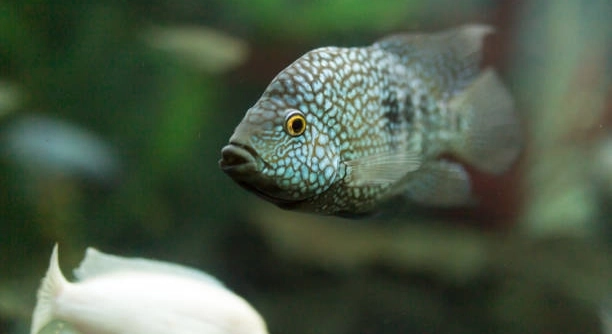
Have you ever wondered how Jack Dempsey fish survive in dark waters without sunlight? These colorful fish are strong and adaptable, able to explore their environment and find food even when light is completely absent.
Jack Dempsey fish navigate in total darkness using their lateral line system, which detects water movement. They also rely on chemical signals and spatial memory to locate food, avoid obstacles, and interact with other fish in low-light conditions.
Learning about these adaptations helps explain their behavior, survival skills, and unique ways of thriving in dim or completely dark aquatic environments.
How Jack Dempsey Fish Sense Their Surroundings
Jack Dempsey fish have developed remarkable ways to understand their environment, even in total darkness. Their lateral line system runs along the sides of their bodies and detects vibrations and movement in the water. This allows them to sense nearby objects, predators, and prey without relying on sight. In addition, these fish use chemical cues in the water to locate food and recognize other fish. Their sense of smell and taste is highly refined, helping them navigate complex areas such as submerged roots, rocks, and plant beds. These adaptations make them highly capable hunters and survivors in low-light or dark habitats. Watching them move through dim waters demonstrates a combination of instinct and sensory perception that seems almost precise. Over time, they learn the layout of their environment and can remember safe paths, feeding spots, and hiding places. This combination of senses keeps them active and alert in darkness.
The lateral line and chemical sensing allow Jack Dempsey fish to move confidently without light. These systems provide continuous information about nearby movement.
These fish also rely on memory and spatial awareness. Once they are familiar with their habitat, they can navigate efficiently, even in areas with strong currents or cluttered environments. Their sensory systems work together to maintain balance, avoid collisions, and detect potential threats, making them surprisingly effective at living in dark waters. Observing these fish shows that their abilities are not just instinctive but also adaptive, allowing them to adjust to new or changing conditions. In combination, these senses ensure survival and support normal behaviors like feeding, mating, and territory defense, highlighting the complexity of aquatic life.
Feeding and Behavior in Darkness
Jack Dempsey fish can find food in complete darkness using their senses of movement and chemical detection.
In darkness, feeding behavior depends heavily on water vibrations and scent trails. These fish can detect the subtle movement of insects, small crustaceans, and other prey, allowing them to strike with accuracy even without visual cues. They often patrol familiar areas repeatedly, relying on memory and recognition of feeding spots. Their social interactions, such as recognizing other fish and defending territory, are also guided by these senses. Darkness does not stop them from maintaining normal daily routines. Feeding efficiency may change slightly if new objects or prey are introduced, but their sensory adaptations minimize errors. These abilities show that Jack Dempsey fish are highly equipped to thrive in low-light environments, and understanding this behavior helps aquarists manage their habitats effectively, ensuring proper nutrition and safety. Over time, fish become even more attuned to their surroundings, demonstrating both instinctive skill and learned behavior in complete darkness.
Nighttime Activity Patterns
Jack Dempsey fish remain active during nighttime, moving carefully through their habitat. They rely on their senses to detect prey and avoid obstacles. Their behavior changes subtly, with slower, more deliberate movements that help them conserve energy while still monitoring their surroundings effectively.
During dark periods, these fish tend to explore familiar zones repeatedly. The lateral line system detects water vibrations, alerting them to nearby activity. Chemical cues guide them to food, and they often patrol feeding areas multiple times to ensure they don’t miss potential prey. Social interactions, such as defending territory or recognizing other fish, continue quietly, with minimal physical confrontation unless provoked. Their movements appear cautious but calculated, showing that sensory input is finely tuned to maintain safety and efficiency. Even in darkness, Jack Dempsey fish demonstrate a clear routine, adjusting behavior to environmental conditions and internal biological rhythms.
Memory plays an important role in nighttime activity. Fish remember obstacle locations, feeding spots, and hiding places, which reduces the risk of collisions and increases feeding efficiency. Their ability to combine sensory input with learned spatial awareness allows them to navigate complex habitats confidently. This combination ensures that survival behaviors, such as avoiding predators or competing for territory, remain effective even when vision is limited. Observing their patterns shows the balance between instinct and experience, emphasizing how well-adapted they are to low-light conditions. Adaptations in movement and alertness also help them conserve energy while remaining responsive to environmental changes, ensuring they thrive in their natural habitat without reliance on light.
Adaptations for Low-Light Survival
Jack Dempsey fish have evolved unique adaptations that support survival in darkness. Their senses and memory allow them to navigate, hunt, and interact effectively without relying on sight, maintaining their well-being and natural behaviors.
These fish rely heavily on their lateral line system, which detects subtle vibrations in the water. Combined with acute chemical sensing, they can locate prey, avoid obstacles, and recognize other fish in their territory. Behavioral adaptations, such as slower movements and repeated patrols, increase efficiency and reduce the risk of accidents. Their memory of the environment supports consistent navigation, feeding, and hiding practices. These adaptations work together to ensure that Jack Dempsey fish can survive, feed, and reproduce even in complete darkness, highlighting the complexity of their sensory and behavioral systems.
Environmental awareness is strengthened through experience. Fish adjust to changes in habitat, learning new paths and safe zones. Over time, their sensory perception becomes more precise, improving hunting accuracy and minimizing energy waste. Low-light adaptations allow them to maintain normal social interactions, such as establishing dominance and defending territory, without relying on visual cues. This combination of instinct, learning, and sensory enhancement ensures that Jack Dempsey fish remain effective predators and resilient residents of their habitats, even under total darkness.
Sensory Strengths
Jack Dempsey fish depend on their lateral line and chemical senses to navigate. These systems detect movement and chemical changes in the water, helping them find food and avoid obstacles even in total darkness. Their senses work together for precise and efficient movement.
These fish also use memory to improve navigation. Familiar paths, feeding spots, and hiding places are remembered, reducing mistakes. This combination of sensory input and learned behavior allows them to move confidently in complex environments without sight.
Feeding Efficiency in Darkness
In dark conditions, Jack Dempsey fish locate prey using vibrations and chemical signals. They patrol known feeding areas, monitoring water movement and scents to detect insects, small crustaceans, and other food sources. Memory helps them revisit productive spots repeatedly, while cautious, deliberate movements increase their chances of success without visual guidance. Their lateral line system detects subtle water disturbances, allowing them to react quickly to prey or potential threats. These behaviors ensure they maintain a consistent food intake, even when light is absent. Over time, fish refine their hunting techniques, combining instinct, experience, and sensory perception for maximum efficiency.
Environmental Adaptation
Jack Dempsey fish adjust their behavior based on habitat complexity. They navigate around obstacles, avoid hazards, and seek shelter efficiently.
FAQ
How do Jack Dempsey fish find their way in complete darkness?
Jack Dempsey fish rely on a combination of their lateral line system, chemical cues, and memory. The lateral line detects vibrations and movement in the water, while chemical signals help identify food, other fish, and territorial boundaries. Memory allows them to remember familiar paths, feeding spots, and hiding places, helping them navigate efficiently without relying on vision.
Can Jack Dempsey fish eat without seeing their food?
Yes. These fish use water vibrations and chemical trails to locate prey such as small crustaceans and insects. They patrol familiar feeding areas, revisiting spots that previously provided food. Their lateral line allows them to detect subtle movements, enabling accurate strikes even when prey is completely hidden from sight.
Do Jack Dempsey fish get stressed in darkness?
They generally adapt well to low-light or dark conditions if the environment is stable. Stress occurs mostly when the habitat changes suddenly or when there is overcrowding. Their reliance on sensory perception and memory helps maintain confidence in their surroundings, reducing stress compared to species that depend heavily on sight.
How do Jack Dempsey fish avoid obstacles at night?
The lateral line system plays a crucial role in detecting nearby objects. This sense works alongside memory of familiar locations, allowing fish to maneuver around rocks, plants, and other structures. Movements become more deliberate in darkness, reducing collisions while allowing efficient exploration of their environment.
Can Jack Dempsey fish recognize other fish in the dark?
Yes. Chemical cues and vibrations help them identify tank mates or rivals. These signals inform them about territory boundaries and social hierarchies. Even without sight, they can detect the presence and size of other fish, maintaining proper social behavior and minimizing conflicts.
Do Jack Dempsey fish hunt differently at night?
Their hunting technique becomes more cautious and deliberate. They rely on sensory input to detect movement, chemical traces, and vibrations from prey. Patrols of familiar feeding areas are repeated, and strikes are carefully timed. This adaptation increases hunting efficiency without visual guidance.
How important is memory for Jack Dempsey fish in darkness?
Memory is critical. Fish recall the location of feeding areas, hiding spots, and safe routes. This allows them to navigate quickly and confidently, even in complex habitats. Combining memory with sensory input ensures survival, feeding efficiency, and avoidance of danger in low-light conditions.
Can they survive permanently without light?
Yes, Jack Dempsey fish can survive in environments with very low or no light, as long as other conditions such as water quality, food availability, and habitat structure are maintained. Their sensory adaptations and memory allow them to maintain normal behaviors, including feeding, social interaction, and territory defense.
Do juvenile Jack Dempsey fish navigate differently from adults?
Juveniles rely more heavily on instinct and lateral line sensitivity, while adults integrate memory and learned experience. As they grow, their navigation becomes more precise because they combine sensory input with knowledge of their environment, improving survival rates in dark or low-light habitats.
Can Jack Dempsey fish adapt to new dark environments?
Yes, they adjust their movements, patrol patterns, and feeding habits based on environmental changes. New habitats may initially slow them down, but over time they learn obstacle locations, feeding areas, and territorial boundaries, demonstrating flexibility and resilience in low-light conditions.
How do Jack Dempsey fish interact socially in darkness?
Social interactions rely on chemical and vibrational cues rather than vision. They establish dominance, defend territories, and communicate reproductive readiness using these senses. Darkness does not prevent them from maintaining social structure, as sensory input and memory guide interactions effectively.
Do environmental changes affect their nighttime behavior?
Significant changes such as new objects, altered water currents, or overcrowding can temporarily disrupt movement and feeding routines. However, Jack Dempsey fish adapt quickly by exploring cautiously, using their senses and memory to establish new paths, safe zones, and feeding areas, ensuring continued survival.
Are Jack Dempsey fish more active in darkness or daylight?
Activity patterns depend on individual fish and habitat conditions. Many show increased exploration and cautious feeding at night, while daylight may bring more visible social interactions and territorial displays. Sensory adaptations allow them to remain active and efficient regardless of light levels.
What role does water quality play in their nighttime behavior?
Good water quality supports normal sensory function and health. Poor conditions can reduce activity, affect feeding efficiency, and increase stress, making navigation and social behavior less reliable. Maintaining stable, clean water helps Jack Dempsey fish use their senses effectively in darkness.
How do aquarists help Jack Dempsey fish thrive in dark environments?
Providing hiding spots, consistent feeding areas, and minimal sudden disturbances supports confidence and normal behavior. Understanding their reliance on senses and memory allows caretakers to maintain a habitat that enables natural movement, feeding, and social interaction, even in low-light conditions.
This FAQ section highlights the adaptability and resilience of Jack Dempsey fish in darkness. Their combination of sensory perception, memory, and cautious behavior ensures survival, feeding efficiency, and social stability, making them fascinating examples of aquatic adaptation.
Word count: 516
Jack Dempsey fish are remarkable for their ability to thrive in low-light and completely dark environments. Their success in such conditions comes from a combination of physical adaptations and learned behaviors. The lateral line system, which runs along their sides, allows them to sense vibrations in the water. This sense gives them awareness of movement around them, helping them detect obstacles, prey, and other fish. Chemical cues in the water also guide them, allowing them to locate food sources and recognize territory boundaries. Memory plays an equally important role, enabling them to remember safe paths, feeding areas, and hiding spots. By combining sensory perception with experience, Jack Dempsey fish can navigate confidently, even when vision is no longer reliable. This balance of instinct and learned behavior demonstrates just how adaptable they are to different environmental conditions.
Behavior in darkness is also influenced by their careful movement and feeding habits. Jack Dempsey fish adjust their pace when visibility is low, moving more deliberately to avoid collisions or wasted energy. They often revisit familiar feeding spots, relying on memory and chemical signals to ensure they find food efficiently. Their social interactions continue even without sight, as vibrations and chemical cues allow them to recognize other fish and maintain territory boundaries. These adaptations make them effective predators and resilient members of their habitat. Observing them in dark or dim environments shows how sensory and behavioral strategies work together to ensure survival. Even in aquariums with minimal lighting, they remain active, alert, and capable of normal behaviors, reflecting their natural ability to cope with darkness.
Understanding how Jack Dempsey fish navigate in total darkness can help aquarists provide better care and appreciate the complexity of their behavior. Proper habitat design, including hiding spaces, structured feeding areas, and stable water conditions, supports their natural adaptations. These fish show that thriving in darkness is not just about instinct but also about learning and environmental awareness. Their success highlights the importance of considering sensory needs and memory when managing fish in captivity. By observing and supporting these natural behaviors, caretakers can help Jack Dempsey fish maintain normal routines, reduce stress, and stay healthy. Overall, the combination of physical adaptations, sensory perception, and learned behavior makes Jack Dempsey fish uniquely capable of navigating, feeding, and interacting in low-light conditions, revealing a fascinating aspect of aquatic life that goes beyond vision alone.
Word count: 409

Hello,
If you enjoy the content that we create, please consider saying a "Thank You!" by leaving a tip.
Every little bit helps us continue crafting quality advice that supports the health, happiness, and well-being of pets around the world, for pets of all shapes, sizes, and species.
We really appreciate the kindness and support that you show us!